CHƯƠNG TRÌNH ĐÀO TẠO HÀN – CẮT KIM LOẠI THI CÔNG DƯỚI NƯỚC

ĐỐI TƯỢNG HỌC:

  • Nhân sự đã tốt nghiệp nghề lặn thi công;
  • Nhân sự đã được đào tạo cơ bản hoặc có ít kinh nghiệm về hàn, có kiến thức an toàn cơ bản về thiết bị cầm tay cơ khí;

MỤC TIÊU KHOÁ HỌC:

2.1 Kiến thức, kỹ năng và thái độ nghề nghiệp:

Kiến thức:

    • Cung cấp cho học viên các kiến thức cơ bản về tiêu chuẩn, ký hiệu, quy ước mối hàn, quy trình hàn và cắt hồ quang trên khô và dưới nước, kỹ thuật mài.
    • Các quy định an toàn trong quá trình hàn, cách ngăn ngừa, đánh giá các tai nạn, mối nguy trong quá trình sử dụng các thiết bị cho việc hàn cắt tại nơi làm việc và đào tạo. Nhận biết các mối nguy khi vận hành với máy mài, máy cắt;

Kỹ năng:

    • Biết cách chuẩn bị máy, vật liệu hàn, cắt kim loại, nhận biết được các loại que hàn, đá mài,…
    • Biết cách kiểm tra và bảo quản máy thiết bị, và vật tư hàn;
    • Tháo, lắp các thiết bị hàn, cắt an toàn, đúng quy trình;
    • Kiểm soát được kỹ năng hàn, cắt phù hợp với tính chất của vật liệu, vị trí mối hàn…
    • Hàn được các mối hàn đối đầu, chữ T, nối chồng, nối góc, chữ thập ở các vị trí khác nhau (hàn bằng, hàn đứng, hàn ngang…)
    • Cắt được các loại thép khác nhau
    • Nhận biết được tình trạng về mối hàn, cắt đạt tiêu chuẩn;
    • Ứng dụng các kỹ thuật vào thực tiễn nghề nghiệp.

Thái độ:

    • Có ý thức tự giác, tinh thần trách nhiệm trong học tập;
    • Có tác phong nhanh nhẹn, đạo đức nghề nghiệp và ý thức trong công việc.

Cơ hội nghề nghiệp:

    • Có thể thực hiện công việc hàn cắt kim loại tại các dự án thi công công trình trên bờ và dưới nước;
    • Có khả năng làm việc theo nhóm hoặc độc lập;

THỜI LƯỢNG ĐÀO TẠO: 200 giờ, tương đương 25 ngày.

  • Thời gian thực học: 23 ngày
  • Thời gian ôn và kiểm tra lý thuyết, thực hành: 02 ngày.

NGÔN NGỮ GIẢNG DẠY: Tiếng Việt

    •   PVD Training sẽ hỗ trợ bố trí phiên dịch nếu đối tượng học viên là người nước ngoài.

CHỨNG CHỈ: Do PVD Training cấp và có giá trị trên toàn quốc.

THỜI HẠN CHỨNG CHỈ: Không thời hạn.

ĐIỀU KIỆN MỞ LỚP: Tối thiểu 8 học viên.

Phương pháp giảng dạy:

    • Lý thuyết kết hợp thực hành hàn tại xưởng đào tạo hàn của PVD Training.
    • Sau khi kết thúc khóa học, học viên sẽ được kiểm tra, đánh giá cuối khoá.

NỘI DUNG ĐÀO TẠO: Gồm 2 phần:

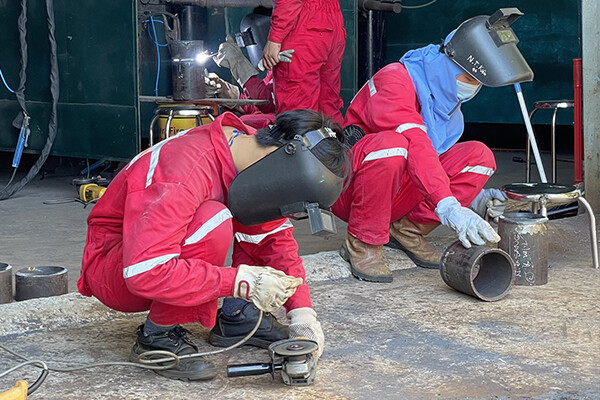
    • Phần 1: Đào tạo hàn, cắt cơ bản trên bờ: Từ 1F đến 3G: Gồm lý thuyết và thực hành.
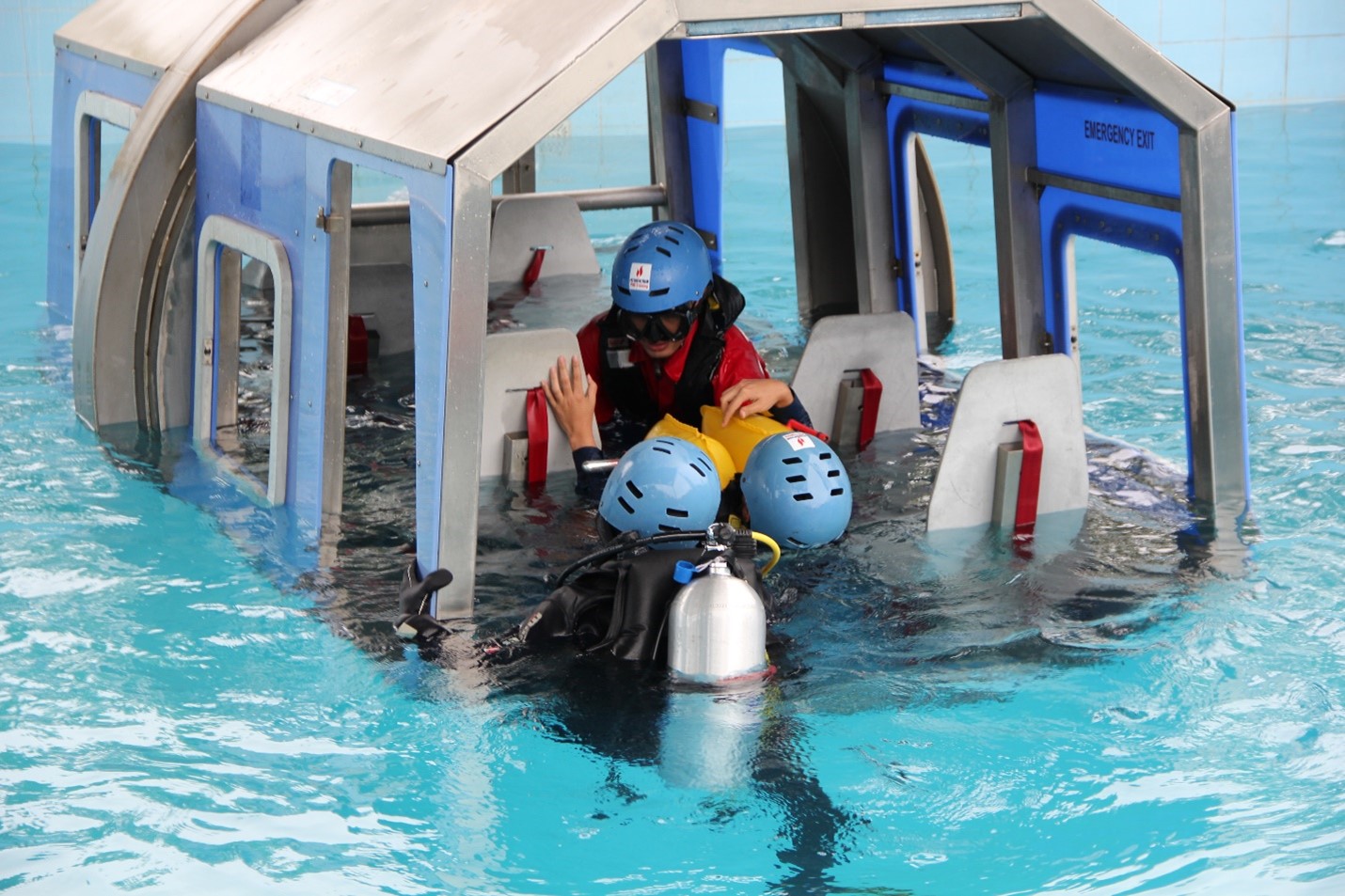
    • Phần 2: Đào tạo hàn, cắt dưới nước: Tư thế 3G: Gồm lý thuyết và thực hành.
PHẦN 1: NỘI DUNG CHƯƠNG TRÌNH ĐÀO TẠO HÀN- CẮT CƠ BẢN TRÊN BỜ (Từ tư thế 1F đến 3G)

I.1  Lý thuyết:

  • Khái quát lại kiến thức an toàn về hàn, thiết bị và phụ kiện hàn;
  • Các nguyên lý, phương pháp hàn, vật liệu, các tư thế và loại khuyết tật trong quá trình hàn;
  • Thiết lập dòng điện với các loại que hàn khác nhau;
  • Vật liệu hàn: vật liệu cơ bản, vật liệu điền đầy que hàn đặc điểm và tính chất;
  • Cấu trúc kim loại học của mối hàn;
  • Ký hiệu mối hàn và tam giác cạnh hàn;
  • Các loại mối ghép của hàn góc;
  • Các biến dạng trong quá trình hàn;
  • Các loại mối ghép của mối hàn đối đầu;
  • Kiểm tra lý thuyết.

I.2 Thực hành:

Thực hành hàn các tư thế: 1F – 2F – 3F – 4F – 1G – 2G – 3G

PHẦN 2: NỘI DUNG CHƯƠNG TRÌNH ĐÀO TẠO HÀN- CẮT CƠ BẢN DƯỚI NƯỚC (Tư thế 3G)

II.1 Lý thuyết

  • Giới thiệu về Hàn dưới nước
  • Khái niệm, đặc điểm và phạm vi ứng dụng của công nghệ hàn dưới nước:
    • Khái niệm về hàn dưới nước (underwater welding)
    • Nguyên lý hàn dưới nước
  • Đặc điểm của hàn dưới nước
    • Ưu điểm của hàn hồ quang dưới nước
    • Nhược điểm của hàn hồ quang dưới nước
  • Giới thiệu thiết bị hàn dưới nước

–   Giới thiệu vật liệu hàn dưới nước

–   Phạm vi ứng dụng của hàn dưới nước

–   Phân loại:

  • Hàn ướt (wet welding)
    • Khái niệm về hàn ướt
    • Nguyên lý của hàn ướt
    • Đặc điểm của hàn ướt
    • Nhược điểm của hàn ướt
  • Hàn khô
    • Khái niệm về hàn khô
    • Đặc điểm của hàn khô
    • Nhược điểm của Hàn khô
    • Các phương pháp hàn khô:
  • Các rủi ro khi hàn dưới nước

II.2 Thực hành: Hàn cắt kim loại dưới nước tư thế 3G.

HỌC PHÍ DỰ KIẾN: 92,000,000 VNĐ/ học viên.
ARE YOU INTERESTED IN THIS COURSE?

Please contact PVD Training using the information below. Or book directly with us!

Fire Protection Equipment and System Services

Service Overview

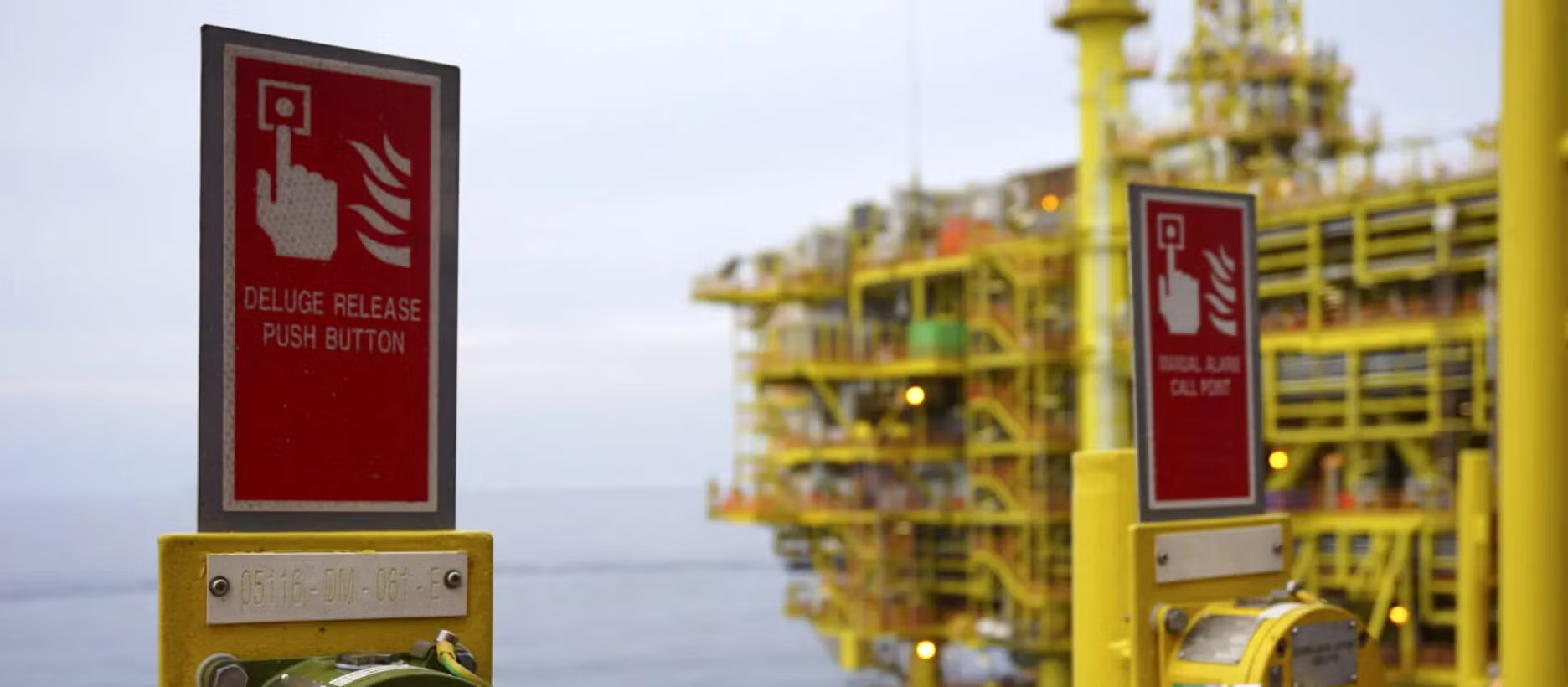
In the oil and gas, heavy industry, and offshore sectors, the risk of fire and explosion is ever-present due to the presence of flammable fuels, high-power electrical systems, and harsh operating conditions. Ensuring that fire protection equipment and systems are always ready for operation is a mandatory requirement to protect people, property, and maintain the continuity of production activities.

PVD Training provides inspection, maintenance, repair, and technical support services for fire protection equipment and systems, serving oil and gas projects, industrial plants, and offshore projects. These services are implemented to ensure that fire protection systems meet technical requirements, safety standards, and current legal regulations throughout their operational lifecycle.

Scope of Services

PVD Training’s Firefighting Equipment & System Services comprehensively cover all items related to firefighting equipment and systems used in industrial and offshore environments.

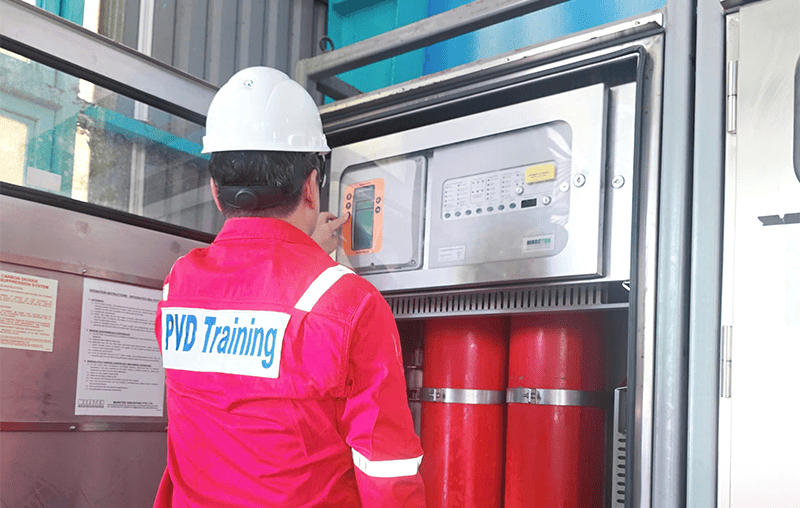
We inspect, maintain, and repair portable and fixed fire extinguishers, including powder extinguishers, CO₂ extinguishers, clean agent extinguishers, and other specialized firefighting equipment. Inspections are conducted to assess the technical condition, operational capability, and safety compliance of each device.

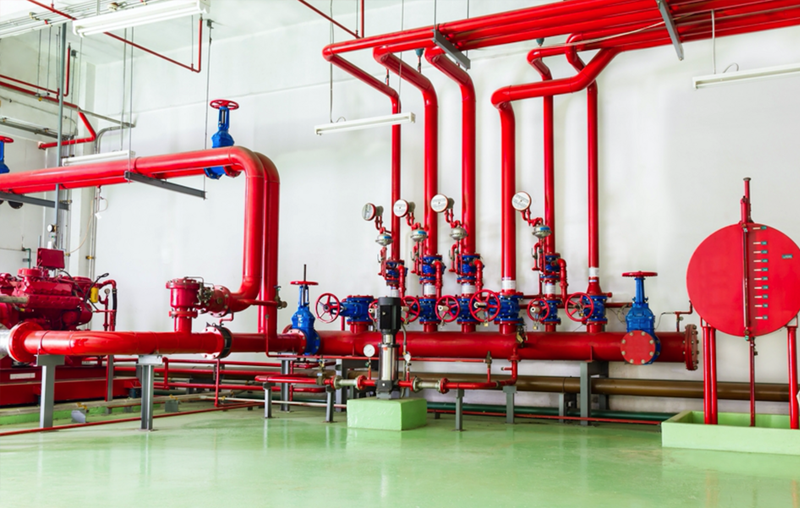
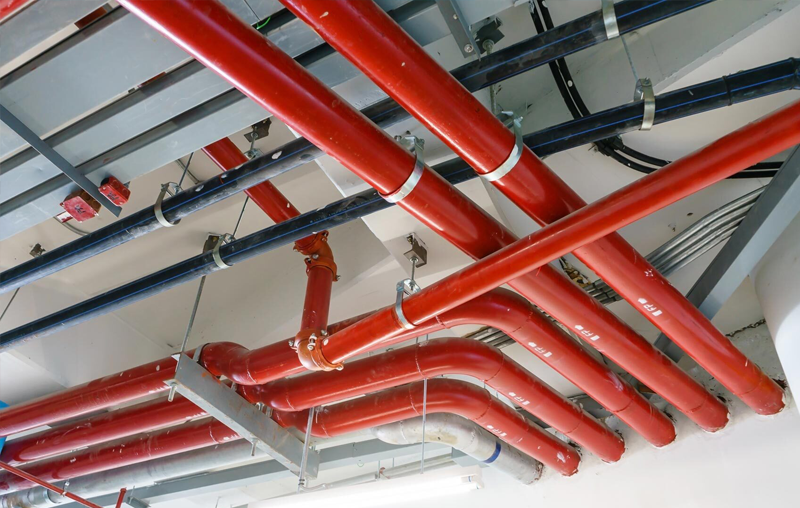
In addition, PVD Training provides maintenance and inspection services for fixed firefighting systems, including water-based firefighting systems, foam (AFFF) systems, gas firefighting systems such as FM200, and equivalent systems. The work includes inspecting the condition of pipes, valves, nozzles, activation devices, and related components to ensure the system can operate effectively in the event of a fire or explosion.

Additionally, the service includes inspection and maintenance of breathing and rescue equipment, such as SCBA and escape aids, to ensure readiness for use in emergency situations.

Service implementation process

PVD Training’s fire protection equipment and system services are implemented according to a strict control process to ensure quality, safety, and compliance.

First, the technical team surveys the current status of the fire protection and firefighting system, assessing the condition of the equipment, the degree of wear and tear, operational capabilities, and any points that do not meet technical requirements or safety regulations. Based on this, we develop a maintenance and repair plan appropriate to the actual conditions of each project.

During implementation, maintenance, repair, and inspection work is carried out in accordance with technical procedures, with safety supervision and quality control. After completion, the system and equipment are re-inspected to confirm their operational status and level of compliance with safety requirements before being handed over to the customer.

Technical standards and safety compliance

Throughout the entire service provision process, PVD Training strictly adheres to occupational safety requirements and technical standards applicable to fire protection systems in the oil and gas and industrial sectors. Inspection and maintenance activities are carried out in accordance with the investor’s internal regulations, industry technical standards, and relevant legal requirements.

Compliance with safety standards and procedures not only ensures the effective operation of fire protection and firefighting systems but also supports customers in safety inspections, assessments, audits, and compliance with relevant parties’ regulations.

Value and benefits

PVD Training’s fire protection equipment and system services provide tangible value in enhancing the overall safety of buildings and workers. Properly inspected and maintained fire protection systems help minimize fire and explosion risks, limiting damage to people and property in the event of an incident.

In addition, regular maintenance and technical control of the system helps customers maintain operational readiness and avoid production interruptions due to safety-related issues. The service also contributes to extending the life of equipment and optimizing long-term operating and maintenance costs.

Application Areas

    • PVD Training’s Firefighting Equipment & System Services are suitable for various types of projects and facilities, including:
    • Oil and gas drilling rigs and offshore projects
    • Industrial plants and manufacturing facilities
    • Warehouses and storage areas for flammable materials
    • Oil and gas service vessels and marine structures

Industrial Valve System Inspection, Assessment, and Maintenance Services

Service Overview

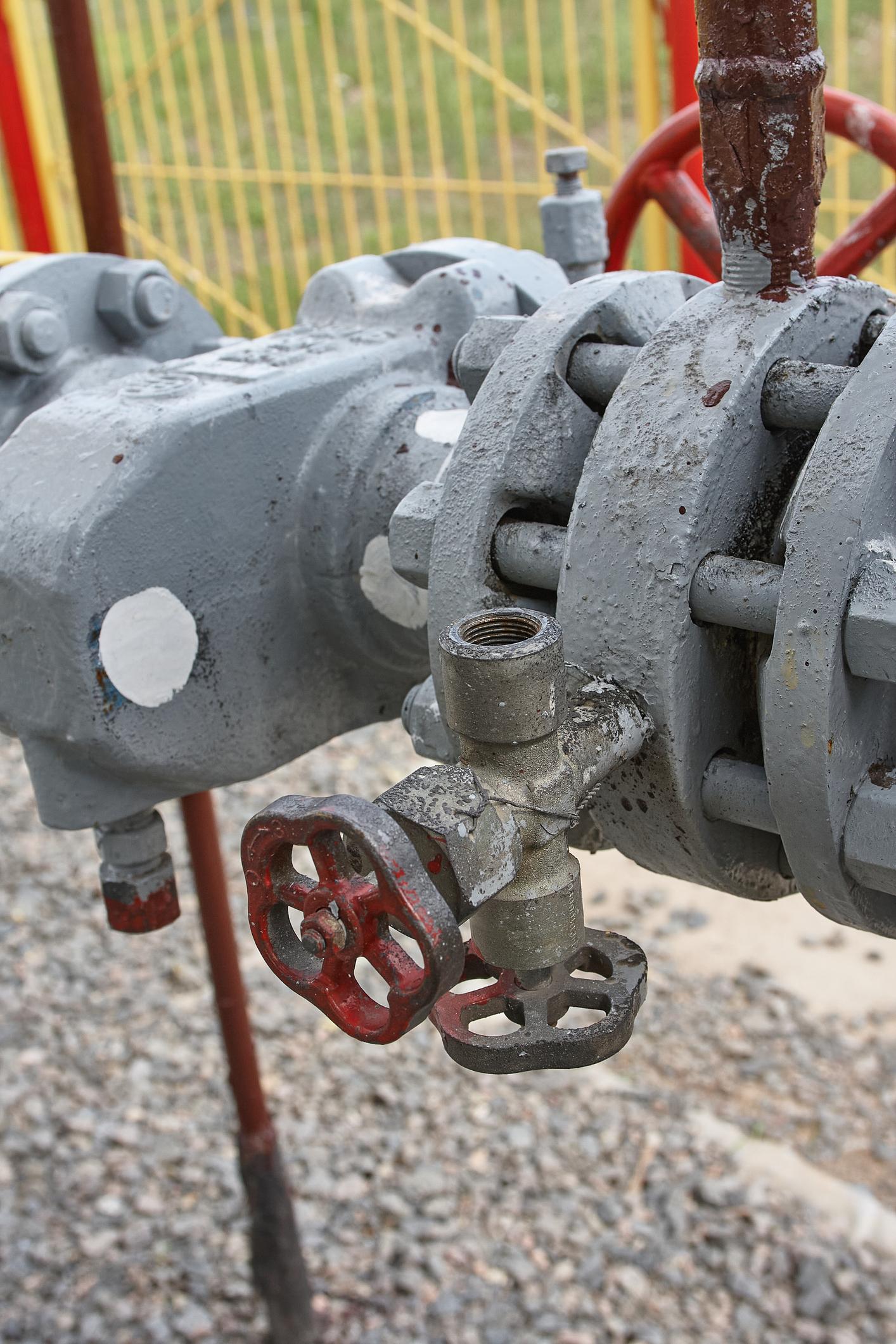
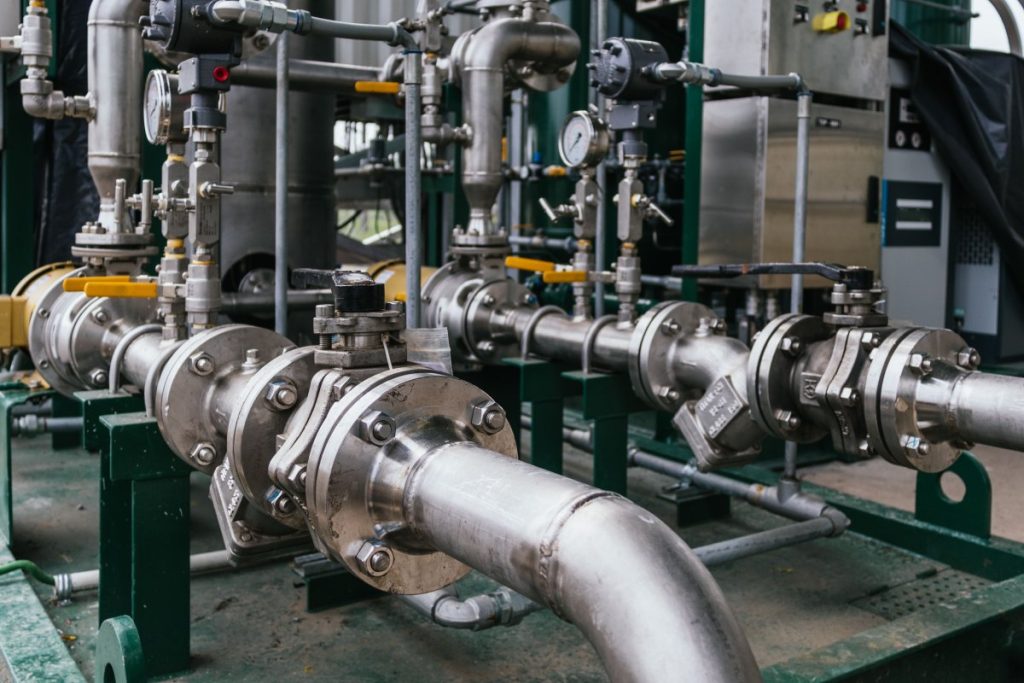
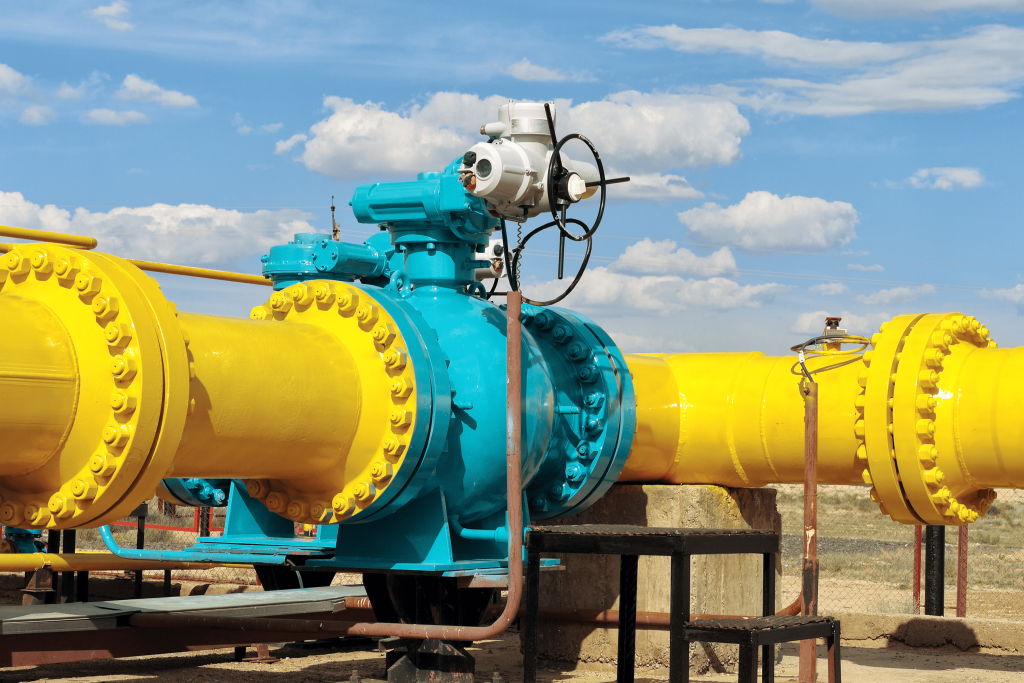
Valves are core components in the technological systems of industrial plants, piping systems, and offshore oil and gas projects. They regulate the flow, pressure, and volume of media such as oil, gas, water, chemicals, and other industrial substances. Due to continuous operation under high loads, high pressures, and harsh environments, valve systems are prone to wear, performance degradation, or failure if not properly maintained.

PVD Training provides valve maintenance services, including equipment inspection, technical condition assessment, and maintenance activities tailored to actual operating conditions. These services help customers maintain equipment performance, minimize unplanned downtime, and extend the lifespan of the entire valve system in plants and offshore facilities.

The role of valve maintenance in industrial operations

In industrial and oil and gas systems, valve-related incidents can have serious consequences such as fluid leaks, loss of pressure control, production line interruptions, and even human safety impacts. Therefore, valve maintenance is not only a routine technical activity but also an important part of asset safety and operation management.

Proper timing and methods of maintenance help:

    • Maintain stable flow and pressure in the system
    • Detect early signs of damage or performance degradation
    • Reduce the risk of technical failures and accidents
    • Limit major repair costs and prolonged downtime

PVD Training’s valve maintenance services play a crucial role in ensuring safe, continuous, and efficient operation for industrial and offshore projects.

Scope of valve maintenance services

PVD Training’s valve maintenance services are implemented flexibly to suit the operational characteristics and technical requirements of each system. The scope of services includes:

    • Comprehensive inspection of valve technical condition
    • Assessment of wear and tear levels and operational performance
    • Scheduled maintenance or maintenance based on actual operating conditions
    • Performing maintenance tasks to restore and maintain equipment performance
    • Technical support during system operation and maintenance

Maintenance activities are performed in accordance with the operating conditions of the equipment, including industrial plant environments and offshore facilities.

Maintenance methods and procedures

PVD Training implements valve maintenance services following strict technical procedures to ensure the quality and reliability of equipment after maintenance.

The process begins with a survey of the system’s current status, collecting information on operating conditions, maintenance history, and technical issues that have arisen. Based on this, the technical team conducts a detailed inspection of each valve, assesses its condition, and determines the items that need maintenance.

After completing the assessment, PVD Training performs appropriate maintenance work to ensure the equipment meets operational requirements. Maintenance results are recorded and reported, serving equipment management and future maintenance planning.

Ensuring system performance and reliability

The goal of valve maintenance services is to ensure that the system always operates stably and meets technical requirements throughout its operating life. Maintaining equipment performance helps the system operate more efficiently, reduces energy losses, and minimizes incidents.

For offshore projects and continuous operation systems, valve reliability is a key factor in ensuring safety and progress. PVD Training’s services help customers proactively control equipment status and maintain stable operating conditions in the long term.

Value and benefits

PVD Training’s valve maintenance services provide customers with many practical benefits in operation and technical maintenance.

Firstly, the service helps minimize downtime, reducing interruptions in production and operation. Additionally, proper maintenance extends the lifespan of the valve system, reduces replacement costs, and optimizes long-term maintenance expenses.

The service also supports customers in technical asset management, enhancing safety and ensuring compliance with technical and safety requirements applicable to offshore plants and structures.

Application areas

PVD Training’s valve maintenance service is suitable for many fields and types of projects, including:

    • Industrial plants and industrial parks
    • Pipeline systems and technological lines
    • Oil and gas projects and offshore drilling rigs
    • Technical operation and maintenance projects

Electrical & Instrumentation Services

Service Overview

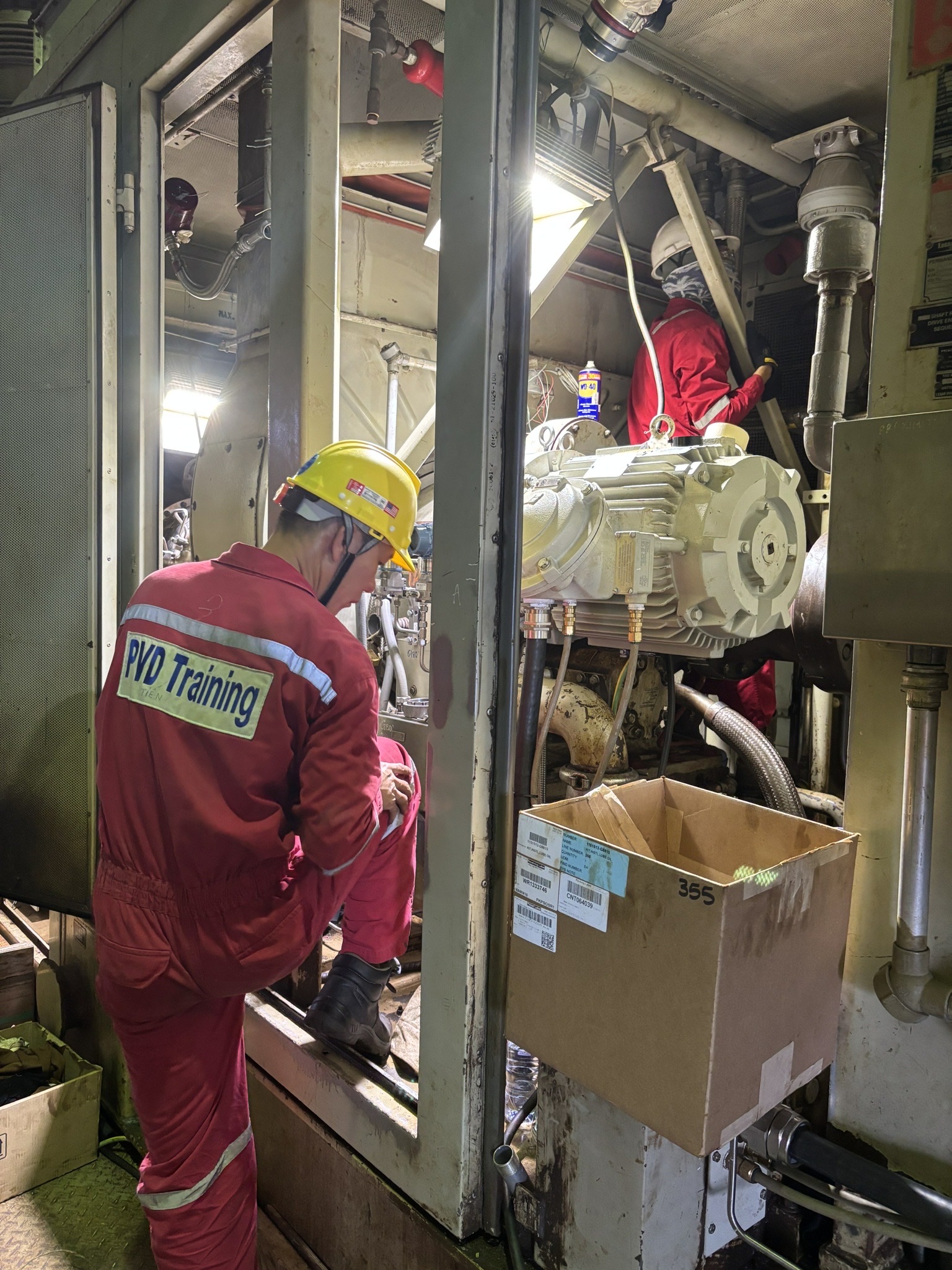
PVD Training provides Electrical & Instrumentation (E&I) services for oil and gas, industrial, and marine projects, meeting the requirements for continuous, safe, and stable operation in harsh working environments. The services are designed to support customers throughout the entire technical system lifecycle, from initial installation, operation, and periodic maintenance to system repair and modification.

With a team of engineers and technicians with practical experience in onshore and offshore projects, PVD Training provides E&I solutions tailored to the specific characteristics of each project, ensuring that electrical and control systems meet technical, safety, and environmental requirements.

Scope of Services

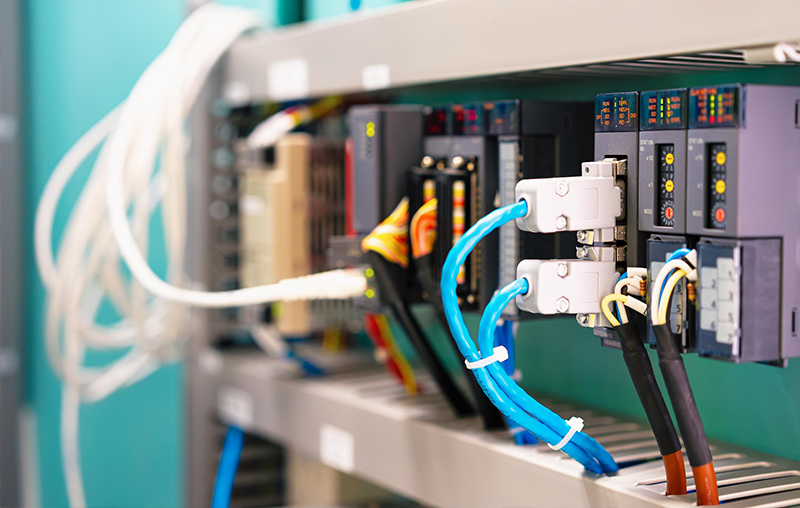
E&I services include installation, inspection, connection, and maintenance of low-voltage and medium-voltage electrical systems, electrical cabinets, electrical cables, and measurement and control equipment. In addition, we provide preventive maintenance, repair maintenance, system calibration, and technical support during system commissioning and acceptance testing.

Implementation Process

E&I activities are carried out according to a clear technical process, including site surveys, risk assessments, construction and maintenance planning, work implementation, and inspection and acceptance. All work is supervised to ensure compliance with safety and quality requirements.

Value Delivered

PVD Training’s E&I services help customers maintain stable operating conditions, minimize system failures, optimize energy efficiency, and extend equipment life. This is a critical factor in ensuring long-term occupational safety and production efficiency.