Đường Ba Cu – Vũng Tàu và câu chuyện thú vị đằng sau tên gọi độc đáo này

[English Below]

Vũng Tàu vốn là thành phố biển rất nổi tiếng tại Việt Nam với khí hậu mát mẻ quanh năm,
phong cảnh hữu tình với các ngọn núi cao và biển xanh. Những du khách khi đến Vũng Tàu
đều ghé qua con đường sầm uất bậc nhất của thành phố – Bacu (Nguyễn Thái Học cũ),
trục đường chính hướng thẳng ra bãi Trước. Rất nhiều người thắc mắc cái tên hơi hướng
“Tây” lại nằm ở trục đường chính của thành phố. Đây là một câu chuyện khá thú vị và
mang đậm tinh thần ngoại giao và hữu nghị giữa hai quốc gia Việt Nam – Azerbaijan,
nước cộng hòa nằm ở khu vực Tây Á, cách nước ta 19 giờ bay. Vào những năm 1960,
Việt Nam đã mời các chuyên gia dầu khí của Liên bang Xô Viết sang khảo sát và thiết lập
các giàn thăm dò dầu khí ở vùng biển ngoài khơi. Năm 1966, 8 sinh viên Việt Nam đầu tiên
được cử sang Học viện Hóa học & Dầu khí tại thủ đô Baku, Azerbaijan.

Hai mươi năm sau, thành phố Vũng Tàu trở thành trung tâm phát triển công nghiệp dầu khí
của cả nước, giống như thủ đô Baku của Azerbaijan. Để vun đắp tình hữu nghị giữa hai nước
và tri ân công sức của các chuyên gia đã hỗ trợ đội ngũ kỹ sư Việt Nam trong những ngày
đầu khám phá và khai thác nguồn năng lượng chính của thế kỷ 20 và 21, thành phố Vũng Tàu
đã đổi tên đường Nguyễn Thái Học thành Bacu; ngược lại, thành phố Baku cũng đặt tên một
con đường là Vung Tau.

Vung Tau - Bacu street sign

Vung Tau is a well-known coastal city in Vietnam, renowned for its year-round temperate
climate and picturesque landscapes, featuring high mountains and azure seas. When tourists
visit Vung Tau, they often explore the city’s most vibrant street – Bacu (formerly known as
Nguyen Thai Hoc), which is the main road leading straight to Front Beach. Many people are
curious about the somewhat Western-sounding name of this street, especially since it is
located in the heart of the city. This is an interesting story that reflects the spirit of
diplomacy and friendship between two countries, Vietnam and Azerbaijan, a republic located
in the Western Asia region, approximately 19 flight hours away from Vietnam. In the 1960s,
Vietnam invited Soviet oil and gas experts to survey and establish offshore oil exploration
rigs. In 1966, the first eight Vietnamese students were sent to study at the Institute of
Chemistry and Oil in the capital city of Baku, Azerbaijan.

Twenty years later, Vung Tau became the center of the nation’s oil and gas industry, much
like Azerbaijan’s capital, Baku. To nurture the friendship between the two countries and
express gratitude for the efforts of Azerbaijani experts who assisted Vietnamese engineers
during the early days of exploration and exploitation of the primary energy source of the
20th and 21st centuries, the city of Vung Tau renamed Nguyen Thai Hoc Street to Bacu and,
reciprocally, the city of Baku named one of its streets Vung Tau.
Fire Protection Equipment and System Services

Service Overview

In the oil and gas, heavy industry, and offshore sectors, the risk of fire and explosion is ever-present due to the presence of flammable fuels, high-power electrical systems, and harsh operating conditions. Ensuring that fire protection equipment and systems are always ready for operation is a mandatory requirement to protect people, property, and maintain the continuity of production activities.

PVD Training provides inspection, maintenance, repair, and technical support services for fire protection equipment and systems, serving oil and gas projects, industrial plants, and offshore projects. These services are implemented to ensure that fire protection systems meet technical requirements, safety standards, and current legal regulations throughout their operational lifecycle.

Scope of Services

PVD Training’s Firefighting Equipment & System Services comprehensively cover all items related to firefighting equipment and systems used in industrial and offshore environments.

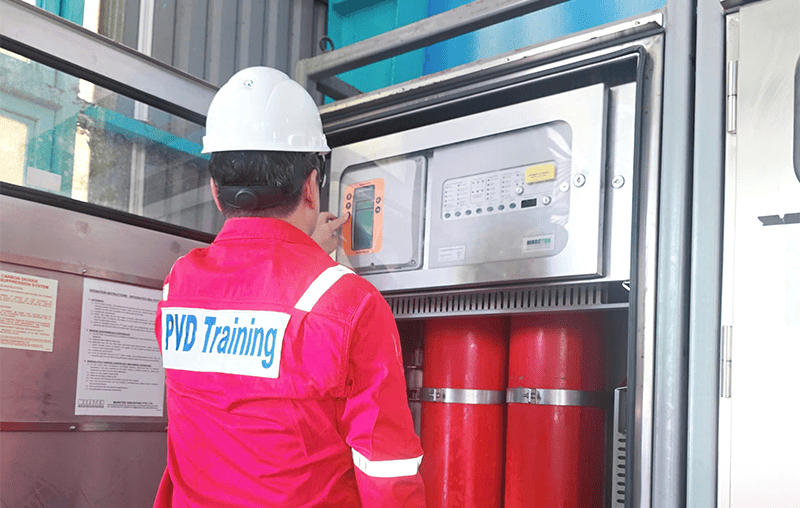
We inspect, maintain, and repair portable and fixed fire extinguishers, including powder extinguishers, CO₂ extinguishers, clean agent extinguishers, and other specialized firefighting equipment. Inspections are conducted to assess the technical condition, operational capability, and safety compliance of each device.

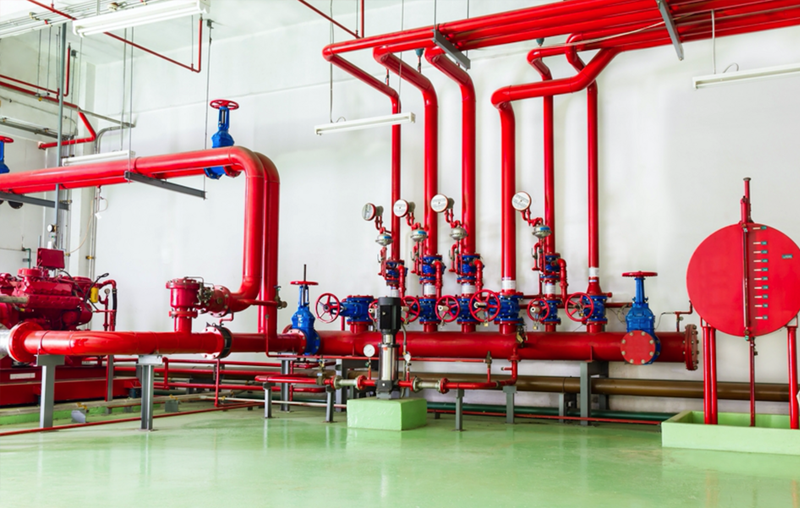
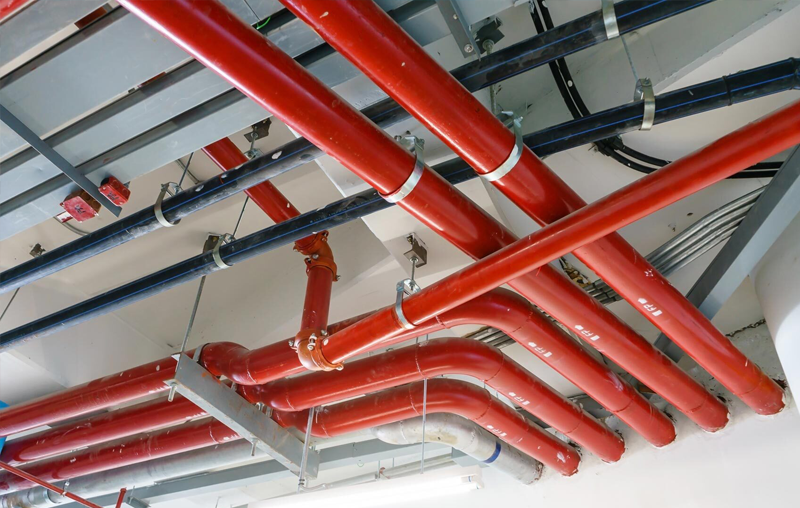
In addition, PVD Training provides maintenance and inspection services for fixed firefighting systems, including water-based firefighting systems, foam (AFFF) systems, gas firefighting systems such as FM200, and equivalent systems. The work includes inspecting the condition of pipes, valves, nozzles, activation devices, and related components to ensure the system can operate effectively in the event of a fire or explosion.

Additionally, the service includes inspection and maintenance of breathing and rescue equipment, such as SCBA and escape aids, to ensure readiness for use in emergency situations.

Service implementation process

PVD Training’s fire protection equipment and system services are implemented according to a strict control process to ensure quality, safety, and compliance.

First, the technical team surveys the current status of the fire protection and firefighting system, assessing the condition of the equipment, the degree of wear and tear, operational capabilities, and any points that do not meet technical requirements or safety regulations. Based on this, we develop a maintenance and repair plan appropriate to the actual conditions of each project.

During implementation, maintenance, repair, and inspection work is carried out in accordance with technical procedures, with safety supervision and quality control. After completion, the system and equipment are re-inspected to confirm their operational status and level of compliance with safety requirements before being handed over to the customer.

Technical standards and safety compliance

Throughout the entire service provision process, PVD Training strictly adheres to occupational safety requirements and technical standards applicable to fire protection systems in the oil and gas and industrial sectors. Inspection and maintenance activities are carried out in accordance with the investor’s internal regulations, industry technical standards, and relevant legal requirements.

Compliance with safety standards and procedures not only ensures the effective operation of fire protection and firefighting systems but also supports customers in safety inspections, assessments, audits, and compliance with relevant parties’ regulations.

Value and benefits

PVD Training’s fire protection equipment and system services provide tangible value in enhancing the overall safety of buildings and workers. Properly inspected and maintained fire protection systems help minimize fire and explosion risks, limiting damage to people and property in the event of an incident.

In addition, regular maintenance and technical control of the system helps customers maintain operational readiness and avoid production interruptions due to safety-related issues. The service also contributes to extending the life of equipment and optimizing long-term operating and maintenance costs.

Application Areas

    • PVD Training’s Firefighting Equipment & System Services are suitable for various types of projects and facilities, including:
    • Oil and gas drilling rigs and offshore projects
    • Industrial plants and manufacturing facilities
    • Warehouses and storage areas for flammable materials
    • Oil and gas service vessels and marine structures

Industrial Valve System Inspection, Assessment, and Maintenance Services

Service Overview

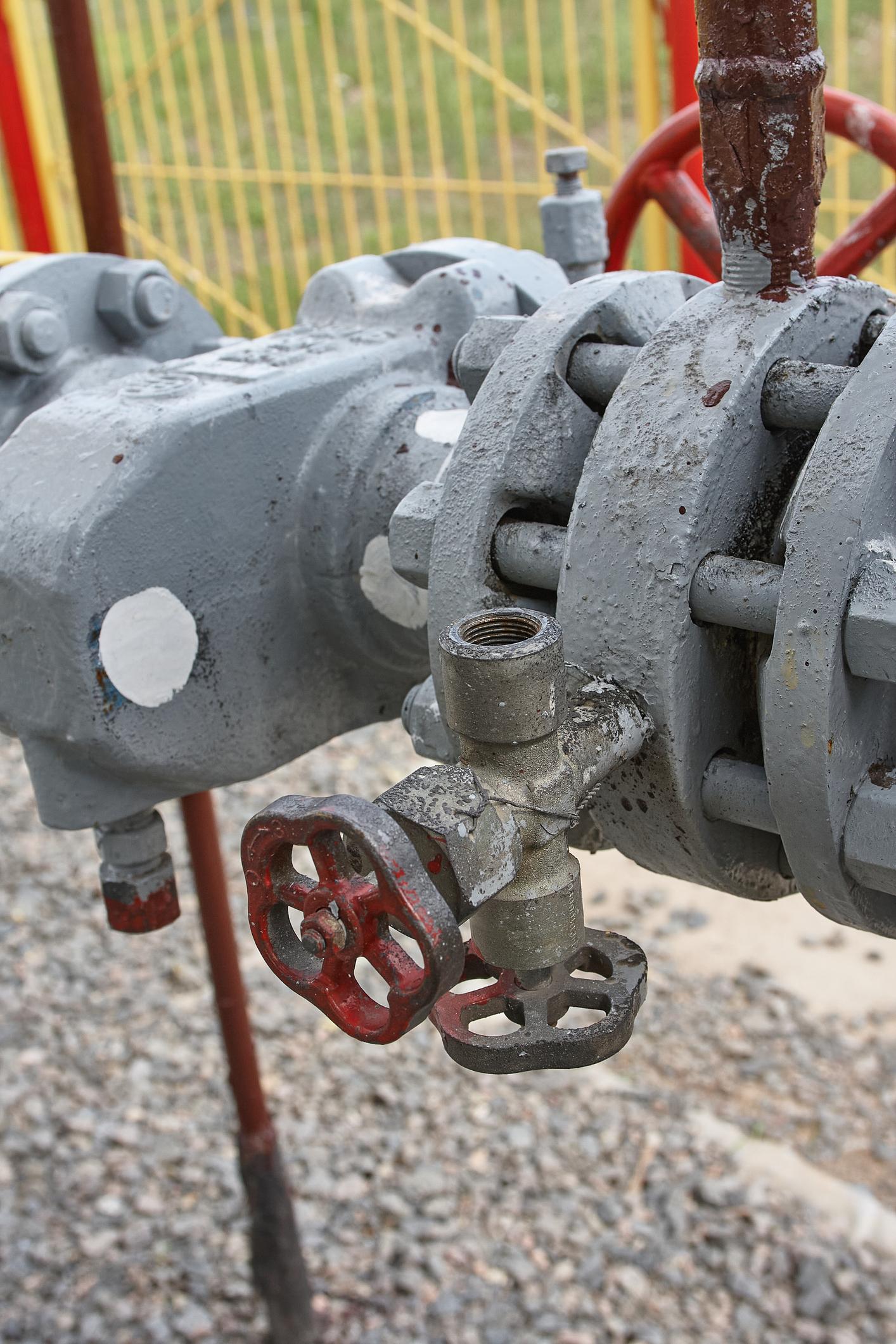
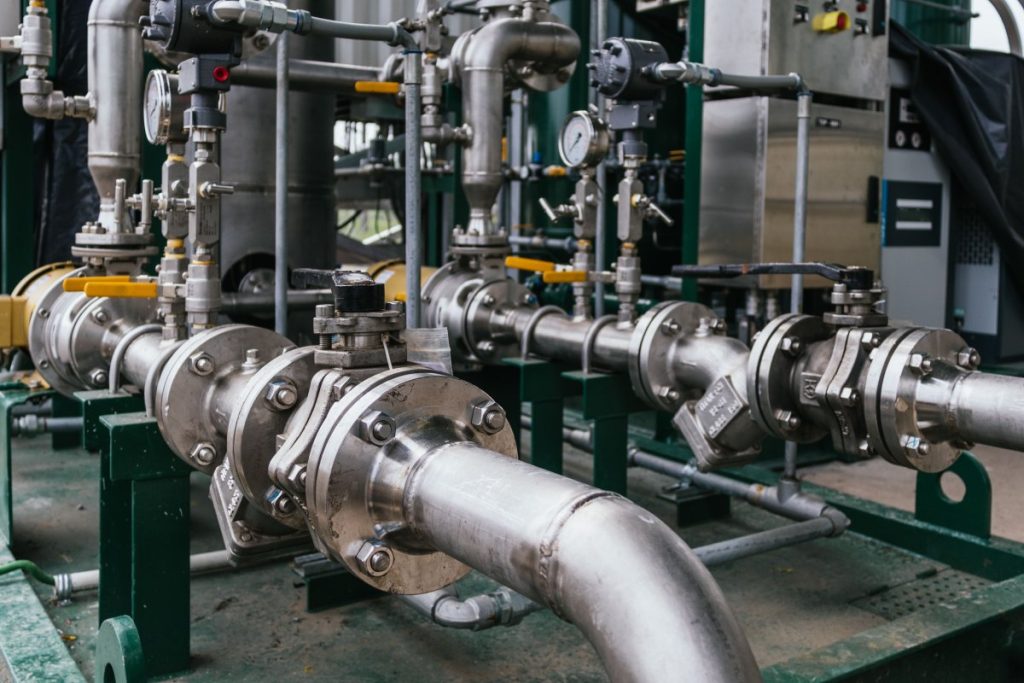
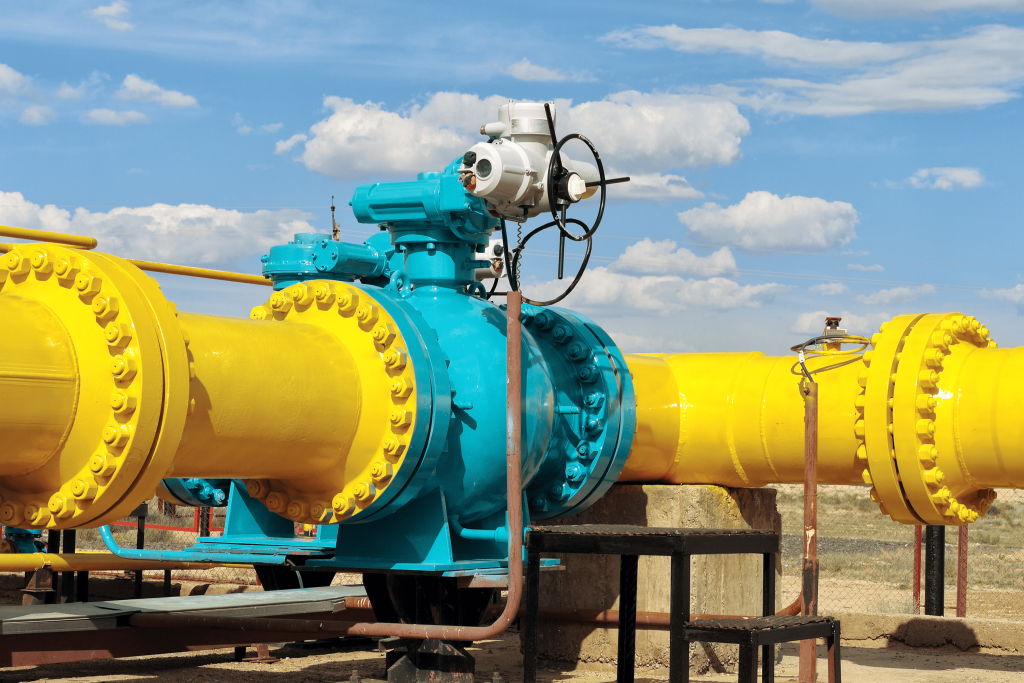
Valves are core components in the technological systems of industrial plants, piping systems, and offshore oil and gas projects. They regulate the flow, pressure, and volume of media such as oil, gas, water, chemicals, and other industrial substances. Due to continuous operation under high loads, high pressures, and harsh environments, valve systems are prone to wear, performance degradation, or failure if not properly maintained.

PVD Training provides valve maintenance services, including equipment inspection, technical condition assessment, and maintenance activities tailored to actual operating conditions. These services help customers maintain equipment performance, minimize unplanned downtime, and extend the lifespan of the entire valve system in plants and offshore facilities.

The role of valve maintenance in industrial operations

In industrial and oil and gas systems, valve-related incidents can have serious consequences such as fluid leaks, loss of pressure control, production line interruptions, and even human safety impacts. Therefore, valve maintenance is not only a routine technical activity but also an important part of asset safety and operation management.

Proper timing and methods of maintenance help:

    • Maintain stable flow and pressure in the system
    • Detect early signs of damage or performance degradation
    • Reduce the risk of technical failures and accidents
    • Limit major repair costs and prolonged downtime

PVD Training’s valve maintenance services play a crucial role in ensuring safe, continuous, and efficient operation for industrial and offshore projects.

Scope of valve maintenance services

PVD Training’s valve maintenance services are implemented flexibly to suit the operational characteristics and technical requirements of each system. The scope of services includes:

    • Comprehensive inspection of valve technical condition
    • Assessment of wear and tear levels and operational performance
    • Scheduled maintenance or maintenance based on actual operating conditions
    • Performing maintenance tasks to restore and maintain equipment performance
    • Technical support during system operation and maintenance

Maintenance activities are performed in accordance with the operating conditions of the equipment, including industrial plant environments and offshore facilities.

Maintenance methods and procedures

PVD Training implements valve maintenance services following strict technical procedures to ensure the quality and reliability of equipment after maintenance.

The process begins with a survey of the system’s current status, collecting information on operating conditions, maintenance history, and technical issues that have arisen. Based on this, the technical team conducts a detailed inspection of each valve, assesses its condition, and determines the items that need maintenance.

After completing the assessment, PVD Training performs appropriate maintenance work to ensure the equipment meets operational requirements. Maintenance results are recorded and reported, serving equipment management and future maintenance planning.

Ensuring system performance and reliability

The goal of valve maintenance services is to ensure that the system always operates stably and meets technical requirements throughout its operating life. Maintaining equipment performance helps the system operate more efficiently, reduces energy losses, and minimizes incidents.

For offshore projects and continuous operation systems, valve reliability is a key factor in ensuring safety and progress. PVD Training’s services help customers proactively control equipment status and maintain stable operating conditions in the long term.

Value and benefits

PVD Training’s valve maintenance services provide customers with many practical benefits in operation and technical maintenance.

Firstly, the service helps minimize downtime, reducing interruptions in production and operation. Additionally, proper maintenance extends the lifespan of the valve system, reduces replacement costs, and optimizes long-term maintenance expenses.

The service also supports customers in technical asset management, enhancing safety and ensuring compliance with technical and safety requirements applicable to offshore plants and structures.

Application areas

PVD Training’s valve maintenance service is suitable for many fields and types of projects, including:

    • Industrial plants and industrial parks
    • Pipeline systems and technological lines
    • Oil and gas projects and offshore drilling rigs
    • Technical operation and maintenance projects

Electrical & Instrumentation Services

Service Overview

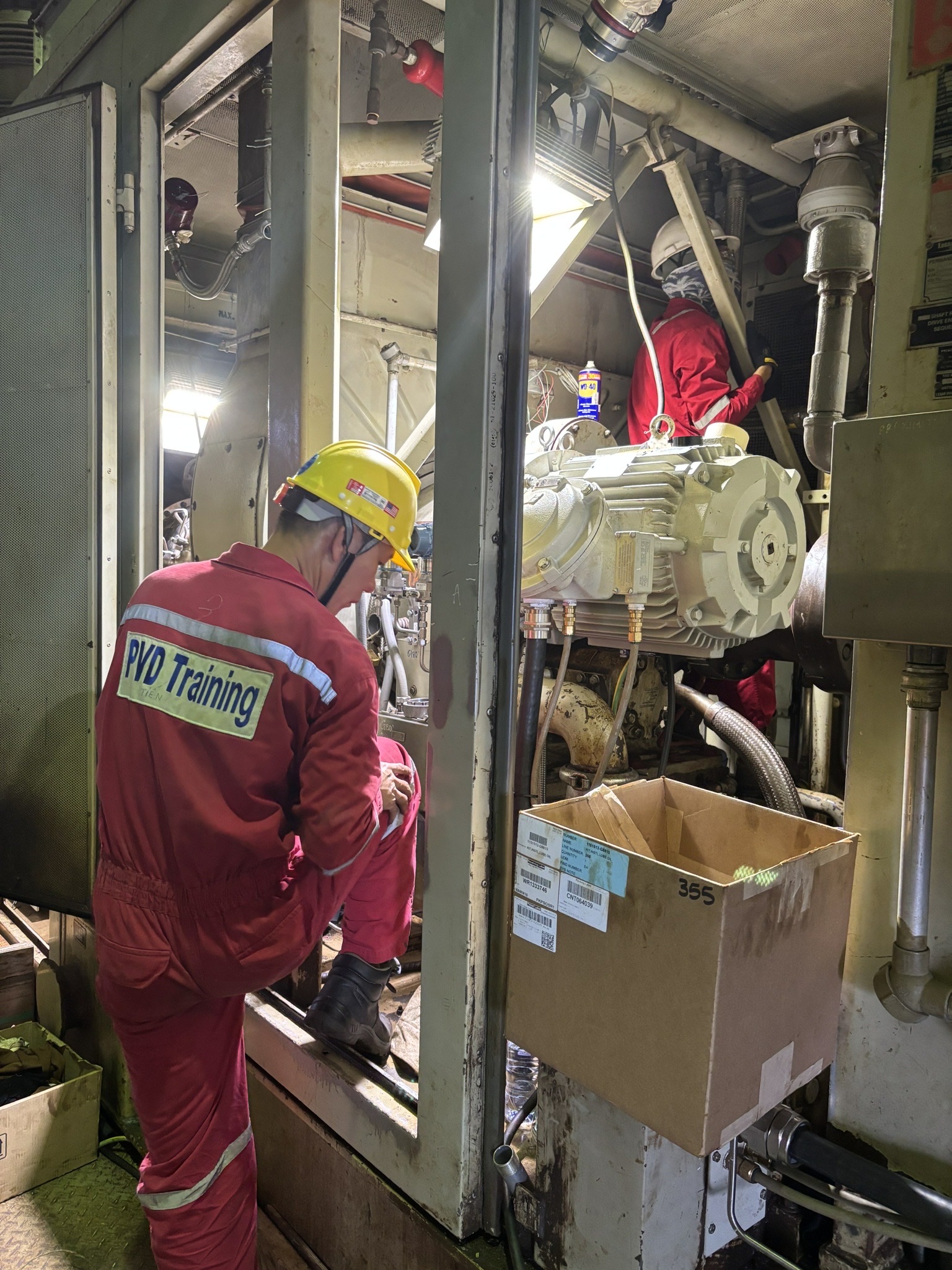
PVD Training provides Electrical & Instrumentation (E&I) services for oil and gas, industrial, and marine projects, meeting the requirements for continuous, safe, and stable operation in harsh working environments. The services are designed to support customers throughout the entire technical system lifecycle, from initial installation, operation, and periodic maintenance to system repair and modification.

With a team of engineers and technicians with practical experience in onshore and offshore projects, PVD Training provides E&I solutions tailored to the specific characteristics of each project, ensuring that electrical and control systems meet technical, safety, and environmental requirements.

Scope of Services

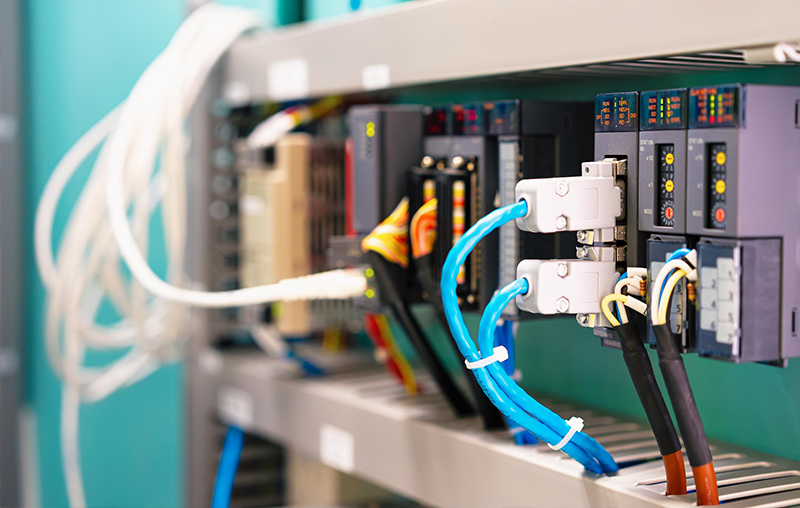
E&I services include installation, inspection, connection, and maintenance of low-voltage and medium-voltage electrical systems, electrical cabinets, electrical cables, and measurement and control equipment. In addition, we provide preventive maintenance, repair maintenance, system calibration, and technical support during system commissioning and acceptance testing.

Implementation Process

E&I activities are carried out according to a clear technical process, including site surveys, risk assessments, construction and maintenance planning, work implementation, and inspection and acceptance. All work is supervised to ensure compliance with safety and quality requirements.

Value Delivered

PVD Training’s E&I services help customers maintain stable operating conditions, minimize system failures, optimize energy efficiency, and extend equipment life. This is a critical factor in ensuring long-term occupational safety and production efficiency.