
H₂S – The Silent Killer in the Oil & Gas Industry: Why H₂S Safety Training Is Essential
In the oil and gas industry, safety is always the top priority. While many risks such as fires, explosions, or heavy equipment accidents are visible and well understood, there is another extremely dangerous hazard that is far more difficult to detect: Hydrogen Sulfide (H₂S).
H₂S is often referred to as a “silent killer” because even small concentrations can cause severe poisoning and may lead to death within minutes if proper precautions are not taken.
Where Does H₂S Occur in Oil & Gas Operations?
In reality, many oil and gas reservoirs contain hydrogen sulfide in varying concentrations. This toxic gas can be encountered during different stages of oil and gas operations, including:
-
Drilling operations
-
Well testing and well intervention
-
Production facilities
-
Storage tanks and pipelines
-
Offshore platforms and FPSOs
When hydrocarbons are brought to the surface, H₂S may be released into the working environment, posing a serious threat to personnel if not properly controlled and monitored.
Why Is H₂S So Dangerous?
Hydrogen sulfide is a colorless, highly toxic gas that can quickly affect the human body.
One of the most dangerous characteristics of H₂S is that it cannot always be detected by smell.
Although H₂S is commonly associated with a rotten egg odor, higher concentrations can actually paralyze the sense of smell, meaning workers may not realize the gas is present.
Exposure levels can quickly become life-threatening:
-
10 ppm – Eye and respiratory irritation
-
100 ppm – Loss of sense of smell
-
300 ppm – Immediate danger to life
-
700 ppm or higher – Rapid unconsciousness and possible death
Because of these properties, H₂S is considered one of the most serious hazards in the oil and gas industry.
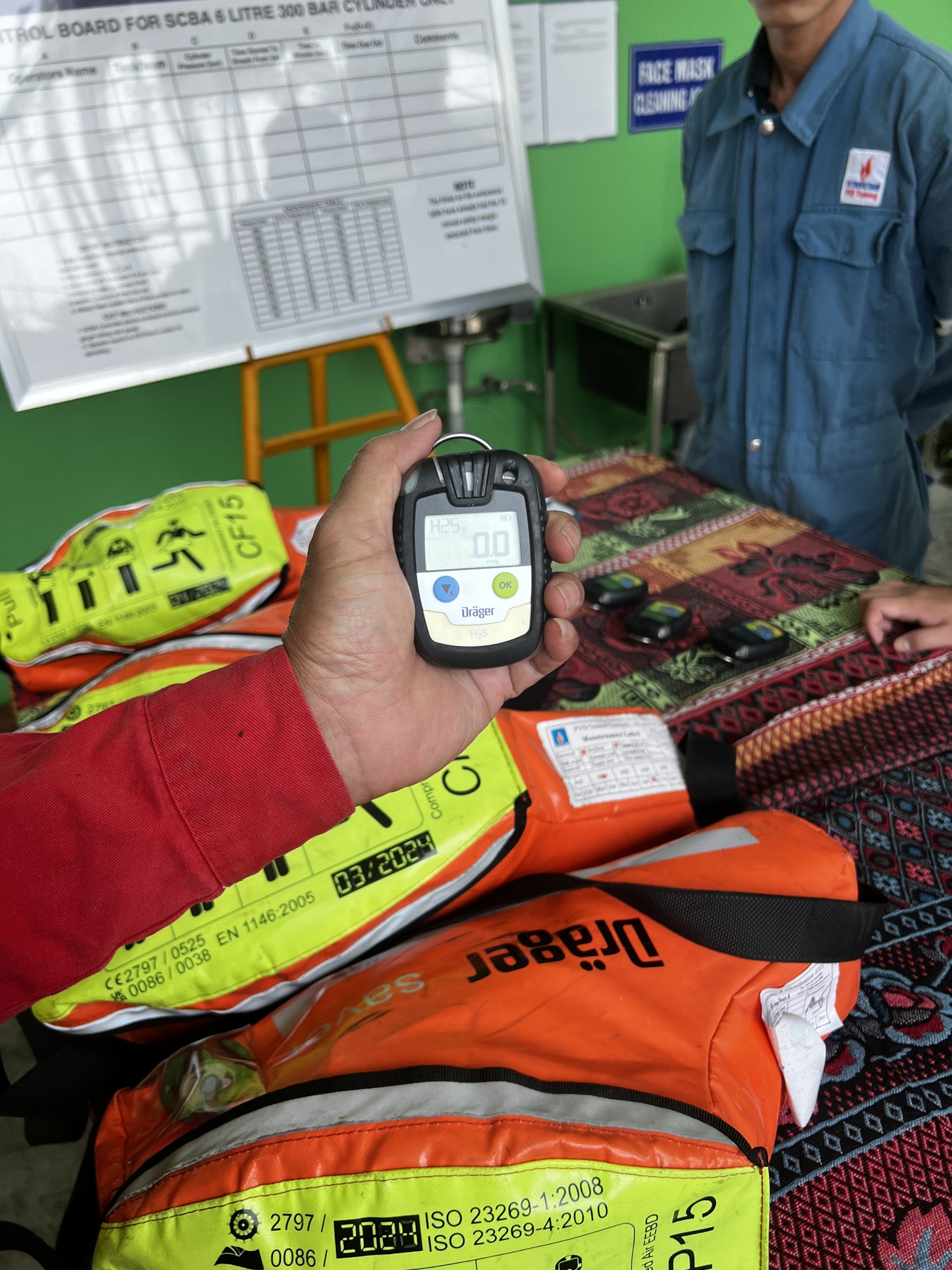
Why H₂S Safety Training Is Critical
Working in environments where hydrogen sulfide may be present requires proper awareness, preparation, and training. H₂S safety training is not just a regulatory requirement—it is a vital skill that can save lives.
Through H₂S Safety Training, participants learn how to:
✔ Identify potential H₂S hazards in oil and gas operations
✔ Understand the effects of H₂S exposure on the human body
✔ Use gas detection equipment properly
✔ Operate escape breathing apparatus (EBA) in emergencies
✔ Follow emergency procedures and evacuation protocols
These skills allow workers to recognize dangerous situations quickly and respond effectively, protecting themselves and their colleagues.
H₂S Safety Training at PVD Training
As a leading technical and safety training provider in the energy sector, PVD Training delivers internationally aligned H₂S safety training designed for personnel working in oil and gas environments.
Training at PVD Training includes:
-
Experienced instructors with real offshore and industry experience
-
Practical training based on realistic operational scenarios
-
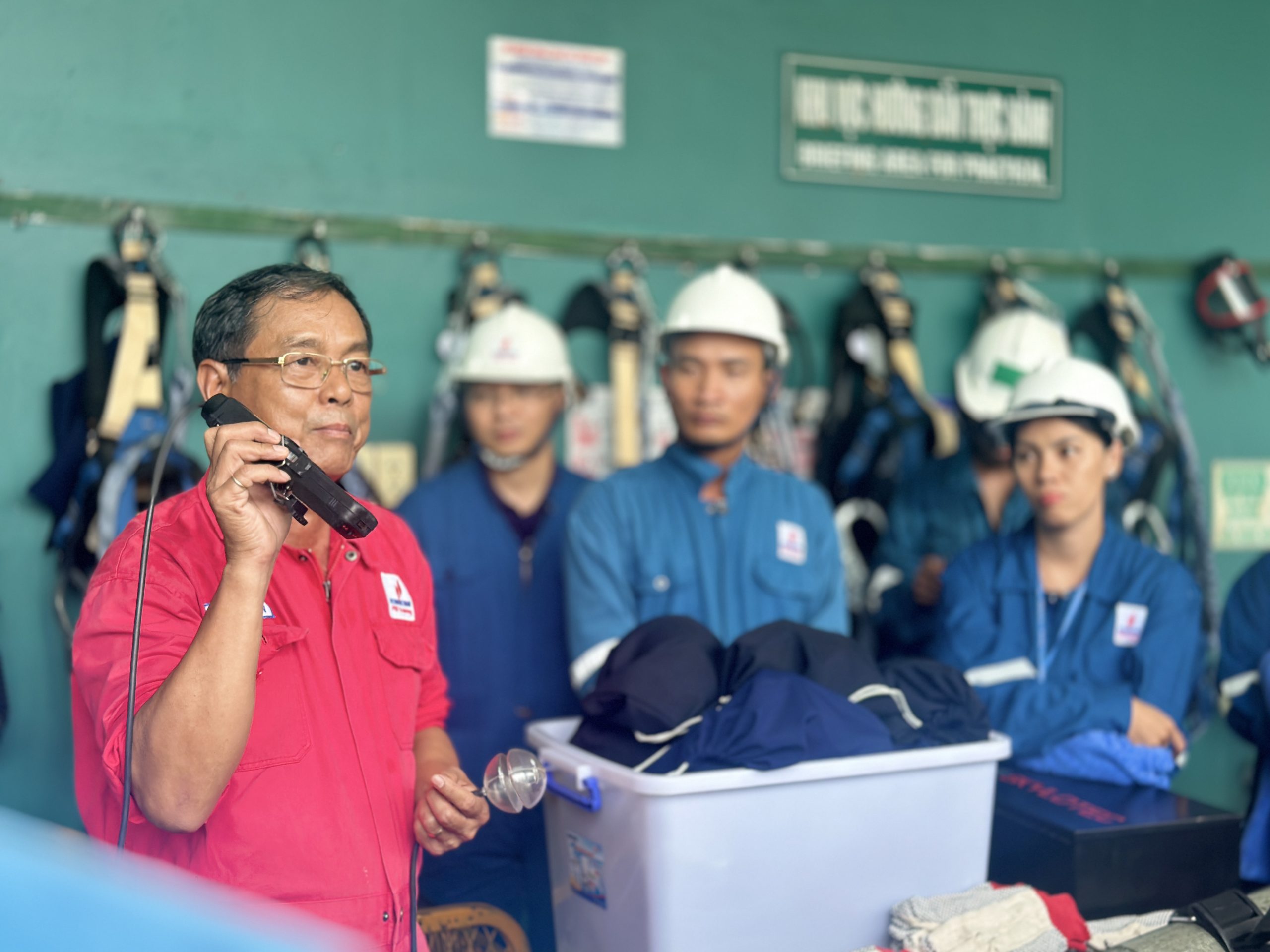
Hands-on practice with gas detectors and escape breathing apparatus
Participants leave the course with a clear understanding of how to recognize H₂S risks and how to respond safely in emergency situations.
Safety Is Not Optional
In the oil and gas industry, even a small mistake can have serious consequences. Hydrogen sulfide cannot be seen, is difficult to detect, and can become deadly within minutes.
That is why H₂S Safety Training is not just another course—it is essential knowledge that can protect your life and the lives of your coworkers.
👉 Contact PVD Training today to learn more about H₂S Safety Training and other safety programs designed for the oil and gas and energy industries.
- Chúc mừng các học viên của PVD Training đã hoàn thành khoá học ngày 14/4/2022 và được cấp chứng chỉ Basic Fire Fighting
- Cooperation agreement signing ceremony (MOU) between PVD Training Technical Training Joint Stock Company (PVD Training) and GSS Group UK Ltd (GSS)
- PVD Training Signs Memorandum of Understanding with Tan Cang Offshore (TCO)
- Differences between Banksman & Slinger vs Rigger
- PVD Training: Khẳng Định Vị Thế Trong Đào Tạo Năng Lượng Tái Tạo