
Sự cố giàn khoan tại mỏ Sông Đốc

Từ vụ cháy mỏ Sông Đốc – Một tình huống điển hình của “Major Emergency”

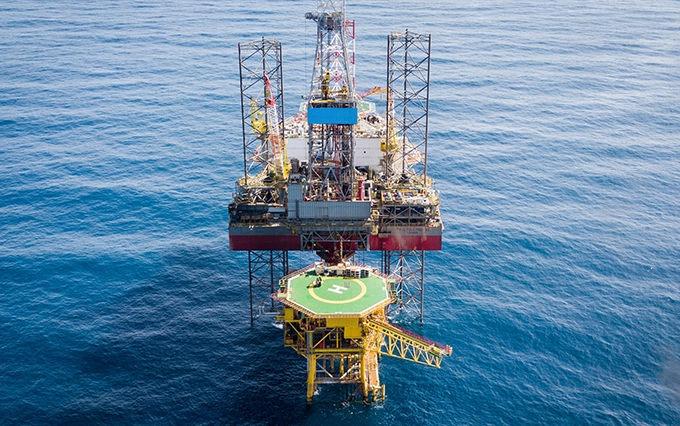
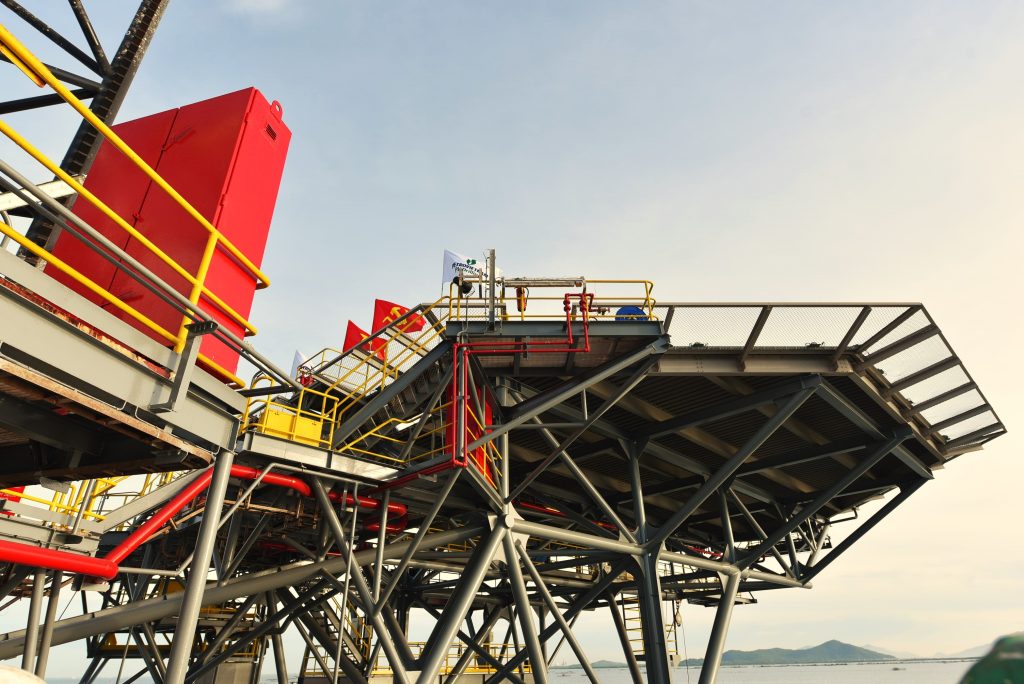
Ngày 21/5/2025, giàn khai thác dầu khí tại mỏ Sông Đốc – một trong những mỏ ngoài khơi phía Tây Nam Việt Nam – bất ngờ bốc cháy trong quá trình thu dọn mỏ. Theo thông tin chính thức, đám cháy được kiểm soát sau khoảng 30 phút nhờ sự phối hợp giữa đội vận hành trên giàn và lực lượng hỗ trợ từ bờ. Không có thiệt hại về người, nhưng nguy cơ cháy lan, nổ khí và ô nhiễm môi trường là hoàn toàn hiện hữu.

Dù đây là sự cố đã được khống chế, nhưng nó đặt ra câu hỏi lớn: Điều gì sẽ xảy ra nếu thời gian phản ứng chậm hơn? Nếu người chỉ huy mất bình tĩnh? Nếu không có phương án tổ chức ứng cứu?

Khi một sự cố khẩn cấp xảy ra: Những gì đang đặt lên vai người quản lý

Trong một tình huống khẩn cấp nghiêm trọng (Major Emergency), người đứng đầu giàn – thường là OIM (Offshore Installation Manager) – phải đối mặt đồng thời với:

  • Mất kiểm soát tình hình: cháy lan, sập kết cấu, rò rỉ khí H₂S hoặc condensate.
  • Áp lực ra quyết định nhanh: sơ tán hay kiểm soát? Dừng thiết bị nào trước? Gọi hỗ trợ từ bờ như thế nào?
  • Gián đoạn liên lạc: nhiễu radio, mất tín hiệu vệ tinh, không đồng bộ thông tin.
  • Tâm lý hoảng loạn: không chỉ ở nhân viên, mà chính bản thân người chỉ huy nếu không được đào tạo bài bản.
  • Trách nhiệm pháp lý và truyền thông: truyền thông, pháp luật, giám sát chính phủ có thể tham gia ngay lập tức.

Những tình huống này không thể giải quyết bằng kinh nghiệm “thực địa” đơn thuần. Chúng yêu cầu một hệ thống năng lực chuyên sâu về quản lý khủng hoảng, phối hợp đa ngành và đặc biệt là khả năng duy trì trạng thái “lãnh đạo hiệu quả” trong điều kiện hỗn loạn.
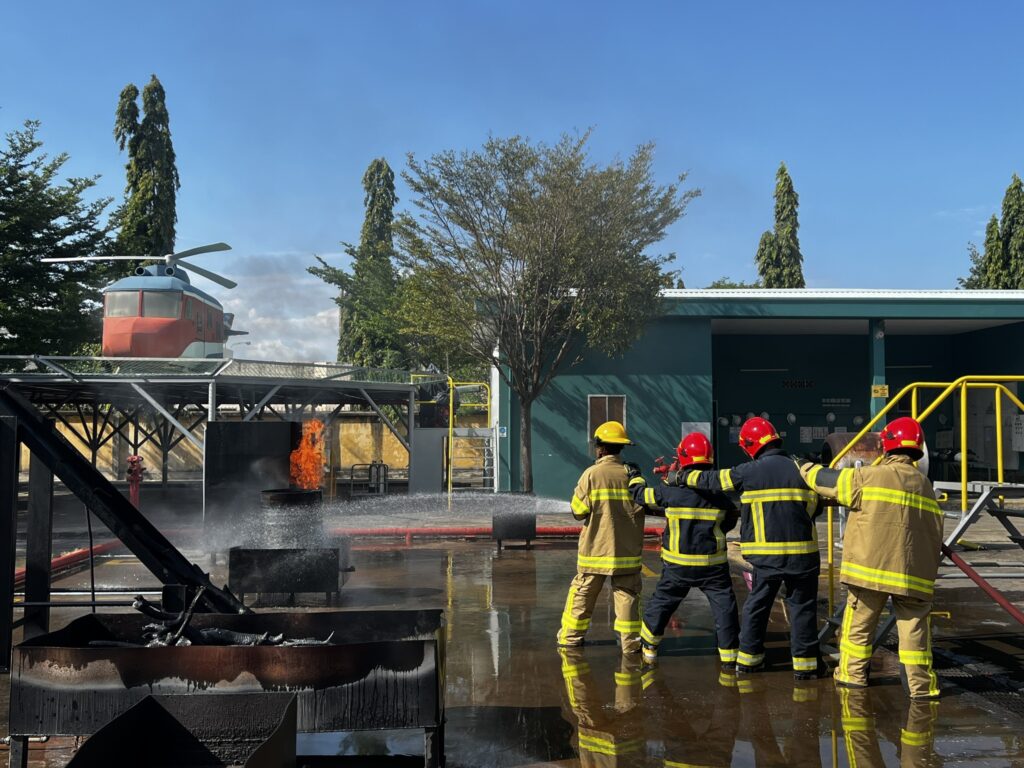
Fire 1

OPITO MEM – Khóa học bắt buộc cho người giữ vai trò chỉ huy trong tình huống khẩn cấp

Tên đầy đủ: OPITO Major Emergency Management (MEM)

Đối tượng:

  • OIM, Deputy OIM
  • Control Room Operators
  • HSE/ER Team Leaders
  • Bờ quản lý giàn, nhân sự logistics hỗ trợ ứng phó

Tại sao khóa học này bắt buộc?

Khóa học MEM không đơn thuần là cung cấp kiến thức lý thuyết. Nó là một mô hình huấn luyện hành vi ứng phó khủng hoảng, thông qua các tình huống mô phỏng thực tế, giúp người học:

  1. Nhận diện một tình huống có thể trở thành khẩn cấp lớn
    → Phân biệt được các cấp độ rủi ro và kích hoạt hệ thống ứng cứu phù hợp.
  2. Ra quyết định trong điều kiện thông tin không đầy đủ
    → Ưu tiên sinh mạng con người, duy trì kiểm soát giàn, hạn chế thiệt hại tài sản.
  3. Lãnh đạo đội ứng cứu, duy trì giao tiếp và tinh thần đội ngũ
    → Giữ bình tĩnh, phân công hiệu quả, chỉ huy bằng giọng nói đúng cách.
  4. Phối hợp đa kênh với bờ, trực thăng cứu hộ, tàu cứu nạn
    → Đảm bảo liên lạc hai chiều giữa giàn – bờ – điều phối viên.
  5. Tạo lập báo cáo sau sự cố, rút kinh nghiệm và xử lý pháp lý ban đầu
    → Cấu trúc thông tin, lưu vết lệnh, giao tiếp với nhà điều hành và truyền thông.

Phương pháp giảng dạy:

  • Vai trò đóng kịch theo kịch bản (role-play command centre)
  • Phân tích hành vi lãnh đạo
  • Đánh giá năng lực thật sự qua quyết định

Học gì từ sự cố Sông Đốc?

Mỏ Sông Đốc là một khu vực tương đối ổn định, đang trong giai đoạn kết thúc khai thác – điều đó càng làm sự cố cháy trở nên bất ngờ và cảnh tỉnh. Trong nhiều trường hợp, khủng hoảng đến từ:

  • Một thiết bị nhỏ rò rỉ khí
  • Một công đoạn tháo dỡ thiếu giám sát
  • Một nhân sự thiếu kỹ năng xử lý khẩn cấp
  • Một người quản lý chưa có nhiều kinh nghiệm trải qua mô phỏng tình huống khủng hoảng nghiêm trọng

Không ai muốn ứng phó với khẩn cấp khi đang học cách ứng phó. Hãy chuẩn bị trước.
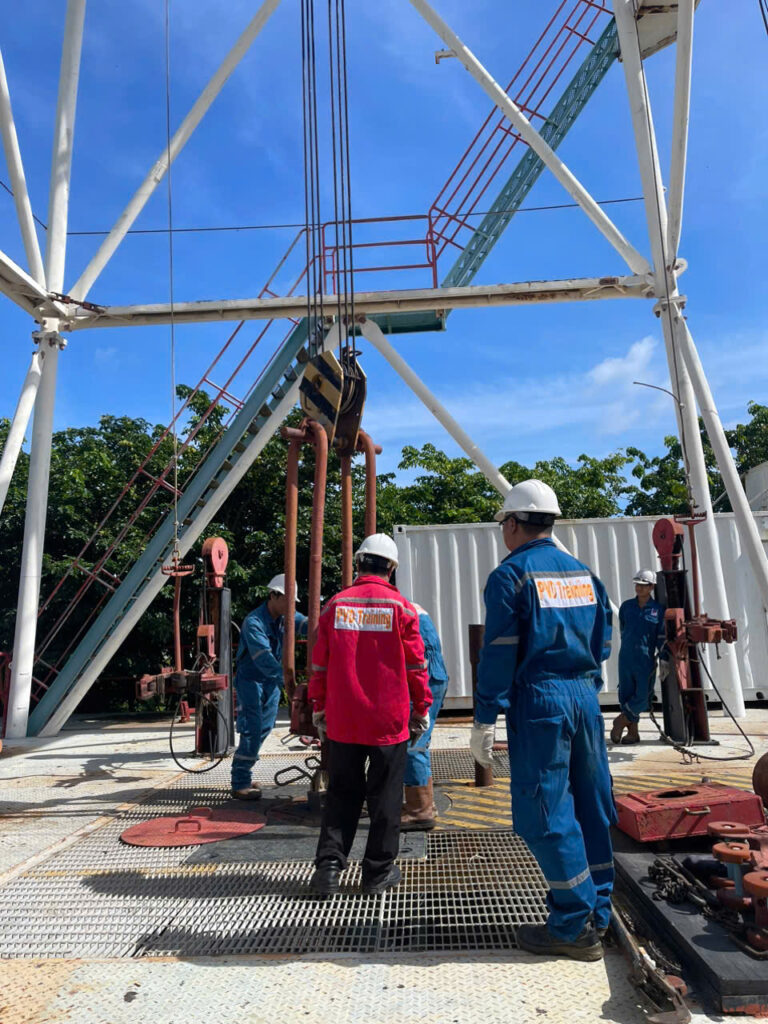
Drilling

Yêu cầu về năng lực và hành vi của người quản lý khẩn cấp

Theo các hướng dẫn quốc tế từ OPITO, HSE UK và API, một người chỉ huy ứng phó khẩn cấp phải hội đủ 4 nhóm năng lực cốt lõi:

  • Situational Awareness – Nhận thức tình huống:
    Nhận diện mối đe dọa trong thời gian ngắn, hiểu rõ phạm vi ảnh hưởng và xác định đúng mức độ rủi ro.
  • Decision-Making Under Pressure – Ra quyết định áp lực cao:
    Quyết định dứt khoát, không ngập ngừng, dựa trên nguyên tắc ưu tiên sinh mạng và ổn định hệ thống.
  • Leadership & Communication – Lãnh đạo và giao tiếp:
    Giữ được sự tin tưởng của đội ngũ, sử dụng lệnh rõ ràng, ngôn ngữ phù hợp trong điều kiện khẩn cấp.
  • Stress Management – Quản lý cảm xúc và tâm lý:
    Khả năng kiểm soát bản thân, tránh hành vi cực đoan, và giữ được năng lực suy luận logic trong hỗn loạn.

Những yếu tố này không thể đạt được chỉ qua kinh nghiệm hiện trường – chúng phải được huấn luyện bằng mô phỏng khủng hoảng, phân tích hành vi và phản xạ có điều kiện, như trong chương trình OPITO MEM.

Đăng ký khóa học tại PVD Training

PVD Training là đơn vị cung cấp khóa đào tạo MEM – OPITO tại Việt Nam với:

  • Phòng mô phỏng Control Room hiện đại chuẩn OPITO
  • Đội ngũ giảng viên dày dặn kinh nghiệm trong việc dạy và xử lý các tình huống khẩn cấp.

📧 Email: itc@pvdtraining.com.vn
📞 Hotline: 0254 3625 999
🌐 Website: www.pvdtraining.com.vn

Fire Protection Equipment and System Services

Service Overview

In the oil and gas, heavy industry, and offshore sectors, the risk of fire and explosion is ever-present due to the presence of flammable fuels, high-power electrical systems, and harsh operating conditions. Ensuring that fire protection equipment and systems are always ready for operation is a mandatory requirement to protect people, property, and maintain the continuity of production activities.

PVD Training provides inspection, maintenance, repair, and technical support services for fire protection equipment and systems, serving oil and gas projects, industrial plants, and offshore projects. These services are implemented to ensure that fire protection systems meet technical requirements, safety standards, and current legal regulations throughout their operational lifecycle.

Scope of Services

PVD Training’s Firefighting Equipment & System Services comprehensively cover all items related to firefighting equipment and systems used in industrial and offshore environments.

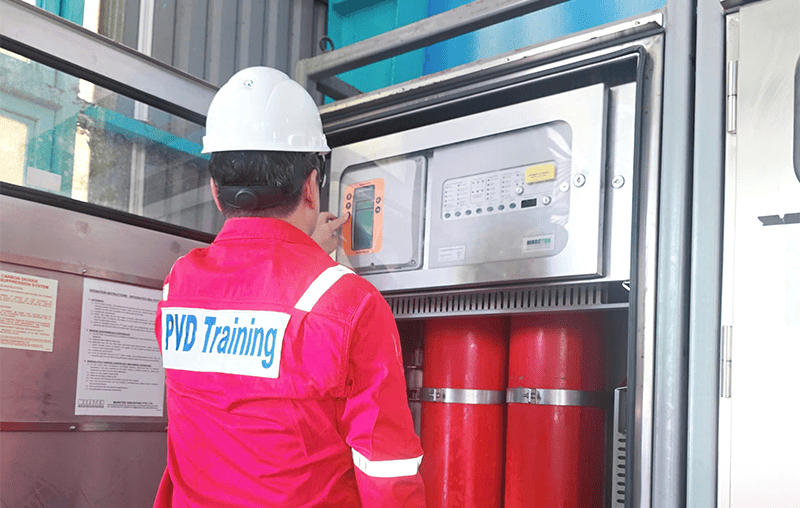
We inspect, maintain, and repair portable and fixed fire extinguishers, including powder extinguishers, CO₂ extinguishers, clean agent extinguishers, and other specialized firefighting equipment. Inspections are conducted to assess the technical condition, operational capability, and safety compliance of each device.

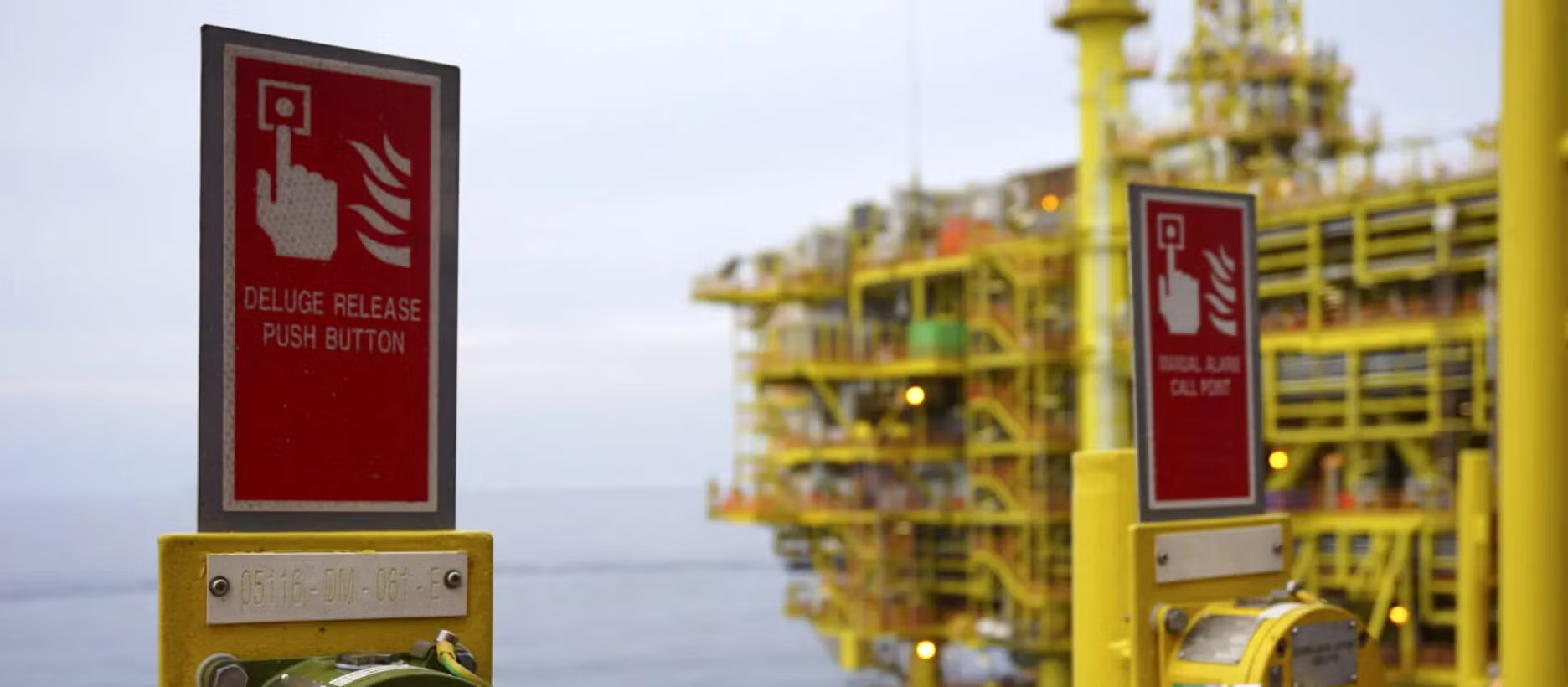
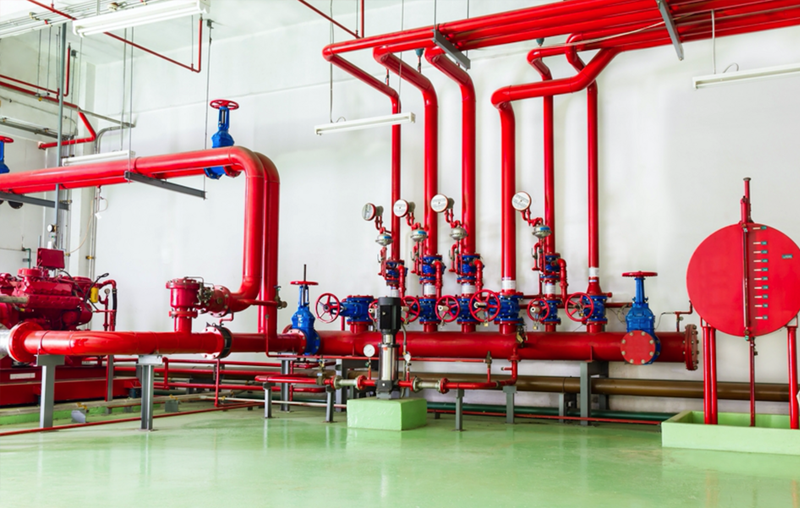
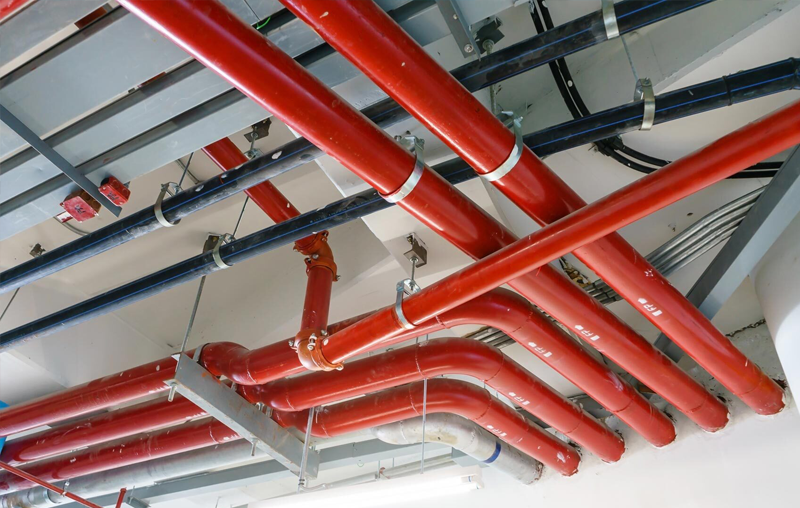
In addition, PVD Training provides maintenance and inspection services for fixed firefighting systems, including water-based firefighting systems, foam (AFFF) systems, gas firefighting systems such as FM200, and equivalent systems. The work includes inspecting the condition of pipes, valves, nozzles, activation devices, and related components to ensure the system can operate effectively in the event of a fire or explosion.

Additionally, the service includes inspection and maintenance of breathing and rescue equipment, such as SCBA and escape aids, to ensure readiness for use in emergency situations.

Service implementation process

PVD Training’s fire protection equipment and system services are implemented according to a strict control process to ensure quality, safety, and compliance.

First, the technical team surveys the current status of the fire protection and firefighting system, assessing the condition of the equipment, the degree of wear and tear, operational capabilities, and any points that do not meet technical requirements or safety regulations. Based on this, we develop a maintenance and repair plan appropriate to the actual conditions of each project.

During implementation, maintenance, repair, and inspection work is carried out in accordance with technical procedures, with safety supervision and quality control. After completion, the system and equipment are re-inspected to confirm their operational status and level of compliance with safety requirements before being handed over to the customer.

Technical standards and safety compliance

Throughout the entire service provision process, PVD Training strictly adheres to occupational safety requirements and technical standards applicable to fire protection systems in the oil and gas and industrial sectors. Inspection and maintenance activities are carried out in accordance with the investor’s internal regulations, industry technical standards, and relevant legal requirements.

Compliance with safety standards and procedures not only ensures the effective operation of fire protection and firefighting systems but also supports customers in safety inspections, assessments, audits, and compliance with relevant parties’ regulations.

Value and benefits

PVD Training’s fire protection equipment and system services provide tangible value in enhancing the overall safety of buildings and workers. Properly inspected and maintained fire protection systems help minimize fire and explosion risks, limiting damage to people and property in the event of an incident.

In addition, regular maintenance and technical control of the system helps customers maintain operational readiness and avoid production interruptions due to safety-related issues. The service also contributes to extending the life of equipment and optimizing long-term operating and maintenance costs.

Application Areas

    • PVD Training’s Firefighting Equipment & System Services are suitable for various types of projects and facilities, including:
    • Oil and gas drilling rigs and offshore projects
    • Industrial plants and manufacturing facilities
    • Warehouses and storage areas for flammable materials
    • Oil and gas service vessels and marine structures

Industrial Valve System Inspection, Assessment, and Maintenance Services

Service Overview

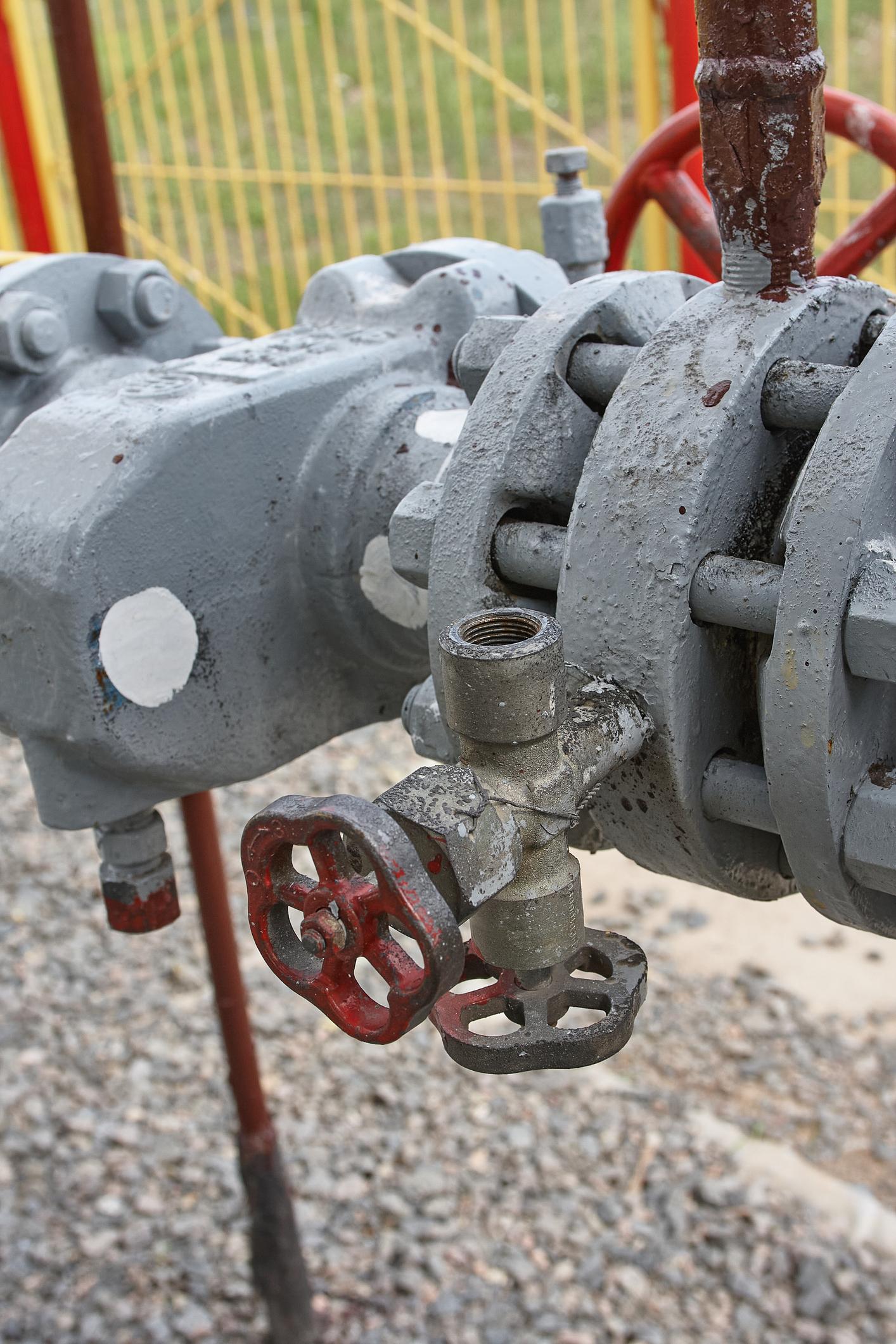
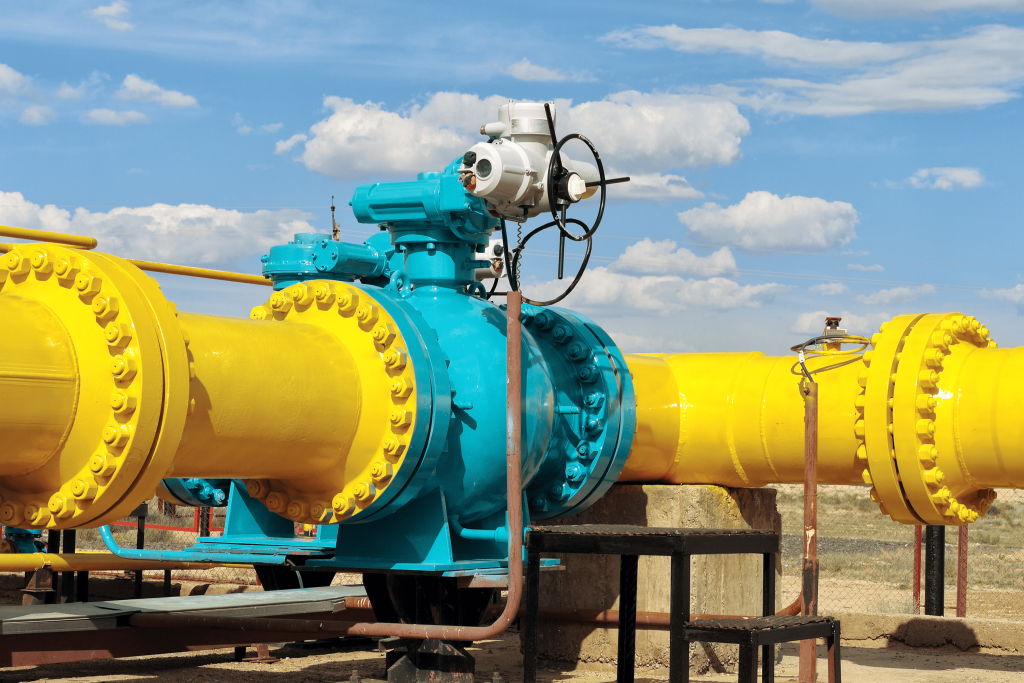
Valves are core components in the technological systems of industrial plants, piping systems, and offshore oil and gas projects. They regulate the flow, pressure, and volume of media such as oil, gas, water, chemicals, and other industrial substances. Due to continuous operation under high loads, high pressures, and harsh environments, valve systems are prone to wear, performance degradation, or failure if not properly maintained.

PVD Training provides valve maintenance services, including equipment inspection, technical condition assessment, and maintenance activities tailored to actual operating conditions. These services help customers maintain equipment performance, minimize unplanned downtime, and extend the lifespan of the entire valve system in plants and offshore facilities.

The role of valve maintenance in industrial operations

In industrial and oil and gas systems, valve-related incidents can have serious consequences such as fluid leaks, loss of pressure control, production line interruptions, and even human safety impacts. Therefore, valve maintenance is not only a routine technical activity but also an important part of asset safety and operation management.

Proper timing and methods of maintenance help:

    • Maintain stable flow and pressure in the system
    • Detect early signs of damage or performance degradation
    • Reduce the risk of technical failures and accidents
    • Limit major repair costs and prolonged downtime

PVD Training’s valve maintenance services play a crucial role in ensuring safe, continuous, and efficient operation for industrial and offshore projects.

Scope of valve maintenance services

PVD Training’s valve maintenance services are implemented flexibly to suit the operational characteristics and technical requirements of each system. The scope of services includes:

    • Comprehensive inspection of valve technical condition
    • Assessment of wear and tear levels and operational performance
    • Scheduled maintenance or maintenance based on actual operating conditions
    • Performing maintenance tasks to restore and maintain equipment performance
    • Technical support during system operation and maintenance

Maintenance activities are performed in accordance with the operating conditions of the equipment, including industrial plant environments and offshore facilities.

Maintenance methods and procedures

PVD Training implements valve maintenance services following strict technical procedures to ensure the quality and reliability of equipment after maintenance.

The process begins with a survey of the system’s current status, collecting information on operating conditions, maintenance history, and technical issues that have arisen. Based on this, the technical team conducts a detailed inspection of each valve, assesses its condition, and determines the items that need maintenance.

After completing the assessment, PVD Training performs appropriate maintenance work to ensure the equipment meets operational requirements. Maintenance results are recorded and reported, serving equipment management and future maintenance planning.

Ensuring system performance and reliability

The goal of valve maintenance services is to ensure that the system always operates stably and meets technical requirements throughout its operating life. Maintaining equipment performance helps the system operate more efficiently, reduces energy losses, and minimizes incidents.

For offshore projects and continuous operation systems, valve reliability is a key factor in ensuring safety and progress. PVD Training’s services help customers proactively control equipment status and maintain stable operating conditions in the long term.

Value and benefits

PVD Training’s valve maintenance services provide customers with many practical benefits in operation and technical maintenance.

Firstly, the service helps minimize downtime, reducing interruptions in production and operation. Additionally, proper maintenance extends the lifespan of the valve system, reduces replacement costs, and optimizes long-term maintenance expenses.

The service also supports customers in technical asset management, enhancing safety and ensuring compliance with technical and safety requirements applicable to offshore plants and structures.

Application areas

PVD Training’s valve maintenance service is suitable for many fields and types of projects, including:

    • Industrial plants and industrial parks
    • Pipeline systems and technological lines
    • Oil and gas projects and offshore drilling rigs
    • Technical operation and maintenance projects

Electrical & Instrumentation Services

Service Overview

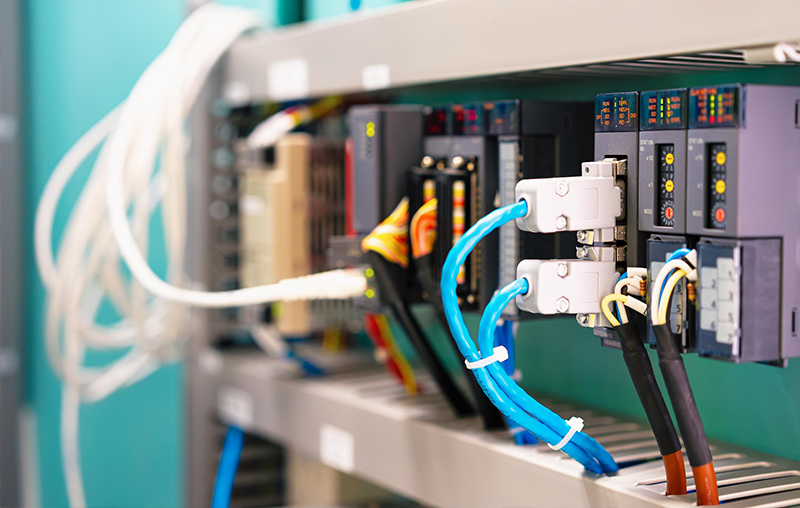
PVD Training provides Electrical & Instrumentation (E&I) services for oil and gas, industrial, and marine projects, meeting the requirements for continuous, safe, and stable operation in harsh working environments. The services are designed to support customers throughout the entire technical system lifecycle, from initial installation, operation, and periodic maintenance to system repair and modification.

With a team of engineers and technicians with practical experience in onshore and offshore projects, PVD Training provides E&I solutions tailored to the specific characteristics of each project, ensuring that electrical and control systems meet technical, safety, and environmental requirements.

Scope of Services

E&I services include installation, inspection, connection, and maintenance of low-voltage and medium-voltage electrical systems, electrical cabinets, electrical cables, and measurement and control equipment. In addition, we provide preventive maintenance, repair maintenance, system calibration, and technical support during system commissioning and acceptance testing.

Implementation Process

E&I activities are carried out according to a clear technical process, including site surveys, risk assessments, construction and maintenance planning, work implementation, and inspection and acceptance. All work is supervised to ensure compliance with safety and quality requirements.

Value Delivered

PVD Training’s E&I services help customers maintain stable operating conditions, minimize system failures, optimize energy efficiency, and extend equipment life. This is a critical factor in ensuring long-term occupational safety and production efficiency.