
Why Occupational Safety Training Is More Than Compliance
In industrial operations, safety is often treated as a function—something assigned to a department, documented in procedures, and audited periodically.
But in reality, workplace safety does not exist as a standalone system. It exists through people—how they think, how they act, and how consistently they apply what they know in real conditions.
This is why occupational safety training (ATVSLĐ) is not merely a regulatory requirement. It is the foundation upon which operational reliability is built.
The Structure Behind Safety
Vietnam’s regulatory framework classifies workplace safety training into six groups, each representing a different level of responsibility and exposure to risk. Among these, Groups 1, 4, 5, and 6 form the operational backbone of most organizations.
These groups are not independent. They are interdependent layers within a single system.
- Group 1 defines direction
- Group 4 executes daily operations
- Group 5 safeguards health and response capability
- Group 6 monitors conditions on the ground
When one layer is weak, the entire system becomes vulnerable.
Leadership Without Safety Awareness Is a Structural Risk (Group 1)
Group 1 includes managers and decision-makers—those who shape policies, allocate resources, and define operational priorities.
In many organizations, safety incidents are not caused by frontline mistakes alone. They are often the result of decisions made upstream: unclear procedures, unrealistic timelines, or insufficient investment in risk control.
Without proper training, leadership may underestimate risk or fail to integrate safety into operational planning. When this happens, safety becomes reactive rather than preventive.
Execution Depends on Understanding, Not Instruction (Group 4)
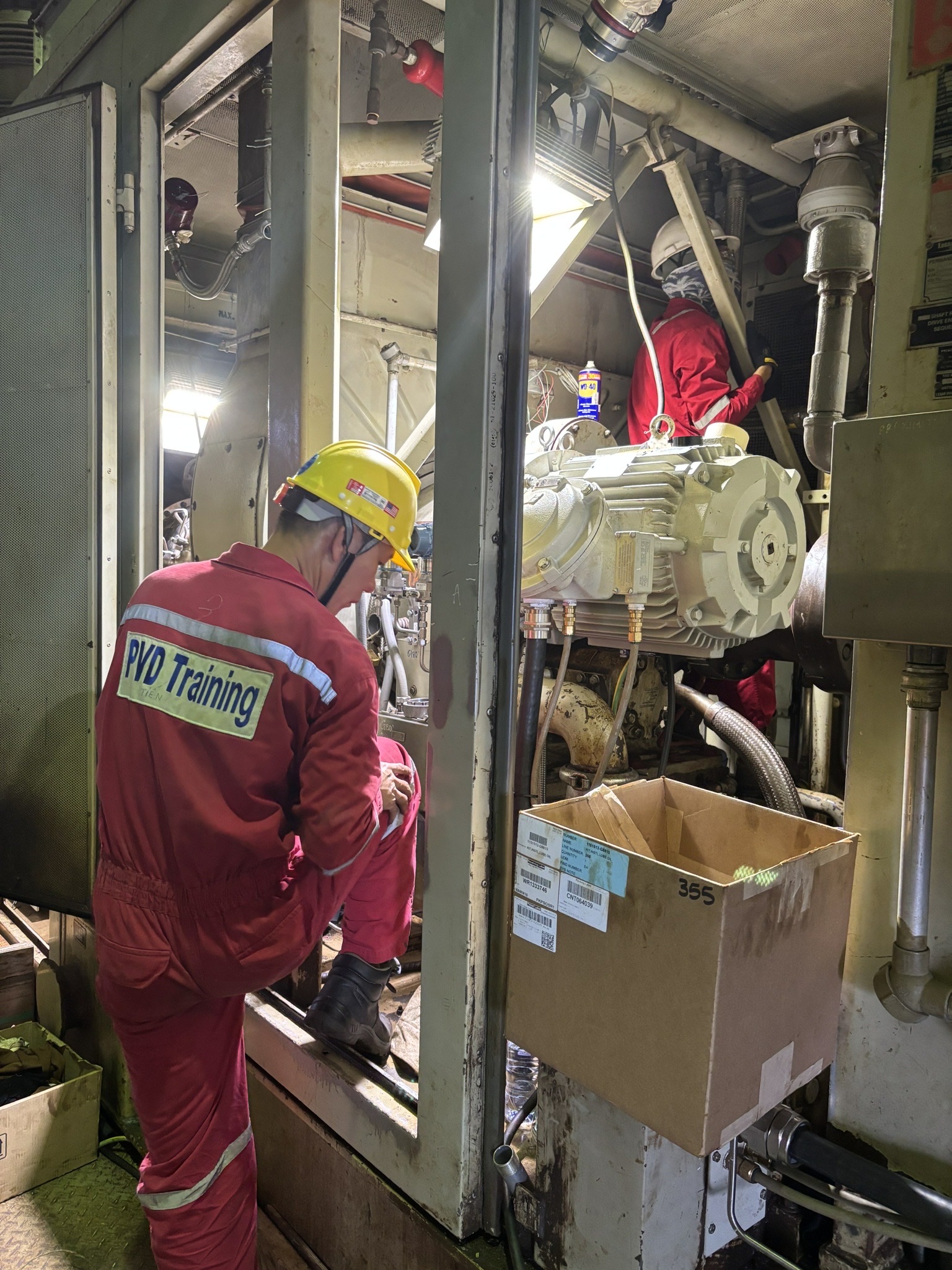
Group 4 represents the largest portion of the workforce—those who carry out daily tasks in factories, construction sites, and industrial facilities.
For this group, safety is not theoretical. It is immediate.
However, simply providing instructions is not enough. Workers must understand:
- Why a hazard exists
- How it can escalate
- What actions prevent it
Without this understanding, compliance becomes superficial. Procedures are followed only when monitored, and risk remains embedded in daily operations.
Response Capability Defines the Outcome of an Incident (Group 5)
Even in well-managed environments, incidents can occur. At that point, the difference between escalation and containment depends on preparedness.
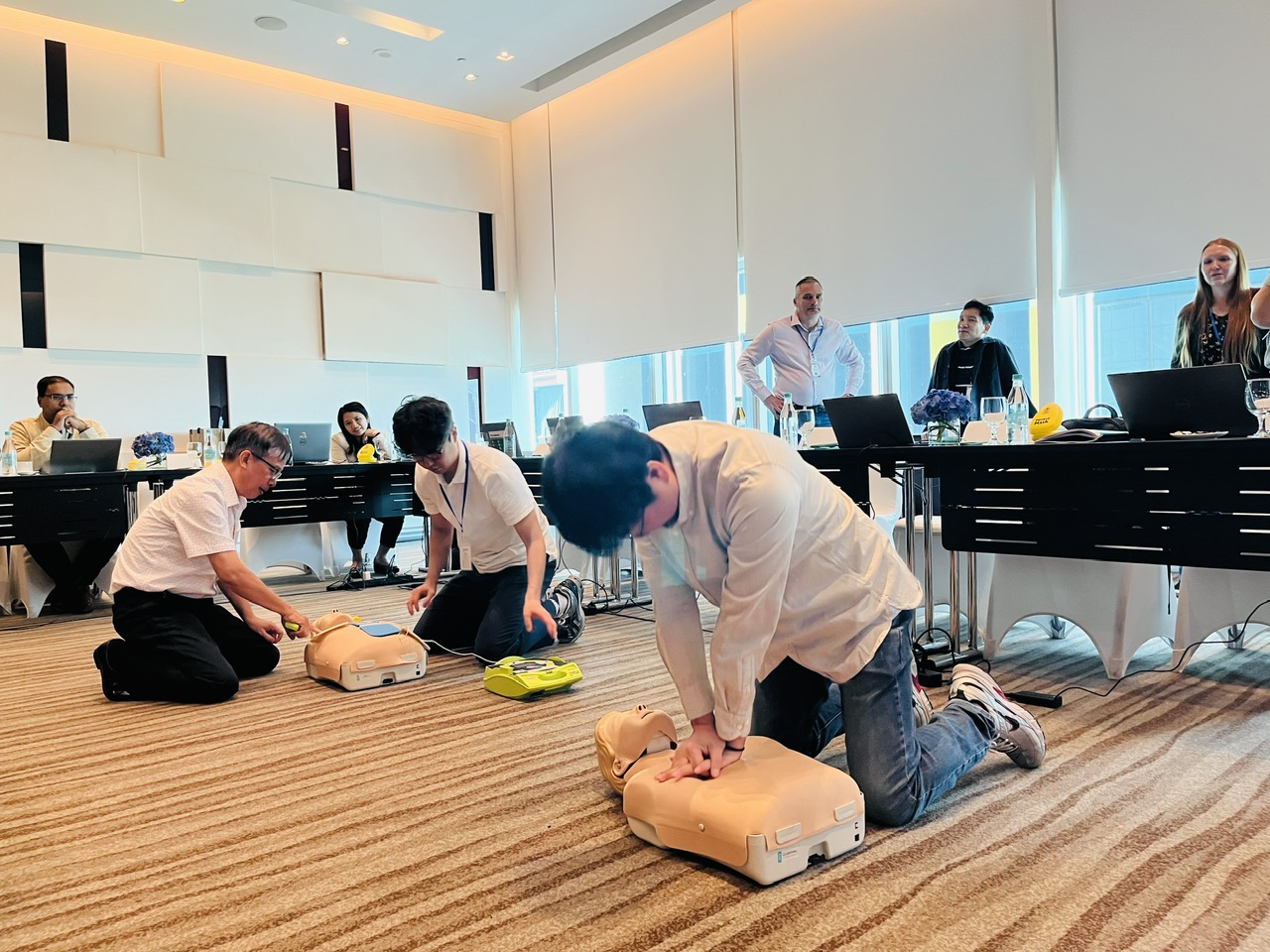
Group 5—workplace medical personnel—plays a critical role in this phase. Their ability to provide immediate response, manage occupational health risks, and coordinate care can significantly reduce the severity of an incident.
This is not a secondary function. It is a core component of the safety system.
Safety Is Maintained Where It Is Observed (Group 6)
Group 6, the safety and hygiene representatives, operates closest to the reality of the workplace.
They are not decision-makers, but they are observers—often the first to notice unsafe conditions, deviations from procedure, or emerging risks.
Their effectiveness depends on training that enables them to:
- Recognize hazards early
- Intervene appropriately
- Communicate risks clearly
In many cases, this layer determines whether a potential issue is corrected—or ignored.
Safety Fails at the Interface Between Groups
A common assumption is that safety failures occur within a specific group—operators, supervisors, or management.
In practice, failures often occur at the interfaces:
- When leadership decisions do not reflect operational realities
- When workers do not fully understand procedures
- When observations are not escalated effectively
- When response systems are not prepared
Safety, therefore, is not the responsibility of a single group. It is the result of how well these groups function together.
From Compliance to System Thinking
Training across Groups 1, 4, 5, and 6 is often approached as a compliance requirement—something to be completed to satisfy regulations.
But when designed and delivered effectively, it becomes something else: a way to align the entire organization around a shared understanding of risk.
It transforms safety from a set of rules into a system of thinking.
Workplace safety is not defined by procedures, but by how consistently those procedures are understood and applied across all levels of an organization.
Without structured training, safety remains fragmented—dependent on individual awareness rather than collective capability.
Recognizing this, PVD Training delivers Occupational Safety and Hygiene Training programs for Groups 1, 4, 5, and 6, designed not only to meet regulatory requirements, but to strengthen the connection between leadership, operations, and on-site safety practices.
Because in industrial environments, safety is not achieved through isolated actions.
It is achieved when every layer of the system understands its role—and performs it consistently.