Course overview
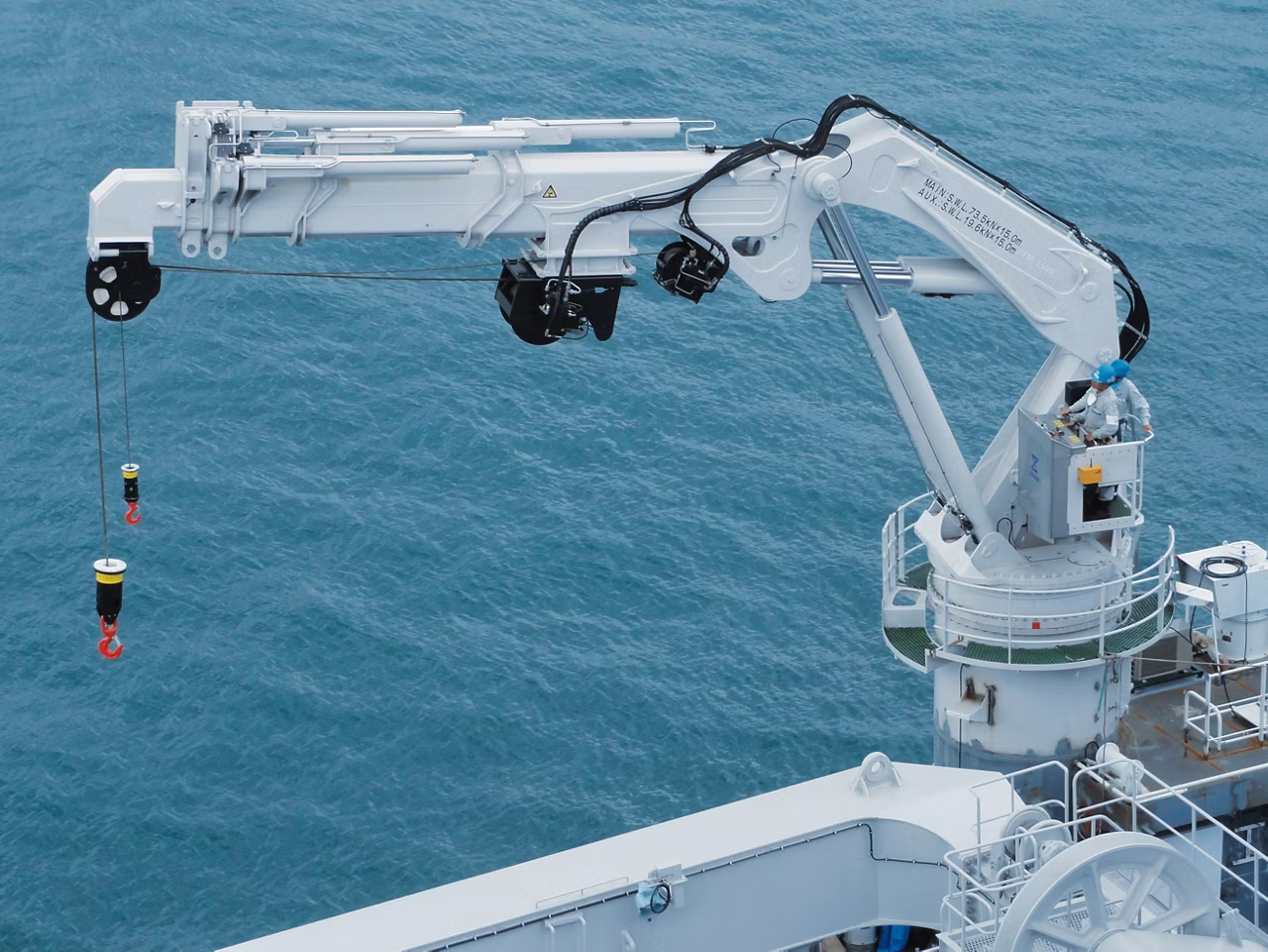
This course equips participants with the knowledge and practical skills required to operate ship cranes safely and effectively during cargo-handling activities. Training covers crane construction, operating principles, load limitations, safety systems, pre-operational inspections, load handling and emergency response.
Classroom instruction and supervised practical exercises will be tailored to the crane used for training, its operating manual, actual electrical and hydraulic diagrams, and the client’s working procedures.
Course information
|
Item |
Details |
|---|
|
Duration |
5 days |
|---|
|
Maximum participants |
12 participants |
|---|
|
Target audience |
Personnel assigned by the client who are involved in ship crane operation and cargo handling. |
|---|
|
Training format |
In-person: classroom instruction and supervised practical training. |
|---|
|
Training language |
Vietnamese |
|---|
Learning objectives
Upon successful completion, participants will be able to:
-
Explain ship crane operating principles and the functions of key mechanical, hydraulic and electrical components.
-
Interpret load charts and determine operating limitations for the applicable crane configuration.
-
Explain the effects of vessel list and trim on safe working load.
-
Carry out pre-operational inspections using the relevant checklist.
-
Demonstrate controlled crane movements and cargo-handling exercises.
-
Coordinate lifting activities with designated signalmen and supporting personnel.
-
Identify operating hazards and demonstrate appropriate responses to simulated emergencies.
-
Park and secure the crane in accordance with the equipment manual and vessel procedures.
Training content
|
Module |
Required content |
|---|
|
1. Crane fundamentals and technical systems | -
Overview of ship crane types and mechanical arrangements; boom, slewing assembly, operator cabin and hook.
-
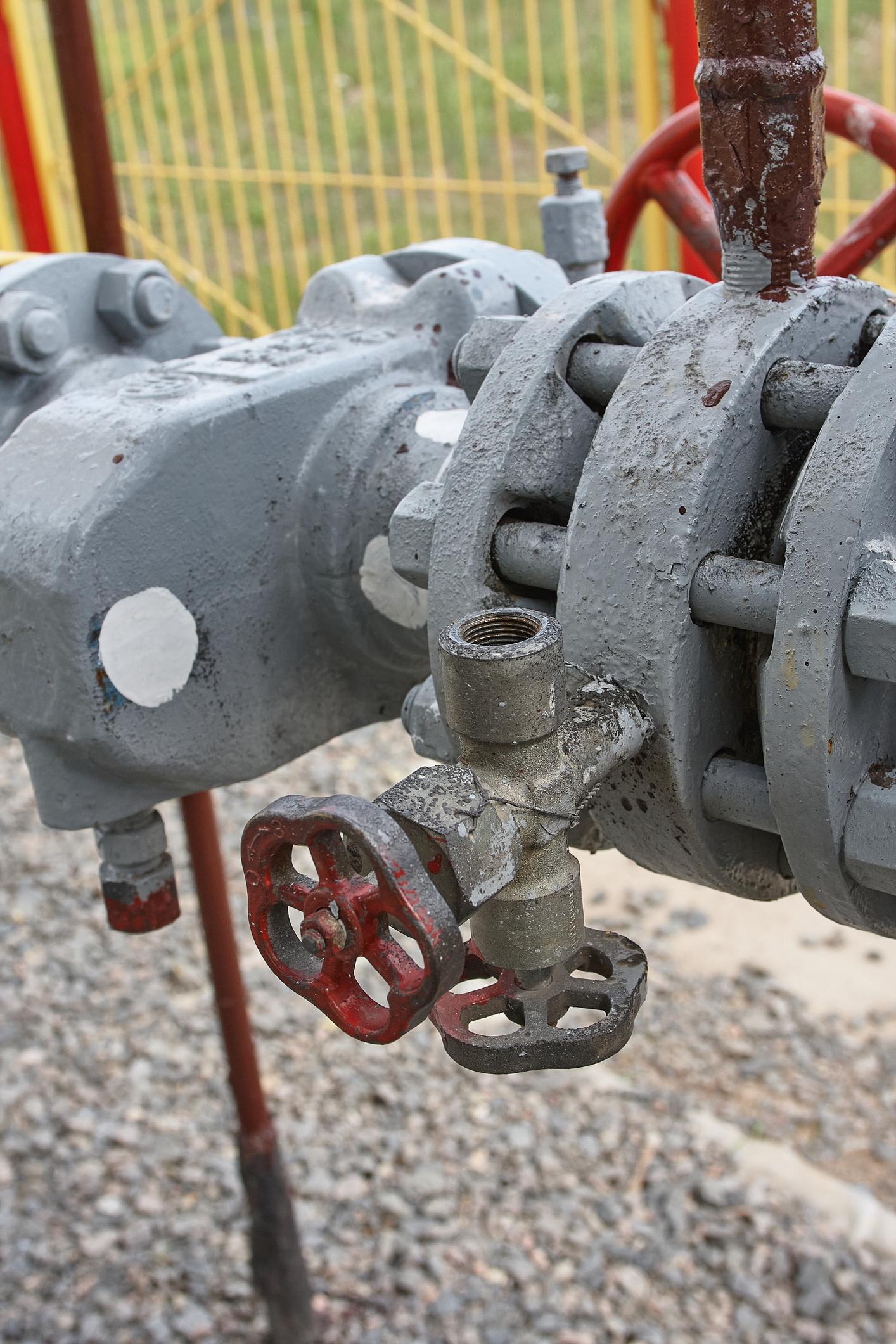
Hoisting drum, wire ropes and sheaves; hydraulic pumps, valves and boom-luffing cylinders.
-
Electrical and hydraulic control systems; hydraulic oil pressure and temperature checks.
-
Automatic braking upon loss of power or pressure; limit switches and protective functions associated with overload and boom movement.
|
|---|
|
2. Safety requirements and load calculations | -
Interpretation of load charts; relationship between boom angle, working radius and safe working load (SWL).
-
Rated capacity/load moment indicators (RCL/LMI), including configuration and display interpretation for the training crane.
-
Effects of vessel list and trim on capacity and operating restrictions.
-
Slinging and load-attachment techniques; standard crane hand signals, addressing the IMCA/OSHA references specified by the client.
|
|---|
|
3. Standard operating procedures | -
Daily and pre-shift inspection checklists; checks for hydraulic leaks, oil levels and slewing assembly lubrication.
-
Start-up and operational checks; joystick control and techniques to minimise load swing.
-
Ship-to-shore and shore-to-ship cargo handling, including awareness of vessel movement and wave effects.
-
Shutdown, boom positioning in its support and sea-fastening arrangements.
|
|---|
|
4. Practical training and emergency response | -
Operator-cabin familiarisation; unloaded hook movement along a zigzag route.
-
Lifting and positioning representative cargo such as containers, crates and palletised loads.
-
Coordination between the operator and signalmen on deck or in cargo holds; hazard identification.
-
Simulated loss of power with a suspended load; manufacturer-specified emergency lowering arrangements, including manual brake release or pressure release where applicable.
-
Recognition of and response to wire-rope cross-winding on the drum.
|
|---|
|
5. Assessment and course completion | -
Multiple-choice theory examination.
-
Individual practical assessment.
-
Review of results and participant feedback.
-
Issue of course completion certificates to participants meeting the agreed requirements.
|
|---|
Course fee
VND 12,290,000
/ participant