
Course Overview
In high-risk working environments such as the oil & gas, energy, maritime, construction, and heavy industrial sectors, on-site first aid responders play a critical role during the “golden hour” before professional medical personnel arrive.
The Advanced First Aid course is designed to equip participants with the advanced knowledge and practical skills required to assess, treat, and manage serious medical emergencies using a structured and systematic approach. The program focuses on developing critical decision-making skills, managing multiple casualties, and coordinating effectively with emergency response teams.
Through classroom instruction, realistic emergency simulations, and intensive hands-on practice, participants will gain the competence and confidence required to perform effectively as an Advanced First Aider in high-risk workplaces.
Course Objectives
Upon successful completion of the course, participants will be able to:
- Approach and assess emergency scenes safely.
- Perform primary and secondary casualty assessments.
- Recognize and manage life-threatening conditions.
- Perform Cardiopulmonary Resuscitation (CPR) and operate an Automated External Defibrillator (AED) correctly.
- Control severe bleeding and manage soft tissue injuries.
- Treat fractures, dislocations, and spinal injuries.
- Manage unconscious casualties, seizures, and common medical emergencies.
- Provide effective care during multiple casualty incidents.
- Coordinate efficiently with emergency response teams and medical personnel.
Target Participants
This course is suitable for:
- Emergency Response Team (ERT) members
- Offshore Medics
- HSE Personnel
- Workplace First Aiders
- Personnel working in the Oil & Gas, Energy, and Maritime industries
- Workers, technicians, and supervisors in high-risk environments
- Individuals seeking to develop advanced first aid competency
Course Content
The program covers the following key topics:
Casualty Assessment & Management
- Principles of Advanced First Aid
- Basic Anatomy and Physiology
- Primary Survey
- Secondary Survey
- Infection Prevention and Control
- Scene Management
- Multiple Casualty Management
Cardiopulmonary Resuscitation
- Adult CPR
- Child CPR
- Automated External Defibrillator (AED)
- Airway Management
- Respiratory Support
- Choking Management
Trauma Management
- Bleeding Control
- Burns
- Soft Tissue Injuries
- Fractures
- Dislocations
- Eye Injuries
- Head Injuries
- Spinal Injuries
- Chest Injuries
- Abdominal Injuries
Medical Emergencies
- Heart Attack
- Stroke
- Seizures
- Shock
- Diabetic Emergencies
- Breathing Difficulties
- Poisoning
- Allergic Reactions
- Insect and Animal Bites
Environmental Emergencies
- Heat Stress and Heat Stroke
- Hypothermia
- Environmental Incidents
- Casualty Lifting, Moving, and Transportation
Advanced Training Modules
In addition to core first aid skills, participants will also receive practical training in:
- Mass Casualty Management
- Oxygen Therapy and Oxygen Cylinder Use
- Bloodborne Pathogens Awareness
- Drug Overdose Recognition and Management
- Fainting Management
- Safe Casualty Lifting, Moving, and Transportation Techniques
Training Methodology
The course combines:
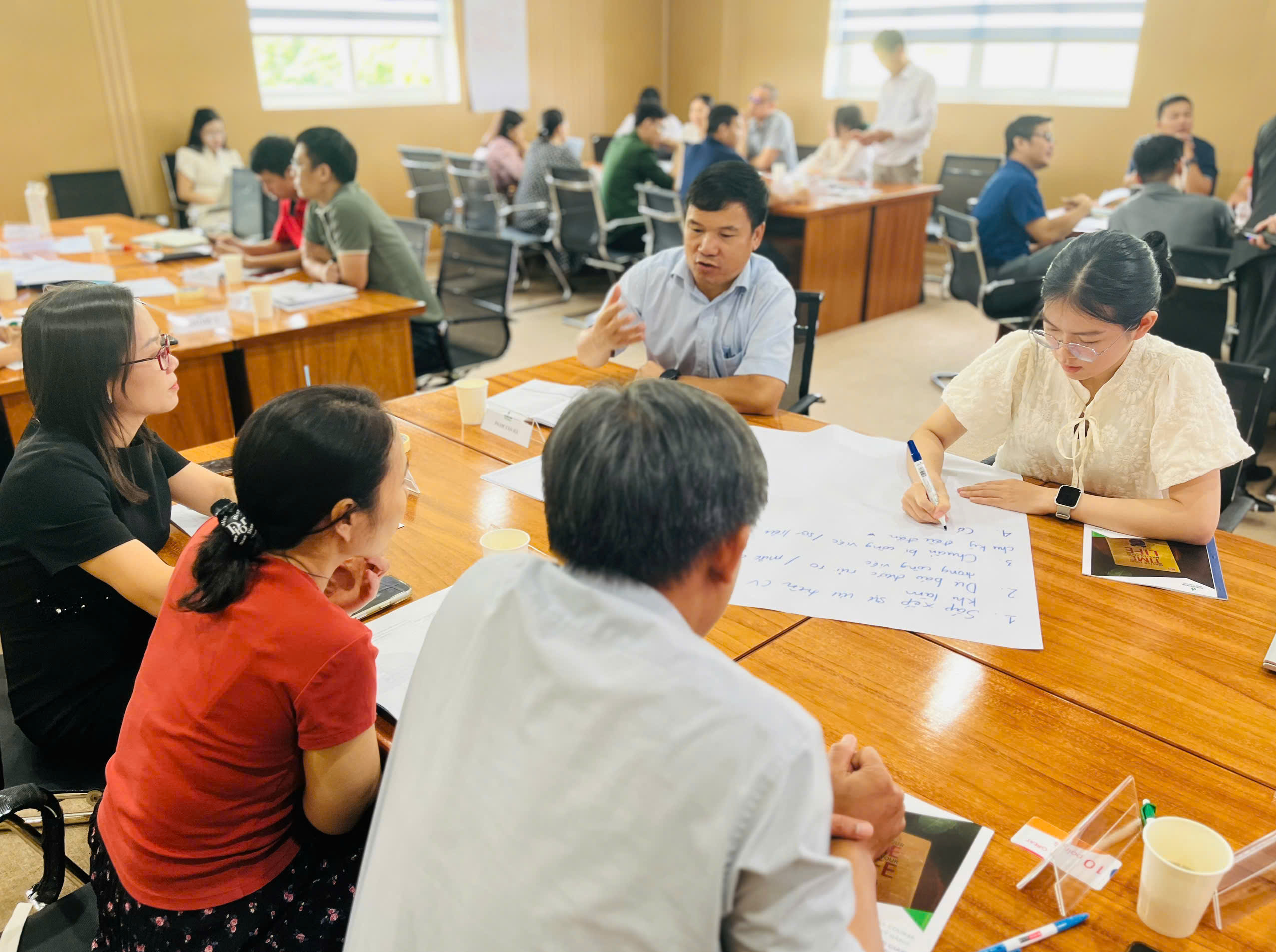
- Classroom instruction
- Case study discussions
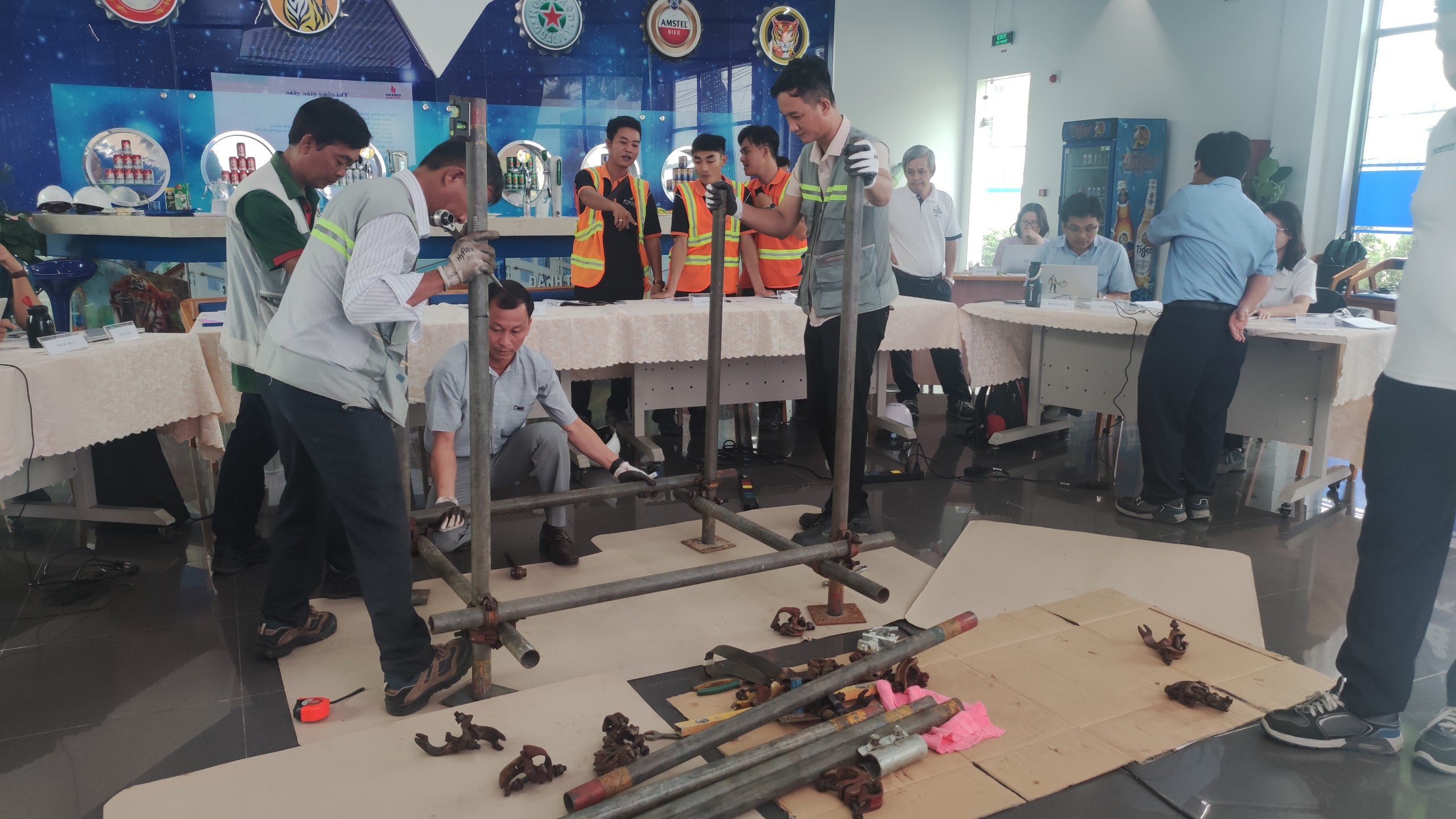
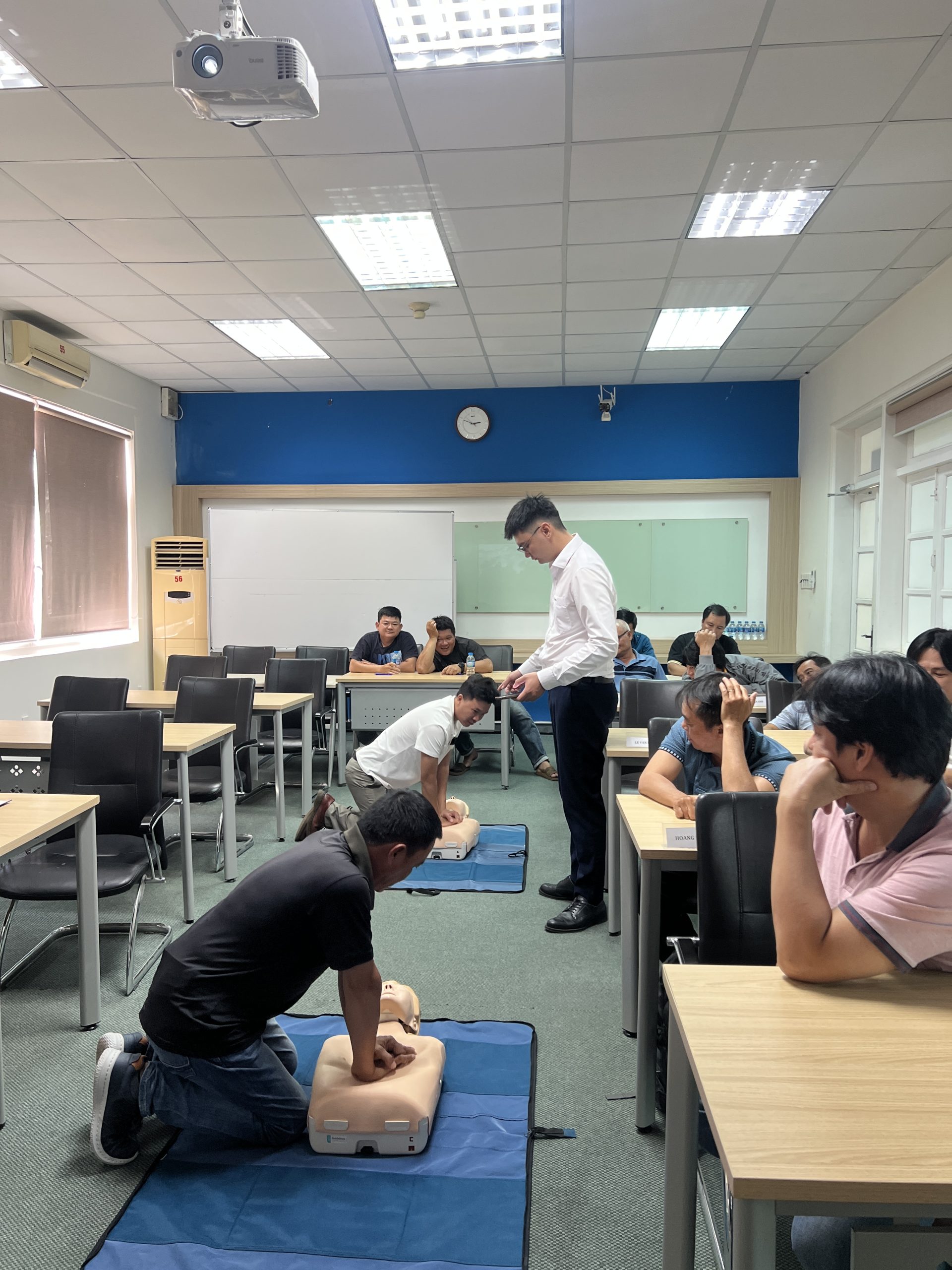
- Hands-on practical exercises using professional training equipment
- Realistic emergency response simulations
- Practical competency assessment
Participants will be guided by highly experienced instructors with extensive backgrounds in first aid and emergency response.
Final Assessment
Participants will complete:
- Knowledge Assessment
- Practical Skills Assessment
- Scenario-Based Emergency Response Exercises
Participants who successfully meet the assessment requirements will receive a Certificate of Completion.
Course Duration
03 Days
Why Choose Advanced First Aid Training at PVD Training?
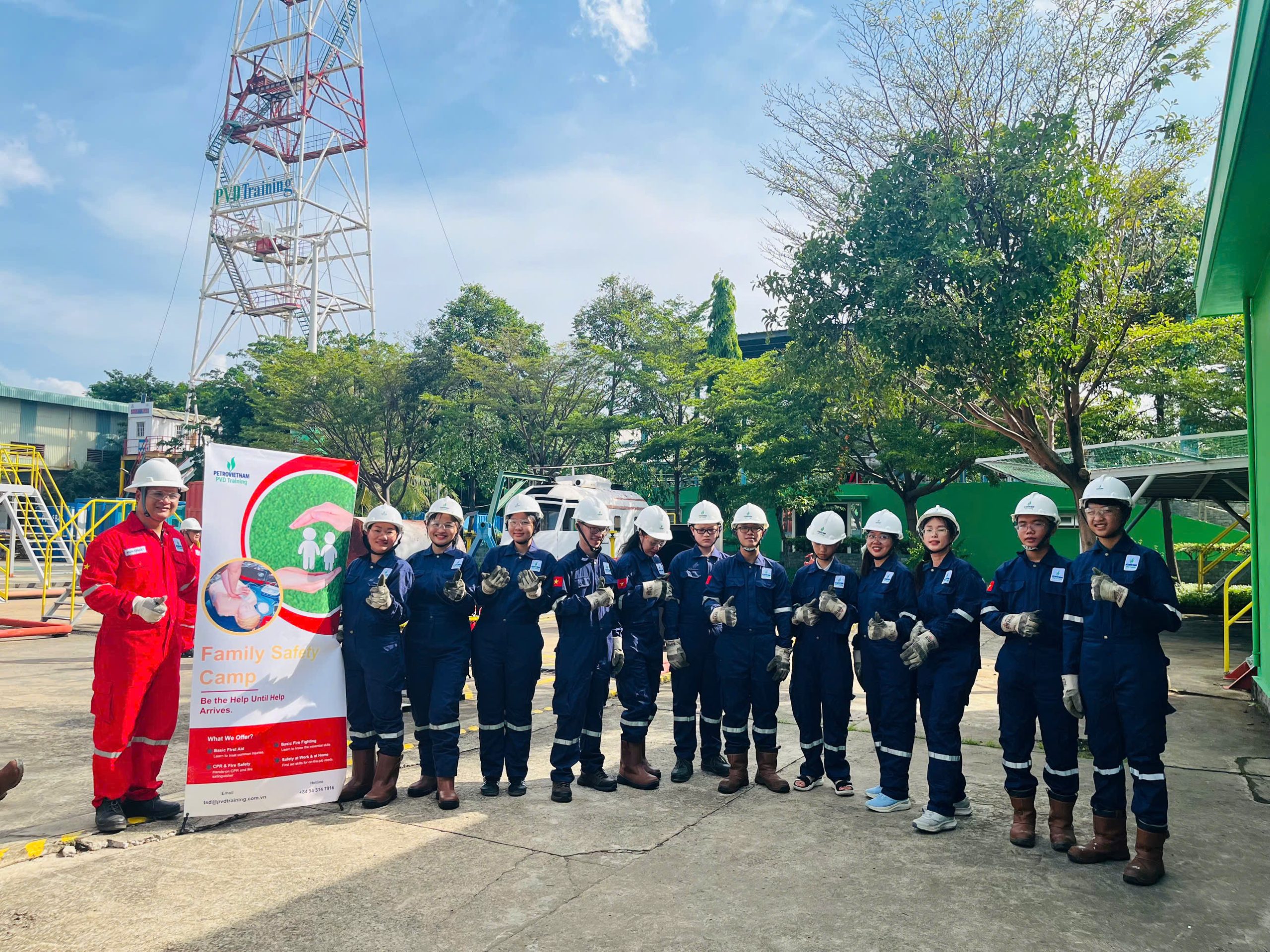
PVD Training offers modern practical training facilities designed to replicate real-life emergency situations encountered in the oil & gas, energy, and industrial sectors. Participants receive hands-on practice using CPR manikins, AED trainers, airway management equipment, trauma simulation systems, and a wide range of professional first aid equipment.
More than simply teaching advanced first aid techniques, this course develops participants’ ability to assess emergency situations, make critical decisions under pressure, and coordinate effectively during emergency response operations—helping to minimize injuries, improve survival outcomes, and enhance workplace safety.