
When Lifting Fails: Why Inspection, Not Equipment, Is Often the Weakest Link
In industrial operations, lifting is routine. Every day, across construction sites, fabrication yards, and offshore platforms, loads weighing several tons are moved with precision and speed. The process is often viewed as mechanical and predictable—equipment is selected, rigged, and operated according to plan.
Yet when failures occur, they rarely stem from a lack of lifting capability. More often, they trace back to a quieter, less visible factor: the condition of the equipment itself, and whether it has been properly inspected before use.
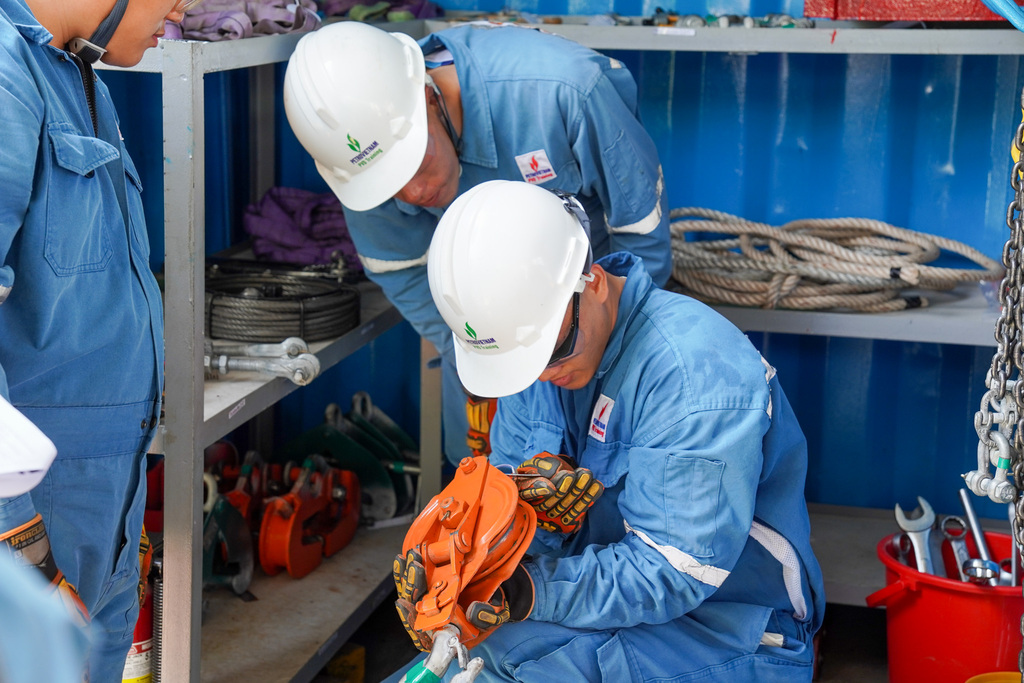
The Hidden Nature of Risk
Lifting equipment is designed with defined limits—working load limits, safety factors, and service life expectations. In theory, these parameters provide a clear boundary between safe and unsafe use.
In practice, however, risk accumulates gradually and often goes unnoticed.
Wire ropes develop internal fatigue long before visible damage appears. Synthetic slings lose strength through abrasion or chemical exposure. Shackles and hooks may deform under repeated loading cycles. These are not sudden failures; they are progressive degradations.
Without systematic inspection, such degradation remains invisible—until the moment it becomes critical.
Experience Is Not a Substitute for Standards
In many operations, inspection decisions are still influenced by experience and judgment developed over time. While experience is valuable, it is not always sufficient.
Modern lifting safety is governed by structured frameworks—such as regulatory requirements and international standards—that define:
- Inspection intervals
- Acceptance and rejection criteria
- Documentation and traceability
These frameworks exist precisely because human perception alone cannot reliably detect all forms of damage or predict failure thresholds.
The gap between “what looks acceptable” and “what meets standard” is often where incidents originate.
Onshore or Offshore, the Principle Remains the Same
The operating environment may vary—onshore construction sites, industrial plants, or offshore installations—but the underlying principle does not.
Every lifting operation depends on a simple but critical assumption:
that the equipment in use is fit for purpose at that moment.
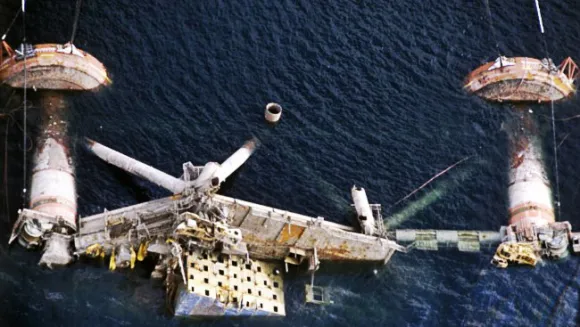
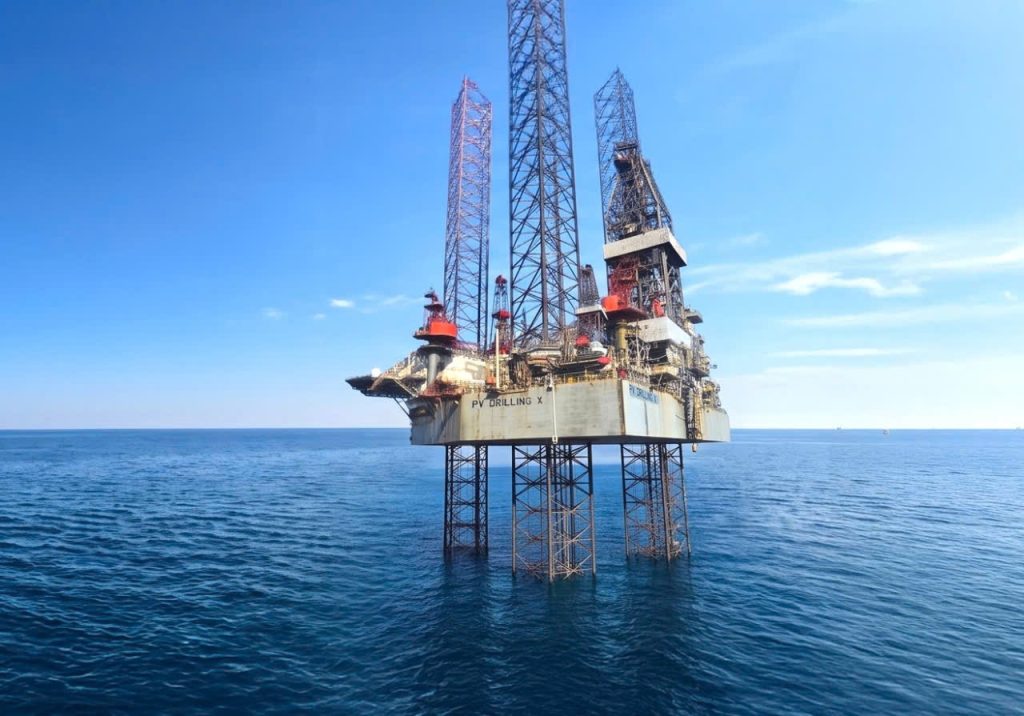
In offshore environments, where conditions are harsher and emergency response is limited, the consequences of failure are magnified. A dropped load is not only a mechanical incident; it can escalate into a broader safety event involving personnel, structures, and ongoing operations.
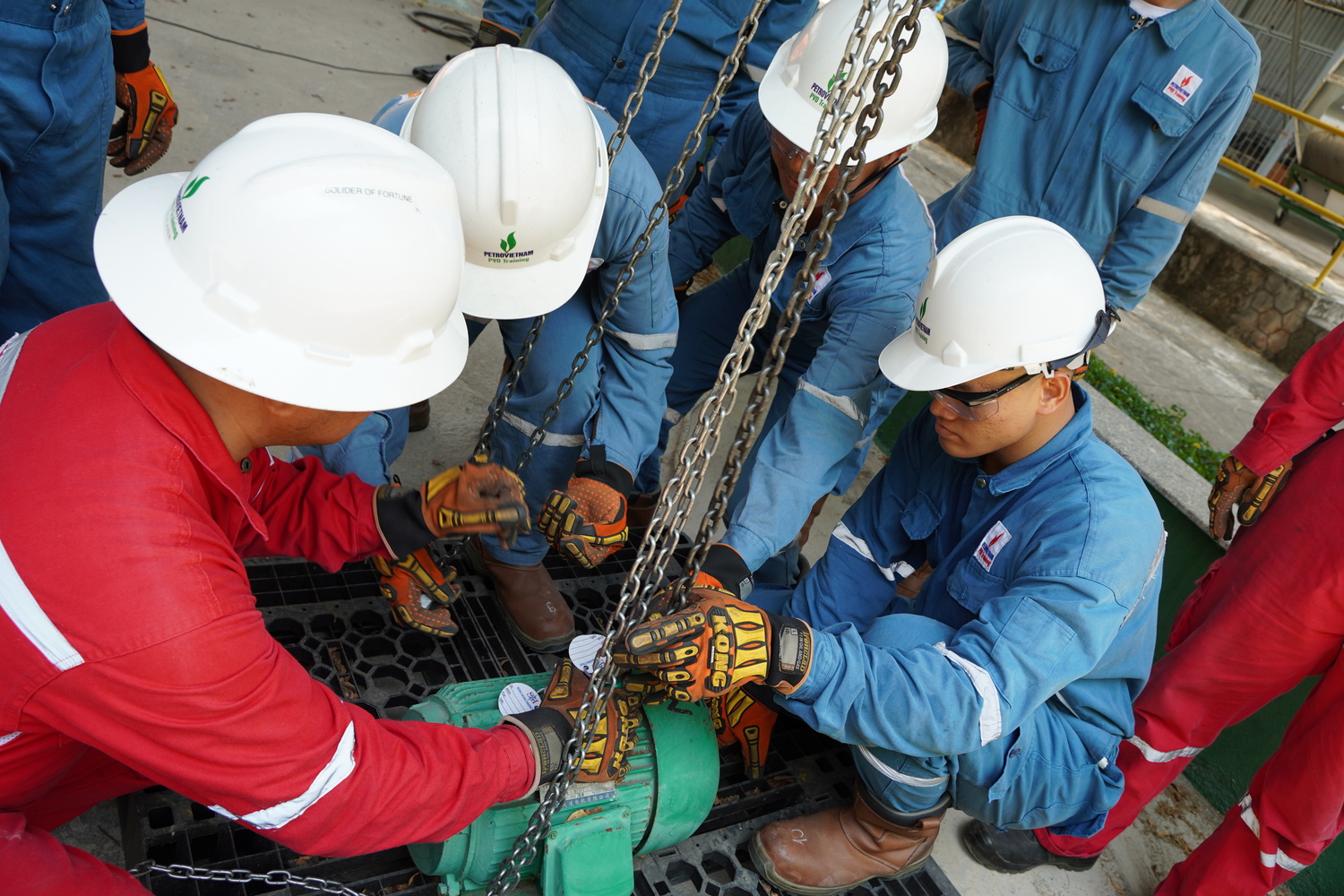
Inspection as a Control Measure, Not a Formality
Inspection is often treated as a procedural requirement—something to be completed, recorded, and filed. This perception overlooks its true function.
Effective inspection is a control measure, designed to interrupt the chain of failure before it progresses.
It requires more than a checklist. It demands:
- Understanding of how different materials fail
- Recognition of early-stage damage
- Judgment on whether equipment should remain in service or be removed
This level of competence is not incidental; it must be developed through structured training and exposure to real equipment conditions.
From Compliance to Competence
The distinction between compliance and competence is central to lifting safety. Compliance ensures that procedures are followed. Competence ensures that decisions made within those procedures are correct. Training in lifting gear inspection addresses this distinction by shifting the focus from “what to do” to “how to evaluate.” Participants are exposed to real examples of worn, damaged, and failed equipment, enabling them to understand not only the standards, but the reasoning behind them.
This transition—from procedural awareness to technical judgment—is what ultimately strengthens operational safety.
An Insight: Failures Are Rarely Sudden
One of the most persistent misconceptions in lifting operations is that failures occur unexpectedly. In reality, most equipment failures follow a predictable path. They begin with minor defects, progress through unnoticed wear, and culminate in overload or rupture under normal working conditions. The failure itself may appear sudden, but the underlying causes have often been present for some time.
In this sense, inspection is not about reacting to risk—it is about recognizing the early signals of failure and acting before they escalate.
Conclusion
In lifting operations, attention is often directed toward capacity, efficiency, and execution. These are the visible aspects of the process. Inspection, by contrast, operates quietly in the background. Yet it is precisely this “invisible layer” that determines whether the entire operation proceeds safely.
The integrity of lifting equipment cannot be assumed. It must be verified—consistently, systematically, and with the right level of technical judgment. And that level of judgment does not develop by chance; it is built through structured learning, exposure to real equipment conditions, and a clear understanding of standards.
Recognizing this need, PVD Training has developed the Lifting Gear Inspection program to bridge the gap between procedural compliance and practical competence. The course focuses not only on what should be checked, but on how to interpret what is found—equipping personnel with the ability to make informed, safety-critical decisions in real working environments. In an industry where failures rarely begin at the moment of lifting, but long before it, the ability to identify early signs of risk is not just a skill. It is a responsibility.
And it is precisely this responsibility that proper training is designed to support.
- PV DRILLING LEADERSHIP VISITS AND EXTENDS LUNAR NEW YEAR GREETINGS TO PVD TRAINING
- Hiểu đúng về khí H2S – “Kẻ giết người thầm lặng” trong một số ngành công nghiệp
- Congratulations to PVD Training’s learner who completed Banksman & Slinger course on 24th June 2022
- PVD Training tích cực hưởng ứng các hoạt động tháng công nhân và tháng hành động về ATVSLĐ năm 2024
- Feedback GWO 07-2024