
COURSE OVERVIEW
In the Oil & Gas and energy industries, metal corrosion remains one of the leading causes of equipment degradation, system leakage, operational safety risks, and increasing maintenance costs. From pipelines, storage tanks, and process systems to offshore structures, corrosion is a constant challenge that directly impacts operational efficiency and asset integrity.
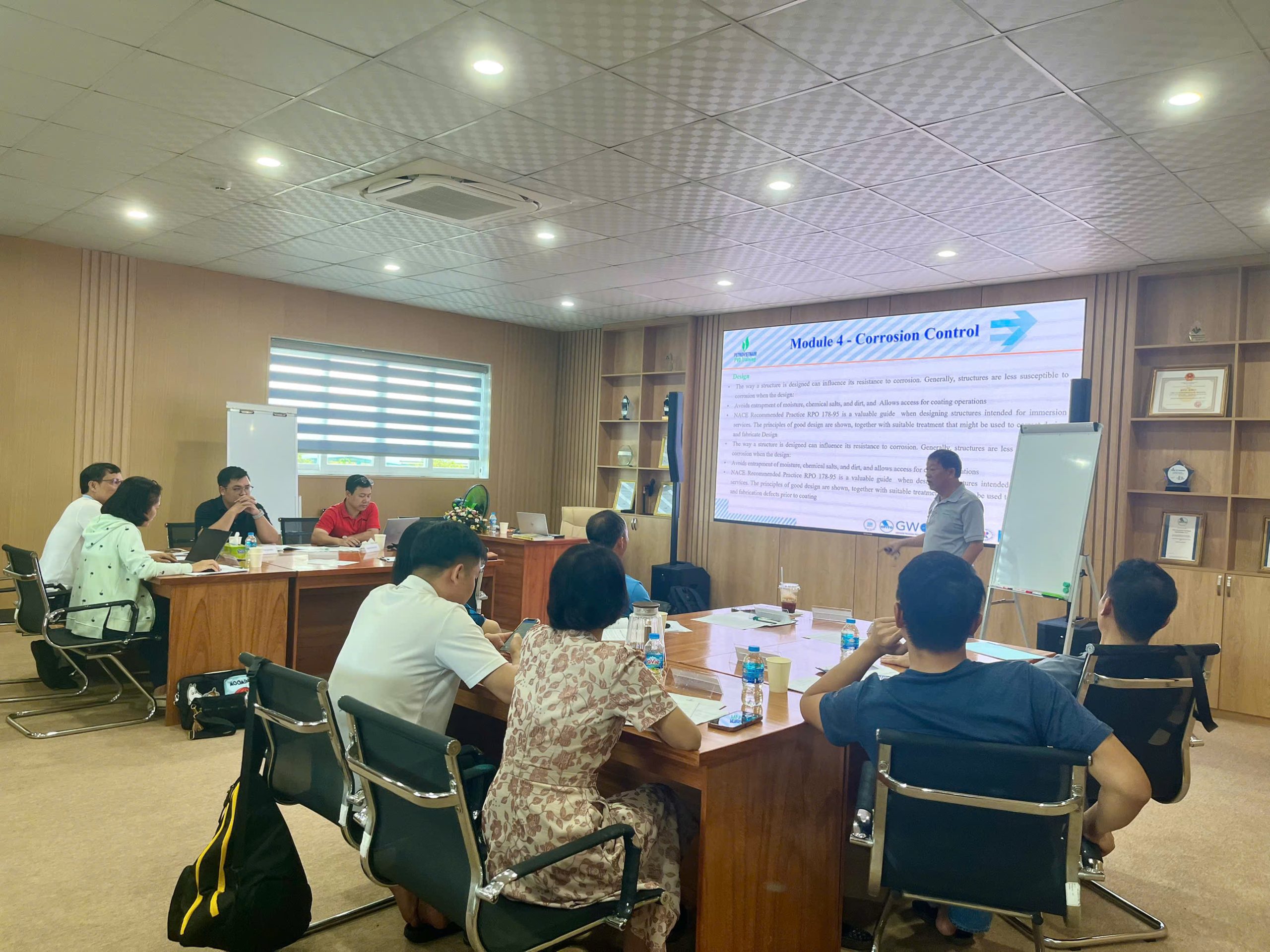
The Corrosion Management in Oil & Gas course is designed to provide participants with both fundamental and advanced knowledge of corrosion mechanisms, common corrosion types in the oil & gas industry, as well as practical solutions for corrosion control, monitoring, and protection based on real industrial operations.
This program is particularly suitable for engineers, supervisors, inspectors, operation and maintenance personnel working in oil & gas, industrial plants, energy facilities, and offshore environments.
COURSE OBJECTIVES
Upon completion of the course, participants will be able to:
- Understand the mechanisms of metal corrosion formation and development
- Identify common forms of corrosion in the oil & gas industry
- Evaluate factors affecting corrosion rates
- Understand the impact of corrosion on safety, environment, and operational costs
- Apply suitable corrosion prevention and control methods
- Understand the operating principles of Cathodic Protection systems
- Perform corrosion monitoring, inspection, and condition assessment
- Enhance awareness of Asset Integrity and Corrosion Management in industrial environments
TARGET PARTICIPANTS
This course is suitable for:
- Operation, maintenance, inspection, and integrity engineers
- QA/QC, HSE, and technical services personnel
- Supervisors and technical managers in the oil & gas and industrial sectors
- Personnel working at refineries, petrochemical plants, offshore platforms, FPSO/FSO facilities
- Individuals seeking to improve their knowledge of corrosion control and asset integrity
COURSE CONTENT
Module 1: Basics of Corrosion
- Concepts and principles of metal corrosion
- Electrochemical corrosion mechanisms
- Factors affecting corrosion processes
- Impact of corrosion on industrial equipment and structures
Module 2: Corrosive Environments Overview & Materials
- Corrosion in offshore and process plant environments
- Effects of temperature, pressure, CO₂, H₂S, and humidity
- Selection of corrosion-resistant materials
- Properties and applications of industrial materials
Module 3: Different Forms of Corrosion
- Uniform Corrosion
- Galvanic Corrosion
- Pitting Corrosion
- Crevice Corrosion
- Stress Corrosion Cracking (SCC)
- Erosion Corrosion
- Microbiologically Influenced Corrosion (MIC)
Module 4: Corrosion Control Mechanism
- Corrosion Inhibitors
- Protective Coatings and Coating Systems
- Environmental Control Methods
- Corrosion-Resistant Design Principles
- Corrosion Management Strategies
Module 5: Cathodic and Anodic Protection
- Principles of Cathodic Protection
- Sacrificial Anode and Impressed Current Systems
- Design and Monitoring of CP Systems
- Anodic Protection in Industrial Environments
- Practical Applications in Pipelines and Offshore Structures
Module 6: Inspection, Monitoring & Testing
- Corrosion Monitoring Techniques
- NDT Methods for Corrosion Inspection
- Thickness Measurement and Corrosion Mapping
- Inspection Planning and Reporting
- Data Analysis and Equipment Condition Assessment
TRAINING METHODOLOGY
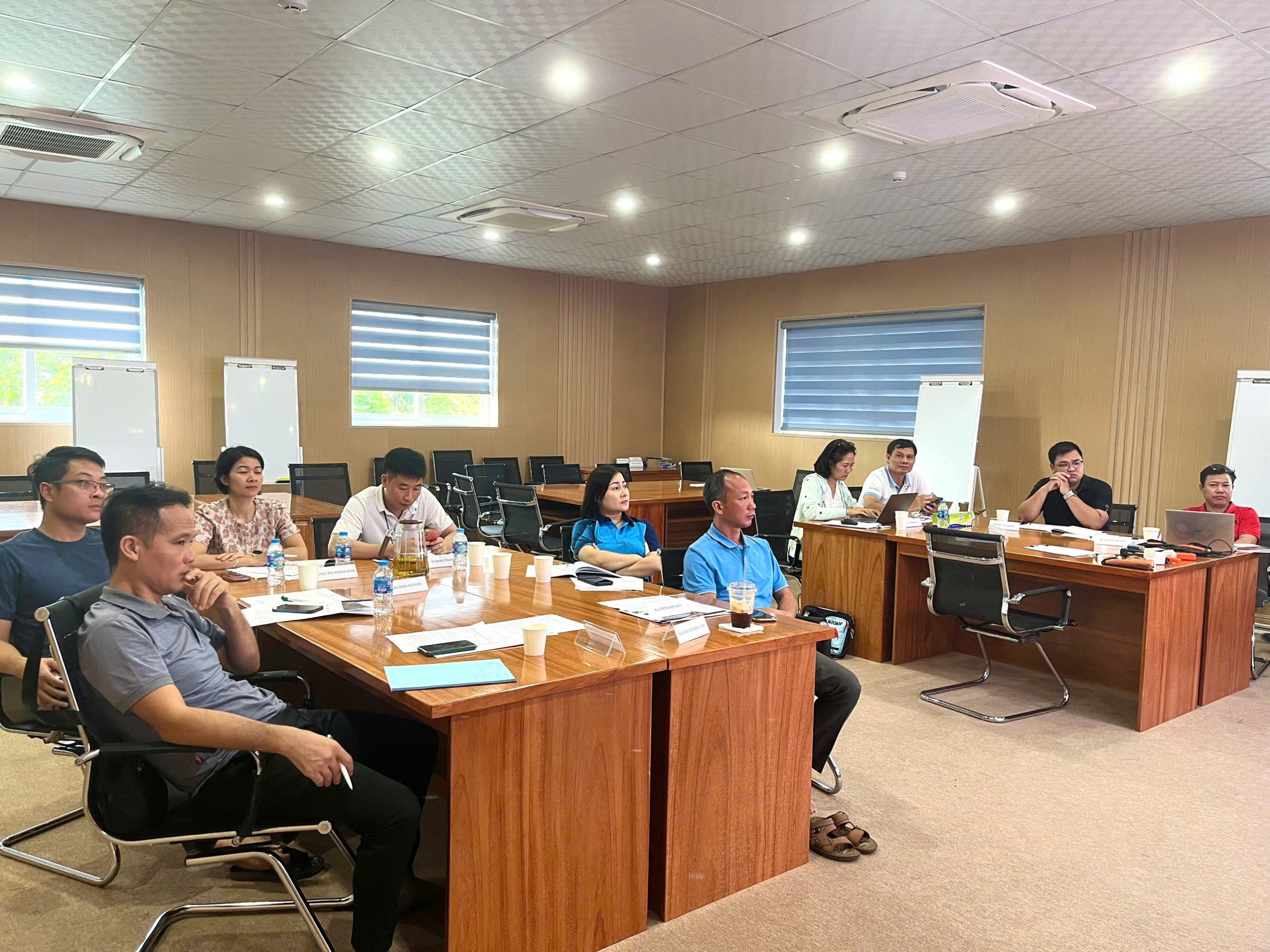
- Combination of theory and practical case discussions
- Oil & Gas industry case study analysis
- Sharing operational experiences and best practices
- Guidance on corrosion risk identification and assessment
COURSE DURATION
03 Days
(Including theory, discussions, and final assessment)
CERTIFICATION
Participants who successfully complete the course and meet the assessment requirements will receive:
Certificate of Completion – Corrosion Management in Oil & Gas
issued by PVD Training.
The certificate supports competency development, professional training records,
and career advancement within the oil & gas and industrial sectors.
COURSE BENEFITS
- Enhance professional knowledge in corrosion management
- Minimize equipment damage risks and operational failures
- Support asset life extension and maintenance cost optimization
- Improve Asset Integrity management capability
- Update practical knowledge relevant to oil & gas and offshore operations