
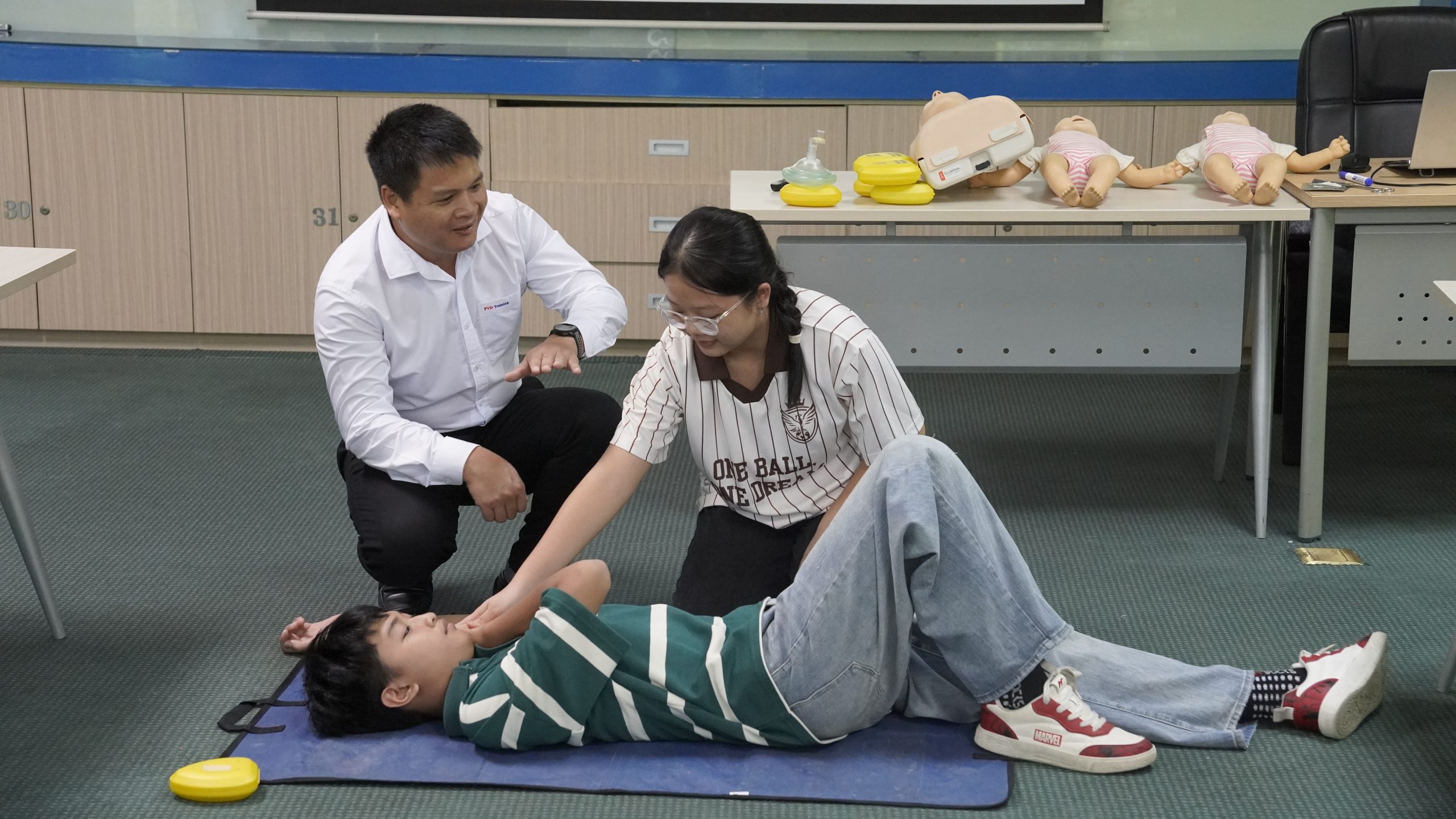
Course Overview
Accidents and emergencies can happen anytime—at home, at school, or in public places. Equipping families with essential safety knowledge and emergency response skills not only helps protect themselves but also enables them to assist and protect those around them.
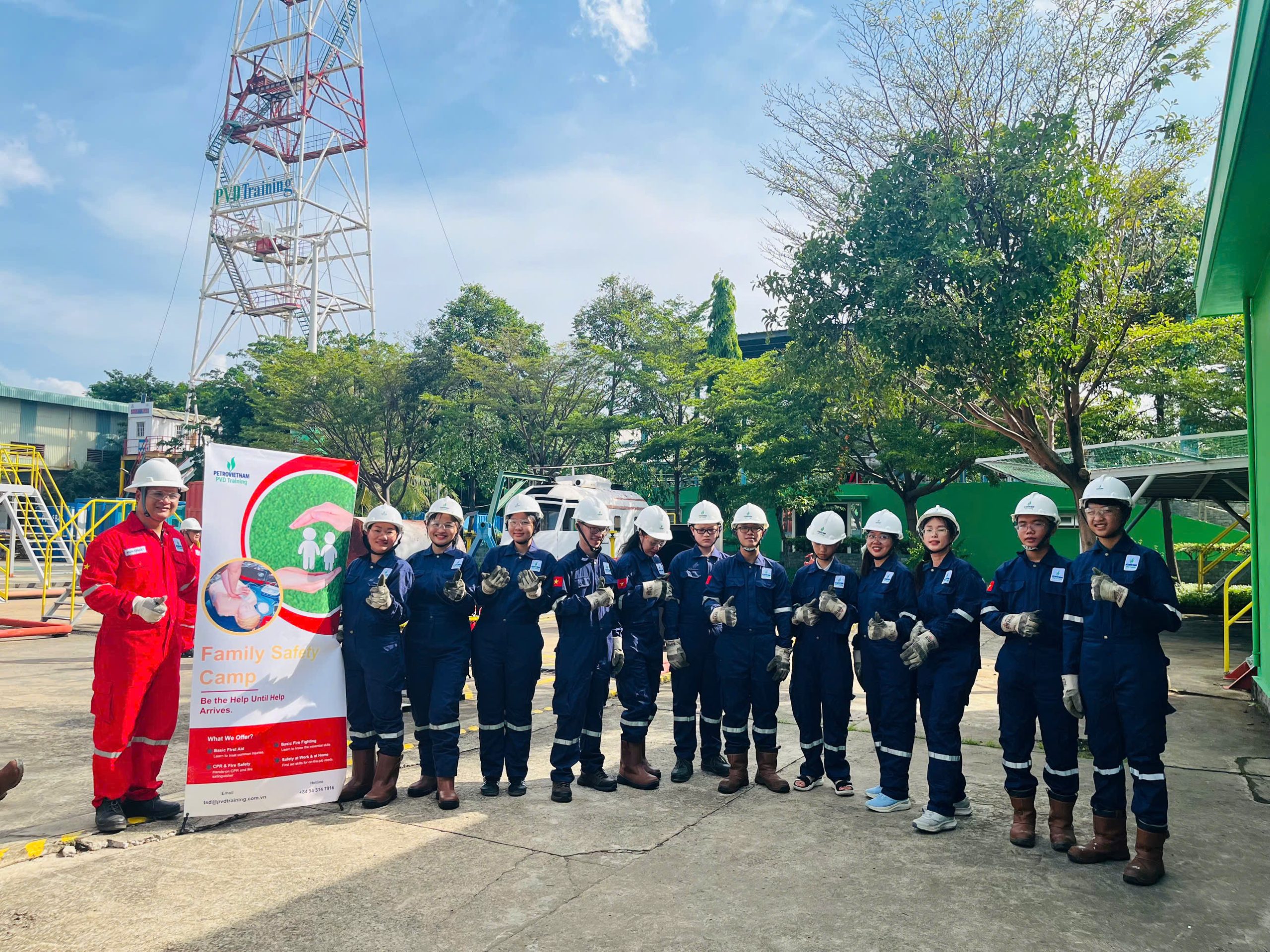
The Family Safety Camp is specially designed for parents and children, combining engaging classroom instruction with realistic hands-on activities and emergency simulations. The program helps participants recognize common hazards, respond appropriately to emergency situations, and develop a strong safety mindset for everyday life.
Course Objectives
Upon successful completion of the course, participants will be able to:
- Identify common safety hazards at home and within the community.
- Perform basic first aid skills in common emergency situations.
- Provide initial response to drowning, electric shock, choking, burns, and bleeding incidents.
- Perform Cardiopulmonary Resuscitation (CPR) correctly and manage airway obstruction.
- Understand the common causes of fire and methods of fire prevention.
- Safely use portable fire extinguishers and fire blankets.
- Apply safe evacuation procedures during a fire emergency.
Course Content
Part 1: Basic First Aid
Introduction to First Aid
- Principles of safe casualty approach.
- Casualty assessment, calling for help, and initial emergency response.
Drowning
- Recognizing the signs of drowning.
- Initial rescue procedures.
- Common mistakes to avoid during water rescue.
Electric Shock
- Causes and hazards of electrical accidents.
- Safe approach and isolation of the casualty from the electrical source.
- Basic first aid procedures.
Airway Obstruction (Choking)
- Recognizing the signs of choking.
- Choking management techniques for adults and children.
Burns
- Common types of burns.
- Correct burn management.
- Common misconceptions and unsafe practices to avoid.
Bleeding and Wound Management
- Identifying the severity of bleeding.
- Basic bleeding control techniques.
- Simple wound dressing and bandaging.
Cardiopulmonary Resuscitation (CPR)
Practical Sessions
- Hands-on CPR practice using training manikins.
- Practical airway obstruction and choking management exercises.
Part 2: Fire Safety & Emergency Response
Fire Hazard Awareness
- Common causes of household fires.
- Fire prevention measures.
Emergency Response During a Fire
- Initial actions upon discovering a fire.
- Raising the alarm and contacting emergency services.
- Protecting yourself and your family during a fire emergency.
Emergency Evacuation Skills
- Escaping safely through smoke-filled and low-visibility environments.
- Selecting safe evacuation routes.
- Safe movement and assembly procedures during a fire.
Practical Firefighting
- Safe use of portable fire extinguishers.
- Proper use of fire blankets.
- Hands-on simulated firefighting exercises.
- Emergency evacuation drills.
Course Duration
01 Day
Training Methodology
The course combines:
- Interactive classroom instruction.
- Group discussions based on real-life family safety scenarios.
- Hands-on practice using modern training equipment and simulators at PVD Training.
- Realistic emergency response simulations to build practical skills and confidence in handling emergency situations.