
I. COURSE OVERVIEW
1. Objectives
- Enhance understanding of ESG (Environmental – Social – Governance) among managers and functional specialists (HSE, HR, Finance, Production, Operations…)
- Encourage analytical thinking and clarify individual roles and responsibilities in ESG implementation
- Foster internal motivation and embed ESG principles into organizational behavior and culture
2. Training Format
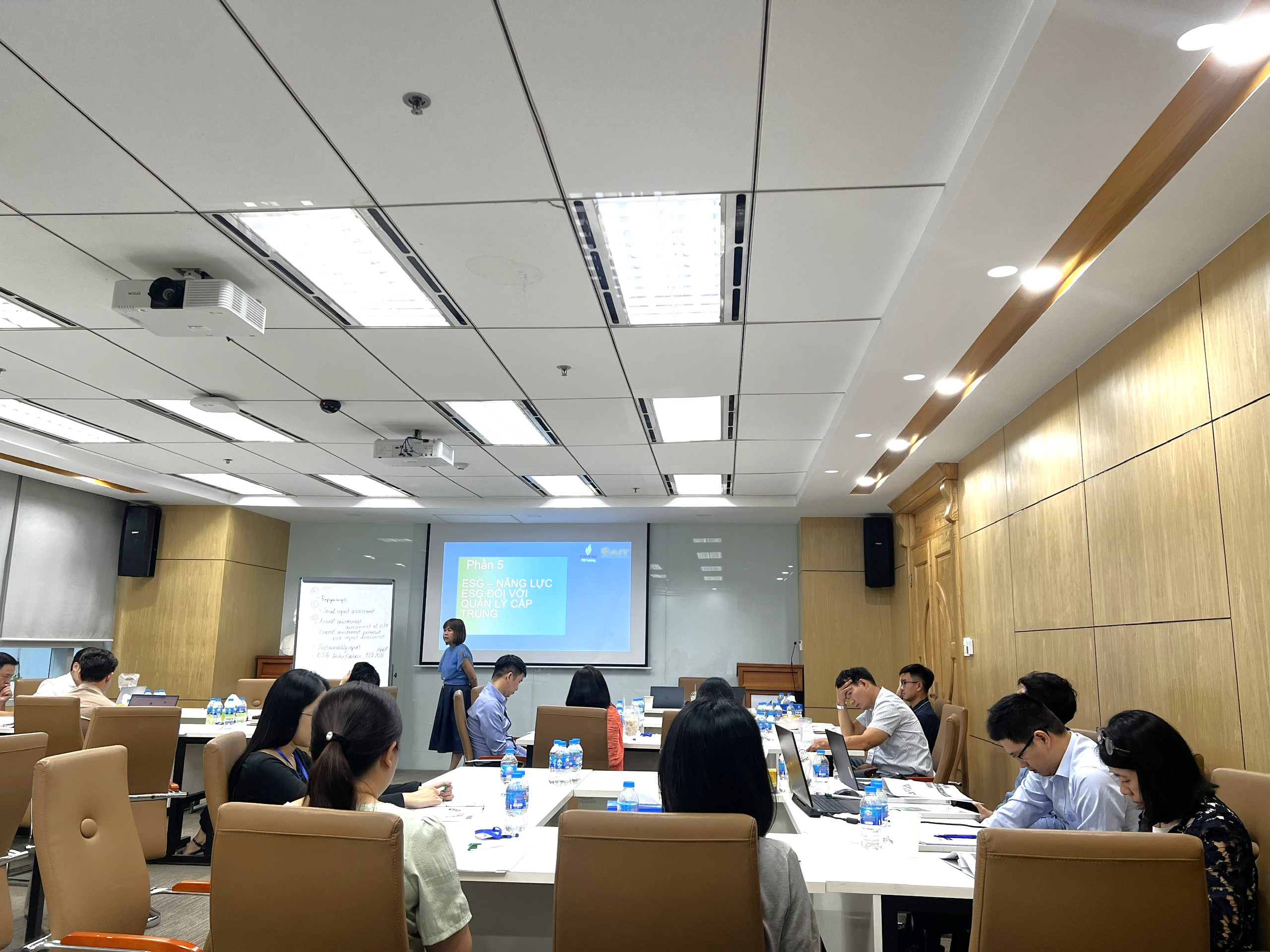
- Duration: 01 day workshop (08 hours)
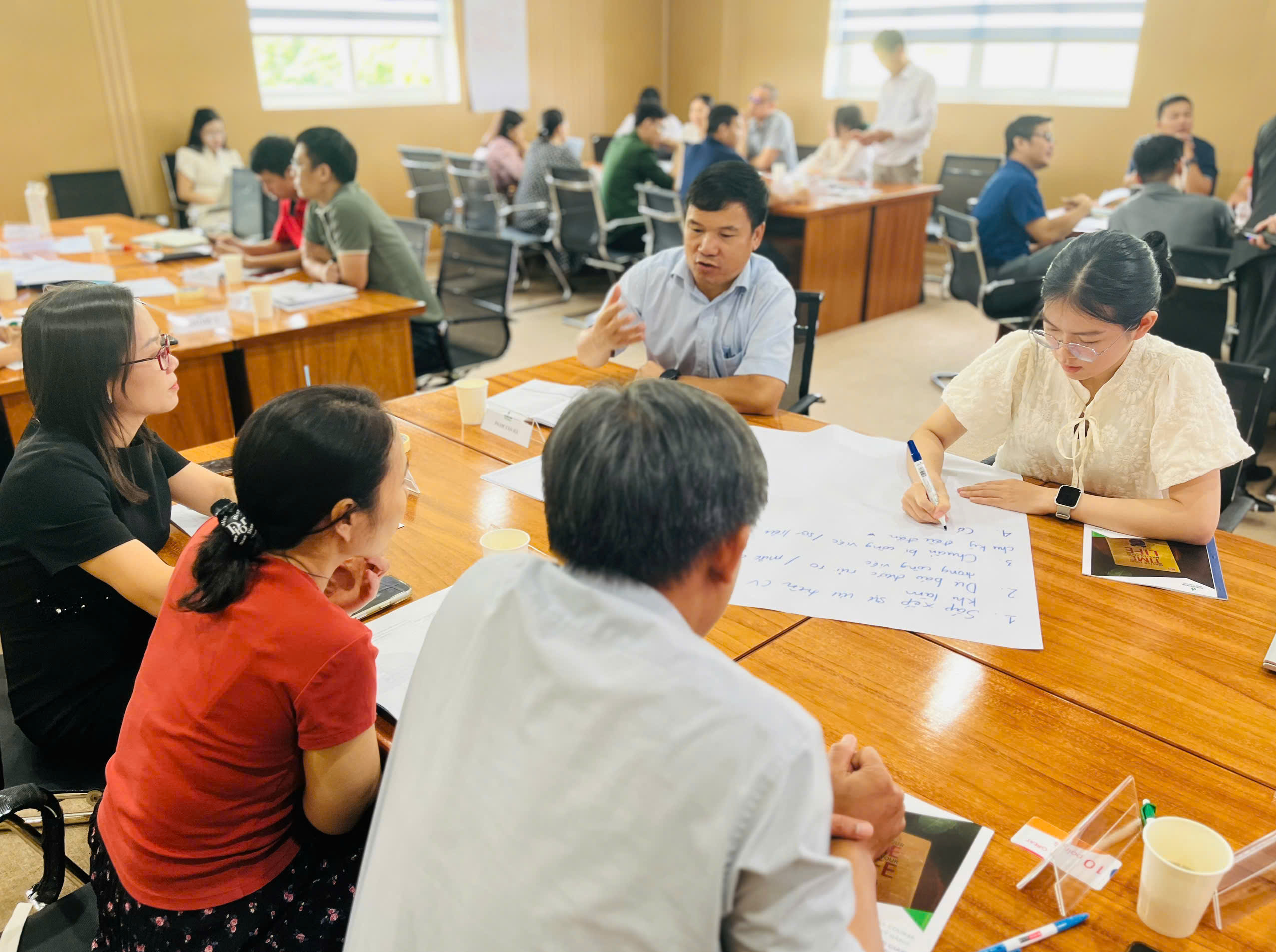
- Methodology: Combination of presentations, group discussions, practical exercises, and analytical tools
3. Expected Outcomes
- Participants gain a solid foundation to support ESG implementation and reporting
- Build a proactive mindset and ownership in ESG transformation
- Develop middle management capability to drive ESG initiatives internally
II. TARGET PARTICIPANTS
This course is designed for leaders, managers, and specialists involved in HSE, HR, Finance, Communications, Operations, and Supply Chain.
1. Leadership & Management
- Executive management
- Middle management
2. Functional Specialists
- ESG implementation and reporting personnel
- Sustainability / ESG development specialists
- Risk management and internal control personnel ensuring compliance and governance transparency
- Marketing and Investor Relations (IR) teams handling ESG disclosures
- Managers across departments: Finance, HR, HSE, Supply Chain, Production…
III. COURSE CONTENT
1. What is ESG – Why Now?
- Global and Vietnam ESG trends
- ESG vs. CSR: key differences and mindset shift
2. ESG in the Oil & Gas Drilling Industry
- Focus on Environmental (E) and Governance (G)
- Industry-specific ESG risks and opportunities
3. ESG in the Value Chain and Best Practices
- ESG in supplier and supply chain management
- Case studies from leading organizations
4. ESG as a Strategic and Operational Tool
- Integrating ESG into KPIs and internal processes
- Applying ESG in investment and business decision-making
5. Core ESG Capabilities for Middle Management
- Systems thinking and sustainability mindset
- ESG-integrated analysis and decision-making capability
6. Action Commitment and Internal Alignment
- Identifying individual roles and impact
- Group discussions on practical ESG actions
7. Wrap-up and ESG Action Planning
- Develop individual ESG action plans
- Feedback, reflection, and post-training engagement