Unlocking Wind Turbine Performance – Discover Our In-Depth Blade Maintenance Training

Unlocking Wind Turbine Performance – Discover Our In-Depth Blade Maintenance Training

Wind energy, a decisive player in the quest for sustainable power, has surged to the forefront of the global energy scene. Amid rising calls for clean and renewable solutions, wind power is an escalating trend with undeniable momentum. Its popularity is driven by both its business advantages and environmental benefits. As industries strive to shrink carbon footprints and embrace eco-friendly options, wind energy emerges as a beacon of promise, providing a powerful pathway to meet energy needs while advancing a greener future.

1.The purpose of the blades

Wind turbine blades are essential components of a wind tower, designed to capture wind energy and convert it into rotational motion. These aerodynamic structures are carefully shaped to optimize energy capture, with lengths ranging from 30 to 80 meters or more. Made from lightweight yet sturdy materials like fiberglass and carbon fiber, the blades feature pitch control mechanisms to adjust their angles in response to wind changes.

Their efficient design and ongoing innovations contribute to the effectiveness of modern wind turbines. Regular maintenance ensures their longevity and performance. By harnessing wind’s kinetic energy, these blades play a vital role in generating renewable electricity, supporting sustainable energy production, and reducing environmental impact.
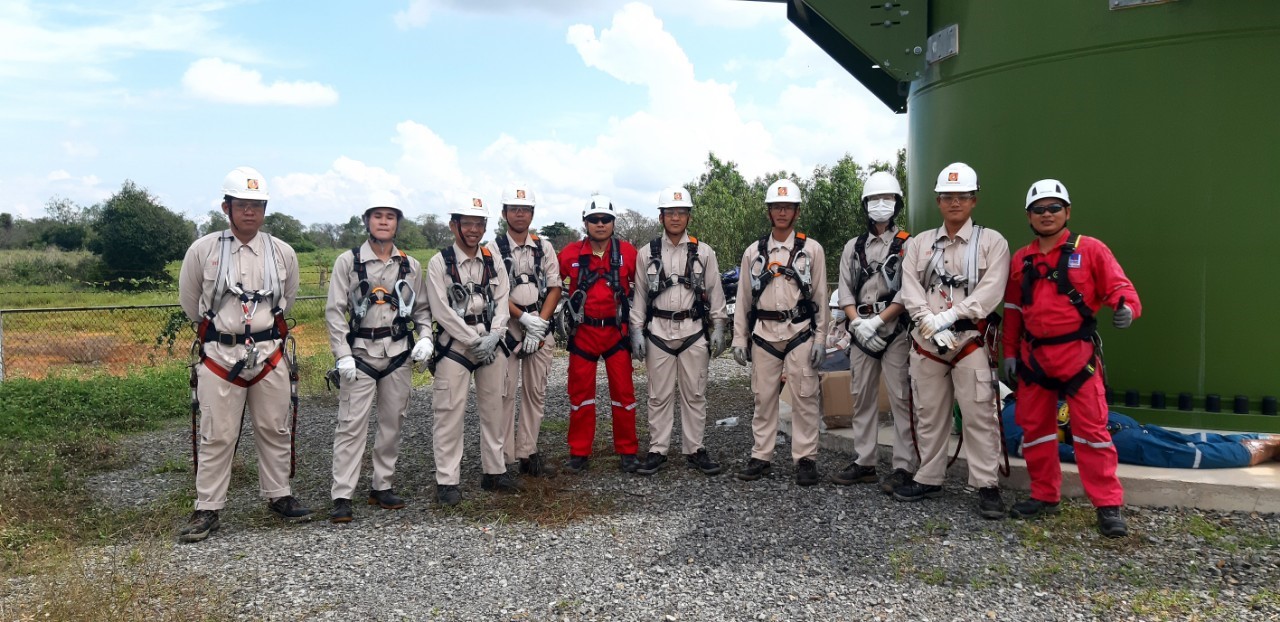
PVD Training in course
Wind Turbine Performance

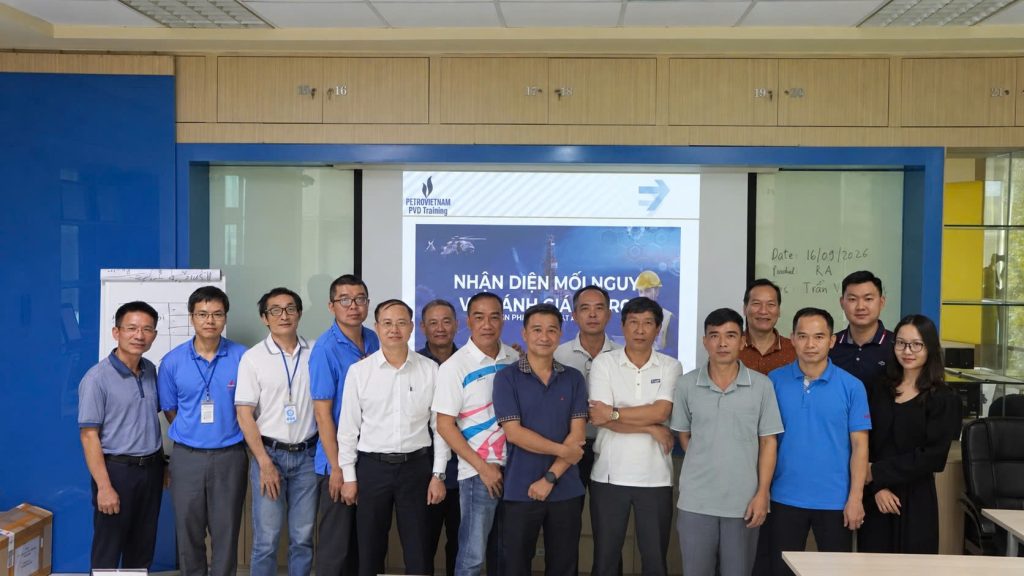
Picture  1: PVD Training on a training session

2.Why and when do the wind blades need to be maintained?

The durability of wind turbine blades is essential for the long-term efficiency and effectiveness of wind energy systems. While these blades are designed to withstand the rigors of constant exposure to wind forces, various factors necessitate regular maintenance to ensure their optimal performance and lifespan.

  1. Environmental Factors: Wind turbine blades are constantly exposed to harsh environmental conditions, including high winds, temperature variations, moisture, and airborne debris. Over time, these factors can lead to wear and tear, erosion, and the potential for material degradation.
  2. Fatigue and Stress: The continuous rotation of the blades subjects them to cyclic loading and stresses. This cyclic stress can lead to fatigue and eventually compromise the structural integrity of the blades if not addressed.
  3. Aerodynamic Efficiency: Even minor damage or changes in blade shape due to wear can impact the aerodynamic efficiency of the turbine. This reduction in efficiency can lead to decreased energy production.
  4. Safety: Ensuring the safety of both personnel and surrounding areas is crucial. Damaged or worn blades can pose risks of detachment, especially during extreme weather conditions, potentially causing accidents or damage.

Maintenance of wind turbine blades typically involves:

  1. Visual Inspections: Regular visual inspections are conducted to identify any visible signs of damage, erosion, or other issues. These inspections often include the use of drones or specialized equipment to assess the condition of the blades from various angles.
  2. Non-Destructive Testing (NDT): NDT techniques, such as ultrasound, thermography, and acoustic emission, are used to detect internal defects or delamination that may not be visible externally.
  3. Repair and Cleaning: Small damages, like cracks or minor erosion, can be repaired to prevent further deterioration. Cleaning the blades from dirt, debris, or bird droppings also helps maintain their aerodynamic efficiency.
  4. Balancing: Ensuring that the blades are properly balanced is important for minimizing stress on the entire turbine system.
  5. Scheduled Maintenance: Periodic maintenance is often performed during planned downtime, which can vary depending on factors like turbine model, location, and environmental conditions.
  6. Seasonal Inspections: Wind turbine blades are sometimes inspected more frequently after harsh weather conditions or during specific seasons when wear and tear are more likely.

By conducting regular maintenance at appropriate intervals, wind farm operators can extend the operational lifespan of turbine blades, optimize energy production, enhance safety, and maximize the return on investment in wind energy systems.

3.What if they are not periodically maintained?

If wind turbine blades are not periodically maintained, several potential issues can arise that may negatively impact the performance, safety, and longevity of the entire wind energy system:

    1. Reduced Energy Output: Without regular maintenance, small damages or erosion on the blades can accumulate over time, leading to reduced aerodynamic efficiency. This can result in decreased energy production, which directly affects the financial returns on the investment in the wind turbine.
    2. Structural Integrity: Over time, wear and tear, along with exposure to environmental factors, can compromise the structural integrity of the blades. This could lead to more serious damage, such as cracks or delamination, that might be costly to repair and potentially dangerous if not addressed.
    3. Safety Hazards: Damaged or deteriorated blades increase the risk of blade detachment, especially during high wind conditions. This poses safety hazards to personnel working in the vicinity of the turbines and could lead to blade fragments being thrown long distances, potentially causing damage to property or even injury.
    4. Costly Repairs: Neglecting maintenance can turn minor issues into major problems that require more extensive and expensive repairs. For example, a small crack left unattended could spread, necessitating blade replacement rather than a simple repair.
    5. Downtime and Operational Disruption: Unplanned maintenance due to sudden blade failure or the need for significant repairs can lead to prolonged downtime of the turbine. This disrupts energy production and affects the overall efficiency of the wind farm.
    6. Environmental Impact: Reduced energy output due to poorly maintained blades could lead to increased reliance on non-renewable energy sources, contributing to higher carbon emissions and environmental impact.
    7. Lifecycle Costs: Neglecting maintenance can lead to increased lifecycle costs of the wind turbine system. The expenses associated with repairs, replacements, and decreased energy production can outweigh the initial cost savings from avoiding maintenance.

4.Lists of essential training courses that are required to conduct maintenance service:

a) GWO Basic Safety Training

    • Working at Height (02 days)
    • Basic First Aids (01 day)
    • Sea Survival (01 day)
    • Fire Awareness (1/2 day)
    • Manual Handling (1/2 day)

b) GWO Basic Technical Training

    • Hydraulic (01 day)
    • Mechanical (02 days)

c) GWO Advanced Rescue Training

    • Hub, Spinner, and Inside blade (01 day)

d) Blade Repair (10 days)

5.Lists of available services that PVD Training can provide:

    • Autonomous Drone Inspection of Wind Turbine Blades and Towers
    • Blade Repair Consultation (In-house subject matter experts)
    • Composite Blade Repair in Field
    • Bolt Torquing – Checking & Replacement
    • Provision of Senior Turbine Consultants
    • Validation of Blade Failure Modes
    • Damage Assessment – Generation of Repair Plans
    • Blade Management Strategy
    • Analytic Requirements
    • Tower Flange Inspection and Sealing
    • Blade Bearing Inspection
    • Post Repair Inspection; Cat 3 – 5 close the loop on Inspection/Repair
    • Insurance Walkdown/Fly Down Inspection
    • Met Mast Inspection/Repairs
    • Drone Inspection Site Works Technician Safety Module
    • NDT Inspection of Blades
    • Tower Foundation Investigation and Maintenance
    • Drone Surveillance by Using Machine Learning
    • Inspection Service for Safety Equipment
    • Inspection Service for Hand Tools
    • Inspection Service for Electrical and Instrument Equipment
    • Inspection Service for Lifting Equipment
    • Inspection Service for Mobile Working Platform
    • Installation And Maintenance for Aviation Light
    • Medical Support Services
    • Rental Service (Tools, Crane, Lifting Machines…)
    • Cleaning/ Treatment/ Painting/ Corrosion Protection Services for Wind Turbines And Blades
    • Hydraulic Torque Wrenches/ Hydraulic Bolt Tensioners
    • Pneumatic Torque Wrenches / Electric Torque Wrenches
    • Mechanical Torque Wrenches/ Hydraulic Flange Spreaders/ Impact Sockets.
    • Inspection Of Concrete in Wind Turbine Foundations
    • Underwater Visual Inspections and Measurements Using ROVs (Remotely Operated Vehicles)
    • Diving Services for Sensitive or Complex Inspections and Repairs
    • Complex Geotechnical Surveys Such as Cable Depth Inspections
    • Bathymetric Scour and Seabed Surveys, Backscatter Sonar Images of Seabed Objects
    • Personal Protection Equipment Supply
    • Positioning Of Mattresses, Rock Bags and Sandbags
    • Subsea Cable Inspection

1234

Ready to ensure the seamless performance and longevity of your wind energy assets? Our expert team specializes in comprehensive wind turbine blade maintenance, optimizing energy output and safeguarding your investments. Don’t compromise on efficiency or safety – contact us today to explore how our tailored solutions can elevate your wind energy endeavors to new heights.

Let us be your trusted partner in harnessing the power of the wind for a sustainable future!

Email: itc@pvdtraining.com.vn

Website: GWO COURSE – PVD Training
Fire Protection Equipment and System Services

Service Overview

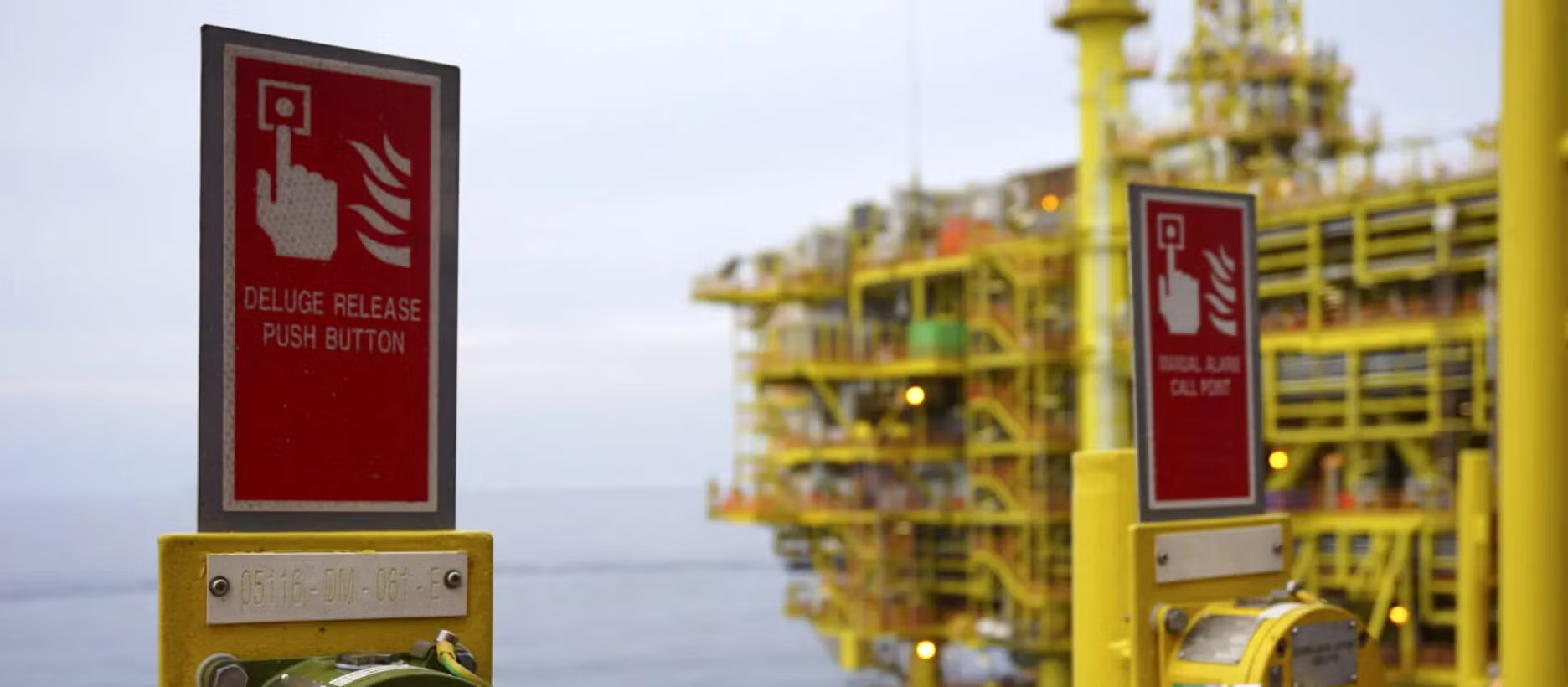
In the oil and gas, heavy industry, and offshore sectors, the risk of fire and explosion is ever-present due to the presence of flammable fuels, high-power electrical systems, and harsh operating conditions. Ensuring that fire protection equipment and systems are always ready for operation is a mandatory requirement to protect people, property, and maintain the continuity of production activities.

PVD Training provides inspection, maintenance, repair, and technical support services for fire protection equipment and systems, serving oil and gas projects, industrial plants, and offshore projects. These services are implemented to ensure that fire protection systems meet technical requirements, safety standards, and current legal regulations throughout their operational lifecycle.

Scope of Services

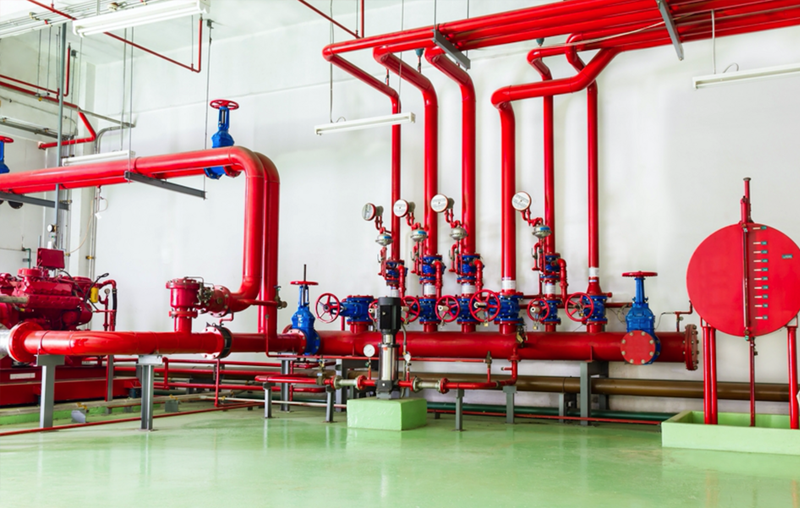
PVD Training’s Firefighting Equipment & System Services comprehensively cover all items related to firefighting equipment and systems used in industrial and offshore environments.

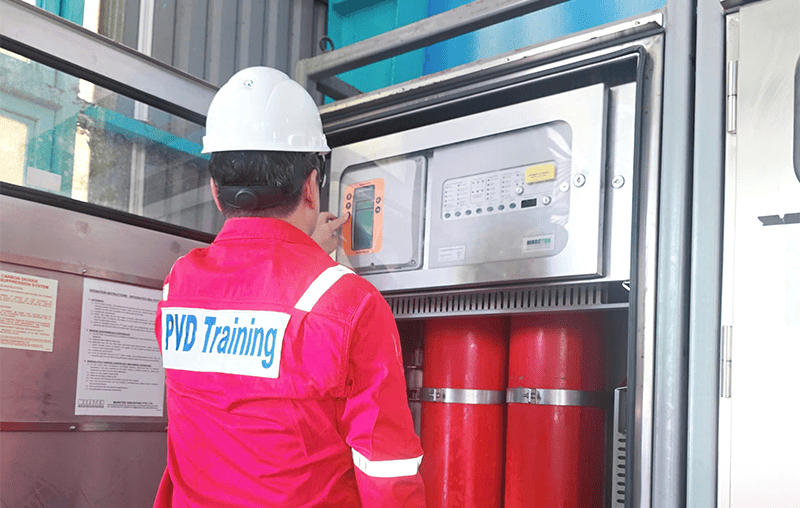
We inspect, maintain, and repair portable and fixed fire extinguishers, including powder extinguishers, CO₂ extinguishers, clean agent extinguishers, and other specialized firefighting equipment. Inspections are conducted to assess the technical condition, operational capability, and safety compliance of each device.

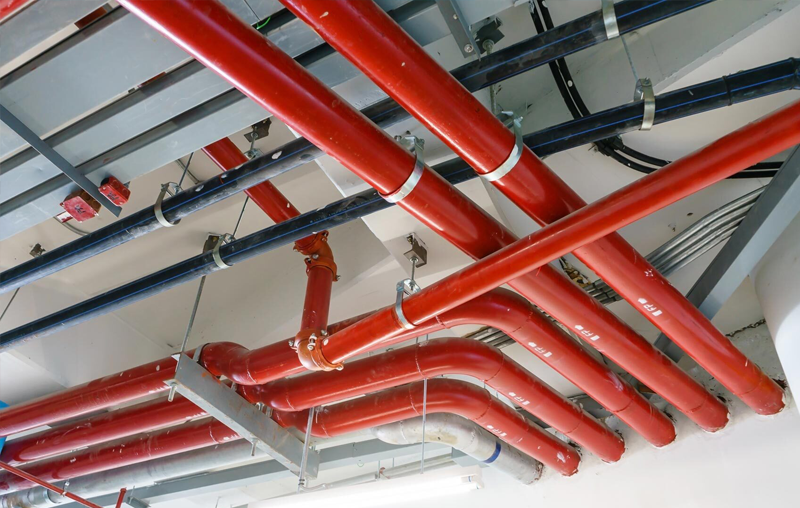
In addition, PVD Training provides maintenance and inspection services for fixed firefighting systems, including water-based firefighting systems, foam (AFFF) systems, gas firefighting systems such as FM200, and equivalent systems. The work includes inspecting the condition of pipes, valves, nozzles, activation devices, and related components to ensure the system can operate effectively in the event of a fire or explosion.

Additionally, the service includes inspection and maintenance of breathing and rescue equipment, such as SCBA and escape aids, to ensure readiness for use in emergency situations.

Service implementation process

PVD Training’s fire protection equipment and system services are implemented according to a strict control process to ensure quality, safety, and compliance.

First, the technical team surveys the current status of the fire protection and firefighting system, assessing the condition of the equipment, the degree of wear and tear, operational capabilities, and any points that do not meet technical requirements or safety regulations. Based on this, we develop a maintenance and repair plan appropriate to the actual conditions of each project.

During implementation, maintenance, repair, and inspection work is carried out in accordance with technical procedures, with safety supervision and quality control. After completion, the system and equipment are re-inspected to confirm their operational status and level of compliance with safety requirements before being handed over to the customer.

Technical standards and safety compliance

Throughout the entire service provision process, PVD Training strictly adheres to occupational safety requirements and technical standards applicable to fire protection systems in the oil and gas and industrial sectors. Inspection and maintenance activities are carried out in accordance with the investor’s internal regulations, industry technical standards, and relevant legal requirements.

Compliance with safety standards and procedures not only ensures the effective operation of fire protection and firefighting systems but also supports customers in safety inspections, assessments, audits, and compliance with relevant parties’ regulations.

Value and benefits

PVD Training’s fire protection equipment and system services provide tangible value in enhancing the overall safety of buildings and workers. Properly inspected and maintained fire protection systems help minimize fire and explosion risks, limiting damage to people and property in the event of an incident.

In addition, regular maintenance and technical control of the system helps customers maintain operational readiness and avoid production interruptions due to safety-related issues. The service also contributes to extending the life of equipment and optimizing long-term operating and maintenance costs.

Application Areas

    • PVD Training’s Firefighting Equipment & System Services are suitable for various types of projects and facilities, including:
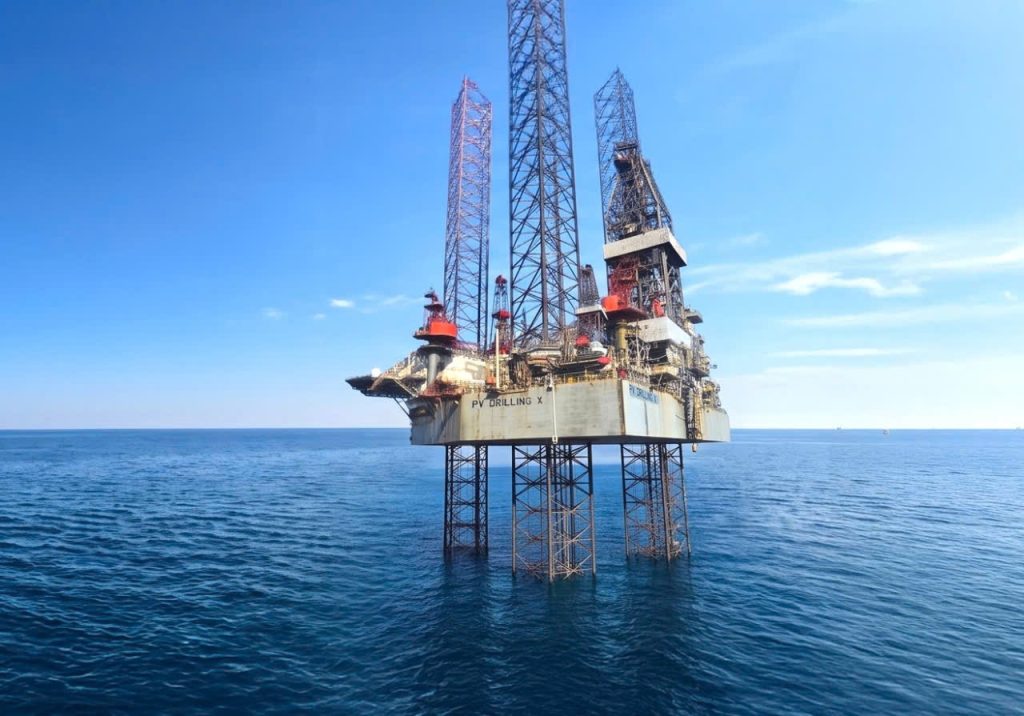
    • Oil and gas drilling rigs and offshore projects
    • Industrial plants and manufacturing facilities
    • Warehouses and storage areas for flammable materials
    • Oil and gas service vessels and marine structures

Industrial Valve System Inspection, Assessment, and Maintenance Services

Service Overview

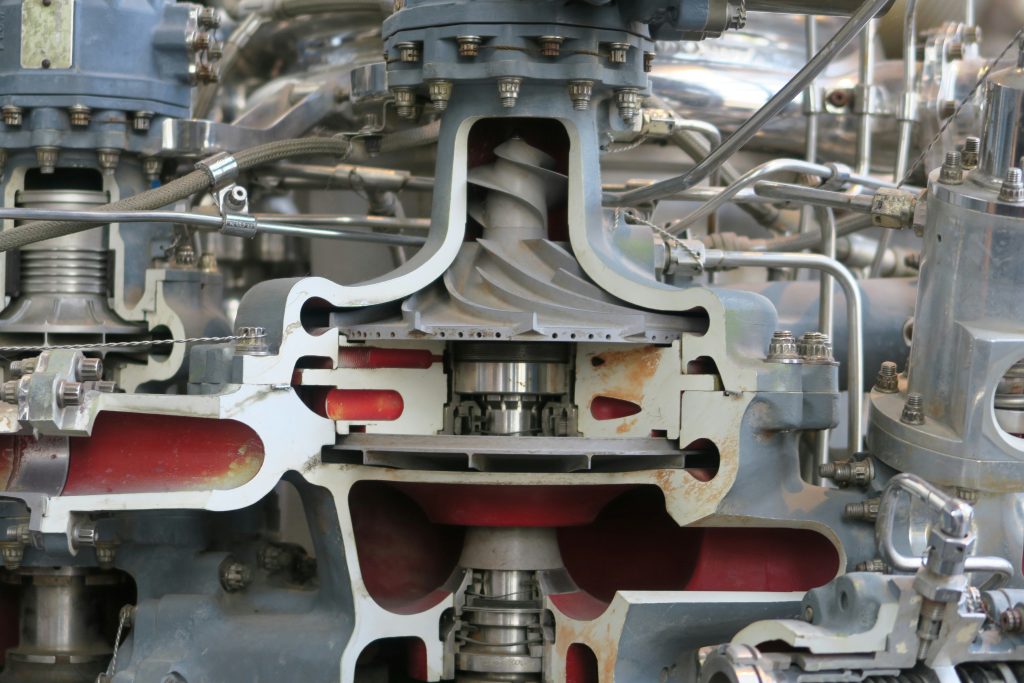
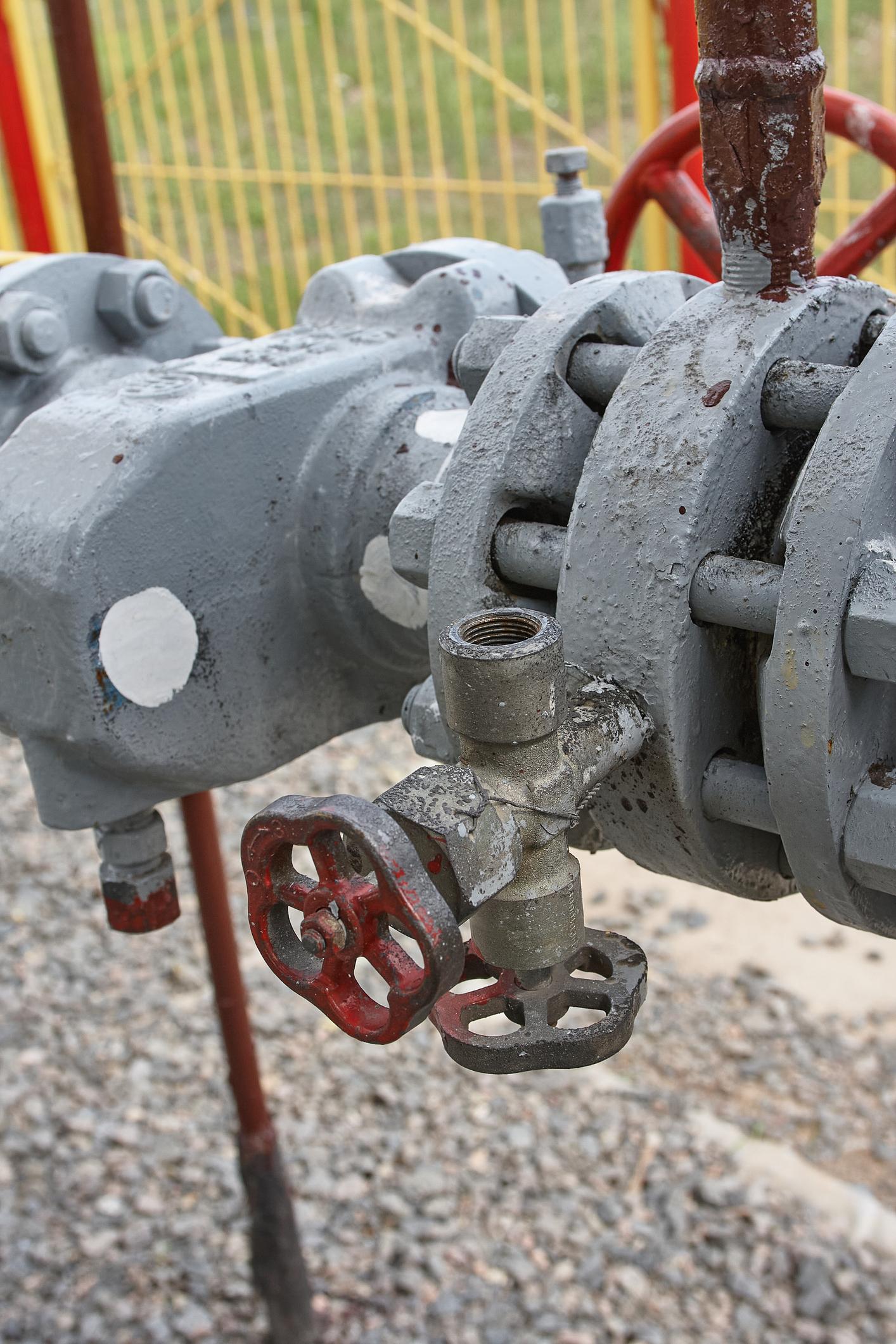
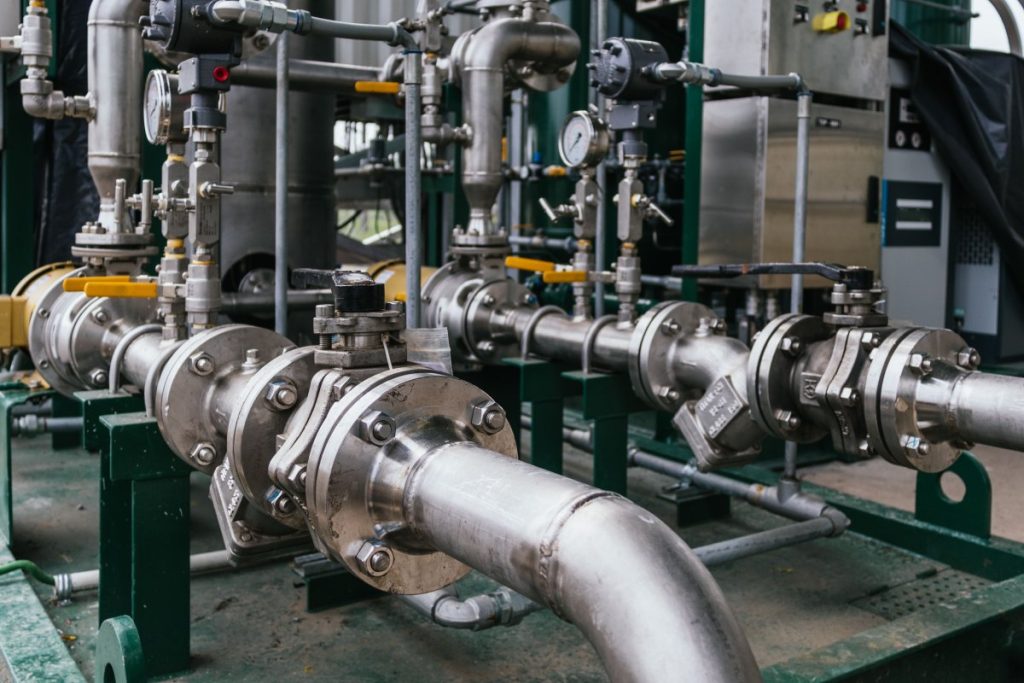
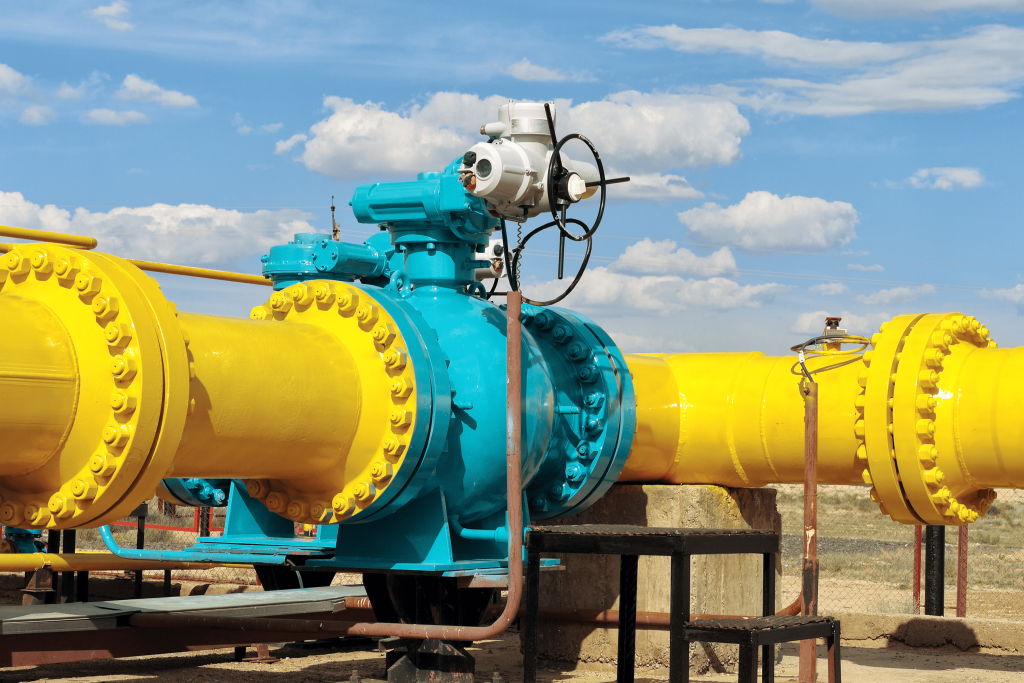
Valves are core components in the technological systems of industrial plants, piping systems, and offshore oil and gas projects. They regulate the flow, pressure, and volume of media such as oil, gas, water, chemicals, and other industrial substances. Due to continuous operation under high loads, high pressures, and harsh environments, valve systems are prone to wear, performance degradation, or failure if not properly maintained.

PVD Training provides valve maintenance services, including equipment inspection, technical condition assessment, and maintenance activities tailored to actual operating conditions. These services help customers maintain equipment performance, minimize unplanned downtime, and extend the lifespan of the entire valve system in plants and offshore facilities.

The role of valve maintenance in industrial operations

In industrial and oil and gas systems, valve-related incidents can have serious consequences such as fluid leaks, loss of pressure control, production line interruptions, and even human safety impacts. Therefore, valve maintenance is not only a routine technical activity but also an important part of asset safety and operation management.

Proper timing and methods of maintenance help:

    • Maintain stable flow and pressure in the system
    • Detect early signs of damage or performance degradation
    • Reduce the risk of technical failures and accidents
    • Limit major repair costs and prolonged downtime

PVD Training’s valve maintenance services play a crucial role in ensuring safe, continuous, and efficient operation for industrial and offshore projects.

Scope of valve maintenance services

PVD Training’s valve maintenance services are implemented flexibly to suit the operational characteristics and technical requirements of each system. The scope of services includes:

    • Comprehensive inspection of valve technical condition
    • Assessment of wear and tear levels and operational performance
    • Scheduled maintenance or maintenance based on actual operating conditions
    • Performing maintenance tasks to restore and maintain equipment performance
    • Technical support during system operation and maintenance

Maintenance activities are performed in accordance with the operating conditions of the equipment, including industrial plant environments and offshore facilities.

Maintenance methods and procedures

PVD Training implements valve maintenance services following strict technical procedures to ensure the quality and reliability of equipment after maintenance.

The process begins with a survey of the system’s current status, collecting information on operating conditions, maintenance history, and technical issues that have arisen. Based on this, the technical team conducts a detailed inspection of each valve, assesses its condition, and determines the items that need maintenance.

After completing the assessment, PVD Training performs appropriate maintenance work to ensure the equipment meets operational requirements. Maintenance results are recorded and reported, serving equipment management and future maintenance planning.

Ensuring system performance and reliability

The goal of valve maintenance services is to ensure that the system always operates stably and meets technical requirements throughout its operating life. Maintaining equipment performance helps the system operate more efficiently, reduces energy losses, and minimizes incidents.

For offshore projects and continuous operation systems, valve reliability is a key factor in ensuring safety and progress. PVD Training’s services help customers proactively control equipment status and maintain stable operating conditions in the long term.

Value and benefits

PVD Training’s valve maintenance services provide customers with many practical benefits in operation and technical maintenance.

Firstly, the service helps minimize downtime, reducing interruptions in production and operation. Additionally, proper maintenance extends the lifespan of the valve system, reduces replacement costs, and optimizes long-term maintenance expenses.

The service also supports customers in technical asset management, enhancing safety and ensuring compliance with technical and safety requirements applicable to offshore plants and structures.

Application areas

PVD Training’s valve maintenance service is suitable for many fields and types of projects, including:

    • Industrial plants and industrial parks
    • Pipeline systems and technological lines
    • Oil and gas projects and offshore drilling rigs
    • Technical operation and maintenance projects

Electrical & Instrumentation Services

Service Overview

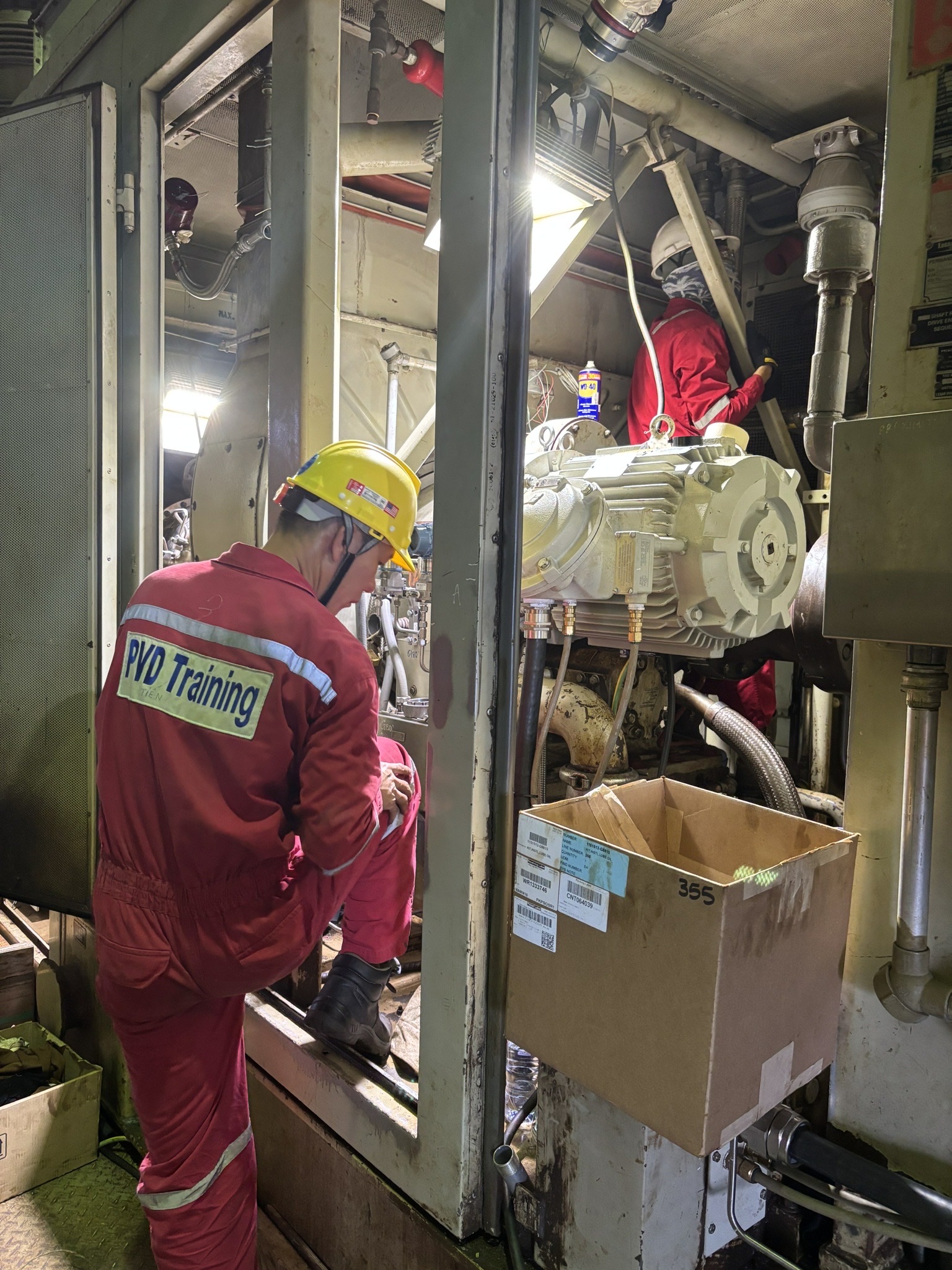
PVD Training provides Electrical & Instrumentation (E&I) services for oil and gas, industrial, and marine projects, meeting the requirements for continuous, safe, and stable operation in harsh working environments. The services are designed to support customers throughout the entire technical system lifecycle, from initial installation, operation, and periodic maintenance to system repair and modification.

With a team of engineers and technicians with practical experience in onshore and offshore projects, PVD Training provides E&I solutions tailored to the specific characteristics of each project, ensuring that electrical and control systems meet technical, safety, and environmental requirements.

Scope of Services

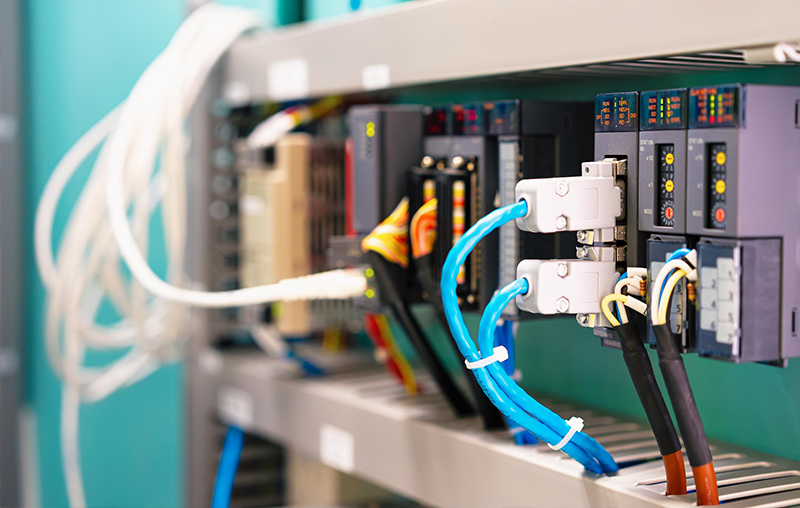
E&I services include installation, inspection, connection, and maintenance of low-voltage and medium-voltage electrical systems, electrical cabinets, electrical cables, and measurement and control equipment. In addition, we provide preventive maintenance, repair maintenance, system calibration, and technical support during system commissioning and acceptance testing.

Implementation Process

E&I activities are carried out according to a clear technical process, including site surveys, risk assessments, construction and maintenance planning, work implementation, and inspection and acceptance. All work is supervised to ensure compliance with safety and quality requirements.

Value Delivered

PVD Training’s E&I services help customers maintain stable operating conditions, minimize system failures, optimize energy efficiency, and extend equipment life. This is a critical factor in ensuring long-term occupational safety and production efficiency.