Sudden Cardiac Arrest During Exercise: What You Need to Know So You Don’t Become a Bystander

Physical activities such as pickleball, badminton, running, and cycling are becoming increasingly popular as people seek to improve their health and well-being. However, alongside these benefits, medical professionals continue to warn that high-intensity exercise can trigger serious cardiovascular events, particularly in individuals with underlying conditions such as hypertension, diabetes, high cholesterol, or heart disease, as well as those who are not accustomed to regular physical activity.

What is particularly concerning is that many of these incidents occur in public places—sports courts, parks, gyms, and recreational areas—where other people are present. Yet, not everyone knows how to respond appropriately during the first few critical minutes, which often determine whether the victim survives.

Understanding the Difference Between Sudden Cardiac Arrest and Stroke

These two medical emergencies are often confused, but they require very different responses.

Sudden Cardiac Arrest (SCA)

A victim experiencing sudden cardiac arrest will typically:

• Collapse suddenly
• Lose consciousness
• Stop breathing or exhibit abnormal gasping breaths
• Have no detectable pulse

In this situation, Cardiopulmonary Resuscitation (CPR) must be started immediately.

Stroke

A stroke victim will usually continue to breathe and have a pulse but may display symptoms such as:

• Facial drooping
• Weakness or paralysis on one side of the body
• Slurred or impaired speech
• Loss of balance or coordination

For a suspected stroke, the priority is to transport the victim to a medical facility as quickly as possible. Do not perform chest compressions if the victim is still breathing and has a pulse.
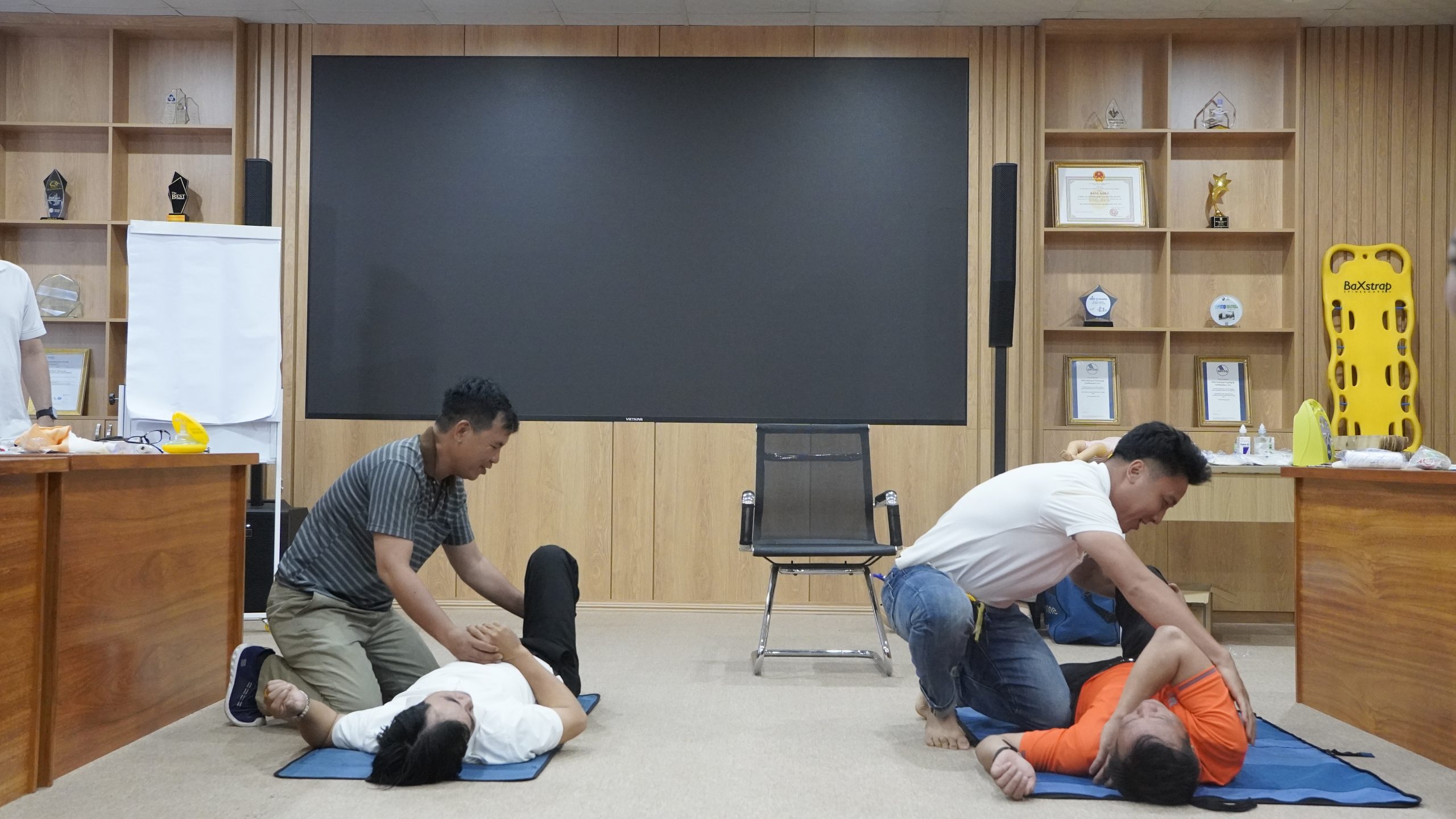
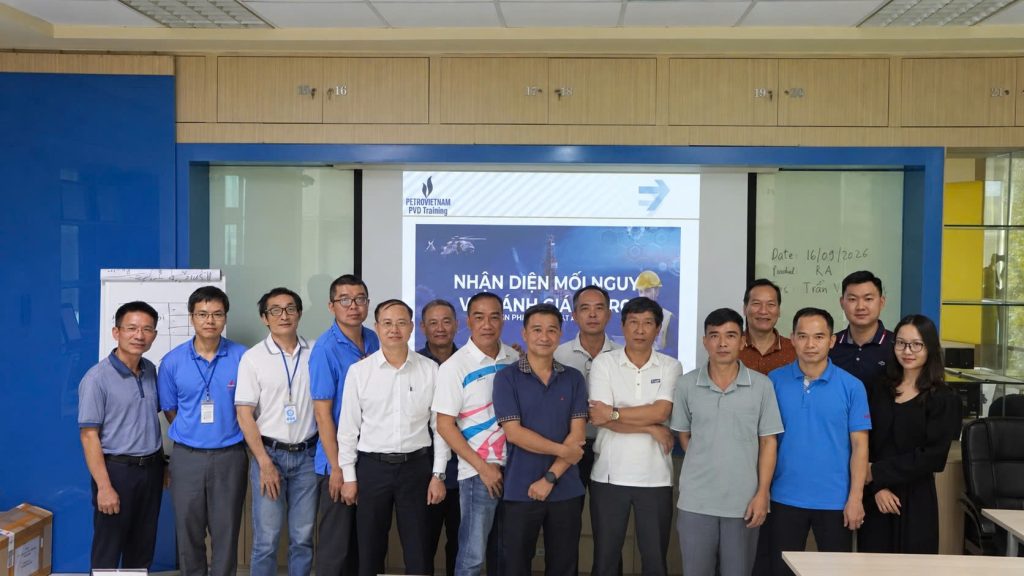
CPR and First Aid Training at PVD Training

Basic CPR Steps Everyone Should Know

1. Check Responsiveness

Call out loudly and gently tap or shake the victim’s shoulders.

Check whether the victim responds and whether they are breathing normally.

2. Call Emergency Services Immediately

Dial 115 (Vietnam Emergency Medical Services).

If other people are present, assign clear responsibilities:

• One person calls emergency services
• One person starts CPR
• One person locates an AED, if available

Do not wait for someone else to take action.

3. Perform Chest Compressions

• Place the heel of one hand in the center of the victim’s chest
• Place your other hand on top
• Keep your arms straight and use your body weight to compress the chest
• Compress approximately 5–6 cm deep for adults
• Maintain a rate of 100–120 compressions per minute
• Allow the chest to fully recoil between compressions

Continue CPR until:

• Emergency medical personnel arrive
• The victim shows signs of recovery
• Another trained responder takes over
• You are physically unable to continue

4. Use an AED if Available

An Automated External Defibrillator (AED) is designed to be used by both trained responders and members of the public.

When an AED is available:

• Turn on the device
• Apply the electrode pads as instructed
• Follow the voice prompts provided by the AED

The device will automatically analyze the heart rhythm and guide you through each step.

Why the “Golden 3 Minutes” Matter

When the heart stops beating, blood flow to the brain ceases.

Within just a few minutes, brain cells begin to suffer irreversible damage due to oxygen deprivation.

Even when emergency medical services respond rapidly, it still takes time for them to reach the scene.

Proper CPR performed during the first few minutes can:

• Maintain a minimal supply of blood and oxygen to the brain and vital organs
• Extend the victim’s survival window
• Significantly improve the chances of recovery once advanced medical care is available

Importantly, CPR does not have to be perfect to be effective.

Starting CPR immediately is always better than doing nothing.

This Skill Is Not Just for High-Risk Industries

Many people believe first aid training is only necessary for personnel working in oil & gas, construction, or industrial environments.

In reality, sudden cardiac arrest can occur anywhere:

• Sports facilities
• Fitness centers
• Schools
• Offices
• Shopping malls
• Even at home

The ability to recognize an emergency and perform basic CPR can help save the life of a family member, colleague, friend, or even a stranger.

PVD Training – Empowering Individuals with Life-Saving First Aid Skills

At PVD Training, First Aid is one of our most frequently delivered training programs, designed not only for personnel working in industrial and oil & gas environments but also for anyone who wishes to develop the confidence and capability to respond effectively during emergencies in everyday life.

Through hands-on practice using professional training manikins and under the guidance of experienced instructors, participants gain not only theoretical knowledge but also the practical confidence needed to take action when it matters most.

Because during the first few minutes of an emergency, the person who determines the victim’s chance of survival is often not the ambulance crew.

It is the person standing closest to them.
 

Fire Protection Equipment and System Services

Service Overview

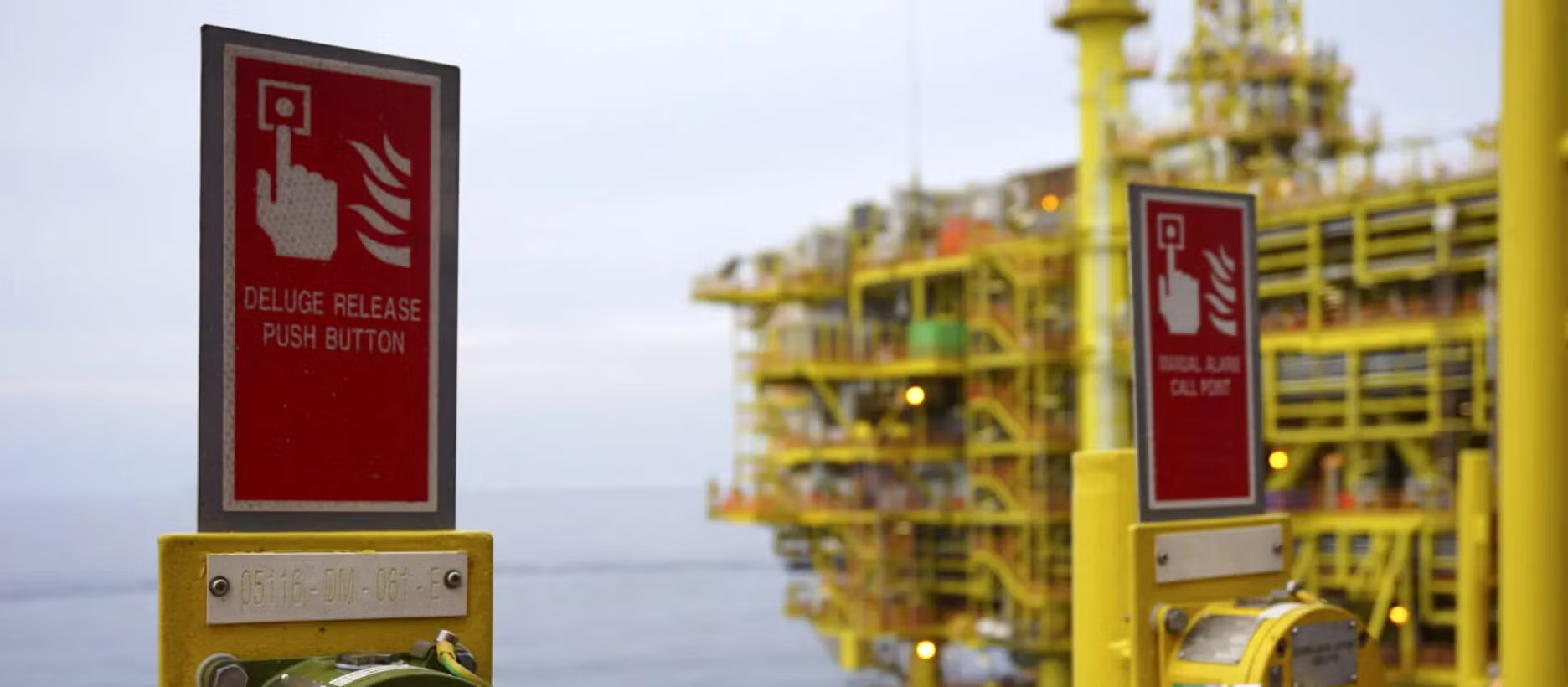
In the oil and gas, heavy industry, and offshore sectors, the risk of fire and explosion is ever-present due to the presence of flammable fuels, high-power electrical systems, and harsh operating conditions. Ensuring that fire protection equipment and systems are always ready for operation is a mandatory requirement to protect people, property, and maintain the continuity of production activities.

PVD Training provides inspection, maintenance, repair, and technical support services for fire protection equipment and systems, serving oil and gas projects, industrial plants, and offshore projects. These services are implemented to ensure that fire protection systems meet technical requirements, safety standards, and current legal regulations throughout their operational lifecycle.

Scope of Services

PVD Training’s Firefighting Equipment & System Services comprehensively cover all items related to firefighting equipment and systems used in industrial and offshore environments.

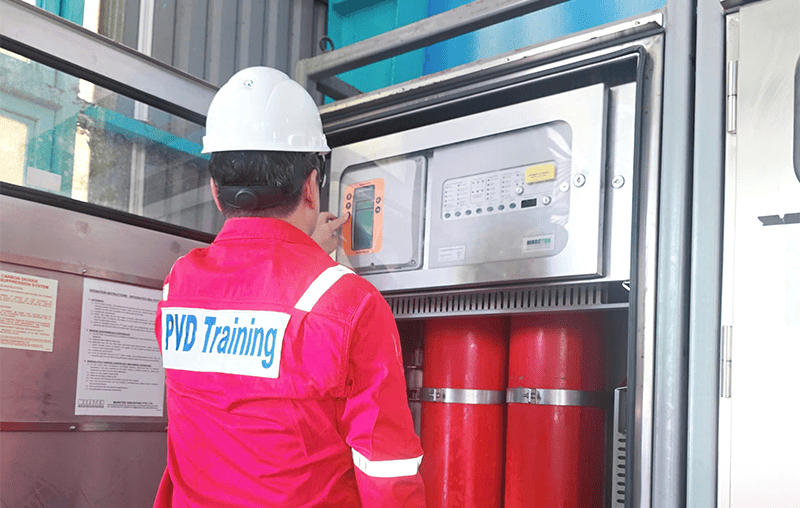
We inspect, maintain, and repair portable and fixed fire extinguishers, including powder extinguishers, CO₂ extinguishers, clean agent extinguishers, and other specialized firefighting equipment. Inspections are conducted to assess the technical condition, operational capability, and safety compliance of each device.

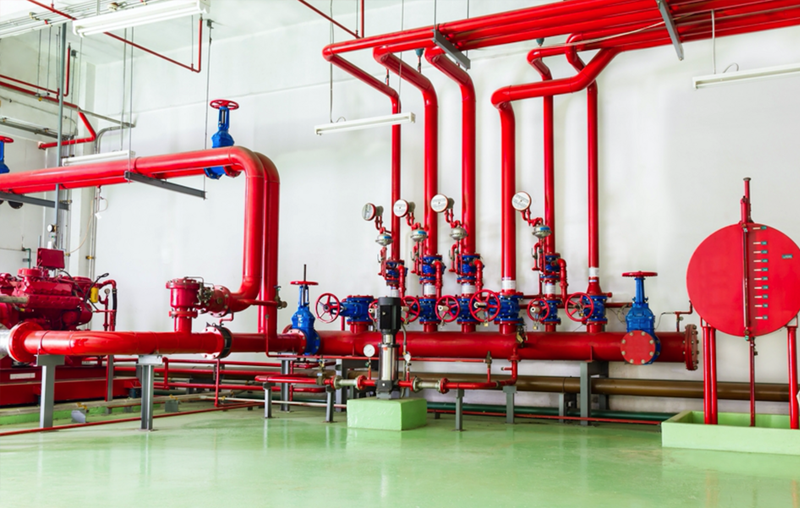
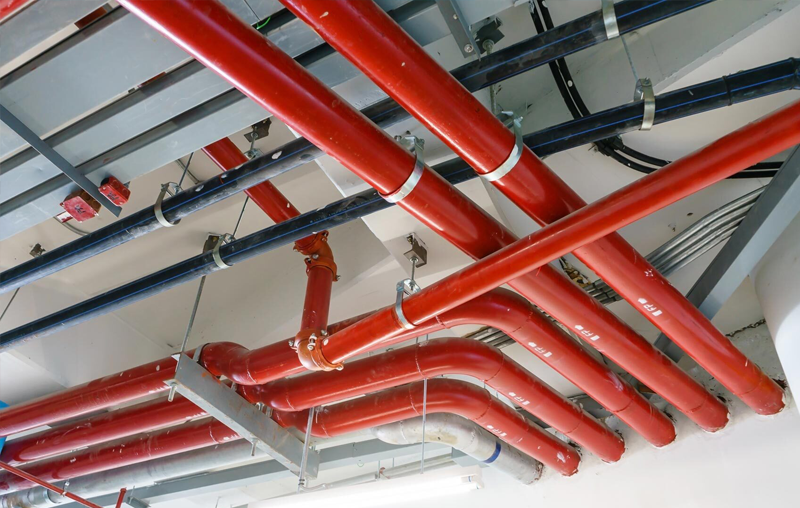
In addition, PVD Training provides maintenance and inspection services for fixed firefighting systems, including water-based firefighting systems, foam (AFFF) systems, gas firefighting systems such as FM200, and equivalent systems. The work includes inspecting the condition of pipes, valves, nozzles, activation devices, and related components to ensure the system can operate effectively in the event of a fire or explosion.

Additionally, the service includes inspection and maintenance of breathing and rescue equipment, such as SCBA and escape aids, to ensure readiness for use in emergency situations.

Service implementation process

PVD Training’s fire protection equipment and system services are implemented according to a strict control process to ensure quality, safety, and compliance.

First, the technical team surveys the current status of the fire protection and firefighting system, assessing the condition of the equipment, the degree of wear and tear, operational capabilities, and any points that do not meet technical requirements or safety regulations. Based on this, we develop a maintenance and repair plan appropriate to the actual conditions of each project.

During implementation, maintenance, repair, and inspection work is carried out in accordance with technical procedures, with safety supervision and quality control. After completion, the system and equipment are re-inspected to confirm their operational status and level of compliance with safety requirements before being handed over to the customer.

Technical standards and safety compliance

Throughout the entire service provision process, PVD Training strictly adheres to occupational safety requirements and technical standards applicable to fire protection systems in the oil and gas and industrial sectors. Inspection and maintenance activities are carried out in accordance with the investor’s internal regulations, industry technical standards, and relevant legal requirements.

Compliance with safety standards and procedures not only ensures the effective operation of fire protection and firefighting systems but also supports customers in safety inspections, assessments, audits, and compliance with relevant parties’ regulations.

Value and benefits

PVD Training’s fire protection equipment and system services provide tangible value in enhancing the overall safety of buildings and workers. Properly inspected and maintained fire protection systems help minimize fire and explosion risks, limiting damage to people and property in the event of an incident.

In addition, regular maintenance and technical control of the system helps customers maintain operational readiness and avoid production interruptions due to safety-related issues. The service also contributes to extending the life of equipment and optimizing long-term operating and maintenance costs.

Application Areas

    • PVD Training’s Firefighting Equipment & System Services are suitable for various types of projects and facilities, including:
    • Oil and gas drilling rigs and offshore projects
    • Industrial plants and manufacturing facilities
    • Warehouses and storage areas for flammable materials
    • Oil and gas service vessels and marine structures

Industrial Valve System Inspection, Assessment, and Maintenance Services

Service Overview

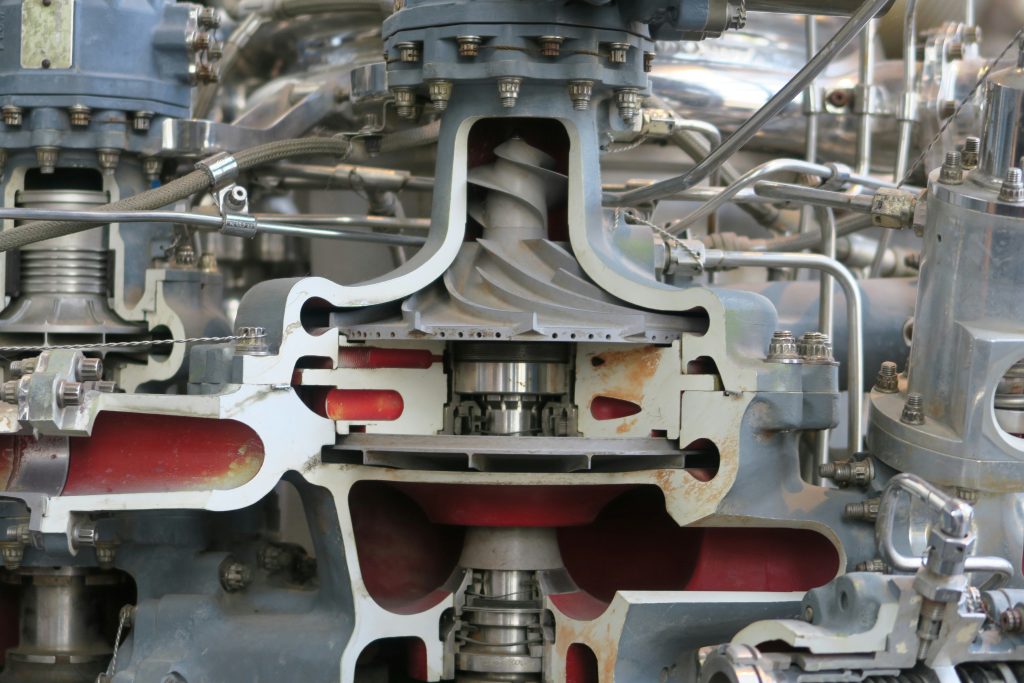
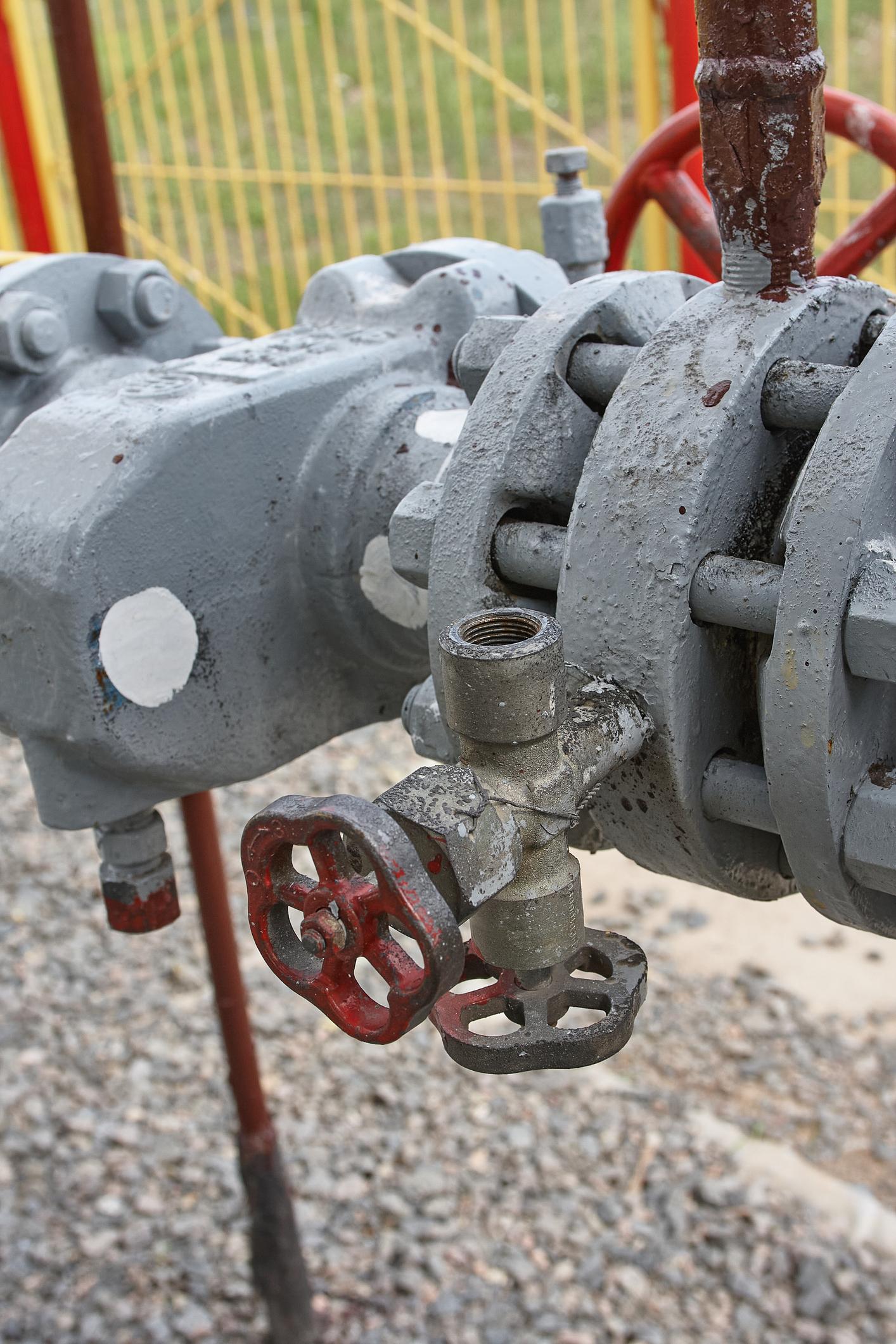
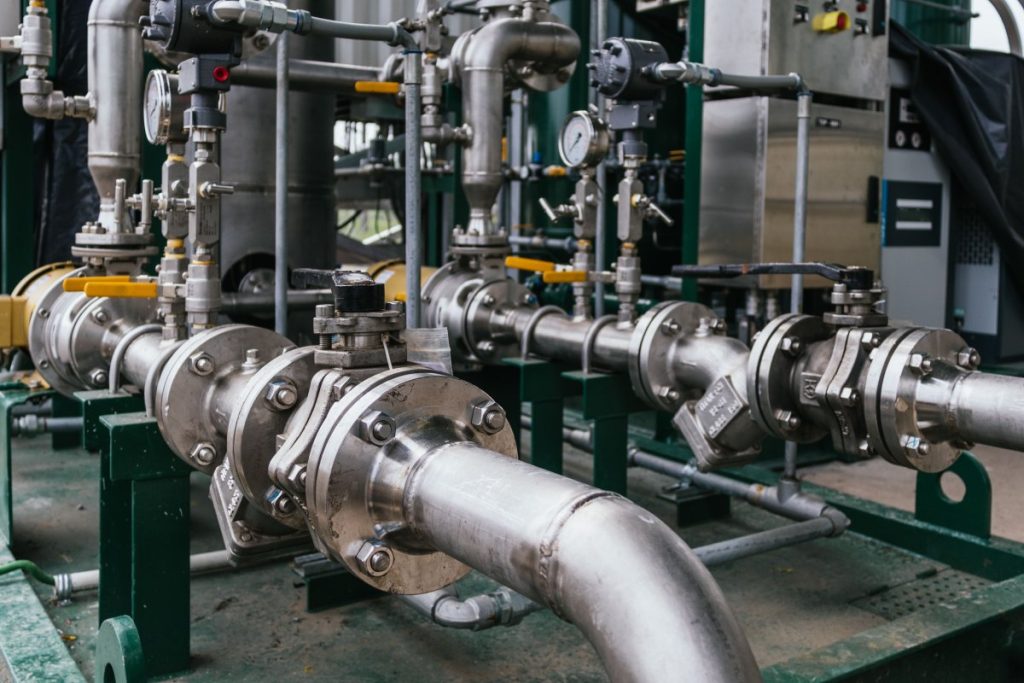
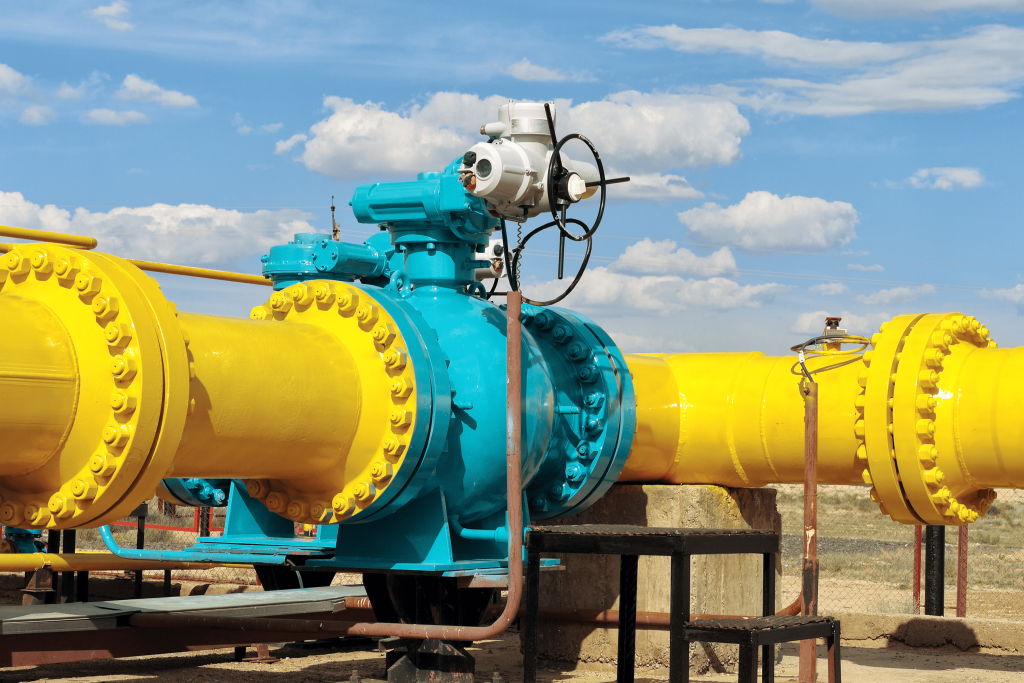
Valves are core components in the technological systems of industrial plants, piping systems, and offshore oil and gas projects. They regulate the flow, pressure, and volume of media such as oil, gas, water, chemicals, and other industrial substances. Due to continuous operation under high loads, high pressures, and harsh environments, valve systems are prone to wear, performance degradation, or failure if not properly maintained.

PVD Training provides valve maintenance services, including equipment inspection, technical condition assessment, and maintenance activities tailored to actual operating conditions. These services help customers maintain equipment performance, minimize unplanned downtime, and extend the lifespan of the entire valve system in plants and offshore facilities.

The role of valve maintenance in industrial operations

In industrial and oil and gas systems, valve-related incidents can have serious consequences such as fluid leaks, loss of pressure control, production line interruptions, and even human safety impacts. Therefore, valve maintenance is not only a routine technical activity but also an important part of asset safety and operation management.

Proper timing and methods of maintenance help:

    • Maintain stable flow and pressure in the system
    • Detect early signs of damage or performance degradation
    • Reduce the risk of technical failures and accidents
    • Limit major repair costs and prolonged downtime

PVD Training’s valve maintenance services play a crucial role in ensuring safe, continuous, and efficient operation for industrial and offshore projects.

Scope of valve maintenance services

PVD Training’s valve maintenance services are implemented flexibly to suit the operational characteristics and technical requirements of each system. The scope of services includes:

    • Comprehensive inspection of valve technical condition
    • Assessment of wear and tear levels and operational performance
    • Scheduled maintenance or maintenance based on actual operating conditions
    • Performing maintenance tasks to restore and maintain equipment performance
    • Technical support during system operation and maintenance

Maintenance activities are performed in accordance with the operating conditions of the equipment, including industrial plant environments and offshore facilities.

Maintenance methods and procedures

PVD Training implements valve maintenance services following strict technical procedures to ensure the quality and reliability of equipment after maintenance.

The process begins with a survey of the system’s current status, collecting information on operating conditions, maintenance history, and technical issues that have arisen. Based on this, the technical team conducts a detailed inspection of each valve, assesses its condition, and determines the items that need maintenance.

After completing the assessment, PVD Training performs appropriate maintenance work to ensure the equipment meets operational requirements. Maintenance results are recorded and reported, serving equipment management and future maintenance planning.

Ensuring system performance and reliability

The goal of valve maintenance services is to ensure that the system always operates stably and meets technical requirements throughout its operating life. Maintaining equipment performance helps the system operate more efficiently, reduces energy losses, and minimizes incidents.

For offshore projects and continuous operation systems, valve reliability is a key factor in ensuring safety and progress. PVD Training’s services help customers proactively control equipment status and maintain stable operating conditions in the long term.

Value and benefits

PVD Training’s valve maintenance services provide customers with many practical benefits in operation and technical maintenance.

Firstly, the service helps minimize downtime, reducing interruptions in production and operation. Additionally, proper maintenance extends the lifespan of the valve system, reduces replacement costs, and optimizes long-term maintenance expenses.

The service also supports customers in technical asset management, enhancing safety and ensuring compliance with technical and safety requirements applicable to offshore plants and structures.

Application areas

PVD Training’s valve maintenance service is suitable for many fields and types of projects, including:

    • Industrial plants and industrial parks
    • Pipeline systems and technological lines
    • Oil and gas projects and offshore drilling rigs
    • Technical operation and maintenance projects

Electrical & Instrumentation Services

Service Overview

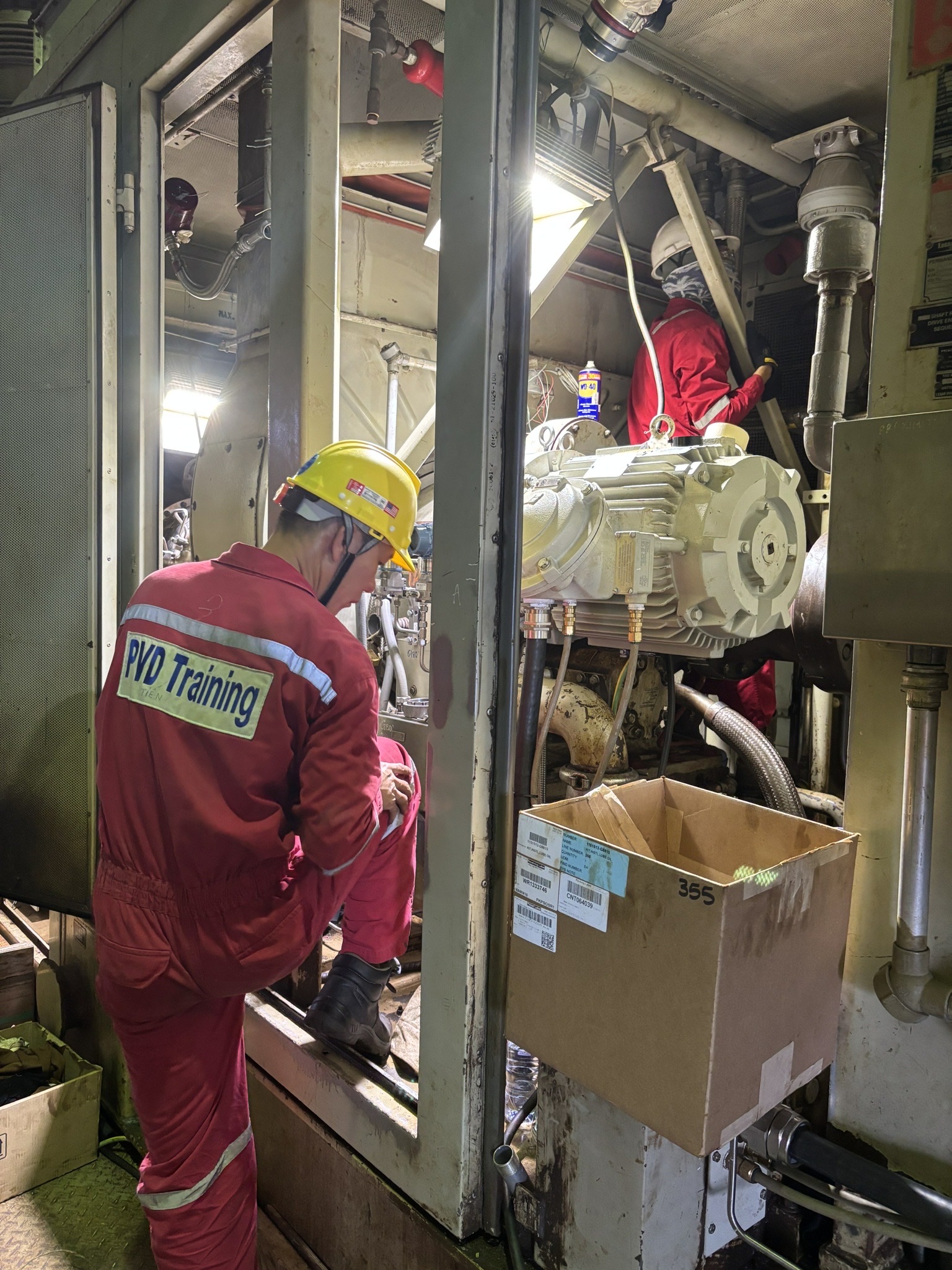
PVD Training provides Electrical & Instrumentation (E&I) services for oil and gas, industrial, and marine projects, meeting the requirements for continuous, safe, and stable operation in harsh working environments. The services are designed to support customers throughout the entire technical system lifecycle, from initial installation, operation, and periodic maintenance to system repair and modification.

With a team of engineers and technicians with practical experience in onshore and offshore projects, PVD Training provides E&I solutions tailored to the specific characteristics of each project, ensuring that electrical and control systems meet technical, safety, and environmental requirements.

Scope of Services

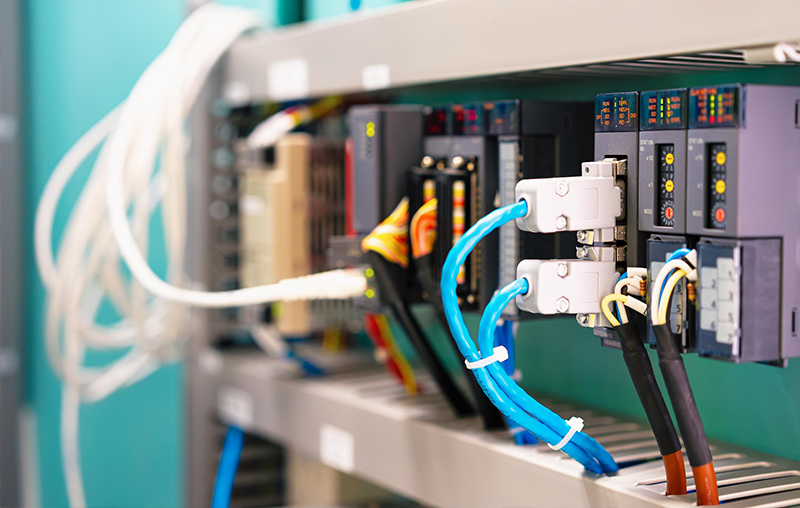
E&I services include installation, inspection, connection, and maintenance of low-voltage and medium-voltage electrical systems, electrical cabinets, electrical cables, and measurement and control equipment. In addition, we provide preventive maintenance, repair maintenance, system calibration, and technical support during system commissioning and acceptance testing.

Implementation Process

E&I activities are carried out according to a clear technical process, including site surveys, risk assessments, construction and maintenance planning, work implementation, and inspection and acceptance. All work is supervised to ensure compliance with safety and quality requirements.

Value Delivered

PVD Training’s E&I services help customers maintain stable operating conditions, minimize system failures, optimize energy efficiency, and extend equipment life. This is a critical factor in ensuring long-term occupational safety and production efficiency.