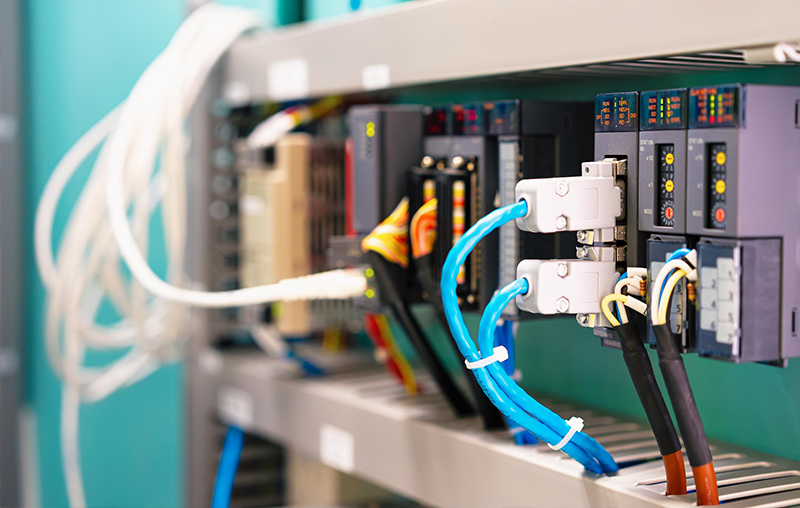

It begins like any other morning on a drilling rig. The shift is progressing according to plan: maintenance activities are underway, weather conditions are stable, and all operating parameters sit comfortably within their green zones.
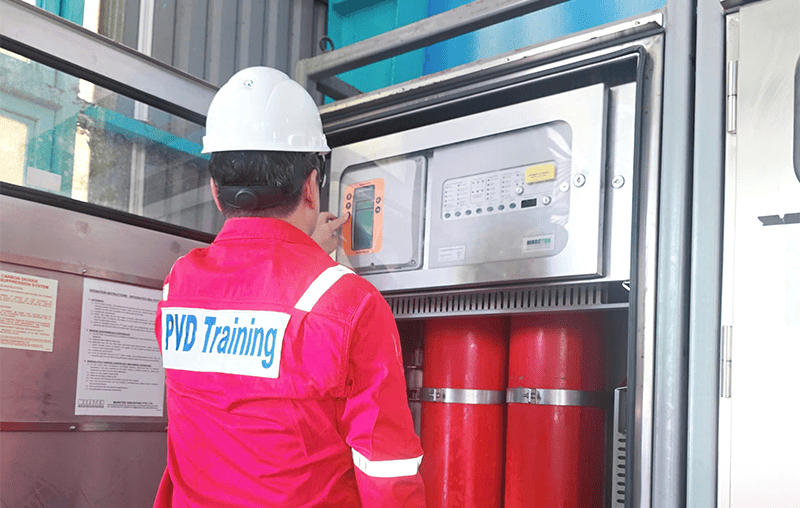
Then, the gas detection system flashes red.
At first, it appears to be a localized, minor warning. Within minutes, however, telemetry spikes—gas readings are rising exponentially.
In this hyper-critical window, the greatest danger to the facility is not actually the gas release itself. It is the catastrophic potential for systemic confusion.
As the alarms echo, critical questions collide in real-time:
- Who owns the ultimate decision?
- Do we initiate an immediate, costly emergency shutdown (ESD)?
- Is it time to muster and prepare for full personnel evacuation?
- Who is managing the vital communication link to the onshore support team?
- Who is verifying the chaos of incoming data before it panics the crew?
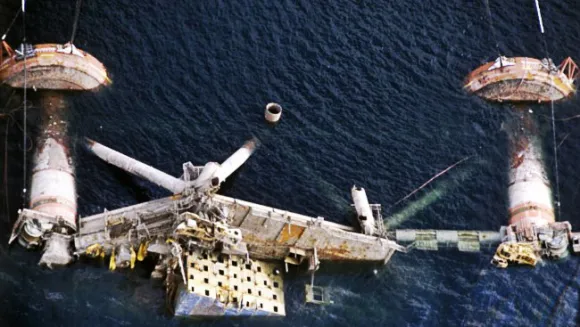
History shows that in many of the world’s most devastating industrial incidents, the root cause of disaster was rarely a lack of safety equipment or missing procedures. Tragedy struck because decision-makers lacked accurate information, had never been conditioned to think under extreme pressure, and lacked a flawless command structure during the golden first minutes of the crisis.
What Happens When Leadership Loses Control of a Situation?
When a high-stakes emergency occurs, human psychology under stress often triggers flawed response patterns. Unrefined command teams frequently:
- Hyper-focus on the technical problem while losing sight of broader asset safety.
- Gather excessive, redundant data as a stalling mechanism to avoid making hard choices.
- Make premature decisions without fully assessing the domino risks.
- Communicate inconsistently, leaving response teams siloed and blind.
- Lose sight of ultimate priorities: Life safety, incident stabilization, and environmental protection.
In high-hazard industries, a delay of only a few minutes transforms a manageable technical anomaly into a catastrophic operational crisis.
This is why leading global operators do not just train frontline response teams—they invest heavily in specialized command training for those responsible for managing the emergencies. The difference between a well-controlled incident and a major disaster always comes down to the capability of the Incident Commander.
This is precisely why the MEMIR (Major Emergency Management Initial Response) and MEM (Major Emergency Management) programs were developed and have become an essential part of the global oil & gas safety management framework.
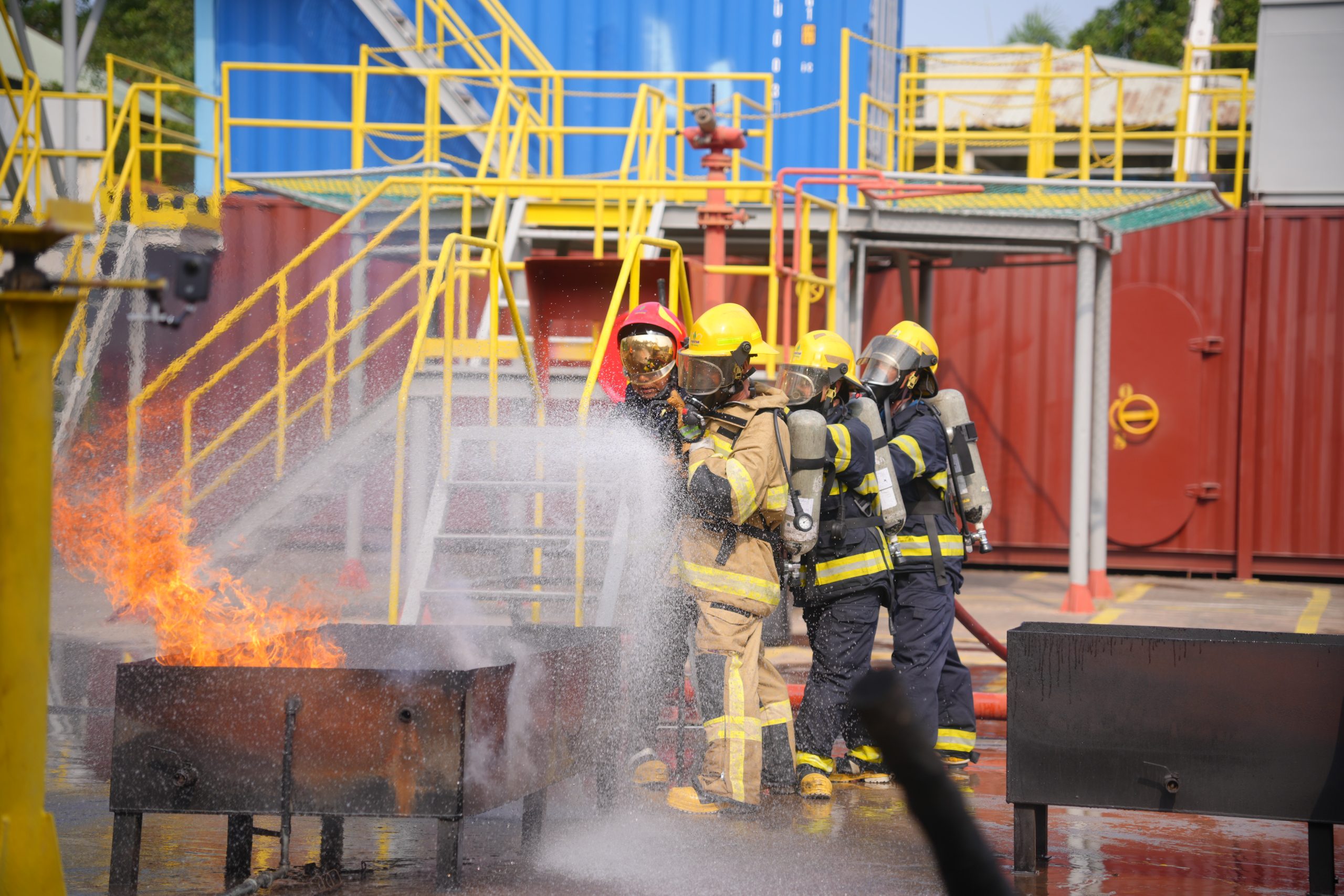
How Is Emergency Management Different from Emergency Response?
To understand the value of MEMIR (Major Emergency Management Initial Response) and OIMCE (Offshore Installation Manager Controlling Emergencies), it is vital to distinguish between tactical response and strategic management.
| Feature | Emergency Response (Tactical) | Emergency Management (Strategic) |
| The Actor | Firefighters, Medics, Technicians | Emergency Managers, OIMs, Rig Managers |
| Core Duty | Execute hands-on mitigation (extinguishing fires, plugging leaks, triage). | Maintain the macro perspective; manage the entire picture. |
| Primary Skills | Technical proficiency, physical execution, equipment operation. | Command structures, information filtering, resource allocation, and communication under conditions of uncertainty. |
In short: Response teams fight the hazard. Emergency Managers command the theater.
Why Does the Oil & Gas Industry Place Such Importance on MEMIR and MEM?
Oil & gas is a high-risk industry operating within highly complex environments.
A single incident can simultaneously impact:
• People
• Equipment
• The environment
• Corporate reputation
• Production and operational continuity
Because the stakes are absolute, roles such as Offshore Installation Managers (OIMs), Rig Managers, and Emergency Commanders are required to achieve certified competence through MEMIR and OIMCE frameworks.
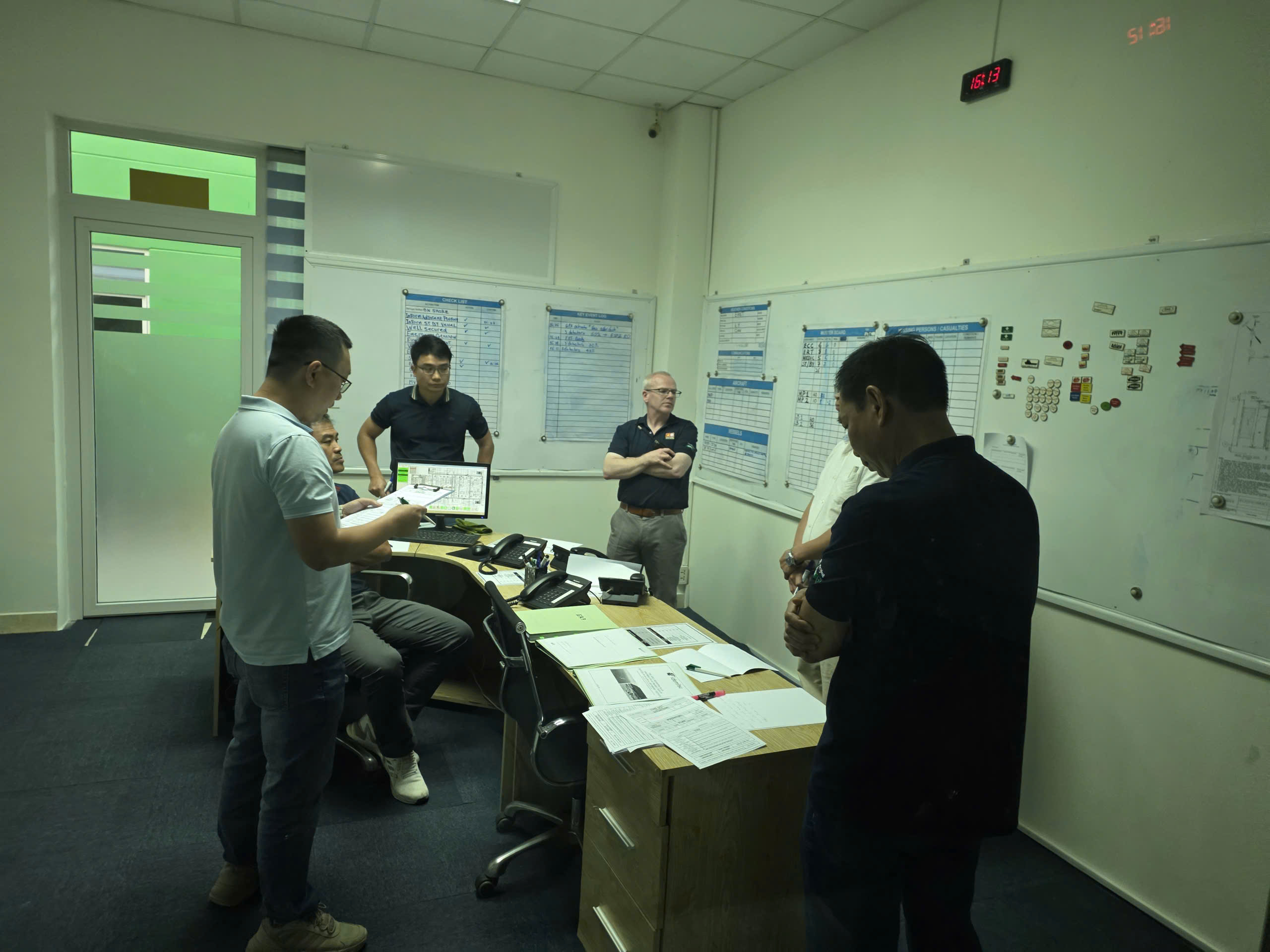
These programs utilize advanced, high-fidelity emergency simulations. Participants are thrust into realistic command roles during high-pressure scenarios. They must rapidly filter conflicting data, allocate scarce resources, delegate responsibilities, and make definitive, time-sensitive decisions.
The objective is not to memorize theory; it is to forge leadership capability when a crisis occurs.
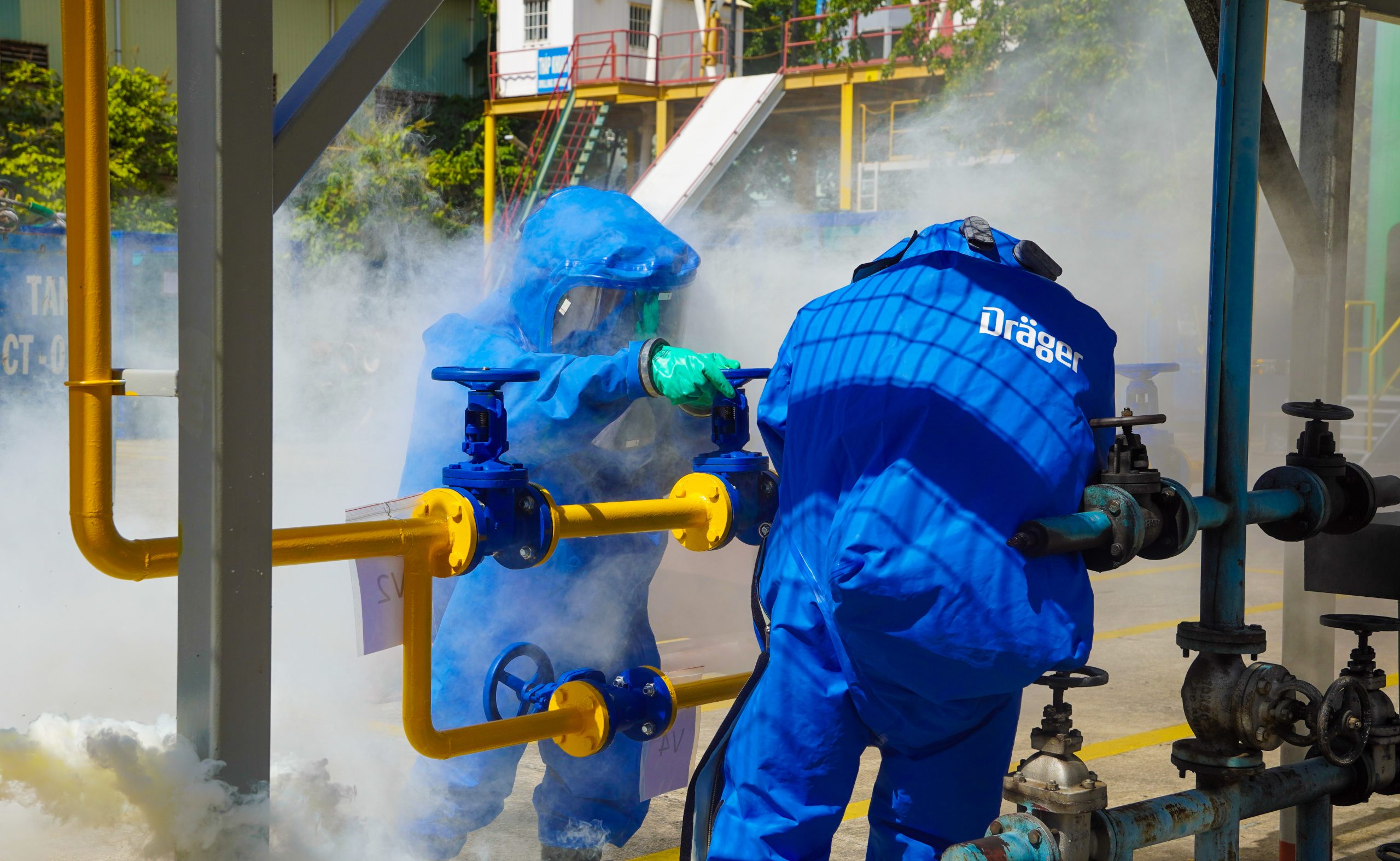
Not Cross-Sector Application: Beyond Oil & Gas
While born in the stringent safety culture of upstream energy, the core competencies of MEMIR and OIMCE are now recognized as best-practice across a diverse range of high-consequence sectors:
- Downstream Processing: Chemical, petrochemical, and refining facilities.
- Power & Utilities: Traditional power generation and large-scale renewable energy assets.
- Heavy Industry: Manufacturing plants and metal smelting operations.
- Logistics & Infrastructure: Maritime operations, major ports, and complex transportation networks.
Regardless of the sector, the fundamental principles of emergency management remain unyielding: Identify the problem accurately, make the right decision at the right time, control resources effectively, and maintain organizational control throughout.
PVD Training – Supporting Organizations in Developing Emergency Management Capability
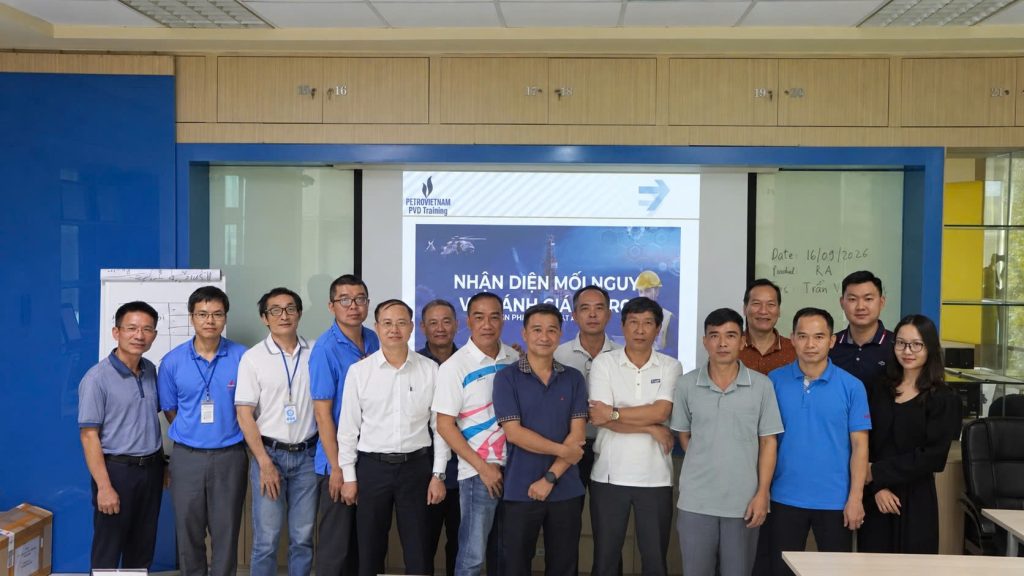
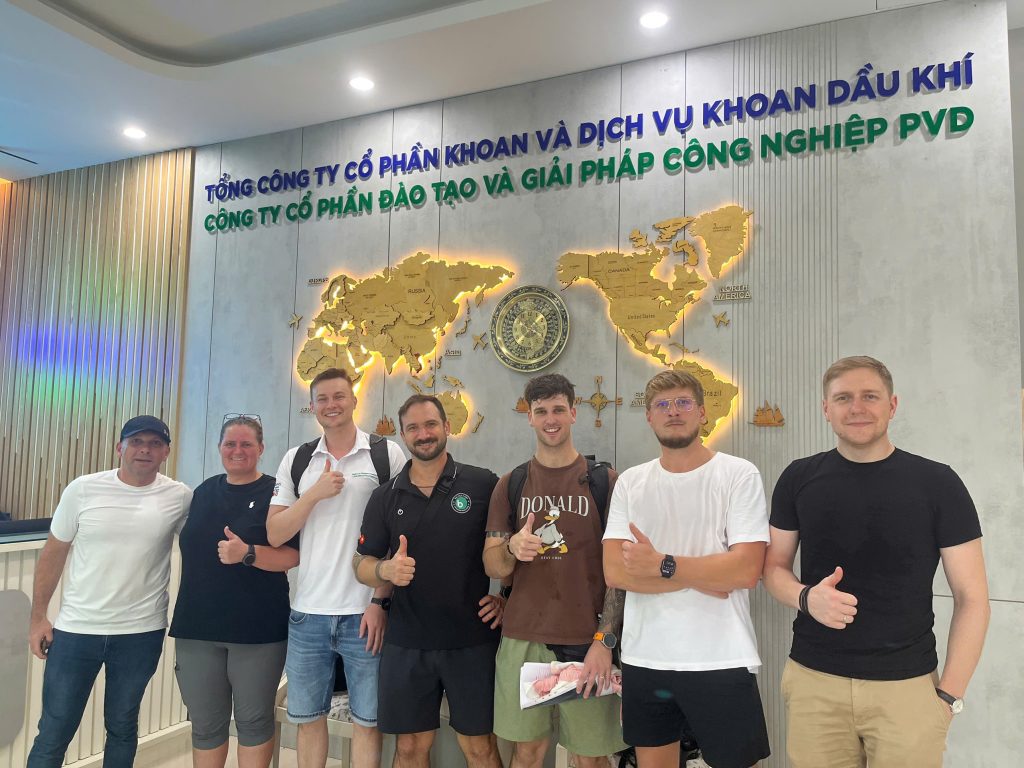
With extensive experience delivering training for the oil & gas, energy, and industrial sectors, PVD Training offers MEMIR and MEM programs designed to help organizations strengthen their preparedness for emergency situations.
The programs are developed with a practical approach, combining theoretical learning, scenario discussions, and realistic simulation exercises. This enables participants not only to understand emergency management processes but also to develop leadership capability and decision-making skills under pressure.
As organizations increasingly focus on safety, risk management, and operational resilience, investing in emergency management capability is no longer merely a compliance requirement—it has become an essential component of a sustainable business strategy.
MEMIR & MEM do not simply help organizations respond more effectively to emergencies—they help leaders make the right decisions when those decisions matter most.
- NH3 (Ammonia) – The Invisible Hazard In Industrial Operations And The Importance Of Chemical Emergency Response Teams
- Feedback GWO 04-2024
- Chương trình đào tạo Hàn từ cơ bản đến nâng cao tại PVD Training
- ANNOUNCEMENT OF LOYALY PROGRAM RESULTS: “SEND FEEDBACK – SHARE WISHES – WIN PRIZES”
- PVU và PVD Training Hợp Tác Phát Triển Nhân Lực Ngành Dầu Khí & Năng Lượng