AI at Work in 2026: Productivity Boost or Hidden Risk? The Answer Is Skill

The year AI moved from answering to working

As 2026 draws to a close, the leading AI tools have gained a long list of new abilities. OpenAI introduced GPT-6 in ChatGPT in October, after adding scheduled recurring tasks mid-year. Anthropic released several upgrades to Claude, including Claude Opus 5 in July, built for long-running, complex work, and Claude Fable 5.2 in November, aimed at demanding technical tasks. At Google I/O in May, Google launched Gemini 3.5 Flash, described as a series “combining frontier intelligence with action”, along with Docs Live, which lets users create and edit documents by voice. Microsoft 365 Copilot now lets users call Word, Excel and PowerPoint agents directly from the chat, and has added Claude models alongside OpenAI’s.

The common thread: AI no longer just answers questions. It takes on tasks, works through several steps and returns finished output.
Anh AI 1

How daily work has changed

In the office, tasks that used to take hours now take minutes. A monthly report can be drafted from raw figures. Customer emails come out in the company’s tone. Meeting notes become summaries with action items and owners. Spreadsheets with thousands of rows are filtered, summarised and charted with one instruction. Project plans, training schedules and document registers are organised faster.

Oil and gas and industrial companies are seeing the same shift. Maintenance engineers use AI to compile shift logs, compare them with failure history and draft maintenance reports. HSE teams review safety documentation, standardise risk assessment templates and summarise incident reports. HR and training managers track training records, flag expiring certificates and plan the annual training programme. Technical teams draft operating procedures, review tender documents and summarise technical documents hundreds of pages long. These are weekly tasks for people in the industry, and AI is shortening each one.

When AI is used carelessly

AI is useful, but careless use causes real damage. Three causes come up again and again.

First, people don’t know how to instruct it. A vague request such as “write a safety procedure for work at height” produces a generic document that may look professional but does not match the site’s equipment, standards or conditions.

Second, AI gets wrong or incomplete input. AI can only work with what it is given. When data is missing, it may fill the gaps with figures that sound plausible but are not real. In 2023, a US federal court sanctioned lawyers who filed a brief citing court cases that ChatGPT had invented. In our industry, the equivalent is a report with wrong figures or a procedure with made-up steps.

Third, output isn’t checked and data isn’t protected. Also in 2023, Samsung restricted staff use of generative AI after engineers pasted internal source code into ChatGPT. Now picture technical documents, well data or tender files pasted into a public tool.

In an office, an AI error may cost time to fix. In a safety-critical industry, a wrong figure in a report or an invented step in a procedure can cost far more.

campaign creators qCi MzVODoU unsplash scaled

The solution: learn to assign work to AI

The gap between using AI and using it well is not about the tool. It is a skill, and it can be learned.

People who are properly trained assign work to AI the way they would brief a new colleague: they explain the context, the purpose, the audience and the format. They supply the right documents and data instead of letting AI guess. They break large tasks into steps, ask AI to show its sources, and, most importantly, check the result before using it. They also know which data may go into which tool under company policy.

You can pick these skills up by trial and error, but learning from an expert, or through a course that practises on your own work, is faster and safer.

AI won’t replace people who know how to use it

Many people worry that AI will take their jobs. No one can promise that every job will stay the same. But there is a more reasonable way to look at it: AI handles the repetitive parts (drafting, compiling, formatting), while professional judgement, sign-off responsibility and site knowledge stay with people.

Those who learn to work with AI get more done in the same time, spend more time on work that needs expertise, and become more valuable to their employers. The people most at risk are not those who use AI, but those who never learn to work with it.
Anh AI 2

Start with the right course

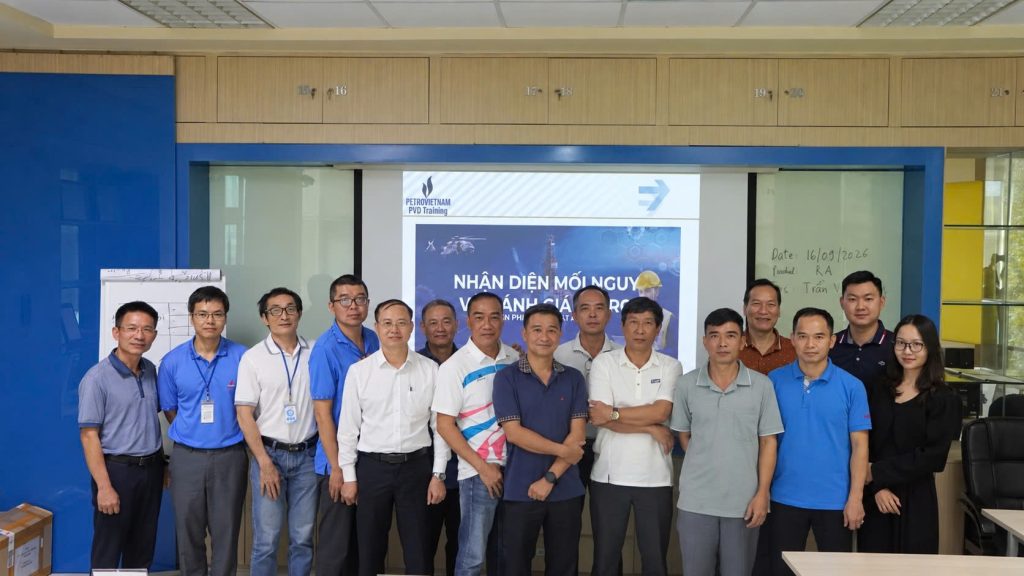
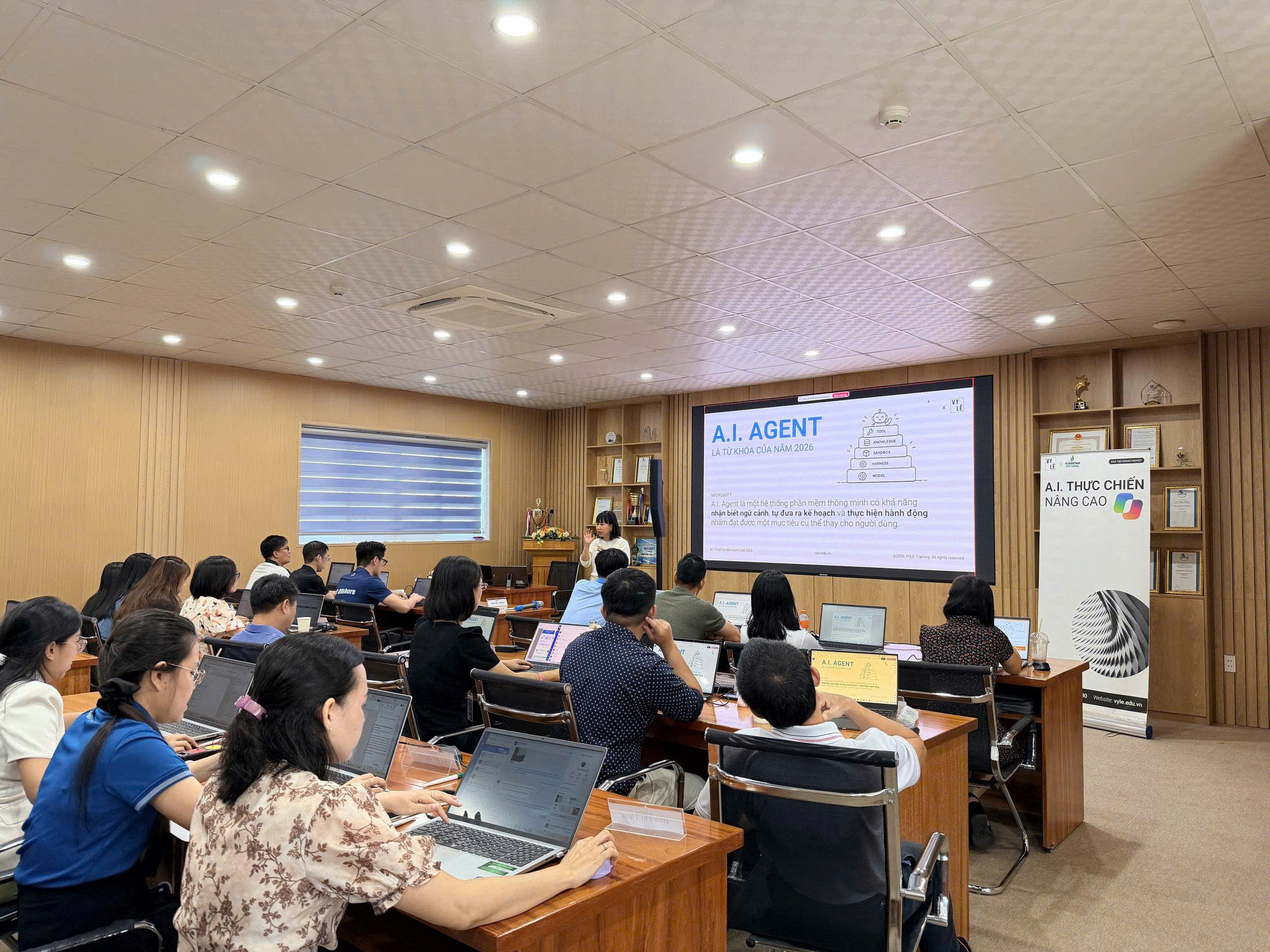
If you or your team already use AI but have never been trained, now is a good time to start. The Advanced AI – Copilot course at PVD Training, a training centre serving the oil and gas and industrial sectors, helps learners apply AI to their own daily work.

Fire Protection Equipment and System Services

Service Overview

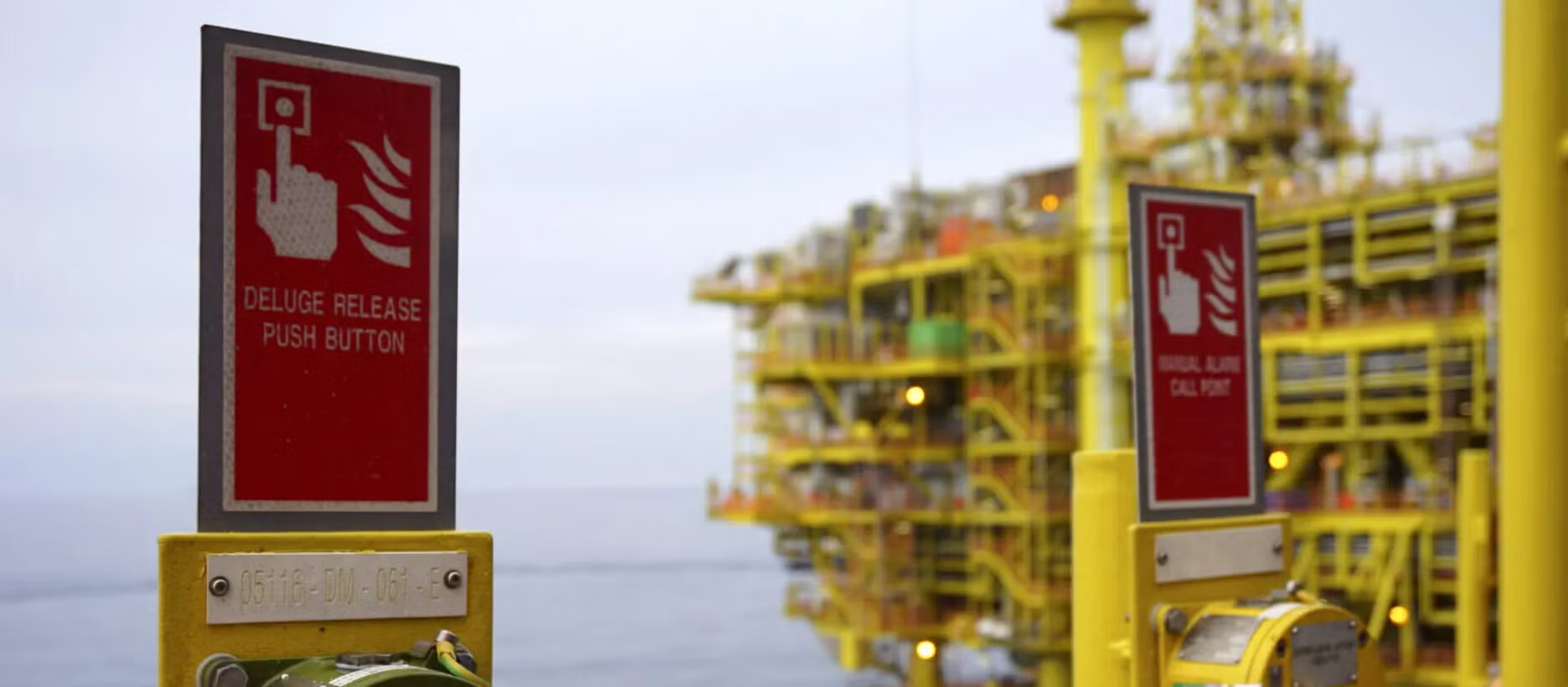
In the oil and gas, heavy industry, and offshore sectors, the risk of fire and explosion is ever-present due to the presence of flammable fuels, high-power electrical systems, and harsh operating conditions. Ensuring that fire protection equipment and systems are always ready for operation is a mandatory requirement to protect people, property, and maintain the continuity of production activities.

PVD Training provides inspection, maintenance, repair, and technical support services for fire protection equipment and systems, serving oil and gas projects, industrial plants, and offshore projects. These services are implemented to ensure that fire protection systems meet technical requirements, safety standards, and current legal regulations throughout their operational lifecycle.

Scope of Services

PVD Training’s Firefighting Equipment & System Services comprehensively cover all items related to firefighting equipment and systems used in industrial and offshore environments.

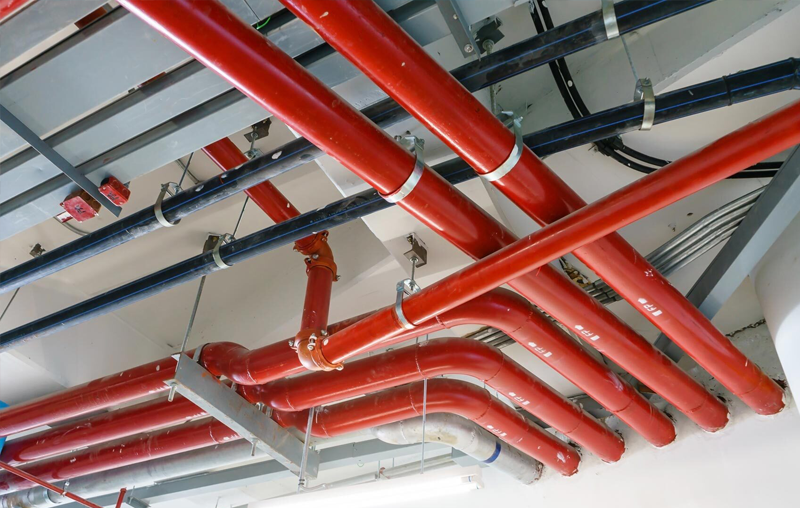
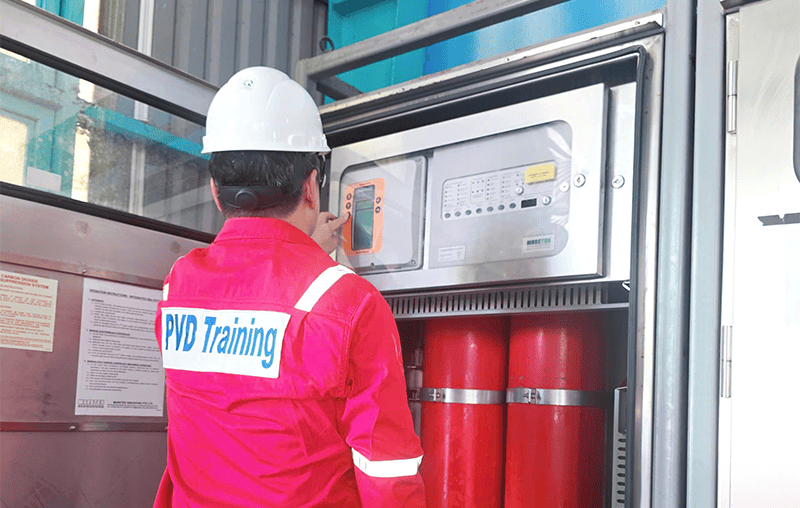
We inspect, maintain, and repair portable and fixed fire extinguishers, including powder extinguishers, CO₂ extinguishers, clean agent extinguishers, and other specialized firefighting equipment. Inspections are conducted to assess the technical condition, operational capability, and safety compliance of each device.

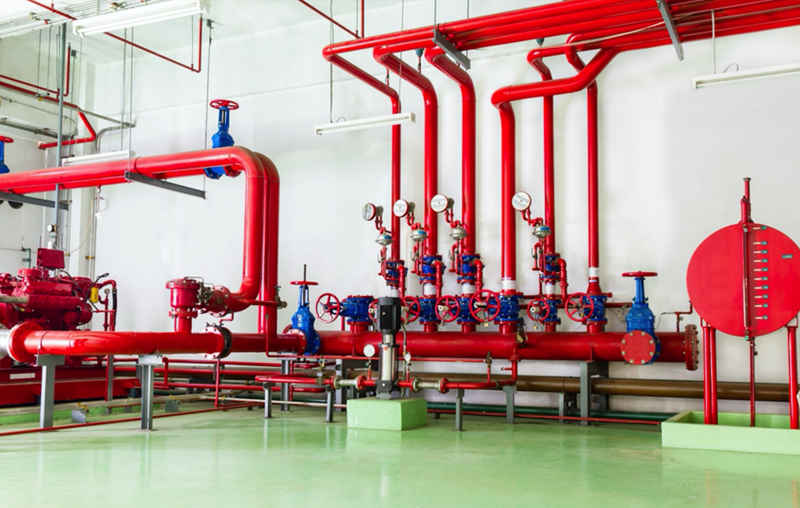
In addition, PVD Training provides maintenance and inspection services for fixed firefighting systems, including water-based firefighting systems, foam (AFFF) systems, gas firefighting systems such as FM200, and equivalent systems. The work includes inspecting the condition of pipes, valves, nozzles, activation devices, and related components to ensure the system can operate effectively in the event of a fire or explosion.

Additionally, the service includes inspection and maintenance of breathing and rescue equipment, such as SCBA and escape aids, to ensure readiness for use in emergency situations.

Service implementation process

PVD Training’s fire protection equipment and system services are implemented according to a strict control process to ensure quality, safety, and compliance.

First, the technical team surveys the current status of the fire protection and firefighting system, assessing the condition of the equipment, the degree of wear and tear, operational capabilities, and any points that do not meet technical requirements or safety regulations. Based on this, we develop a maintenance and repair plan appropriate to the actual conditions of each project.

During implementation, maintenance, repair, and inspection work is carried out in accordance with technical procedures, with safety supervision and quality control. After completion, the system and equipment are re-inspected to confirm their operational status and level of compliance with safety requirements before being handed over to the customer.

Technical standards and safety compliance

Throughout the entire service provision process, PVD Training strictly adheres to occupational safety requirements and technical standards applicable to fire protection systems in the oil and gas and industrial sectors. Inspection and maintenance activities are carried out in accordance with the investor’s internal regulations, industry technical standards, and relevant legal requirements.

Compliance with safety standards and procedures not only ensures the effective operation of fire protection and firefighting systems but also supports customers in safety inspections, assessments, audits, and compliance with relevant parties’ regulations.

Value and benefits

PVD Training’s fire protection equipment and system services provide tangible value in enhancing the overall safety of buildings and workers. Properly inspected and maintained fire protection systems help minimize fire and explosion risks, limiting damage to people and property in the event of an incident.

In addition, regular maintenance and technical control of the system helps customers maintain operational readiness and avoid production interruptions due to safety-related issues. The service also contributes to extending the life of equipment and optimizing long-term operating and maintenance costs.

Application Areas

    • PVD Training’s Firefighting Equipment & System Services are suitable for various types of projects and facilities, including:
    • Oil and gas drilling rigs and offshore projects
    • Industrial plants and manufacturing facilities
    • Warehouses and storage areas for flammable materials
    • Oil and gas service vessels and marine structures

Industrial Valve System Inspection, Assessment, and Maintenance Services

Service Overview

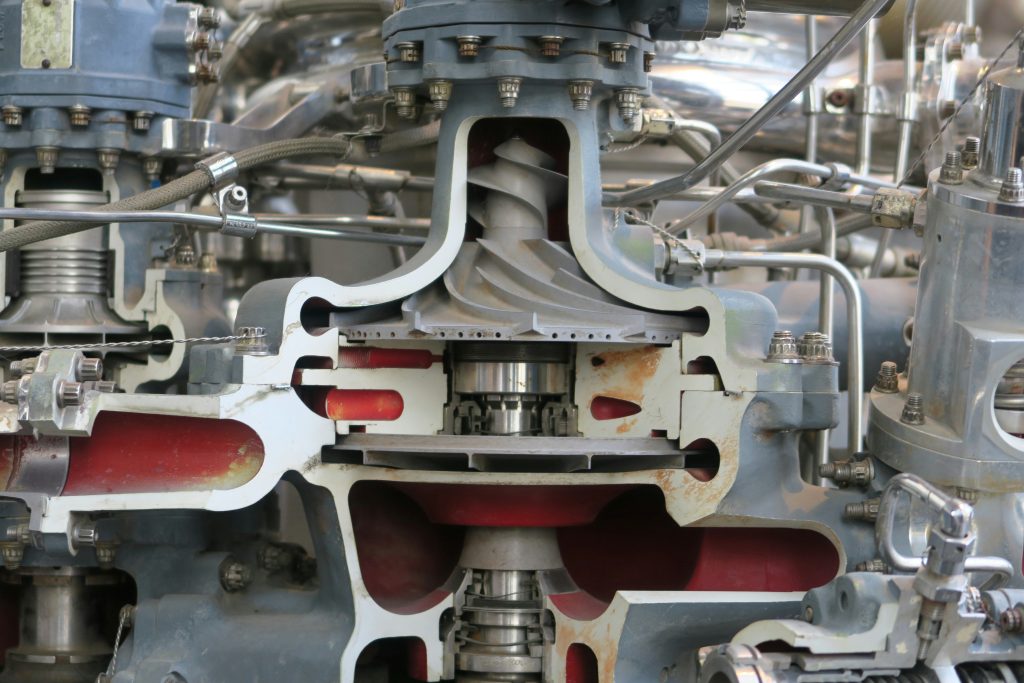
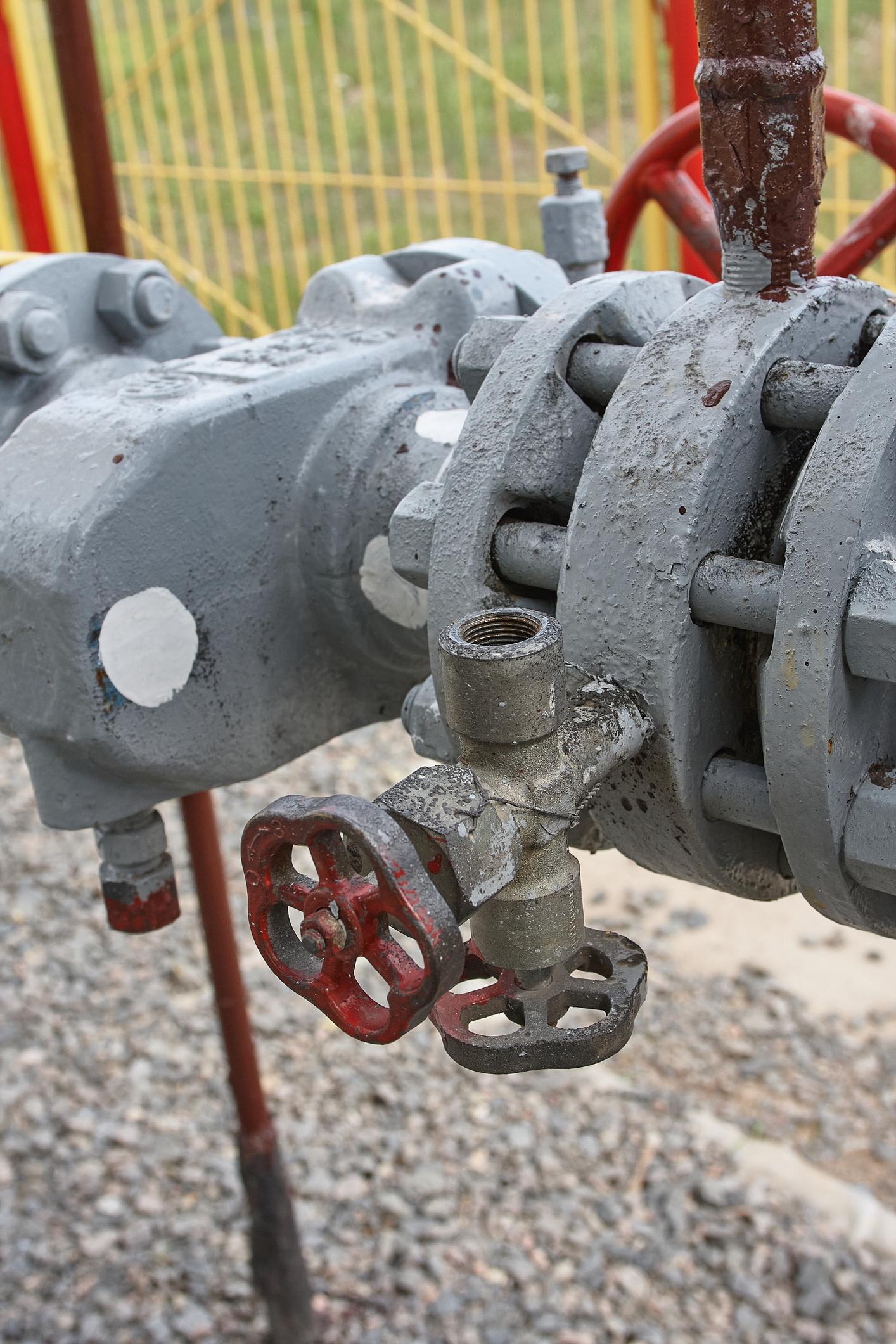
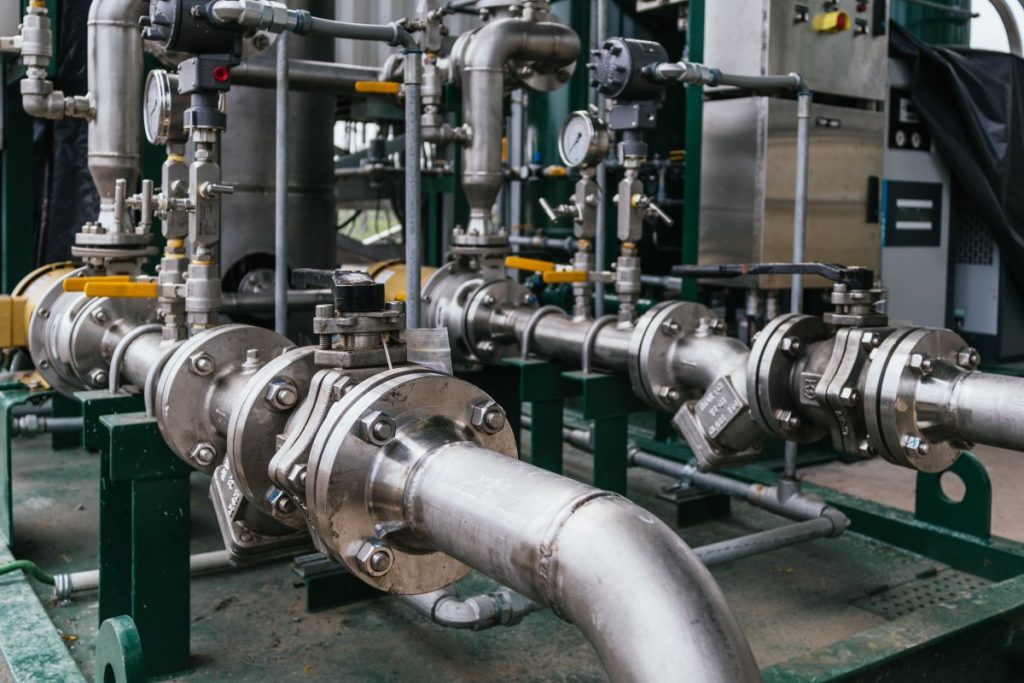
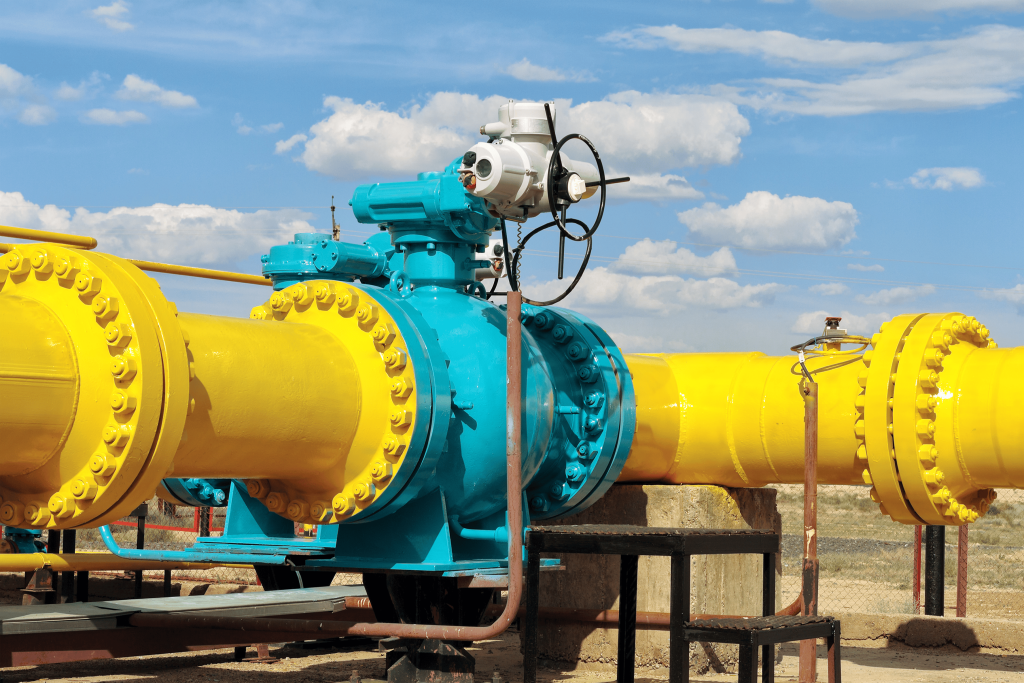
Valves are core components in the technological systems of industrial plants, piping systems, and offshore oil and gas projects. They regulate the flow, pressure, and volume of media such as oil, gas, water, chemicals, and other industrial substances. Due to continuous operation under high loads, high pressures, and harsh environments, valve systems are prone to wear, performance degradation, or failure if not properly maintained.

PVD Training provides valve maintenance services, including equipment inspection, technical condition assessment, and maintenance activities tailored to actual operating conditions. These services help customers maintain equipment performance, minimize unplanned downtime, and extend the lifespan of the entire valve system in plants and offshore facilities.

The role of valve maintenance in industrial operations

In industrial and oil and gas systems, valve-related incidents can have serious consequences such as fluid leaks, loss of pressure control, production line interruptions, and even human safety impacts. Therefore, valve maintenance is not only a routine technical activity but also an important part of asset safety and operation management.

Proper timing and methods of maintenance help:

    • Maintain stable flow and pressure in the system
    • Detect early signs of damage or performance degradation
    • Reduce the risk of technical failures and accidents
    • Limit major repair costs and prolonged downtime

PVD Training’s valve maintenance services play a crucial role in ensuring safe, continuous, and efficient operation for industrial and offshore projects.

Scope of valve maintenance services

PVD Training’s valve maintenance services are implemented flexibly to suit the operational characteristics and technical requirements of each system. The scope of services includes:

    • Comprehensive inspection of valve technical condition
    • Assessment of wear and tear levels and operational performance
    • Scheduled maintenance or maintenance based on actual operating conditions
    • Performing maintenance tasks to restore and maintain equipment performance
    • Technical support during system operation and maintenance

Maintenance activities are performed in accordance with the operating conditions of the equipment, including industrial plant environments and offshore facilities.

Maintenance methods and procedures

PVD Training implements valve maintenance services following strict technical procedures to ensure the quality and reliability of equipment after maintenance.

The process begins with a survey of the system’s current status, collecting information on operating conditions, maintenance history, and technical issues that have arisen. Based on this, the technical team conducts a detailed inspection of each valve, assesses its condition, and determines the items that need maintenance.

After completing the assessment, PVD Training performs appropriate maintenance work to ensure the equipment meets operational requirements. Maintenance results are recorded and reported, serving equipment management and future maintenance planning.

Ensuring system performance and reliability

The goal of valve maintenance services is to ensure that the system always operates stably and meets technical requirements throughout its operating life. Maintaining equipment performance helps the system operate more efficiently, reduces energy losses, and minimizes incidents.

For offshore projects and continuous operation systems, valve reliability is a key factor in ensuring safety and progress. PVD Training’s services help customers proactively control equipment status and maintain stable operating conditions in the long term.

Value and benefits

PVD Training’s valve maintenance services provide customers with many practical benefits in operation and technical maintenance.

Firstly, the service helps minimize downtime, reducing interruptions in production and operation. Additionally, proper maintenance extends the lifespan of the valve system, reduces replacement costs, and optimizes long-term maintenance expenses.

The service also supports customers in technical asset management, enhancing safety and ensuring compliance with technical and safety requirements applicable to offshore plants and structures.

Application areas

PVD Training’s valve maintenance service is suitable for many fields and types of projects, including:

    • Industrial plants and industrial parks
    • Pipeline systems and technological lines
    • Oil and gas projects and offshore drilling rigs
    • Technical operation and maintenance projects

Electrical & Instrumentation Services

Service Overview

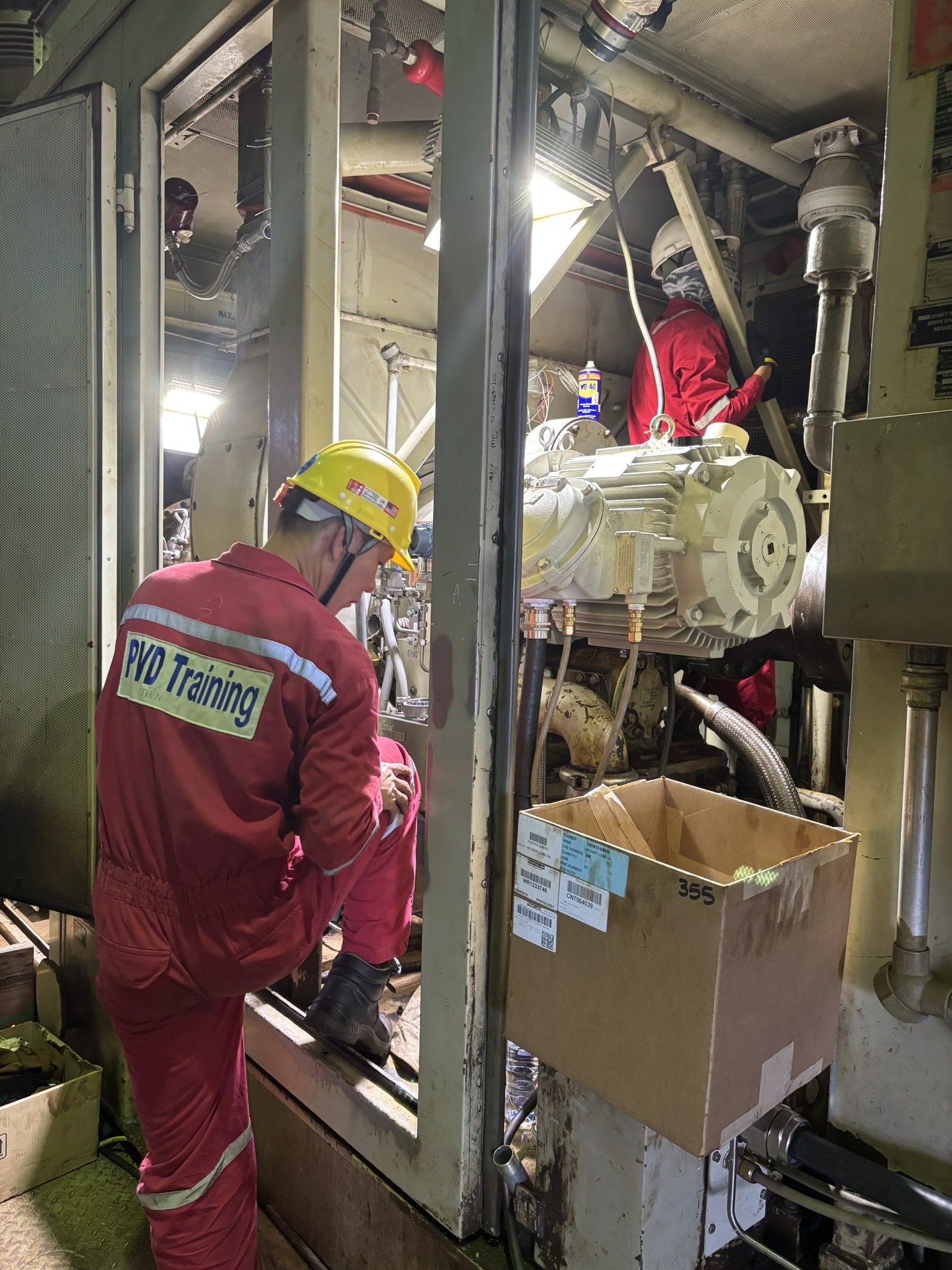
PVD Training provides Electrical & Instrumentation (E&I) services for oil and gas, industrial, and marine projects, meeting the requirements for continuous, safe, and stable operation in harsh working environments. The services are designed to support customers throughout the entire technical system lifecycle, from initial installation, operation, and periodic maintenance to system repair and modification.

With a team of engineers and technicians with practical experience in onshore and offshore projects, PVD Training provides E&I solutions tailored to the specific characteristics of each project, ensuring that electrical and control systems meet technical, safety, and environmental requirements.

Scope of Services

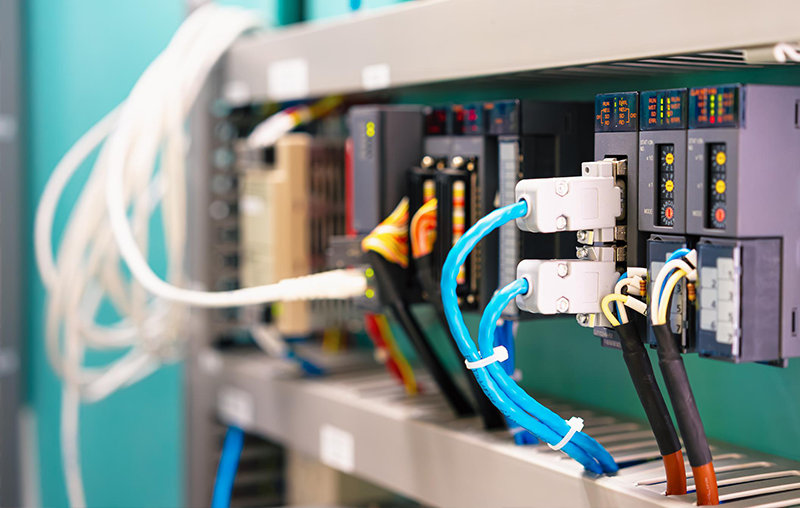
E&I services include installation, inspection, connection, and maintenance of low-voltage and medium-voltage electrical systems, electrical cabinets, electrical cables, and measurement and control equipment. In addition, we provide preventive maintenance, repair maintenance, system calibration, and technical support during system commissioning and acceptance testing.

Implementation Process

E&I activities are carried out according to a clear technical process, including site surveys, risk assessments, construction and maintenance planning, work implementation, and inspection and acceptance. All work is supervised to ensure compliance with safety and quality requirements.

Value Delivered

PVD Training’s E&I services help customers maintain stable operating conditions, minimize system failures, optimize energy efficiency, and extend equipment life. This is a critical factor in ensuring long-term occupational safety and production efficiency.