
The Night a Permit-to-Work Document Went Missing
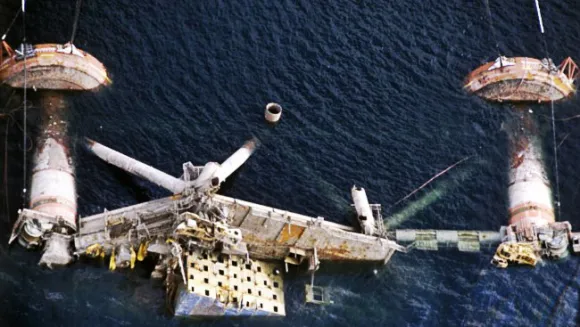
On the night of 6 July 1988, on the Piper Alpha offshore platform in the North Sea, Scotland, a safety valve had been removed from a pump for maintenance. The day shift was aware of the work and had taken the pump out of service. However, during the shift handover, the permit-to-work documenting the pump’s condition was not properly communicated to the night shift. Unaware that the safety valve had been removed, the night shift restarted the pump.
Condensate leaked from the location where the valve had been removed, ignited, and triggered a series of explosions that ultimately destroyed the platform and claimed 167 lives. It remains one of the deadliest offshore oil and gas disasters in industry history.
What makes the incident particularly significant is that the risk was not something that could not have been anticipated. Subsequent investigations identified serious weaknesses in the permit-to-work system and inadequate management and control of major hazards on the platform. In other words, this was not simply a matter of bad luck, but the consequence of critical risks and controls not being managed effectively.
What Is Risk Assessment, and Why Is It Important to Understand It Properly?
Risk Assessment is a systematic process consisting of three fundamental steps: identifying the hazards present in an activity or workplace, evaluating the level of risk based on the likelihood of occurrence and severity of consequences, and identifying — then implementing — appropriate control measures to reduce the risk to an acceptable level.
The key lesson from Piper Alpha is that risk assessment is not simply a form to be completed for compliance purposes. It must be carried out meaningfully, communicated effectively between shifts and relevant departments, and maintained consistently throughout operations. A single breakdown in the flow of critical information can lead to consequences far beyond what anyone anticipated.
Industrial Risk: More Than Just “What Could Happen”
In any industrial environment — from manufacturing and construction to energy — risk exists in many forms. These include mechanical hazards associated with machinery and lifting equipment, electrical hazards, chemical hazards, ergonomic risks arising from working posture and repetitive tasks, and one category that is often underestimated: human and communication-related risks, which played a critical role in the Piper Alpha disaster.
An effective risk assessment program must consider all these categories rather than focusing only on visible hazards such as machinery or chemicals while overlooking weaknesses in shift handovers, communication processes, procedures, and safety culture.
Oil & Gas: An Industry Where Risk Leaves No Room for Guesswork
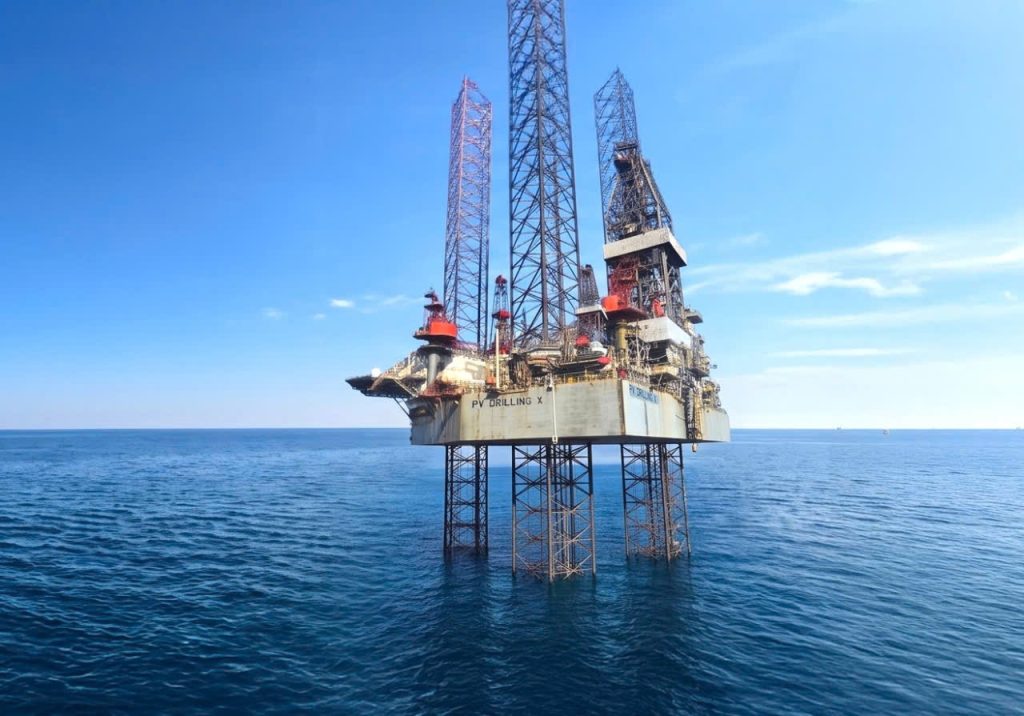
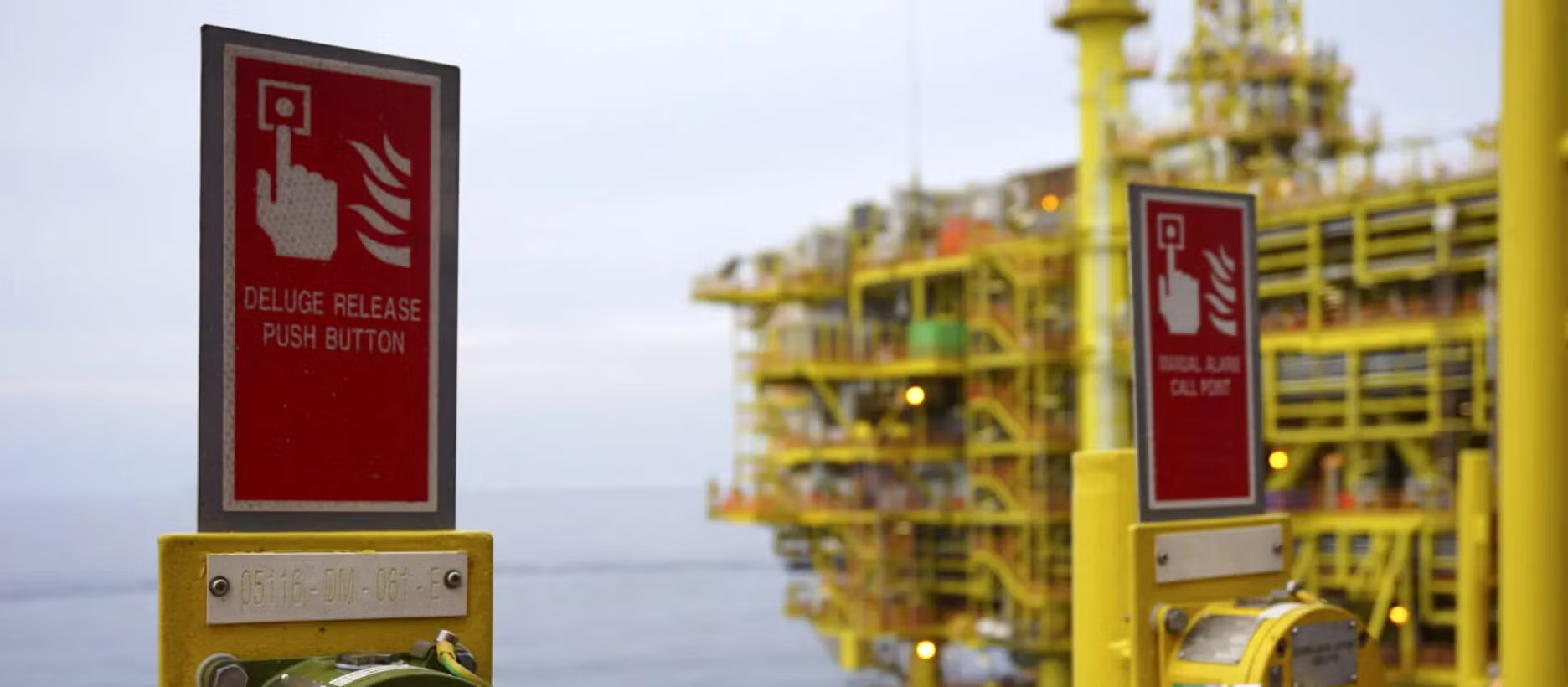
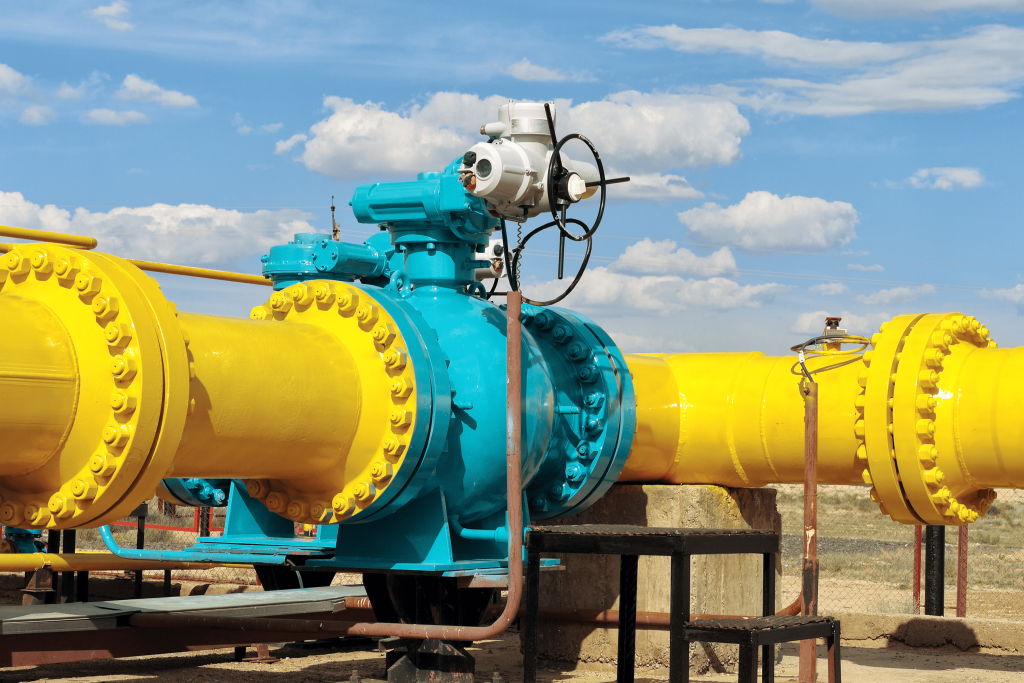
The oil and gas industry has a distinctive and significantly elevated risk profile compared with many other industrial sectors. Personnel may work with flammable and explosive materials, toxic gases such as H₂S, high-pressure and high-temperature systems, and in offshore or processing-plant environments where evacuation options may be limited.
Operations also rely heavily on complex permit-to-work systems, particularly when maintenance is carried out on or around operating equipment — precisely the type of control failure associated with the Piper Alpha disaster.
For this reason, risk assessment in the oil and gas industry is not simply a “nice-to-have” capability. It is an essential competency for personnel involved in operations, maintenance, and technical supervision — from HSE engineers and maintenance supervisors to instrumentation technicians, production engineers, and wellsite supervisors.
Risk Assessment Training at PVD Training
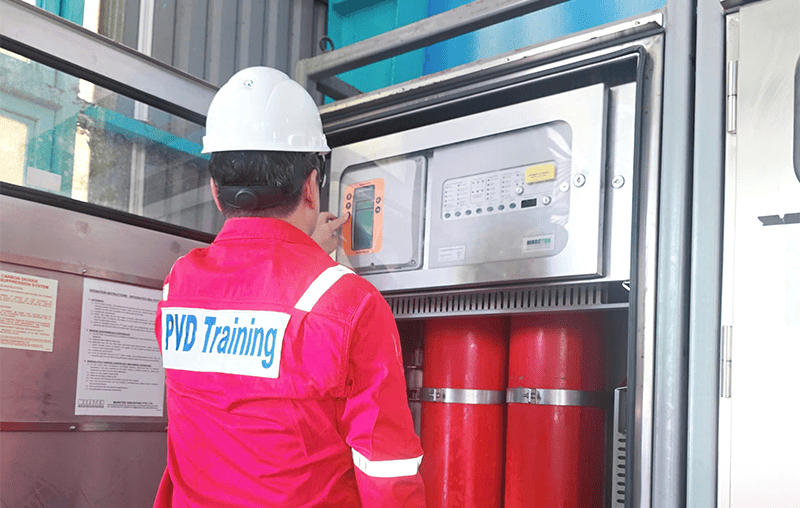
PVD Training’s Risk Assessment course is developed around this fundamental principle: enabling participants to adopt a proactive mindset — identifying hazards before they develop into incidents rather than simply responding to consequences after an incident occurs.
The course focuses on practical exercises based on real-world oil and gas operational scenarios and follows the three core stages of risk assessment:
Hazard Identification → Risk Evaluation → Selection of Appropriate Control Measures
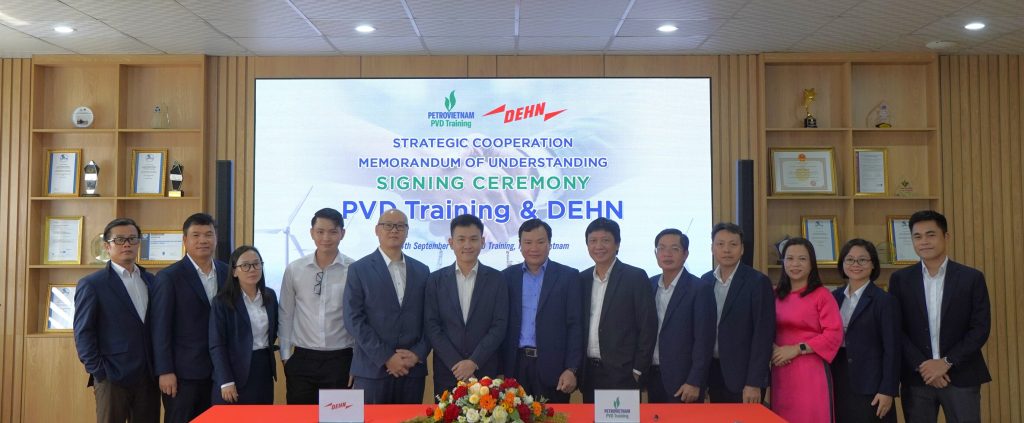
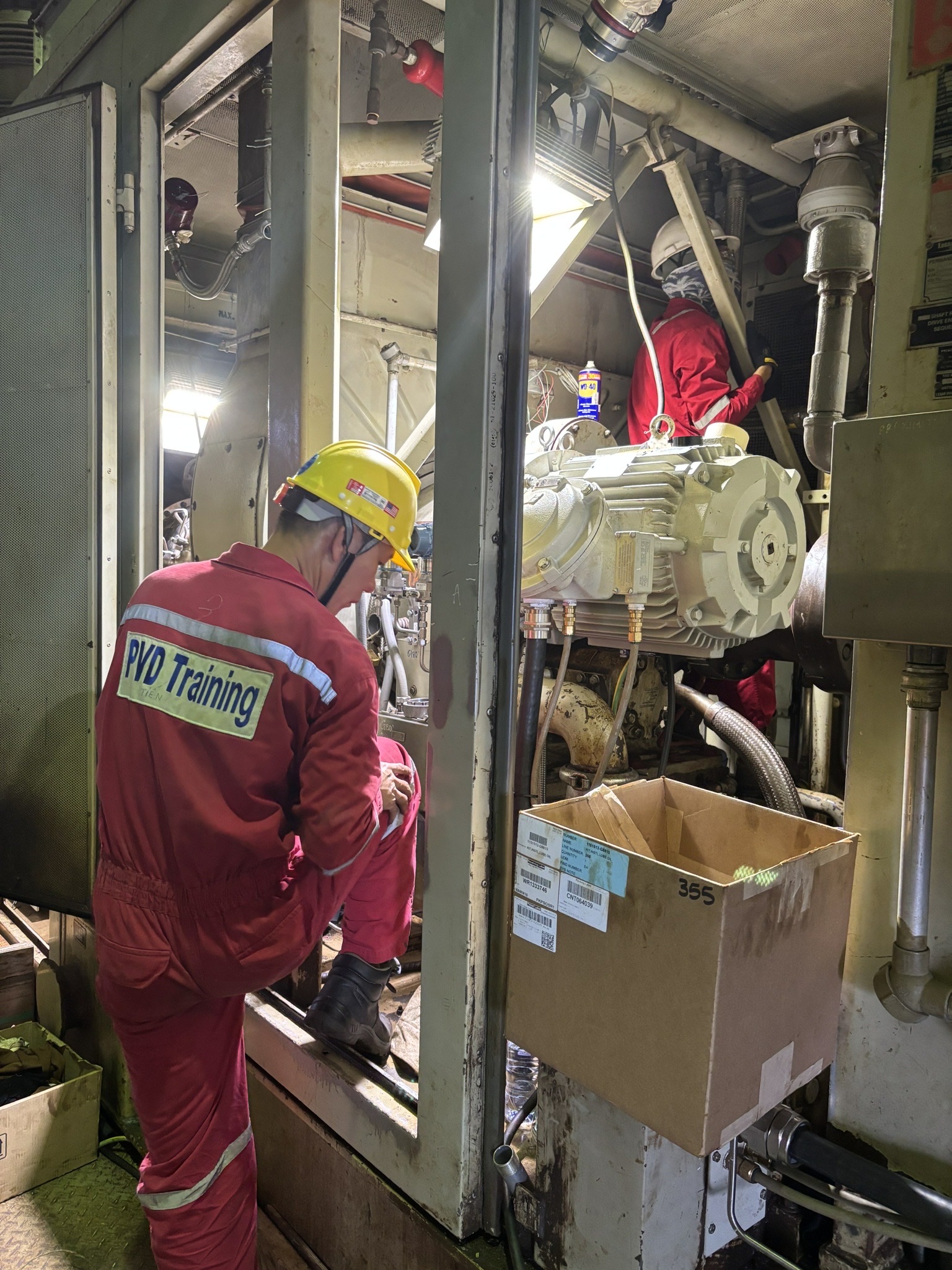
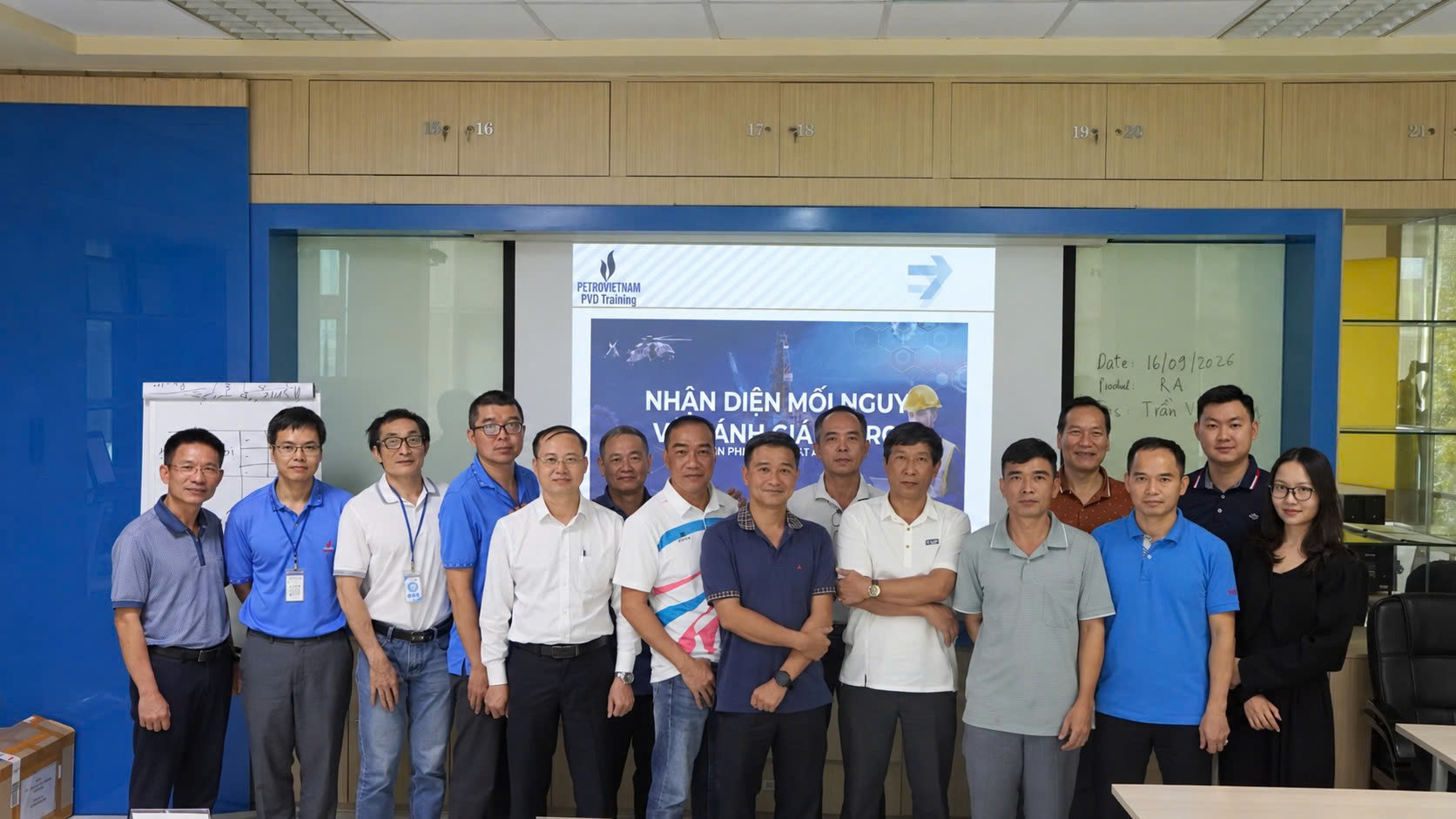
Recently, the course was delivered to a group of participants from PVEP NCS, representing various positions across the operational value chain. This reinforces an important principle: risk assessment is not solely the responsibility of the safety department; it is a competency required across multiple roles within an organization.
Why Choose This Course?
- Practical, scenario-based training reflecting real oil and gas operations rather than focusing solely on theory.
- Suitable for a wide range of roles, including HSE, maintenance and mechanical personnel, instrumentation technicians, production engineers, and field supervisors.
- Developed and delivered by PVD Training, Vietnam’s first OPITO-approved oil and gas safety training provider since 2011, supported by a comprehensive ecosystem of specialized safety and technical training programs for the industry.
Conclusion
Piper Alpha remains a powerful reminder of what can happen when risk assessment and critical safety controls are not given the attention they require. But it also demonstrates why these competencies can — and must — be learned, practiced, and consistently applied.
So that a hazard is identified before it becomes an incident.
So that critical work information is not lost during a handover.
And so that one shift does not have to pay the price for what the previous shift failed to communicate.