
A 6 mm Weld and One of the North Sea’s Worst Disasters
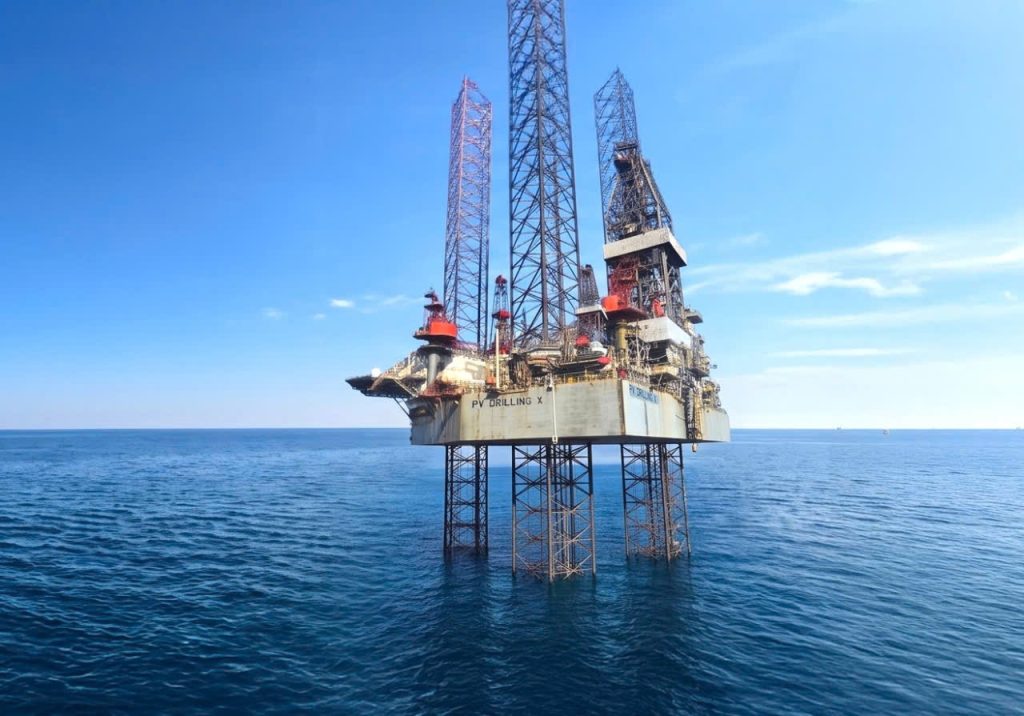
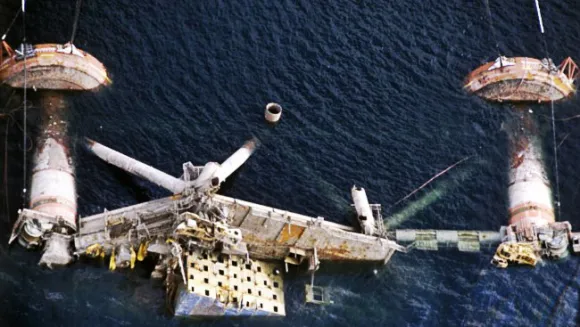
On the night of 27 March 1980, the Alexander L. Kielland offshore platform was moored in the North Sea near Norway, serving as accommodation for more than 200 oil and gas workers. It was raining, visibility was poor due to heavy fog, winds reached 40 knots, and waves rose as high as 12 metres. Within minutes, the platform suddenly listed and capsized, claiming the lives of 123 people.
The subsequent official investigation determined that the root cause was not a major design failure, but originated from a fillet weld only 6 mm in size, connecting a non-primary-load-bearing sonar equipment support plate to the platform’s D-6 brace. The weld contained pre-existing cold cracking and lamellar tearing, which gradually developed into a fatigue crack under repeated wave loading. When the D-6 brace failed, the remaining four braces supporting column D were rapidly overloaded and fractured, causing the entire column to separate and the platform to lose stability and capsize.
Why Can a Small Weld Lead to Major Consequences?
If a weld only 6 mm in size — located on a component considered “secondary” and not part of the primary load-bearing structure — can contribute to the collapse of an offshore platform weighing thousands of tonnes, then every engineering professional should ask: how many similarly “unimportant” welds in the facilities under our responsibility have never been thoroughly inspected?
In the oil and gas, construction, shipbuilding, and energy industries, a weld is more than simply a joint between two pieces of metal. It can determine structural strength, equipment integrity, and ultimately the safety of an entire operating system.
Behind a compliant weld is not only the skill of the welder, but also the critical role of the welding inspector/supervisor — a position whose importance is often underestimated.
Three Figures Worth Considering
- Reworking a defective structural weld can add approximately 25–60% to the original welding labour cost, excluding the additional costs of reinspection and documentation.
- An undetected welding defect in pressure equipment may require the entire system to undergo hydrostatic retesting, partial dismantling, and reporting to the relevant regulatory authority — potentially costing 50–100 times the original value of the weld.
- By comparison, welding supervision and inspection typically account for only around 25–40% of the weld fabrication cost — a relatively small investment compared with the potential consequences of inadequate inspection.
In Vietnam’s offshore oil and gas environment — where steel structures are continuously exposed to cyclic loading from waves, wind, and vibration, similar to the conditions that contributed to the Alexander L. Kielland disaster — this risk is not confined to the North Sea. It exists wherever offshore structures operate for extended periods in harsh marine environments.
The question, therefore, is not simply whether an incident could occur, but whether personnel in the field have the competency to recognize warning signs before they develop into failures. This is why welding inspection competency requires structured and systematic training rather than relying solely on experience or subjective visual judgment.
International Standards Welding Inspectors Need to Understand
- AWS D1.1 – Structural Welding Code – Steel: A structural steel welding standard widely applied to buildings, bridges, and fabricated steel structures.
- ASME Section IX: Covers the qualification of welding procedures and personnel, including WPS/PQR requirements associated with pressure vessels and process piping applications in industries such as refining, petrochemicals, and power generation.
- API 1104: Covers welding requirements for pipelines and related facilities used in the transportation of oil, gas, and other products.
- AWS Certified Welding Inspector (CWI): A professional certification for welding inspection personnel, involving examinations covering welding fundamentals, practical inspection, and code application.
- Non-Destructive Testing (NDT): Provides essential methods for detecting welding discontinuities and defects, including those that may not be visible through visual inspection alone.
Welding Inspection Course at PVD Training
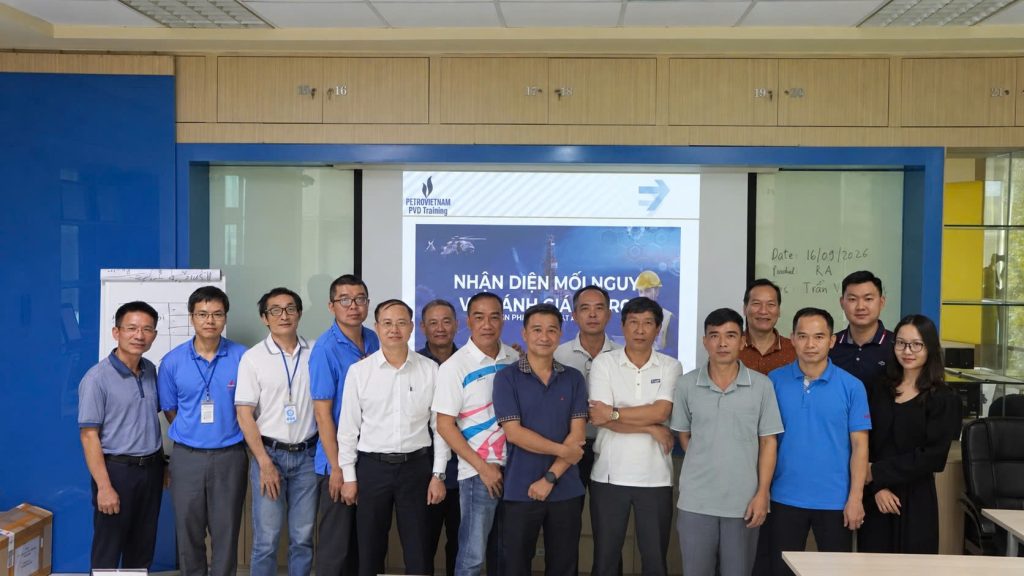
PVD Training offers the Welding Inspection course to provide technical personnel working in the oil and gas, construction, and industrial sectors with fundamental knowledge and practical competency in welding quality control.
Course Objectives
Upon completion of the course, participants will be able to:
- Understand basic welding processes and classifications
- Recognize different welding currents, materials, and welding techniques
- Understand welding terminology and relevant technical documentation
- Identify common welding defects and appropriate corrective measures
- Understand different types of welded joints and their corresponding inspection requirements
- Apply relevant AWS, ASME, and API standards
- Support welding Quality Assurance and Quality Control (QA/QC) activities
- Develop fundamental knowledge of Non-Destructive Testing (NDT) methods
Who Should Attend?
- Entry-level welding supervisors and inspectors
- Engineers and technicians involved in welding activities
- QA/QC personnel working on fabrication and construction projects
- Individuals seeking to develop a career in welding inspection and quality control
Course Duration
03 days
Benefits of Attending the Course
- Build the fundamental knowledge required to understand and apply international welding standards such as AWS, ASME, and API in practical working environments.
- Develop the ability to identify common welding defects at an early stage, helping reduce the risk of costly rework or project delays later.
- Establish a foundation for progressing toward internationally recognized welding inspection qualifications such as AWS CWI. (Advanced pathway; participants must register separately with AWS for the certification examination.)
- Expand career opportunities in welding QA/QC across oil and gas, industrial, fabrication, and construction projects.
Why This Matters to Participants
For professionals working in engineering, QA/QC, or construction supervision, this is more than a theoretical training course. It is about developing the competency to stand in front of a weld and understand whether it meets the applicable requirements — before that weld becomes a weak point in the entire structure.
In the oil and gas industry, where a seemingly minor technical defect can escalate into a major incident, the ability to control welding quality from the outset is one of the most practical and long-term competencies an engineering professional can develop.
Registration & Contact
PVD Training & Industrial Solutions J.S.C.
Dong Xuyen Industrial Zone, 30/4 Street, Rach Dua Ward, Ho Chi Minh City, Vietnam
Tel: (+84) 254 3612 099 | Email: tsd@pvdtraining.com.vn