ESG Awareness Training – From Awareness to Practical Action

Why Is ESG No Longer Optional?

As pressure continues to increase from investors, supply chain partners, and international reporting requirements, ESG training is becoming an essential part of corporate governance strategy—particularly in the energy, drilling, and oil & gas technical services sectors.

What many organizations lack today is not ESG awareness itself, but the ability to translate ESG principles into concrete actions: identifying measurable indicators, assigning data responsibilities, and integrating ESG requirements into the actual operating processes of each department.

This is why PVD Training has developed the ESG Awareness – Environmental, Social & Governance Awareness Training program, specifically designed for managers and professionals working in the oil & gas, energy, and technical services industries.
ESG pic 1 scaled

ESG in the Energy and Oil & Gas Sector – Beyond Compliance

ESG is not simply a standalone sustainability initiative. It is a comprehensive governance framework that encompasses environmental risk management, social responsibility across the supply chain, and internal data governance mechanisms.

In the oil & gas and technical services sectors, ESG is directly linked to:

  • Reporting requirements from business partners, investors, and international financial institutions.
  • Risk control in operations and supply chain management.
  • Internal data relating to emissions, energy consumption, waste, occupational safety, and governance.
  • Competitiveness in international tenders where ESG standards are increasingly required.

The key point is that ESG is not solely the responsibility of HSE or Sustainability departments. From Executive Management, Human Resources, Finance & Accounting, Procurement, Legal, Business Development, and Operations, every department plays a direct role in an organization’s ESG system.

The most important shift in today’s ESG landscape is the transition from “awareness” to “action”—and this is the central focus of the ESG Awareness training program.

About the ESG Awareness Training Program

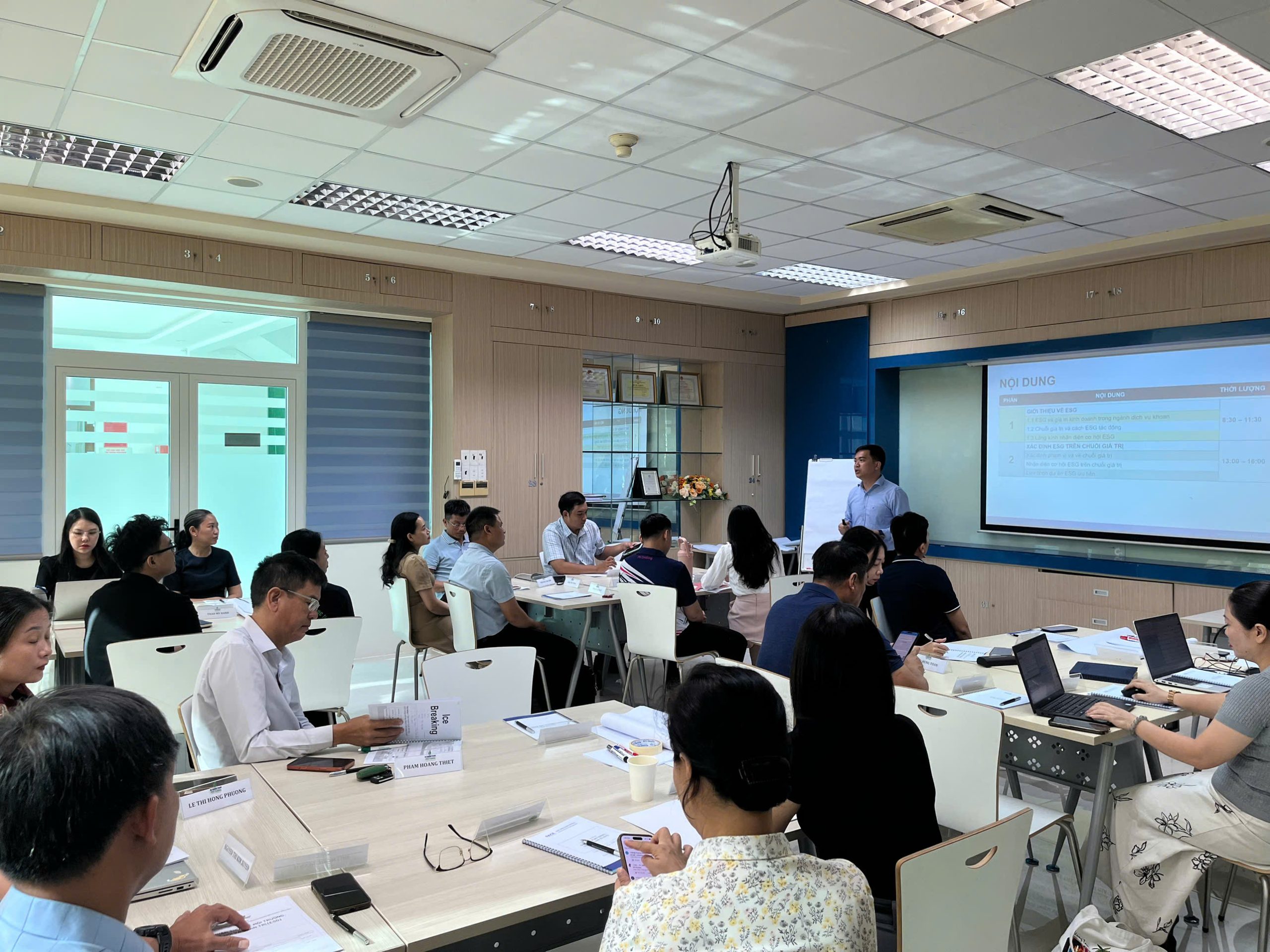
As a specialized provider of technical and management training for the oil & gas industry, PVD Training delivers the ESG Awareness program to help managers and professionals approach ESG in a practical, structured, and immediately applicable way.

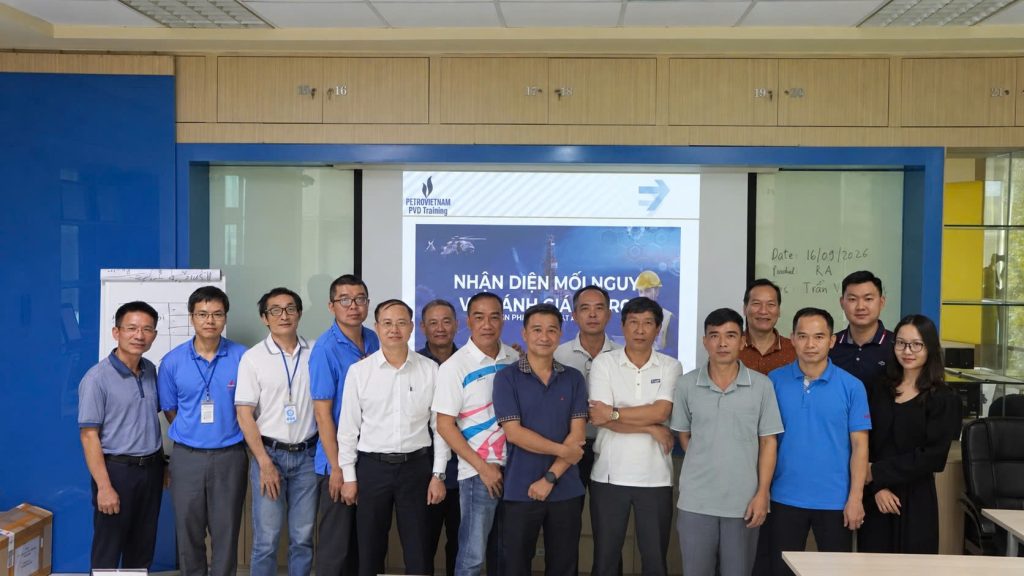
The program goes beyond theory. Participants are guided through structured practical exercises—from ESG materiality analysis and departmental responsibility mapping to KPI identification and the development of a 90-day ESG action plan that can be implemented immediately after the course.

DSC4671 Resize scaled

ESG Awareness Training Content

1. ESG Overview and Global Development Trends

  • Current ESG frameworks: GRI, TCFD, SASB, UN SDGs, and their practical applications.
  • ESG trends in Southeast Asia and the global energy sector in 2025–2026.

2. Identifying Material ESG Issues in the Oil & Gas Industry

  • Materiality analysis tailored to exploration, production, and technical service activities.
  • The most common ESG indicators used by oil & gas companies and service contractors.

3. Distinguishing ESG from HSE, CSR, and Traditional Compliance Activities

  • Understanding the boundaries and intersections between ESG, HSE, and CSR to avoid duplication and ensure no critical areas are overlooked.
  • Integrating ESG requirements into existing management systems without creating unnecessary operational burdens.

4. Defining ESG Roles and Responsibilities Across Departments

  • Function-to-ESG mapping: identifying who is responsible for what within the organization’s ESG system.
  • Practical exercise: assigning internal ESG responsibilities based on the organization’s actual structure.

5. Translating Environmental & Social Requirements into Measurable Management Indicators

  • Moving from ESG commitments to measurable KPIs through practical implementation methods.
  • Establishing baselines and improvement targets for each reporting cycle.

6. Identifying ESG Risks and Assigning Data Ownership

  • Methods for assessing and categorizing ESG risks across the Environmental, Social, and Governance (E, S, G) dimensions.
  • Identifying the data owner for each ESG indicator—defining who is responsible for data collection and reporting.

7. Developing ESG Data Governance, Collection, and Verification Mechanisms

  • Establishing internal processes for ESG data collection and verification.
  • Building the foundation for ESG reporting and sustainability reporting.

8. Developing a 90-Day ESG Action Plan

  • Practical tools for creating an ESG action plan that can be implemented immediately.
  • Course output: each participant completes a 90-day ESG action plan for their own department or business unit.

DSC4660 Resize scaled

Learning Outcomes

Upon successful completion of the ESG Awareness program, participants will be able to:

  • Explain ESG using the language of business and management rather than solely environmental or compliance terminology.
  • Identify material ESG issues directly relevant to their organization and industry.
  • Clearly distinguish between ESG, HSE, and CSR, and understand how these systems can be effectively integrated.
  • Map ESG roles and assign data responsibilities based on the organization’s actual structure.
  • Translate ESG requirements into measurable KPIs and assign responsible owners.
  • Identify ESG risks and determine appropriate data owners within the organization.
  • Complete and implement a practical 90-day ESG action plan within their business unit.

Who Should Attend the ESG Awareness Course?

The ESG Awareness training program is designed for:

  • Managers and department heads in oil & gas, energy, and technical services companies.
  • Professionals from Human Resources, Finance & Accounting, Procurement, Legal, Business Development, Operations, and HSE departments.
  • Sustainability professionals responsible for developing structured, data-driven internal ESG systems.
  • Senior management teams seeking to define ESG strategy and assign clear responsibilities across the organization.

ESG is not only about sustainability. It is also about how organizations strengthen governance capabilities, manage risks, and build a foundation for long-term development in an increasingly transparent and accountability-driven business environment.

Register or Learn More About the ESG Awareness Course

📧 Email: tsd@pvdtraining.com.vn  |  🌐 pvdtraining.com.vn

Fire Protection Equipment and System Services

Service Overview

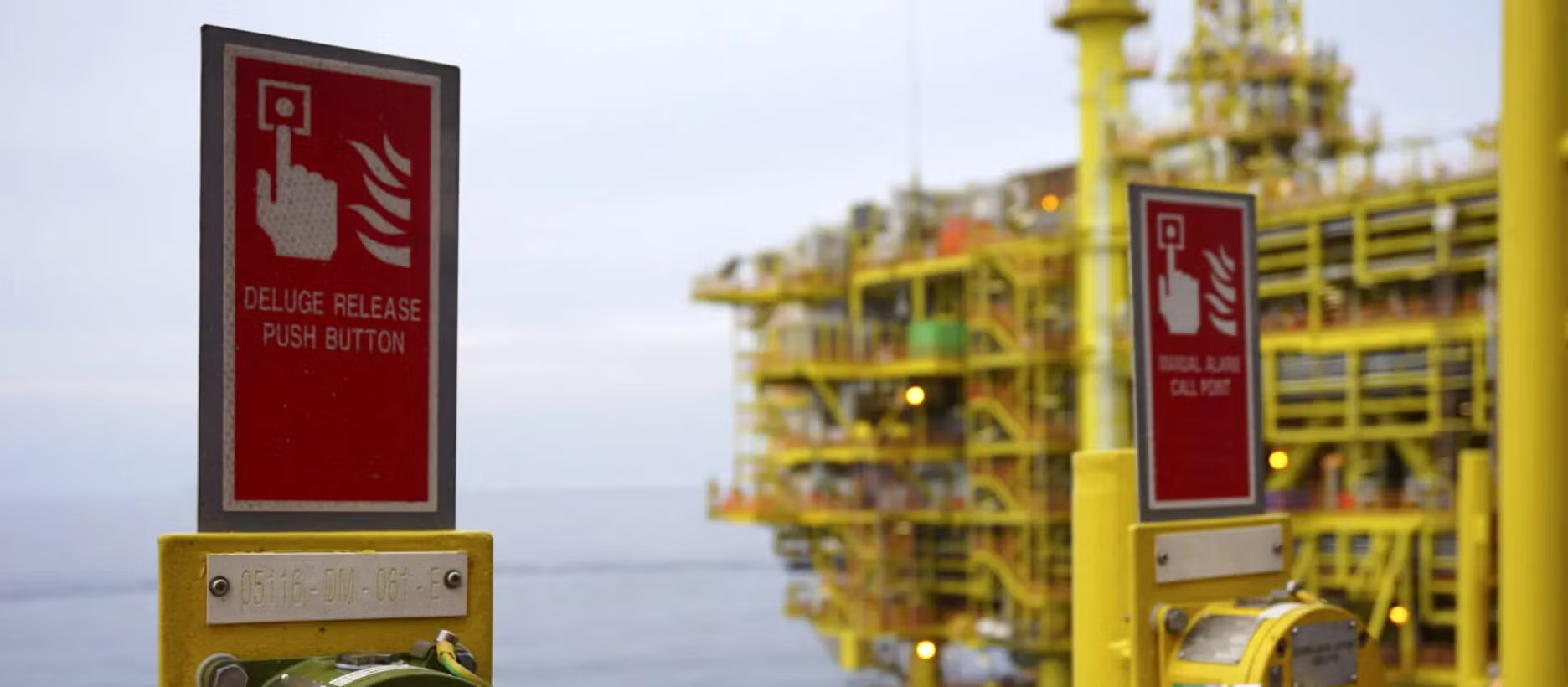
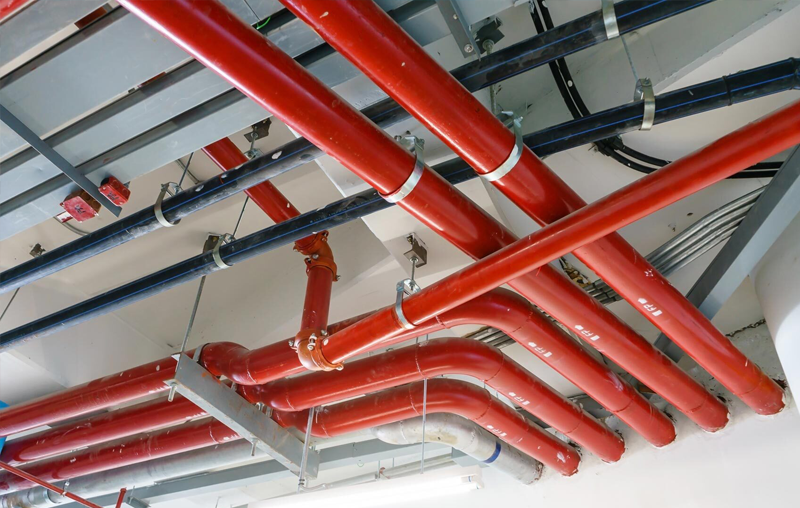
In the oil and gas, heavy industry, and offshore sectors, the risk of fire and explosion is ever-present due to the presence of flammable fuels, high-power electrical systems, and harsh operating conditions. Ensuring that fire protection equipment and systems are always ready for operation is a mandatory requirement to protect people, property, and maintain the continuity of production activities.

PVD Training provides inspection, maintenance, repair, and technical support services for fire protection equipment and systems, serving oil and gas projects, industrial plants, and offshore projects. These services are implemented to ensure that fire protection systems meet technical requirements, safety standards, and current legal regulations throughout their operational lifecycle.

Scope of Services

PVD Training’s Firefighting Equipment & System Services comprehensively cover all items related to firefighting equipment and systems used in industrial and offshore environments.

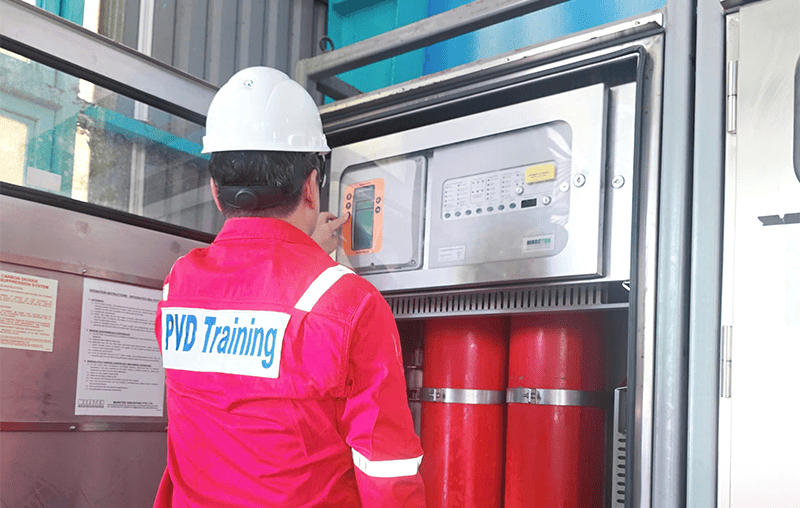
We inspect, maintain, and repair portable and fixed fire extinguishers, including powder extinguishers, CO₂ extinguishers, clean agent extinguishers, and other specialized firefighting equipment. Inspections are conducted to assess the technical condition, operational capability, and safety compliance of each device.

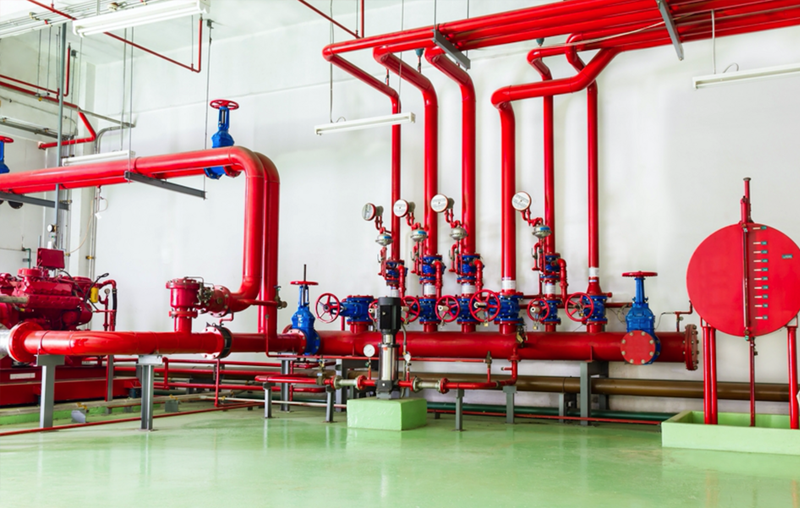
In addition, PVD Training provides maintenance and inspection services for fixed firefighting systems, including water-based firefighting systems, foam (AFFF) systems, gas firefighting systems such as FM200, and equivalent systems. The work includes inspecting the condition of pipes, valves, nozzles, activation devices, and related components to ensure the system can operate effectively in the event of a fire or explosion.

Additionally, the service includes inspection and maintenance of breathing and rescue equipment, such as SCBA and escape aids, to ensure readiness for use in emergency situations.

Service implementation process

PVD Training’s fire protection equipment and system services are implemented according to a strict control process to ensure quality, safety, and compliance.

First, the technical team surveys the current status of the fire protection and firefighting system, assessing the condition of the equipment, the degree of wear and tear, operational capabilities, and any points that do not meet technical requirements or safety regulations. Based on this, we develop a maintenance and repair plan appropriate to the actual conditions of each project.

During implementation, maintenance, repair, and inspection work is carried out in accordance with technical procedures, with safety supervision and quality control. After completion, the system and equipment are re-inspected to confirm their operational status and level of compliance with safety requirements before being handed over to the customer.

Technical standards and safety compliance

Throughout the entire service provision process, PVD Training strictly adheres to occupational safety requirements and technical standards applicable to fire protection systems in the oil and gas and industrial sectors. Inspection and maintenance activities are carried out in accordance with the investor’s internal regulations, industry technical standards, and relevant legal requirements.

Compliance with safety standards and procedures not only ensures the effective operation of fire protection and firefighting systems but also supports customers in safety inspections, assessments, audits, and compliance with relevant parties’ regulations.

Value and benefits

PVD Training’s fire protection equipment and system services provide tangible value in enhancing the overall safety of buildings and workers. Properly inspected and maintained fire protection systems help minimize fire and explosion risks, limiting damage to people and property in the event of an incident.

In addition, regular maintenance and technical control of the system helps customers maintain operational readiness and avoid production interruptions due to safety-related issues. The service also contributes to extending the life of equipment and optimizing long-term operating and maintenance costs.

Application Areas

    • PVD Training’s Firefighting Equipment & System Services are suitable for various types of projects and facilities, including:
    • Oil and gas drilling rigs and offshore projects
    • Industrial plants and manufacturing facilities
    • Warehouses and storage areas for flammable materials
    • Oil and gas service vessels and marine structures

Industrial Valve System Inspection, Assessment, and Maintenance Services

Service Overview

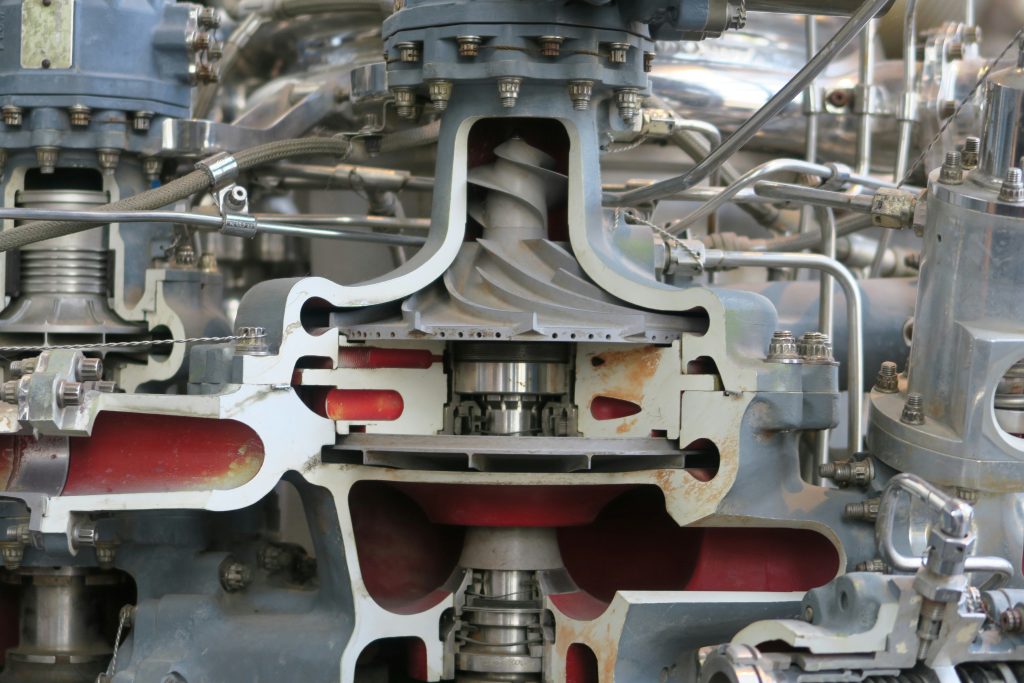
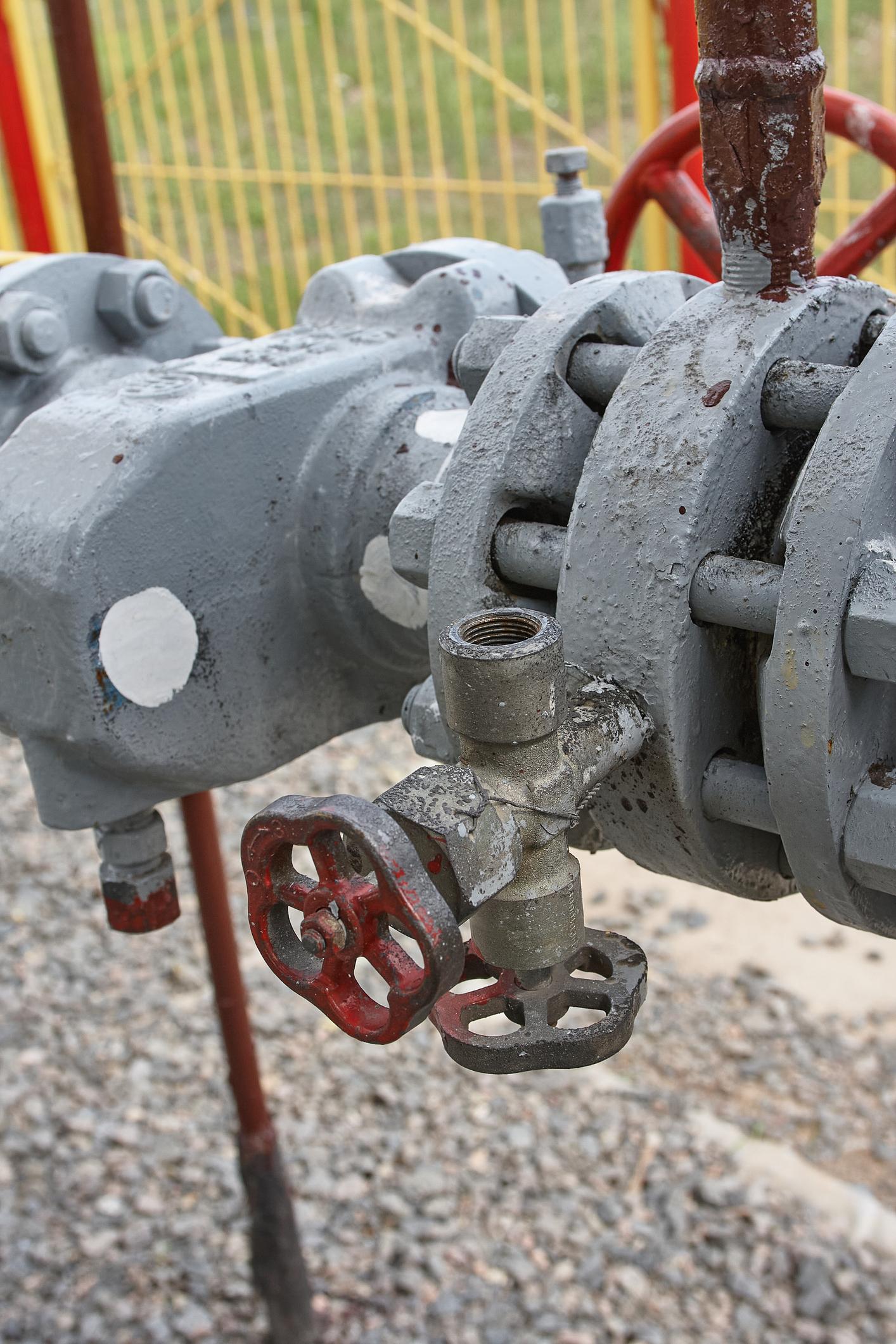
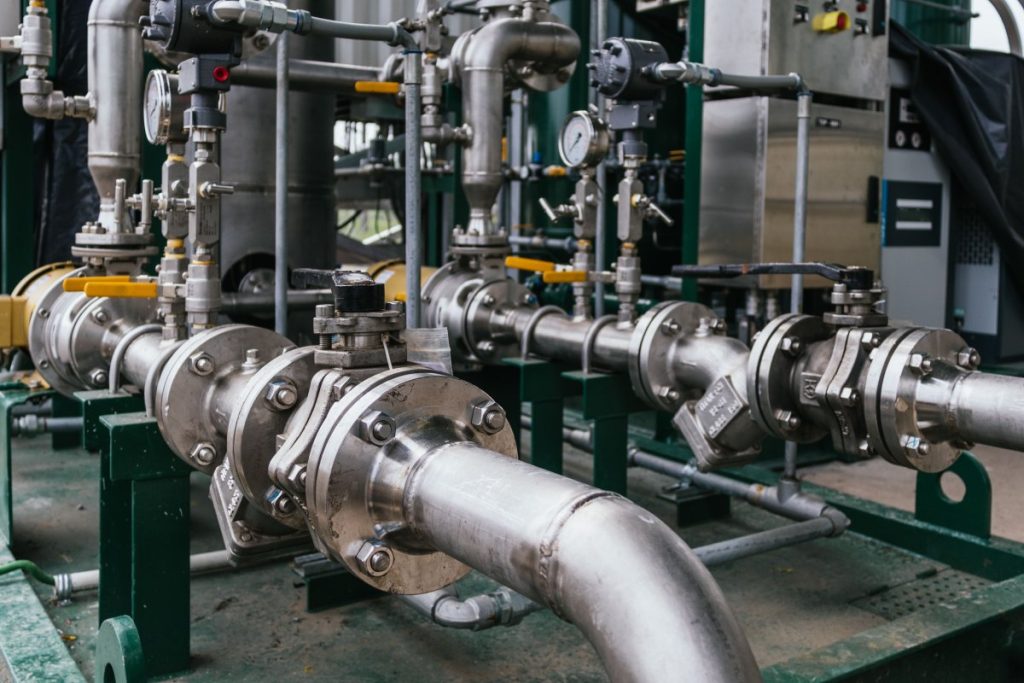
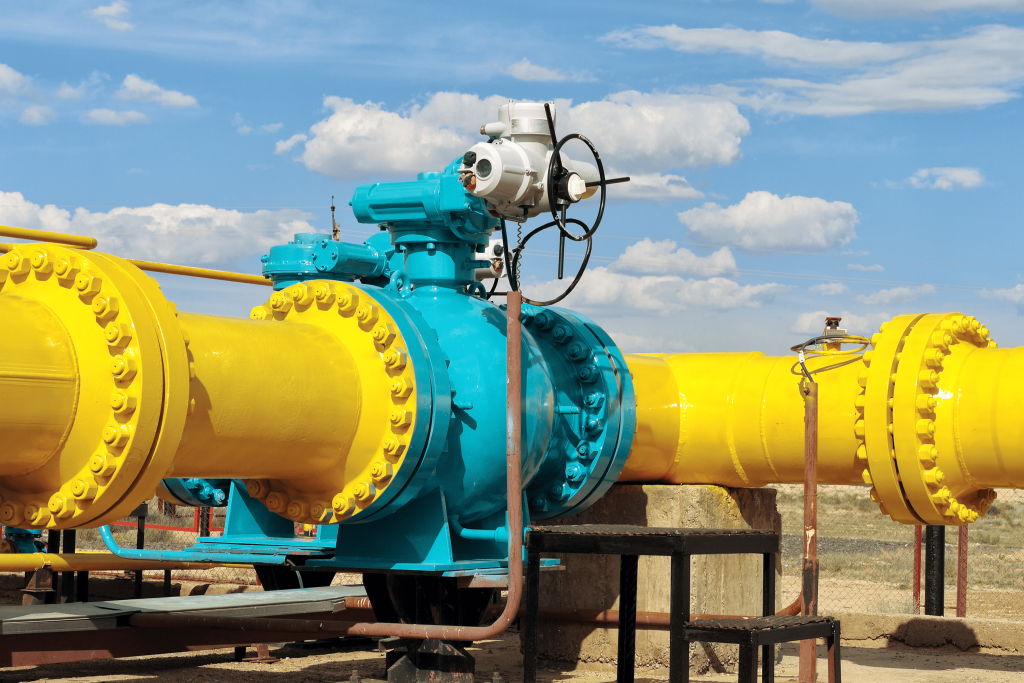
Valves are core components in the technological systems of industrial plants, piping systems, and offshore oil and gas projects. They regulate the flow, pressure, and volume of media such as oil, gas, water, chemicals, and other industrial substances. Due to continuous operation under high loads, high pressures, and harsh environments, valve systems are prone to wear, performance degradation, or failure if not properly maintained.

PVD Training provides valve maintenance services, including equipment inspection, technical condition assessment, and maintenance activities tailored to actual operating conditions. These services help customers maintain equipment performance, minimize unplanned downtime, and extend the lifespan of the entire valve system in plants and offshore facilities.

The role of valve maintenance in industrial operations

In industrial and oil and gas systems, valve-related incidents can have serious consequences such as fluid leaks, loss of pressure control, production line interruptions, and even human safety impacts. Therefore, valve maintenance is not only a routine technical activity but also an important part of asset safety and operation management.

Proper timing and methods of maintenance help:

    • Maintain stable flow and pressure in the system
    • Detect early signs of damage or performance degradation
    • Reduce the risk of technical failures and accidents
    • Limit major repair costs and prolonged downtime

PVD Training’s valve maintenance services play a crucial role in ensuring safe, continuous, and efficient operation for industrial and offshore projects.

Scope of valve maintenance services

PVD Training’s valve maintenance services are implemented flexibly to suit the operational characteristics and technical requirements of each system. The scope of services includes:

    • Comprehensive inspection of valve technical condition
    • Assessment of wear and tear levels and operational performance
    • Scheduled maintenance or maintenance based on actual operating conditions
    • Performing maintenance tasks to restore and maintain equipment performance
    • Technical support during system operation and maintenance

Maintenance activities are performed in accordance with the operating conditions of the equipment, including industrial plant environments and offshore facilities.

Maintenance methods and procedures

PVD Training implements valve maintenance services following strict technical procedures to ensure the quality and reliability of equipment after maintenance.

The process begins with a survey of the system’s current status, collecting information on operating conditions, maintenance history, and technical issues that have arisen. Based on this, the technical team conducts a detailed inspection of each valve, assesses its condition, and determines the items that need maintenance.

After completing the assessment, PVD Training performs appropriate maintenance work to ensure the equipment meets operational requirements. Maintenance results are recorded and reported, serving equipment management and future maintenance planning.

Ensuring system performance and reliability

The goal of valve maintenance services is to ensure that the system always operates stably and meets technical requirements throughout its operating life. Maintaining equipment performance helps the system operate more efficiently, reduces energy losses, and minimizes incidents.

For offshore projects and continuous operation systems, valve reliability is a key factor in ensuring safety and progress. PVD Training’s services help customers proactively control equipment status and maintain stable operating conditions in the long term.

Value and benefits

PVD Training’s valve maintenance services provide customers with many practical benefits in operation and technical maintenance.

Firstly, the service helps minimize downtime, reducing interruptions in production and operation. Additionally, proper maintenance extends the lifespan of the valve system, reduces replacement costs, and optimizes long-term maintenance expenses.

The service also supports customers in technical asset management, enhancing safety and ensuring compliance with technical and safety requirements applicable to offshore plants and structures.

Application areas

PVD Training’s valve maintenance service is suitable for many fields and types of projects, including:

    • Industrial plants and industrial parks
    • Pipeline systems and technological lines
    • Oil and gas projects and offshore drilling rigs
    • Technical operation and maintenance projects

Electrical & Instrumentation Services

Service Overview

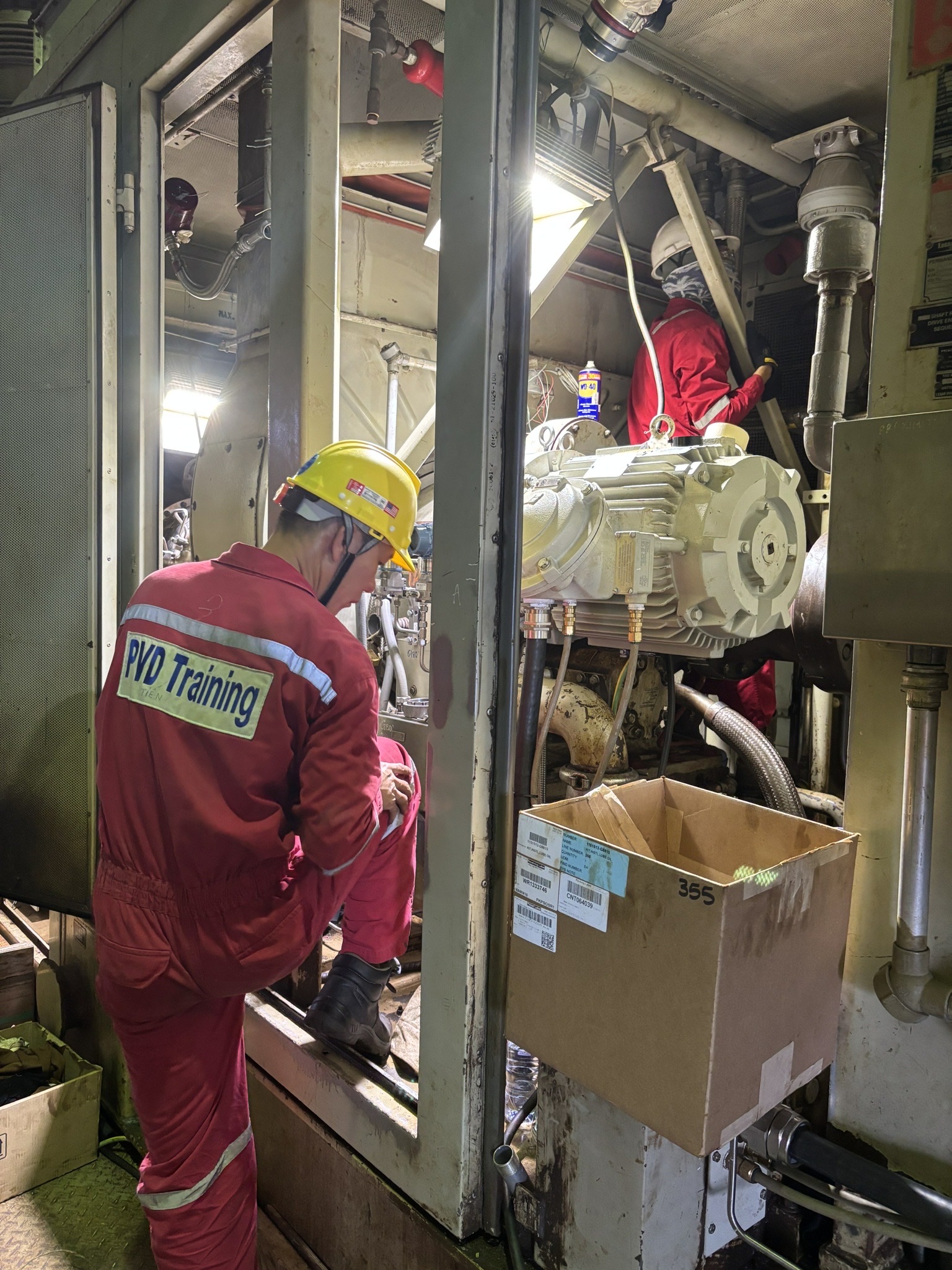
PVD Training provides Electrical & Instrumentation (E&I) services for oil and gas, industrial, and marine projects, meeting the requirements for continuous, safe, and stable operation in harsh working environments. The services are designed to support customers throughout the entire technical system lifecycle, from initial installation, operation, and periodic maintenance to system repair and modification.

With a team of engineers and technicians with practical experience in onshore and offshore projects, PVD Training provides E&I solutions tailored to the specific characteristics of each project, ensuring that electrical and control systems meet technical, safety, and environmental requirements.

Scope of Services

E&I services include installation, inspection, connection, and maintenance of low-voltage and medium-voltage electrical systems, electrical cabinets, electrical cables, and measurement and control equipment. In addition, we provide preventive maintenance, repair maintenance, system calibration, and technical support during system commissioning and acceptance testing.

Implementation Process

E&I activities are carried out according to a clear technical process, including site surveys, risk assessments, construction and maintenance planning, work implementation, and inspection and acceptance. All work is supervised to ensure compliance with safety and quality requirements.

Value Delivered

PVD Training’s E&I services help customers maintain stable operating conditions, minimize system failures, optimize energy efficiency, and extend equipment life. This is a critical factor in ensuring long-term occupational safety and production efficiency.