Gas Turbine & Compressor Design Course

Gas Turbines and Gas Compressors: Why Getting the Design Right Decides a Project’s Fate

Introduction

On an offshore platform or onshore gas plant, two pieces of rotating equipment quietly decide whether a facility hits its production targets or spends months fighting downtime: the gas turbine and the gas compressor. Get their design, selection, and testing right, and they run for decades. Get it wrong, and the consequences show up exactly when a project can least afford them — during commissioning, or worse, after start-up.
chris boyer Eo7IVFWWi M unsplash scaled

Understanding Gas Turbines and Gas Compressors

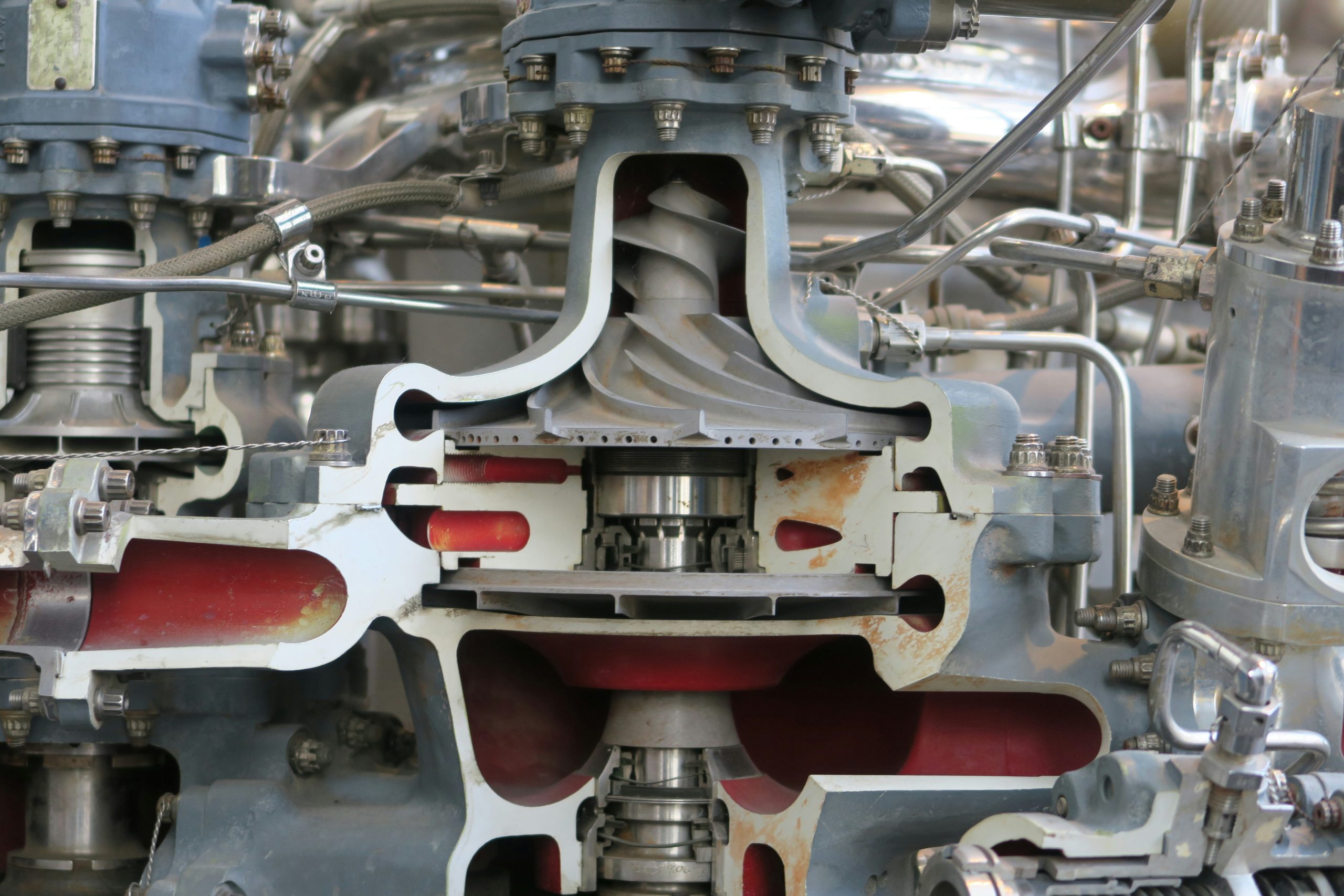
A gas turbine is, at its core, an engine that converts fuel gas into rotational power — pulling in air, compressing it, burning fuel in that compressed air, and using the resulting hot expanding gas to spin a turbine shaft. In an oil & gas facility, that shaft power rarely exists for its own sake; its job is usually to drive a gas compressor, the equipment that raises the pressure of process or export gas so it can be transported, injected, or processed further downstream.

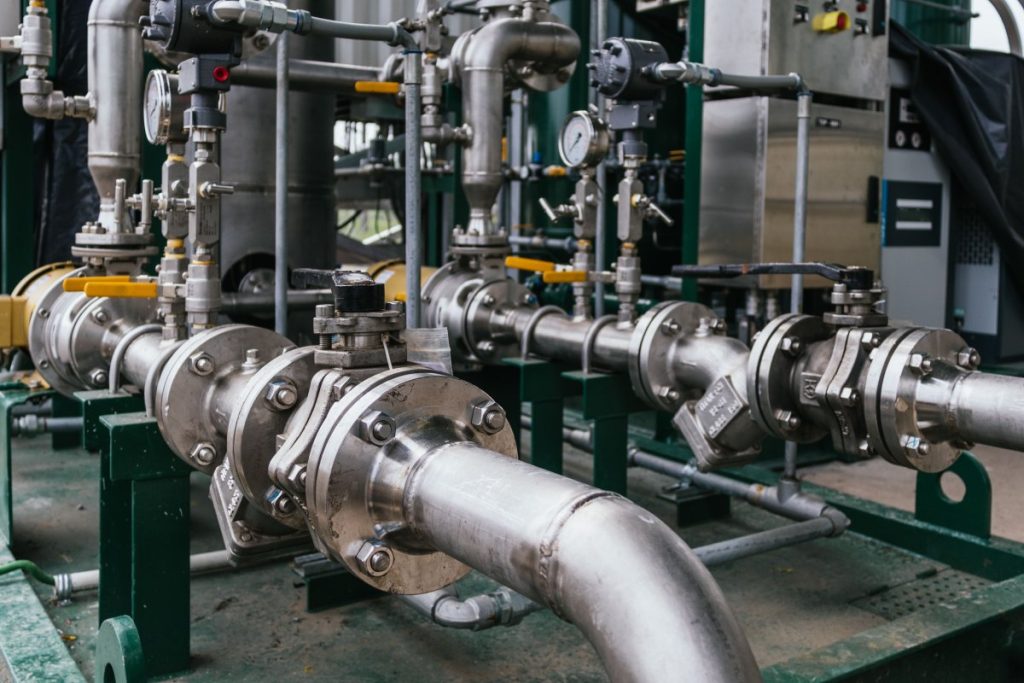
Together, a gas turbine and its driven compressor form a “package” — not just the two main machines, but the full system of auxiliary equipment around them: lube oil systems, seal gas systems, anti-surge control, instrumentation, and the mechanical structure that holds it all together. Because these packages are almost always custom-engineered to a specific gas composition, pressure duty, and site condition, they behave nothing like off-the-shelf equipment. Two compressor packages that look similar on a datasheet can perform very differently in the field, depending on details like casing configuration, seal system design, or anti-surge philosophy.

That’s why the industry leans on rigorous standards to keep everyone honest: API 616 for gas turbines and API 617 for axial and centrifugal compressors define design and mechanical requirements, while ASME PTC 22 and PTC 10 set the rules for how their thermal and mechanical performance is actually tested and verified. Knowing these standards exist is one thing; knowing how to apply them when comparing vendor bids or reviewing a mechanical package is a different skill entirely — and it’s the skill that separates a smooth project from a troubled one
Gas turbine

A Familiar Scenario in Gas Processing Projects

Picture a mechanical package engineer partway through the detailed engineering phase of an offshore gas processing project. Three vendors have submitted technical bids for the centrifugal compressor package. On the surface, the numbers look close — similar power ratings, similar delivery times, similar price. But underneath, the bids differ in ways that don’t show up in a simple comparison table: one vendor’s efficiency curve is measured under slightly different reference conditions, another’s seal system carries looser tolerances than the project spec calls for, and a third’s anti-surge control philosophy hasn’t been fully documented.

If the engineer evaluating those bids can read past the summary numbers and understand what’s actually driving the differences, the technical bid evaluation becomes real engineering judgment — and the right vendor gets selected for the right reasons. If not, the evaluation becomes a guess dressed up as a decision. Eighteen months later, during commissioning, the gap surfaces: an anti-surge control issue that should have been caught on paper instead costs weeks of troubleshooting before the plant can start up.

That gap — between reading a vendor datasheet and genuinely understanding gas turbine and compressor engineering, from thermodynamics through to factory acceptance testing and commissioning — is exactly what a structured, hands-on course exists to close.

Course Overview: Design, Selection, Operation & Testing of Gas Turbines and Gas Compressors (ME1230-IH)

PVD Training’s ME1230-IH course is built for exactly this gap. It’s a practical, highly interactive five-day program that combines classroom instruction with state-of-the-art simulators, giving participants a detailed, up-to-date overview of gas turbine and gas compressor design, selection, operation, and testing — not just the theory, but how to apply it.

Course Details

Course Reference ME1230-IH
Course Date August 24–28, 2026
Venue PVD Training Premises, Dong Xuyen Industrial Zone, 30/04 Street, Rach Dua Ward, Ho Chi Minh City, Vietnam
Duration / Credits Five days / 3.75 CEUs / 37.5 PDHs
Format Practical and highly interactive — includes practical sessions, exercises, and state-of-the-art simulators

What the Course Covers

  • Gas turbine packages, thermodynamics, components, and auxiliary systems
  • Gas turbine design considerations, gas turbine performance, and gas turbine package engineering
  • Fundamentals of centrifugal compressors and compressor internal components
  • Compressor performance characteristics, compressor auxiliary systems, and equipment selection principles
  • Compressor package configuration and mechanical package engineering
  • API 616 gas turbines, API 617 centrifugal compressors, ASME PTC 10 and 22, and ISO standards
  • Design documentation review, mechanical package engineering review, and technical bid evaluation (TBE)
  • Vendor comparison, vendor documentation review, reliability and maintainability
  • Mechanical integrity, instrumentation and control, factory acceptance testing (FAT), and performance testing
  • Site installation, mechanical completion, commissioning, start-up support, and troubleshooting for gas turbines and centrifugal compressors

What You’ll Be Able to Do After This Course

  • Apply and gain an in-depth knowledge on the design, selection, operation and testing of gas turbines and gas compressors
  • Discuss gas turbine packages, thermodynamics, components and auxiliary systems
  • Recognize gas turbine design considerations, gas turbine performance and gas turbine package engineering
  • Explain the fundamentals of centrifugal compressors and identify compressor internal components
  • Describe compressor performance characteristics, compressor auxiliary systems and equipment selection principles
  • Apply compressor package configuration and discuss mechanical package engineering
  • Review API 616 gas turbines, API 617 centrifugal compressors, ASME PTC 10 and 22 and ISO standards
  • Perform design documentation review, mechanical package engineering review and technical bid evaluation (TBE)
  • Carry out vendor comparison, vendor documentation review and reliability and maintainability
  • Apply mechanical integrity, instrumentation and control, factory acceptance testing (FAT) and performance testing
  • Employ site installation and mechanical completion, commissioning and start-up support and troubleshooting gas turbines and centrifugal compressors

Who Should Attend

This course provides an overview of all significant aspects and considerations of gas turbine and gas compressor packages for mechanical package engineers involved in FEED, EPC, detailed engineering, procurement, package engineering, technical bid evaluation, testing, commissioning, and start-up of gas turbine and gas compressor packages for offshore and onshore oil and gas facilities.

Why This Course Is Worth Your Time

The scenario above isn’t a hypothetical risk — it’s the kind of gap that shows up on real projects when technical bid evaluation, mechanical package review, and commissioning support are treated as paperwork rather than engineering judgment. This course closes that gap directly: five focused days, hands-on simulator work rather than pure lecture, and a curriculum that follows a compressor package’s real lifecycle — from thermodynamics and design through vendor evaluation, factory testing, and site start-up.

Participants also leave with 3.75 CEUs / 37.5 PDHs — recognized professional development credit that supports ongoing engineering certification requirements, on top of the practical capability gained.
Fire Protection Equipment and System Services

Service Overview

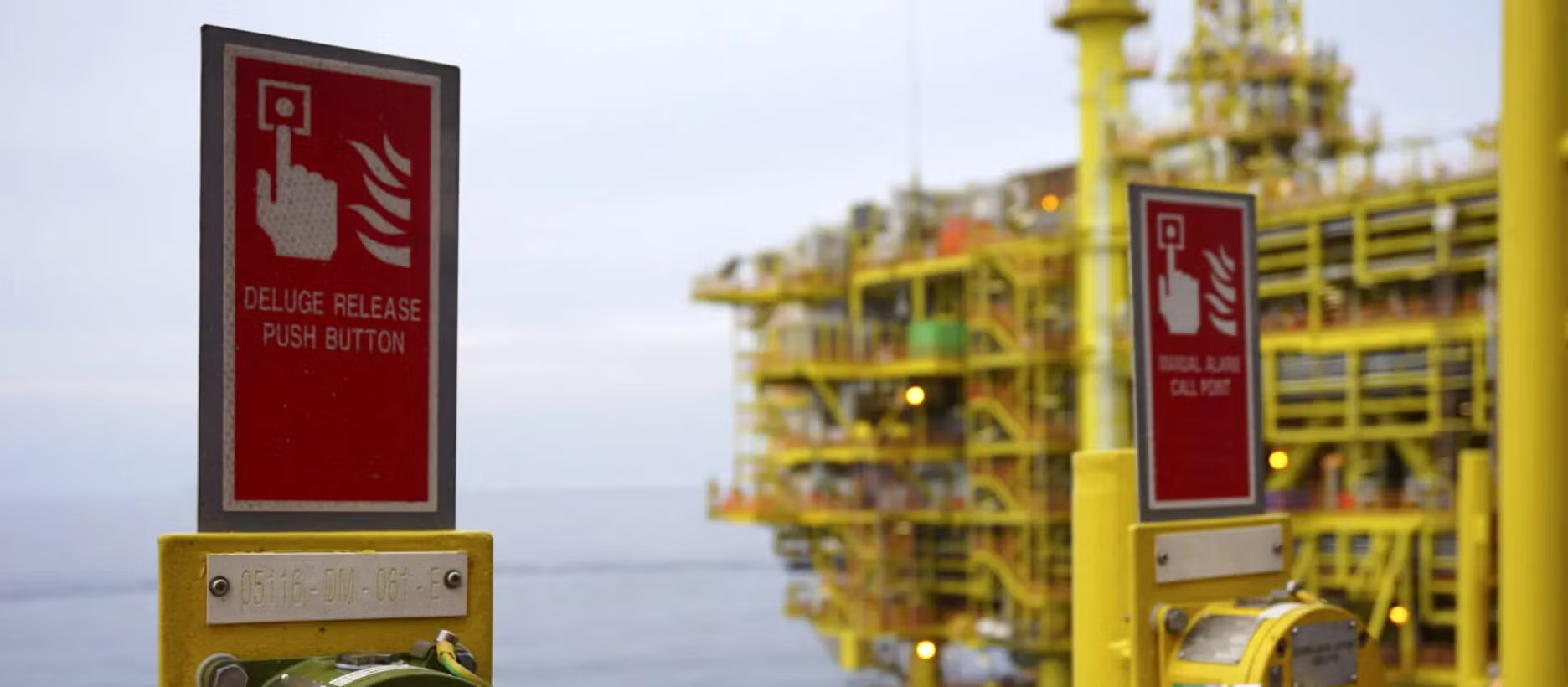
In the oil and gas, heavy industry, and offshore sectors, the risk of fire and explosion is ever-present due to the presence of flammable fuels, high-power electrical systems, and harsh operating conditions. Ensuring that fire protection equipment and systems are always ready for operation is a mandatory requirement to protect people, property, and maintain the continuity of production activities.

PVD Training provides inspection, maintenance, repair, and technical support services for fire protection equipment and systems, serving oil and gas projects, industrial plants, and offshore projects. These services are implemented to ensure that fire protection systems meet technical requirements, safety standards, and current legal regulations throughout their operational lifecycle.

Scope of Services

PVD Training’s Firefighting Equipment & System Services comprehensively cover all items related to firefighting equipment and systems used in industrial and offshore environments.

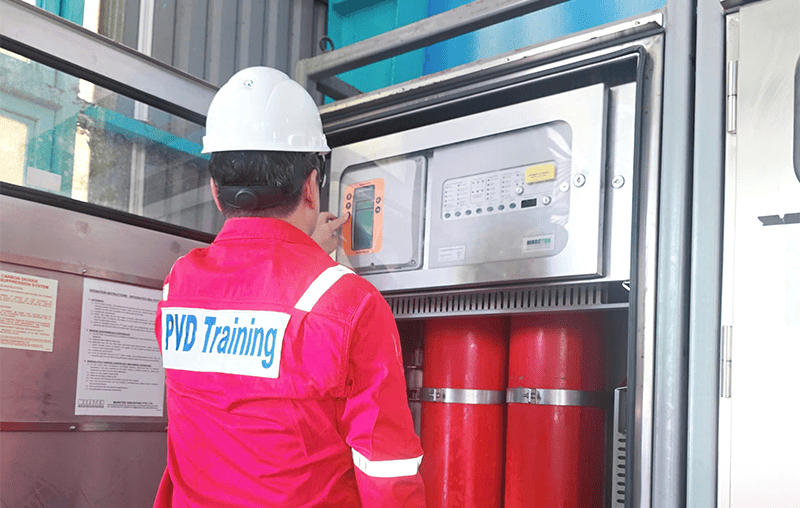
We inspect, maintain, and repair portable and fixed fire extinguishers, including powder extinguishers, CO₂ extinguishers, clean agent extinguishers, and other specialized firefighting equipment. Inspections are conducted to assess the technical condition, operational capability, and safety compliance of each device.

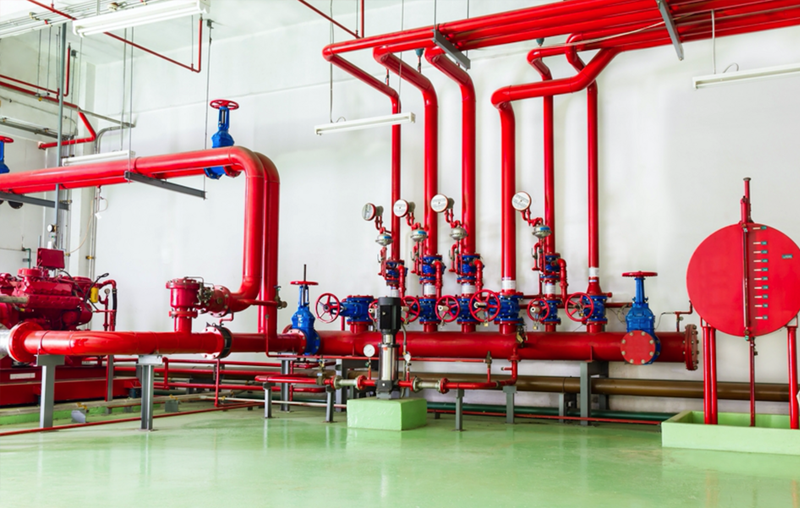
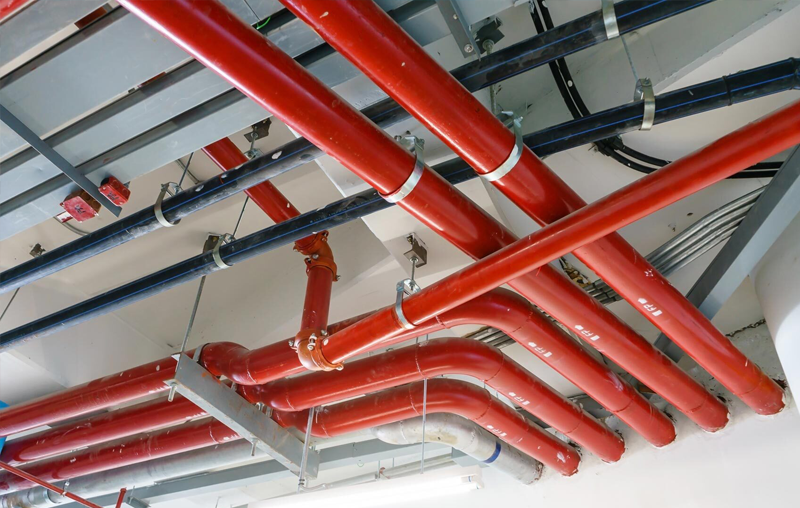
In addition, PVD Training provides maintenance and inspection services for fixed firefighting systems, including water-based firefighting systems, foam (AFFF) systems, gas firefighting systems such as FM200, and equivalent systems. The work includes inspecting the condition of pipes, valves, nozzles, activation devices, and related components to ensure the system can operate effectively in the event of a fire or explosion.

Additionally, the service includes inspection and maintenance of breathing and rescue equipment, such as SCBA and escape aids, to ensure readiness for use in emergency situations.

Service implementation process

PVD Training’s fire protection equipment and system services are implemented according to a strict control process to ensure quality, safety, and compliance.

First, the technical team surveys the current status of the fire protection and firefighting system, assessing the condition of the equipment, the degree of wear and tear, operational capabilities, and any points that do not meet technical requirements or safety regulations. Based on this, we develop a maintenance and repair plan appropriate to the actual conditions of each project.

During implementation, maintenance, repair, and inspection work is carried out in accordance with technical procedures, with safety supervision and quality control. After completion, the system and equipment are re-inspected to confirm their operational status and level of compliance with safety requirements before being handed over to the customer.

Technical standards and safety compliance

Throughout the entire service provision process, PVD Training strictly adheres to occupational safety requirements and technical standards applicable to fire protection systems in the oil and gas and industrial sectors. Inspection and maintenance activities are carried out in accordance with the investor’s internal regulations, industry technical standards, and relevant legal requirements.

Compliance with safety standards and procedures not only ensures the effective operation of fire protection and firefighting systems but also supports customers in safety inspections, assessments, audits, and compliance with relevant parties’ regulations.

Value and benefits

PVD Training’s fire protection equipment and system services provide tangible value in enhancing the overall safety of buildings and workers. Properly inspected and maintained fire protection systems help minimize fire and explosion risks, limiting damage to people and property in the event of an incident.

In addition, regular maintenance and technical control of the system helps customers maintain operational readiness and avoid production interruptions due to safety-related issues. The service also contributes to extending the life of equipment and optimizing long-term operating and maintenance costs.

Application Areas

    • PVD Training’s Firefighting Equipment & System Services are suitable for various types of projects and facilities, including:
    • Oil and gas drilling rigs and offshore projects
    • Industrial plants and manufacturing facilities
    • Warehouses and storage areas for flammable materials
    • Oil and gas service vessels and marine structures

Industrial Valve System Inspection, Assessment, and Maintenance Services

Service Overview

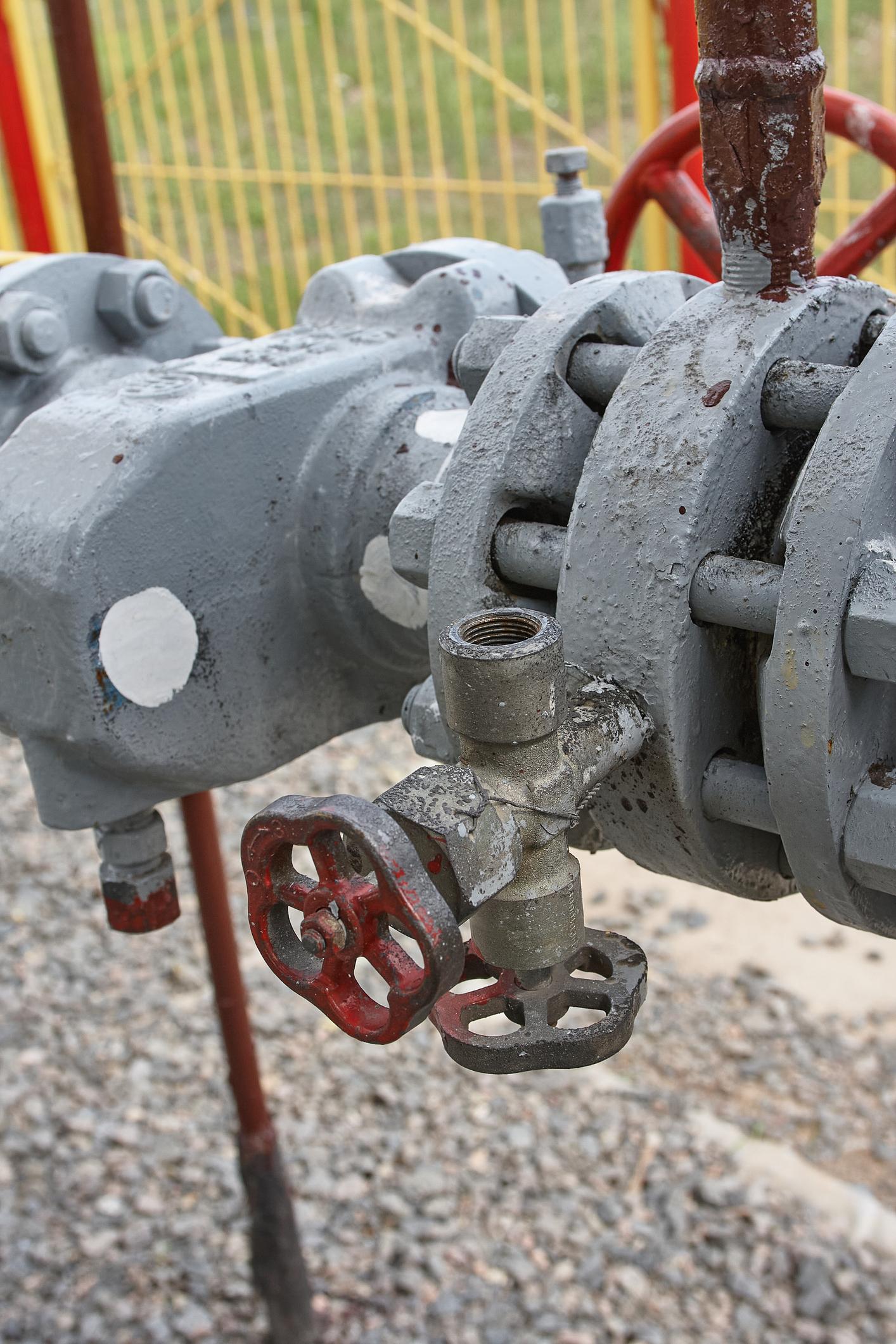
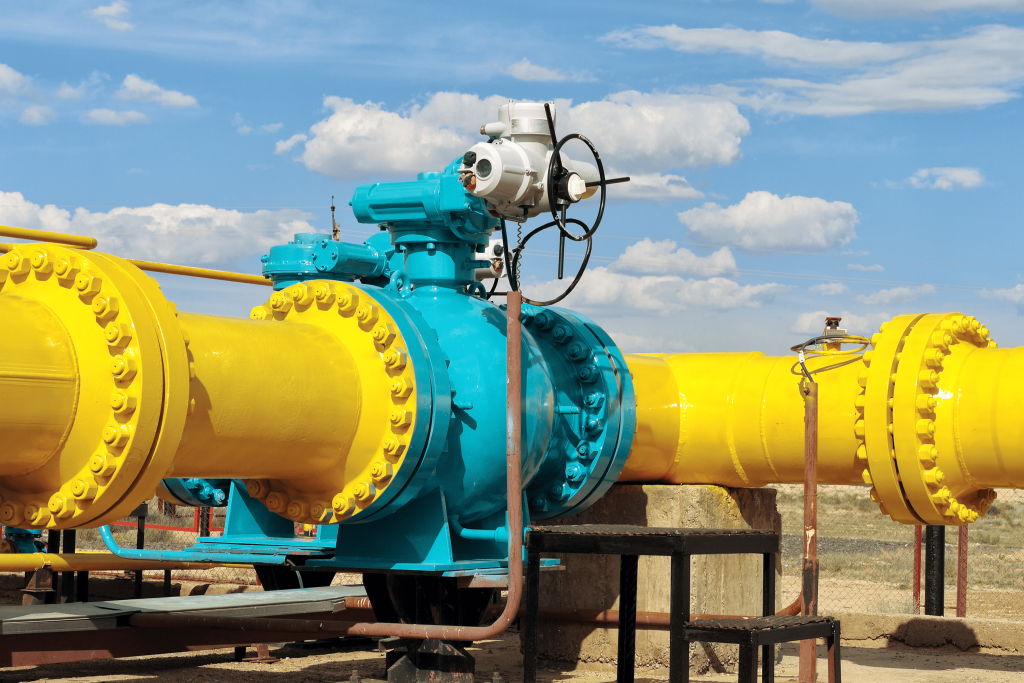
Valves are core components in the technological systems of industrial plants, piping systems, and offshore oil and gas projects. They regulate the flow, pressure, and volume of media such as oil, gas, water, chemicals, and other industrial substances. Due to continuous operation under high loads, high pressures, and harsh environments, valve systems are prone to wear, performance degradation, or failure if not properly maintained.

PVD Training provides valve maintenance services, including equipment inspection, technical condition assessment, and maintenance activities tailored to actual operating conditions. These services help customers maintain equipment performance, minimize unplanned downtime, and extend the lifespan of the entire valve system in plants and offshore facilities.

The role of valve maintenance in industrial operations

In industrial and oil and gas systems, valve-related incidents can have serious consequences such as fluid leaks, loss of pressure control, production line interruptions, and even human safety impacts. Therefore, valve maintenance is not only a routine technical activity but also an important part of asset safety and operation management.

Proper timing and methods of maintenance help:

    • Maintain stable flow and pressure in the system
    • Detect early signs of damage or performance degradation
    • Reduce the risk of technical failures and accidents
    • Limit major repair costs and prolonged downtime

PVD Training’s valve maintenance services play a crucial role in ensuring safe, continuous, and efficient operation for industrial and offshore projects.

Scope of valve maintenance services

PVD Training’s valve maintenance services are implemented flexibly to suit the operational characteristics and technical requirements of each system. The scope of services includes:

    • Comprehensive inspection of valve technical condition
    • Assessment of wear and tear levels and operational performance
    • Scheduled maintenance or maintenance based on actual operating conditions
    • Performing maintenance tasks to restore and maintain equipment performance
    • Technical support during system operation and maintenance

Maintenance activities are performed in accordance with the operating conditions of the equipment, including industrial plant environments and offshore facilities.

Maintenance methods and procedures

PVD Training implements valve maintenance services following strict technical procedures to ensure the quality and reliability of equipment after maintenance.

The process begins with a survey of the system’s current status, collecting information on operating conditions, maintenance history, and technical issues that have arisen. Based on this, the technical team conducts a detailed inspection of each valve, assesses its condition, and determines the items that need maintenance.

After completing the assessment, PVD Training performs appropriate maintenance work to ensure the equipment meets operational requirements. Maintenance results are recorded and reported, serving equipment management and future maintenance planning.

Ensuring system performance and reliability

The goal of valve maintenance services is to ensure that the system always operates stably and meets technical requirements throughout its operating life. Maintaining equipment performance helps the system operate more efficiently, reduces energy losses, and minimizes incidents.

For offshore projects and continuous operation systems, valve reliability is a key factor in ensuring safety and progress. PVD Training’s services help customers proactively control equipment status and maintain stable operating conditions in the long term.

Value and benefits

PVD Training’s valve maintenance services provide customers with many practical benefits in operation and technical maintenance.

Firstly, the service helps minimize downtime, reducing interruptions in production and operation. Additionally, proper maintenance extends the lifespan of the valve system, reduces replacement costs, and optimizes long-term maintenance expenses.

The service also supports customers in technical asset management, enhancing safety and ensuring compliance with technical and safety requirements applicable to offshore plants and structures.

Application areas

PVD Training’s valve maintenance service is suitable for many fields and types of projects, including:

    • Industrial plants and industrial parks
    • Pipeline systems and technological lines
    • Oil and gas projects and offshore drilling rigs
    • Technical operation and maintenance projects

Electrical & Instrumentation Services

Service Overview

PVD Training provides Electrical & Instrumentation (E&I) services for oil and gas, industrial, and marine projects, meeting the requirements for continuous, safe, and stable operation in harsh working environments. The services are designed to support customers throughout the entire technical system lifecycle, from initial installation, operation, and periodic maintenance to system repair and modification.

With a team of engineers and technicians with practical experience in onshore and offshore projects, PVD Training provides E&I solutions tailored to the specific characteristics of each project, ensuring that electrical and control systems meet technical, safety, and environmental requirements.

Scope of Services

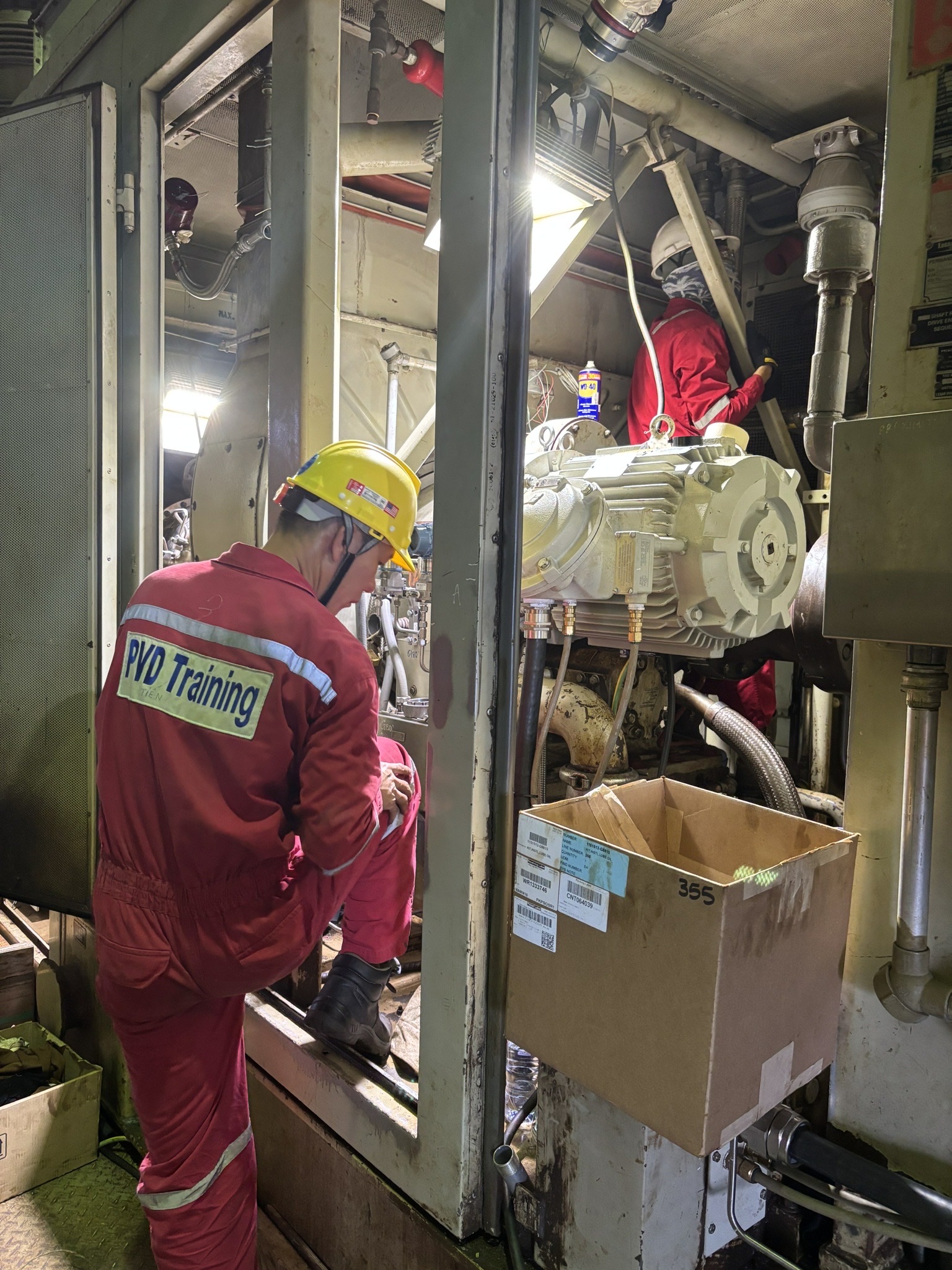
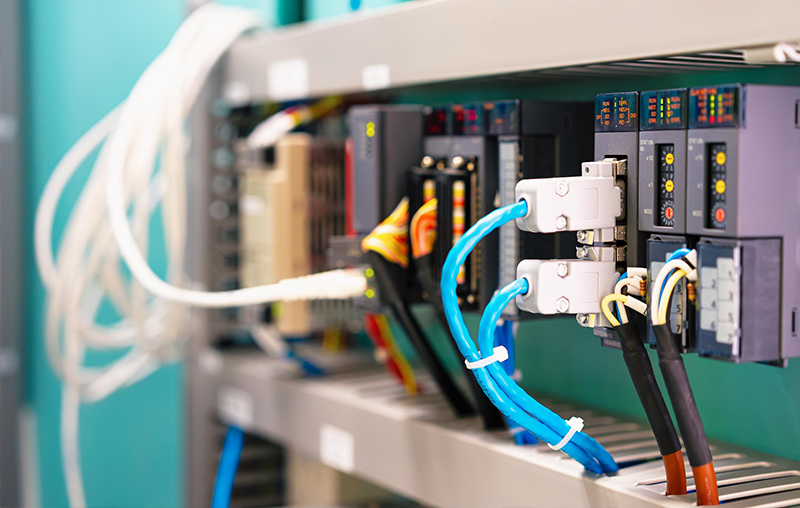
E&I services include installation, inspection, connection, and maintenance of low-voltage and medium-voltage electrical systems, electrical cabinets, electrical cables, and measurement and control equipment. In addition, we provide preventive maintenance, repair maintenance, system calibration, and technical support during system commissioning and acceptance testing.

Implementation Process

E&I activities are carried out according to a clear technical process, including site surveys, risk assessments, construction and maintenance planning, work implementation, and inspection and acceptance. All work is supervised to ensure compliance with safety and quality requirements.

Value Delivered

PVD Training’s E&I services help customers maintain stable operating conditions, minimize system failures, optimize energy efficiency, and extend equipment life. This is a critical factor in ensuring long-term occupational safety and production efficiency.