Power BI – Turning Data into Critical Decision

When Excel Is No Longer Enough

Most businesses today have access to vast amounts of data. Accounting systems record every transaction. Sales software stores every order. HR systems contain detailed employee information. ERP platforms track inventory on a daily basis.

But much of this data sits in separate systems that do not communicate with one another. To create a consolidated report, someone often has to export data from each source, copy it into Excel, combine it manually, reformat it, and then send it out — a process that can take anywhere from a few hours to several days.

And by the time that report reaches the decision-maker, the data may already be from yesterday. Or last week. Sometimes even last month.

Business Intelligence (BI) was created to solve exactly this problem. And Power BI — Microsoft’s leading BI platform — has become a preferred choice for organizations worldwide that want to turn data into visual dashboards, automated reports, and more reliable decision-making.


17%

BI Marketshare

70%

Reduction of report costs

100+

Supporting Sources

#1

Gartner Magic Quadrant 2026

Power BI

What Is Business Intelligence — And Where Does Power BI Fit In?

Business Intelligence (BI) is the process of collecting, processing, and presenting business data in a way that helps people understand what is happening — and make decisions based on real data rather than intuition or experience alone.

Power BI is Microsoft’s BI platform and integrates with the broader Microsoft 365 ecosystem, including Excel, Teams, SharePoint, and Azure. Users can connect to hundreds of data sources — from Excel files and SQL Server to Google Sheets, Salesforce, and internal ERP systems — then build interactive dashboards and reports within hours.

The key difference: Power BI does not require users to know programming or have an advanced IT background. Anyone familiar with Excel can learn to use Power BI in their daily work.

Why Power BI Is a Business Intelligence Tool Organizations Need in 2026

In 2026, Power BI is no longer simply a charting tool. The platform has integrated AI capabilities such as Copilot, Smart Narratives, and natural-language Q&A, while becoming a central part of the Microsoft Fabric ecosystem — enabling organizations to move from manual reporting toward proactive, near real-time analytics.

  • Holds approximately 17% of the global BI market and has been recognized as a leader in the Gartner Magic Quadrant for multiple consecutive years
  • Can reduce reporting time and operating costs by up to 70% compared with traditional manual methods
  • Connects to 100+ data sources, including SQL, Excel, Salesforce, SAP, Google Analytics, REST APIs, and more
  • Row-Level Security (RLS) enables precise data access control by user and department
  • AI integration helps identify anomalies, explain performance declines, and suggest priority actions
  • Cost-effective licensing, with Power BI Pro available from approximately USD 10 per user per month — suitable for both SMEs and large enterprises

More importantly, Power BI is not designed only for data engineers or programmers. Its interface is built for people who are already familiar with Excel — drag and drop, select data fields, and format charts.

If you can build a PivotTable in Excel, you can start using Power BI.

Power BI does not replace human decision-making. It gives people the data they need to make better decisions.

What Changes When an Organization Uses Power BI?

The biggest change is not the technology itself. It happens in meetings, decisions, and day-to-day operations across every department.

Finance & Accounting: Instead of waiting two weeks for the month-end closing process, finance teams can use dashboards that update revenue, costs, and cash flow on a daily basis. The question “Where are we this month?” can be answered immediately.

Business Development & Sales: Sales managers no longer need to ask each employee individually for progress updates. A pipeline dashboard clearly shows how many opportunities are at each stage, conversion rates, and which channels are performing best. Sales review meetings become less about reporting and more about analysis and decision-making.

Operations & Supply Chain: Instead of identifying problems only after they have already occurred, the system can alert users when operational indicators move outside acceptable thresholds. No one needs to sit in front of an Excel spreadsheet manually checking the numbers — Power BI can continuously monitor the data and provide notifications.

Human Resources: HR teams can go beyond simply knowing how many employees have resigned. They can identify turnover trends by department, time of year, salary level, and other factors. Instead of reacting after talent has already been lost, HR can act earlier.

Executive Management: Instead of spending half a meeting waiting for numbers to be presented, CEOs and management teams can enter the room with dashboards already available on screen — and use the entire meeting to discuss strategy.

From waiting for information to getting answers immediately — that is the difference Power BI can make.

Who Should Learn Power BI?

Power BI is not a tool reserved for IT or data teams. Anyone in an organization who works with reports, tracks performance indicators, or presents data can benefit from learning Power BI.

In practice, some of the people who gain the most value from Power BI include accountants tired of manually consolidating month-end reports, sales managers who need real-time pipeline visibility, HR professionals who want deeper workforce insights, operations managers who need continuous KPI monitoring, and executives who want one screen that provides a complete view of the business.

Data Analysis Skills Are No Longer an Advantage — They Are a Requirement

In 2026, expectations around the speed and quality of business decision-making have changed. Business partners want immediate figures. Investors expect transparent reporting. Markets move faster than the traditional monthly reporting cycle.

The ability to read, analyze, and present data is no longer limited to IT or analytics teams. It is becoming part of everyday work for everyone — from sales employees and middle managers to senior executives.

Power BI is the tool.

The ability to use it effectively is what creates the difference.

Fire Protection Equipment and System Services

Service Overview

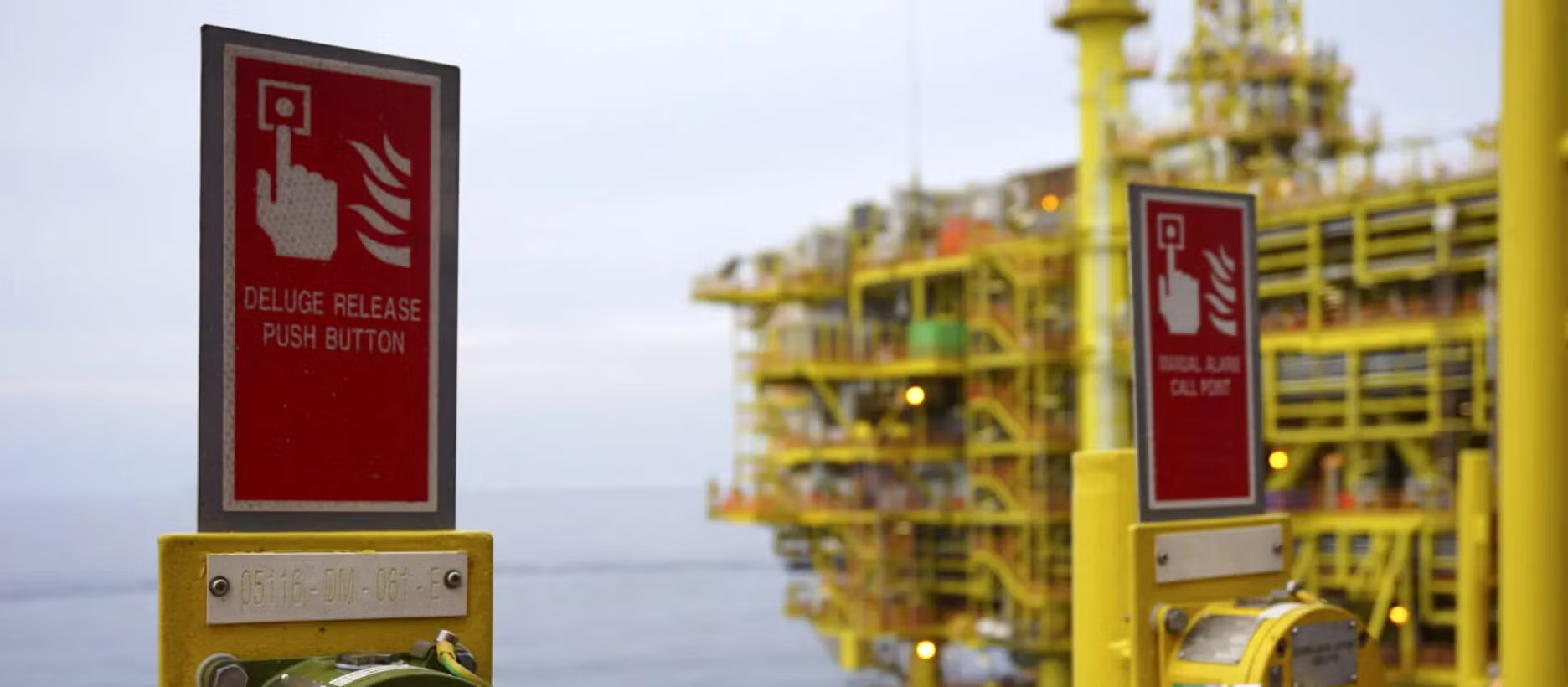
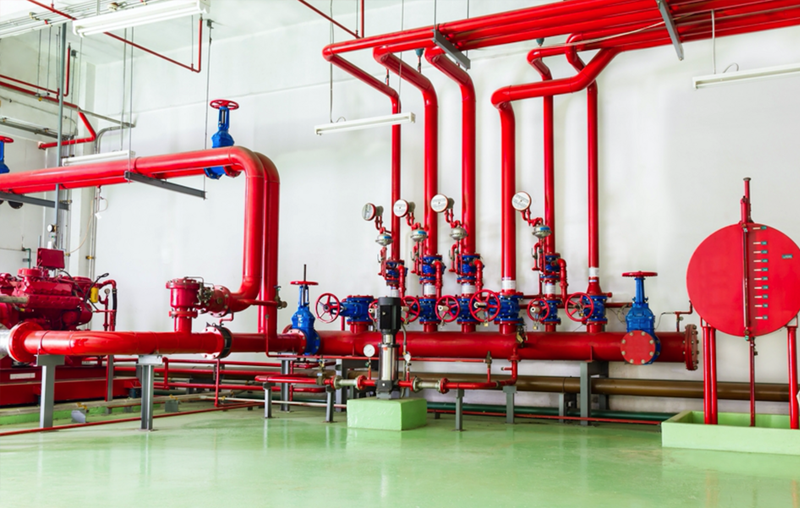
In the oil and gas, heavy industry, and offshore sectors, the risk of fire and explosion is ever-present due to the presence of flammable fuels, high-power electrical systems, and harsh operating conditions. Ensuring that fire protection equipment and systems are always ready for operation is a mandatory requirement to protect people, property, and maintain the continuity of production activities.

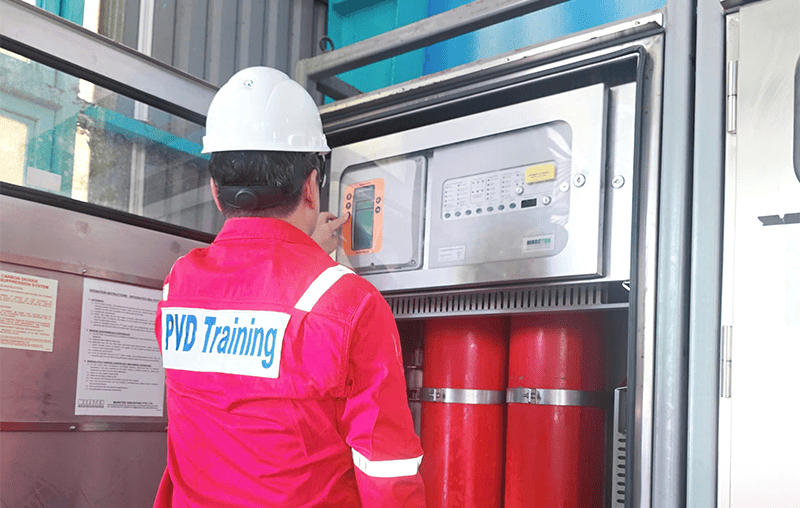
PVD Training provides inspection, maintenance, repair, and technical support services for fire protection equipment and systems, serving oil and gas projects, industrial plants, and offshore projects. These services are implemented to ensure that fire protection systems meet technical requirements, safety standards, and current legal regulations throughout their operational lifecycle.

Scope of Services

PVD Training’s Firefighting Equipment & System Services comprehensively cover all items related to firefighting equipment and systems used in industrial and offshore environments.

We inspect, maintain, and repair portable and fixed fire extinguishers, including powder extinguishers, CO₂ extinguishers, clean agent extinguishers, and other specialized firefighting equipment. Inspections are conducted to assess the technical condition, operational capability, and safety compliance of each device.

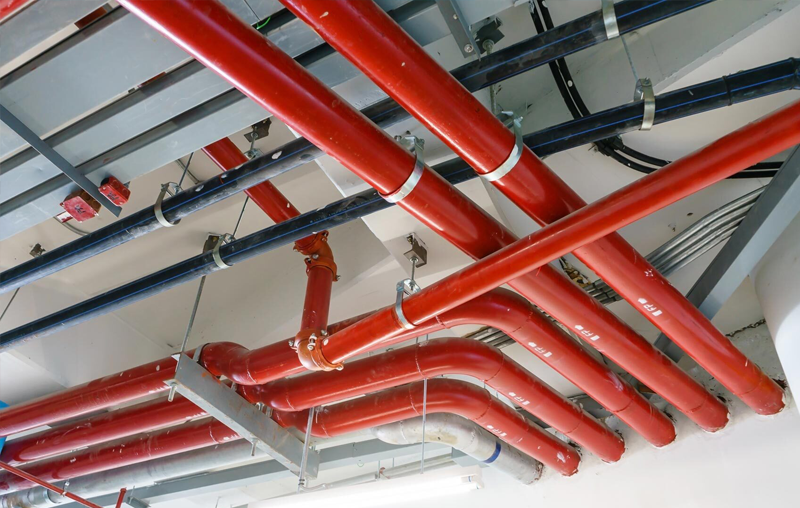
In addition, PVD Training provides maintenance and inspection services for fixed firefighting systems, including water-based firefighting systems, foam (AFFF) systems, gas firefighting systems such as FM200, and equivalent systems. The work includes inspecting the condition of pipes, valves, nozzles, activation devices, and related components to ensure the system can operate effectively in the event of a fire or explosion.

Additionally, the service includes inspection and maintenance of breathing and rescue equipment, such as SCBA and escape aids, to ensure readiness for use in emergency situations.

Service implementation process

PVD Training’s fire protection equipment and system services are implemented according to a strict control process to ensure quality, safety, and compliance.

First, the technical team surveys the current status of the fire protection and firefighting system, assessing the condition of the equipment, the degree of wear and tear, operational capabilities, and any points that do not meet technical requirements or safety regulations. Based on this, we develop a maintenance and repair plan appropriate to the actual conditions of each project.

During implementation, maintenance, repair, and inspection work is carried out in accordance with technical procedures, with safety supervision and quality control. After completion, the system and equipment are re-inspected to confirm their operational status and level of compliance with safety requirements before being handed over to the customer.

Technical standards and safety compliance

Throughout the entire service provision process, PVD Training strictly adheres to occupational safety requirements and technical standards applicable to fire protection systems in the oil and gas and industrial sectors. Inspection and maintenance activities are carried out in accordance with the investor’s internal regulations, industry technical standards, and relevant legal requirements.

Compliance with safety standards and procedures not only ensures the effective operation of fire protection and firefighting systems but also supports customers in safety inspections, assessments, audits, and compliance with relevant parties’ regulations.

Value and benefits

PVD Training’s fire protection equipment and system services provide tangible value in enhancing the overall safety of buildings and workers. Properly inspected and maintained fire protection systems help minimize fire and explosion risks, limiting damage to people and property in the event of an incident.

In addition, regular maintenance and technical control of the system helps customers maintain operational readiness and avoid production interruptions due to safety-related issues. The service also contributes to extending the life of equipment and optimizing long-term operating and maintenance costs.

Application Areas

    • PVD Training’s Firefighting Equipment & System Services are suitable for various types of projects and facilities, including:
    • Oil and gas drilling rigs and offshore projects
    • Industrial plants and manufacturing facilities
    • Warehouses and storage areas for flammable materials
    • Oil and gas service vessels and marine structures

Industrial Valve System Inspection, Assessment, and Maintenance Services

Service Overview

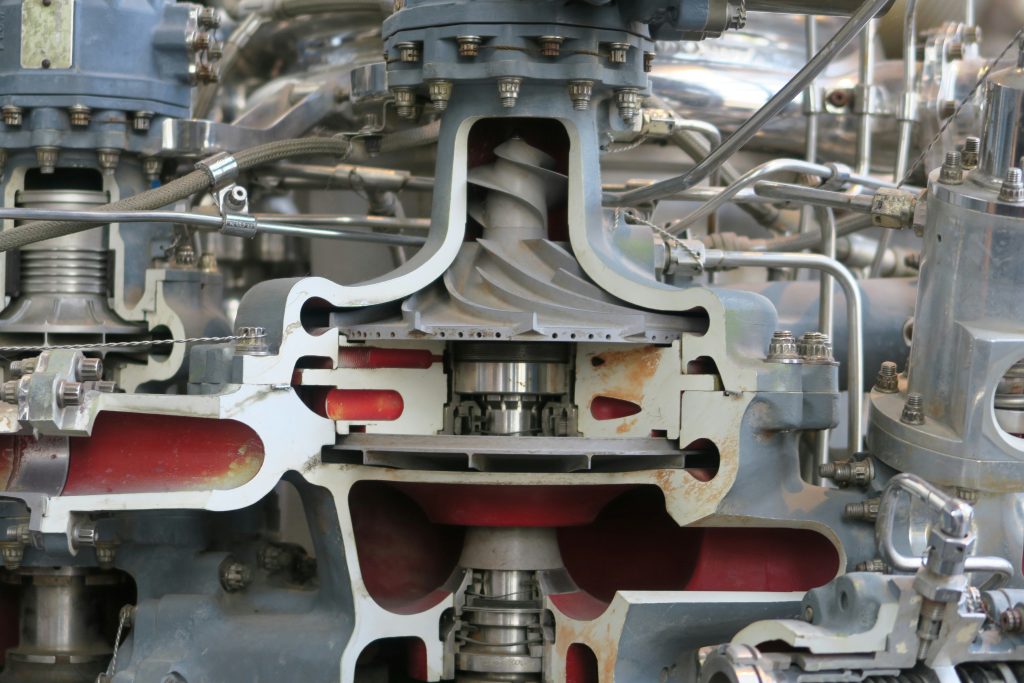
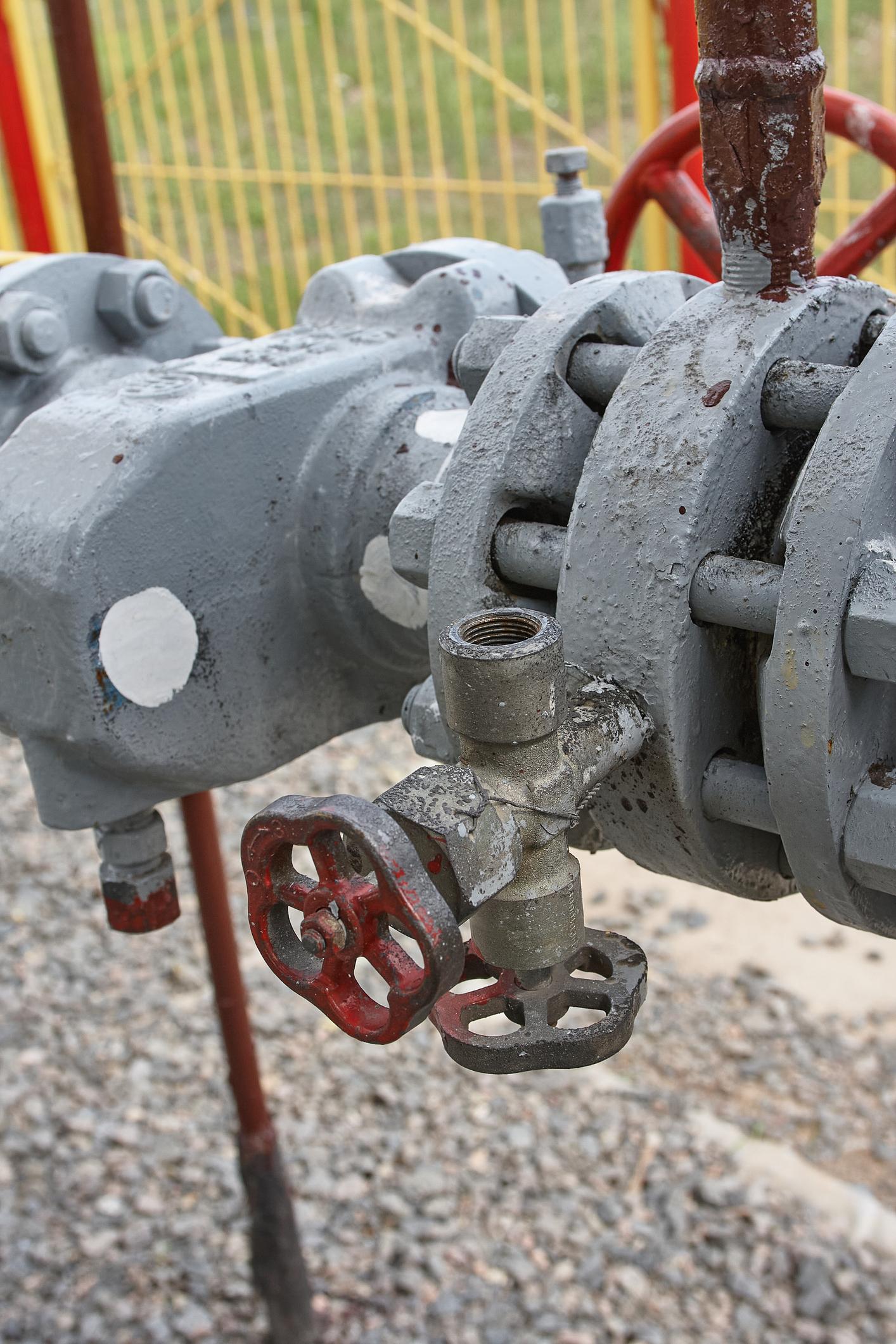
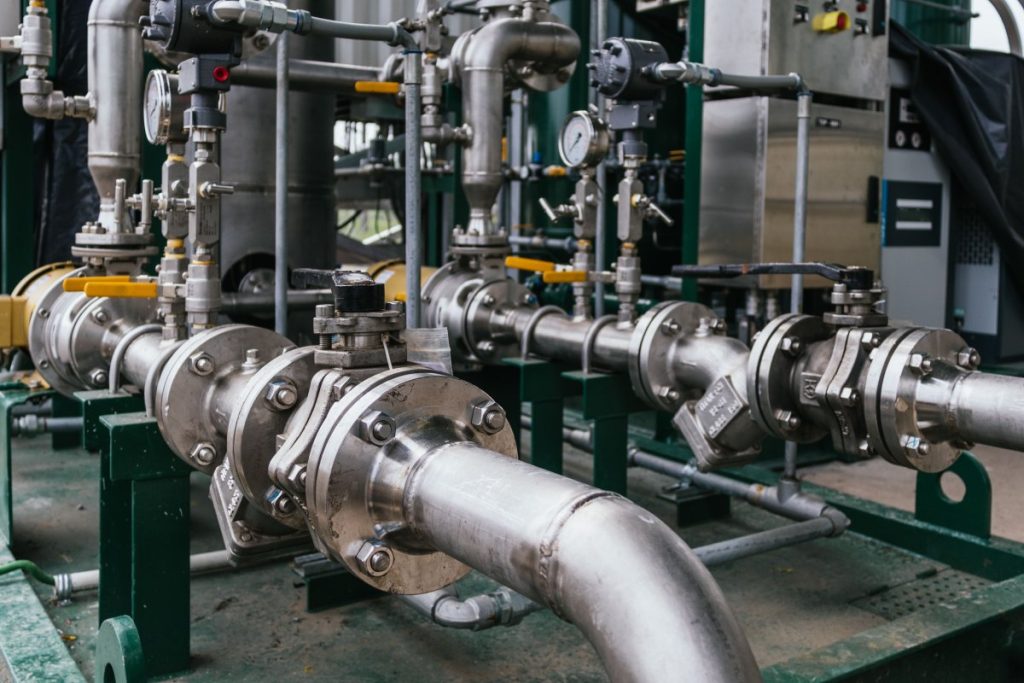
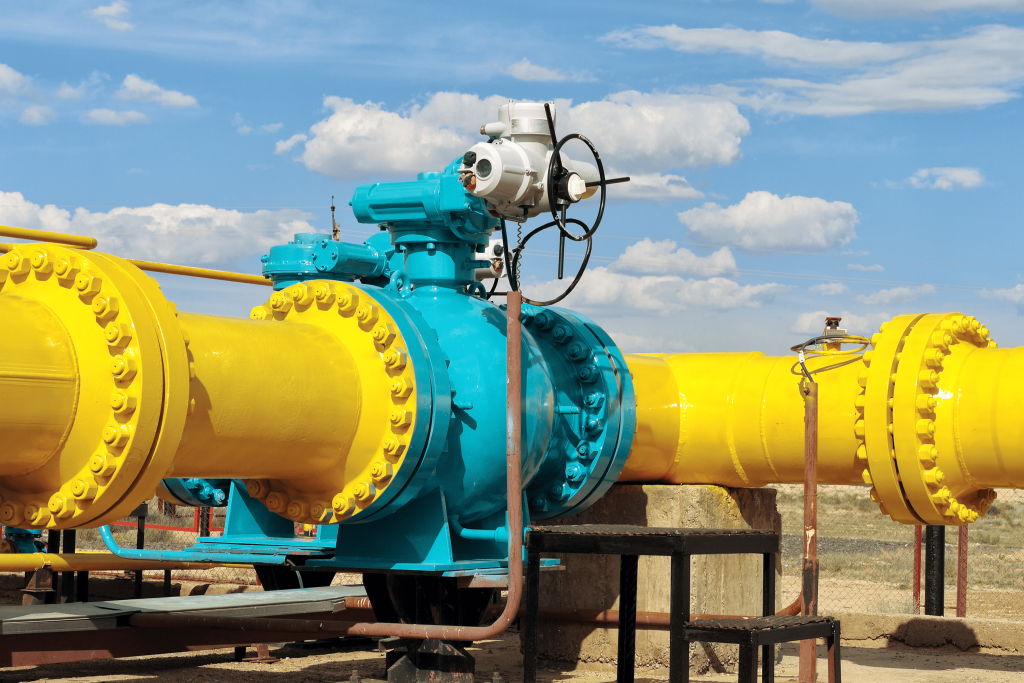
Valves are core components in the technological systems of industrial plants, piping systems, and offshore oil and gas projects. They regulate the flow, pressure, and volume of media such as oil, gas, water, chemicals, and other industrial substances. Due to continuous operation under high loads, high pressures, and harsh environments, valve systems are prone to wear, performance degradation, or failure if not properly maintained.

PVD Training provides valve maintenance services, including equipment inspection, technical condition assessment, and maintenance activities tailored to actual operating conditions. These services help customers maintain equipment performance, minimize unplanned downtime, and extend the lifespan of the entire valve system in plants and offshore facilities.

The role of valve maintenance in industrial operations

In industrial and oil and gas systems, valve-related incidents can have serious consequences such as fluid leaks, loss of pressure control, production line interruptions, and even human safety impacts. Therefore, valve maintenance is not only a routine technical activity but also an important part of asset safety and operation management.

Proper timing and methods of maintenance help:

    • Maintain stable flow and pressure in the system
    • Detect early signs of damage or performance degradation
    • Reduce the risk of technical failures and accidents
    • Limit major repair costs and prolonged downtime

PVD Training’s valve maintenance services play a crucial role in ensuring safe, continuous, and efficient operation for industrial and offshore projects.

Scope of valve maintenance services

PVD Training’s valve maintenance services are implemented flexibly to suit the operational characteristics and technical requirements of each system. The scope of services includes:

    • Comprehensive inspection of valve technical condition
    • Assessment of wear and tear levels and operational performance
    • Scheduled maintenance or maintenance based on actual operating conditions
    • Performing maintenance tasks to restore and maintain equipment performance
    • Technical support during system operation and maintenance

Maintenance activities are performed in accordance with the operating conditions of the equipment, including industrial plant environments and offshore facilities.

Maintenance methods and procedures

PVD Training implements valve maintenance services following strict technical procedures to ensure the quality and reliability of equipment after maintenance.

The process begins with a survey of the system’s current status, collecting information on operating conditions, maintenance history, and technical issues that have arisen. Based on this, the technical team conducts a detailed inspection of each valve, assesses its condition, and determines the items that need maintenance.

After completing the assessment, PVD Training performs appropriate maintenance work to ensure the equipment meets operational requirements. Maintenance results are recorded and reported, serving equipment management and future maintenance planning.

Ensuring system performance and reliability

The goal of valve maintenance services is to ensure that the system always operates stably and meets technical requirements throughout its operating life. Maintaining equipment performance helps the system operate more efficiently, reduces energy losses, and minimizes incidents.

For offshore projects and continuous operation systems, valve reliability is a key factor in ensuring safety and progress. PVD Training’s services help customers proactively control equipment status and maintain stable operating conditions in the long term.

Value and benefits

PVD Training’s valve maintenance services provide customers with many practical benefits in operation and technical maintenance.

Firstly, the service helps minimize downtime, reducing interruptions in production and operation. Additionally, proper maintenance extends the lifespan of the valve system, reduces replacement costs, and optimizes long-term maintenance expenses.

The service also supports customers in technical asset management, enhancing safety and ensuring compliance with technical and safety requirements applicable to offshore plants and structures.

Application areas

PVD Training’s valve maintenance service is suitable for many fields and types of projects, including:

    • Industrial plants and industrial parks
    • Pipeline systems and technological lines
    • Oil and gas projects and offshore drilling rigs
    • Technical operation and maintenance projects

Electrical & Instrumentation Services

Service Overview

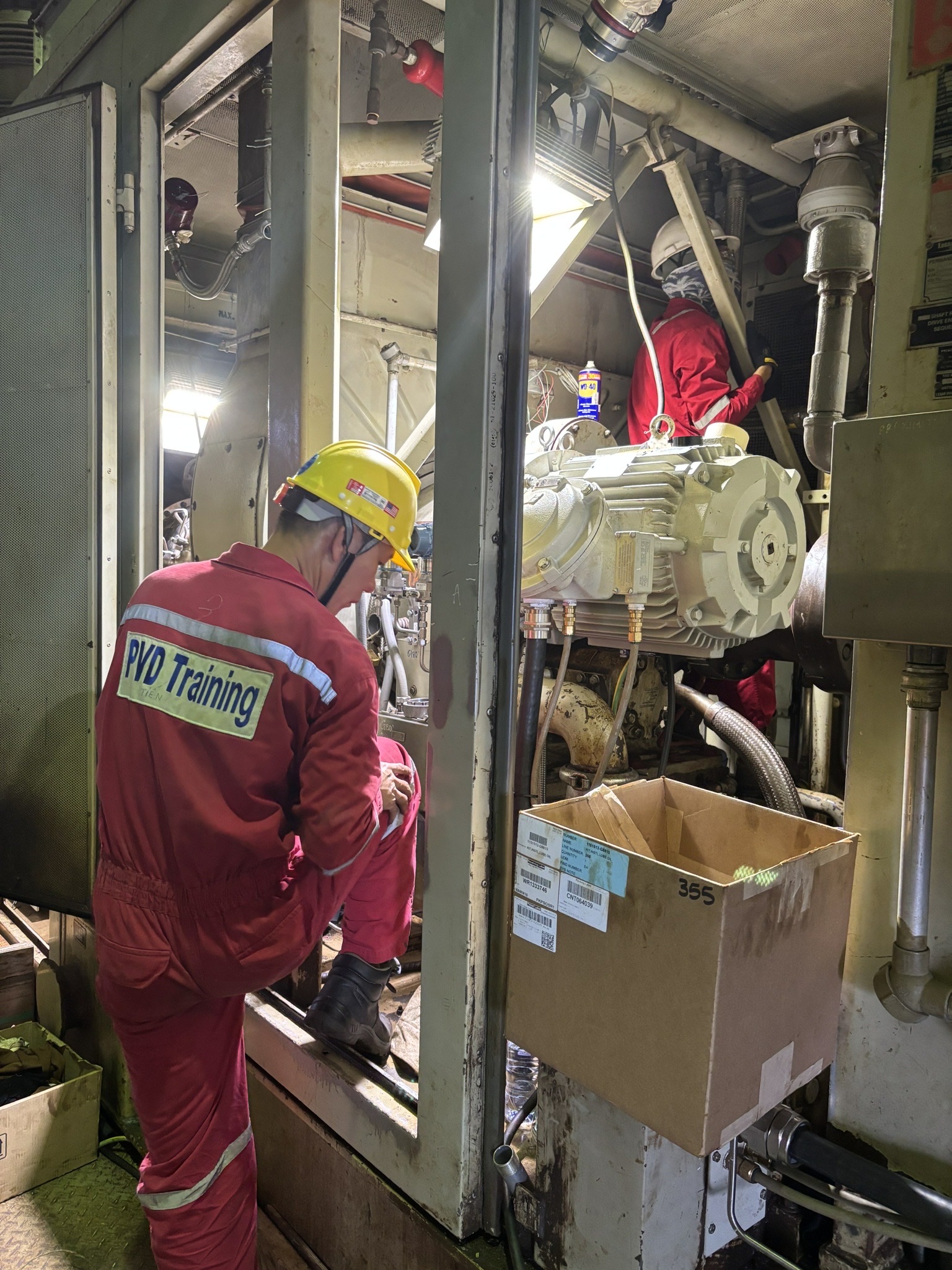
PVD Training provides Electrical & Instrumentation (E&I) services for oil and gas, industrial, and marine projects, meeting the requirements for continuous, safe, and stable operation in harsh working environments. The services are designed to support customers throughout the entire technical system lifecycle, from initial installation, operation, and periodic maintenance to system repair and modification.

With a team of engineers and technicians with practical experience in onshore and offshore projects, PVD Training provides E&I solutions tailored to the specific characteristics of each project, ensuring that electrical and control systems meet technical, safety, and environmental requirements.

Scope of Services

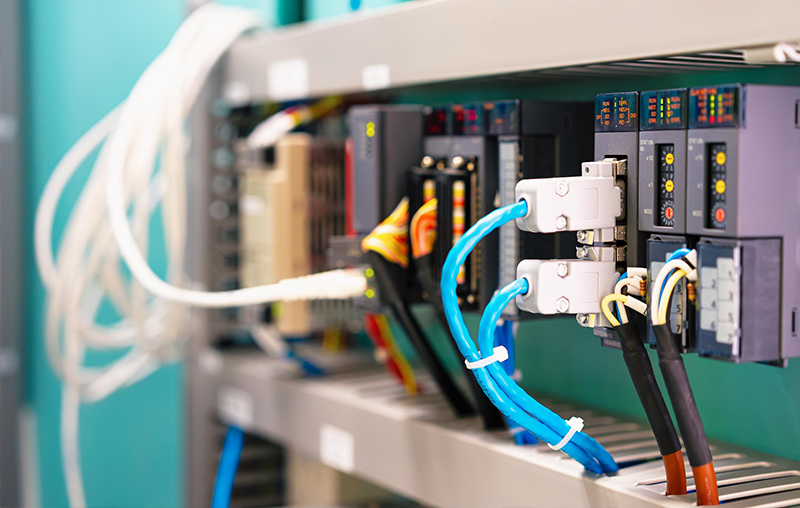
E&I services include installation, inspection, connection, and maintenance of low-voltage and medium-voltage electrical systems, electrical cabinets, electrical cables, and measurement and control equipment. In addition, we provide preventive maintenance, repair maintenance, system calibration, and technical support during system commissioning and acceptance testing.

Implementation Process

E&I activities are carried out according to a clear technical process, including site surveys, risk assessments, construction and maintenance planning, work implementation, and inspection and acceptance. All work is supervised to ensure compliance with safety and quality requirements.

Value Delivered

PVD Training’s E&I services help customers maintain stable operating conditions, minimize system failures, optimize energy efficiency, and extend equipment life. This is a critical factor in ensuring long-term occupational safety and production efficiency.