
Gas Turbines and Gas Compressors: Why Getting the Design Right Decides a Project’s Fate
Introduction
On an offshore platform or onshore gas plant, two pieces of rotating equipment quietly decide whether a facility hits its production targets or spends months fighting downtime: the gas turbine and the gas compressor. Get their design, selection, and testing right, and they run for decades. Get it wrong, and the consequences show up exactly when a project can least afford them — during commissioning, or worse, after start-up.
Understanding Gas Turbines and Gas Compressors
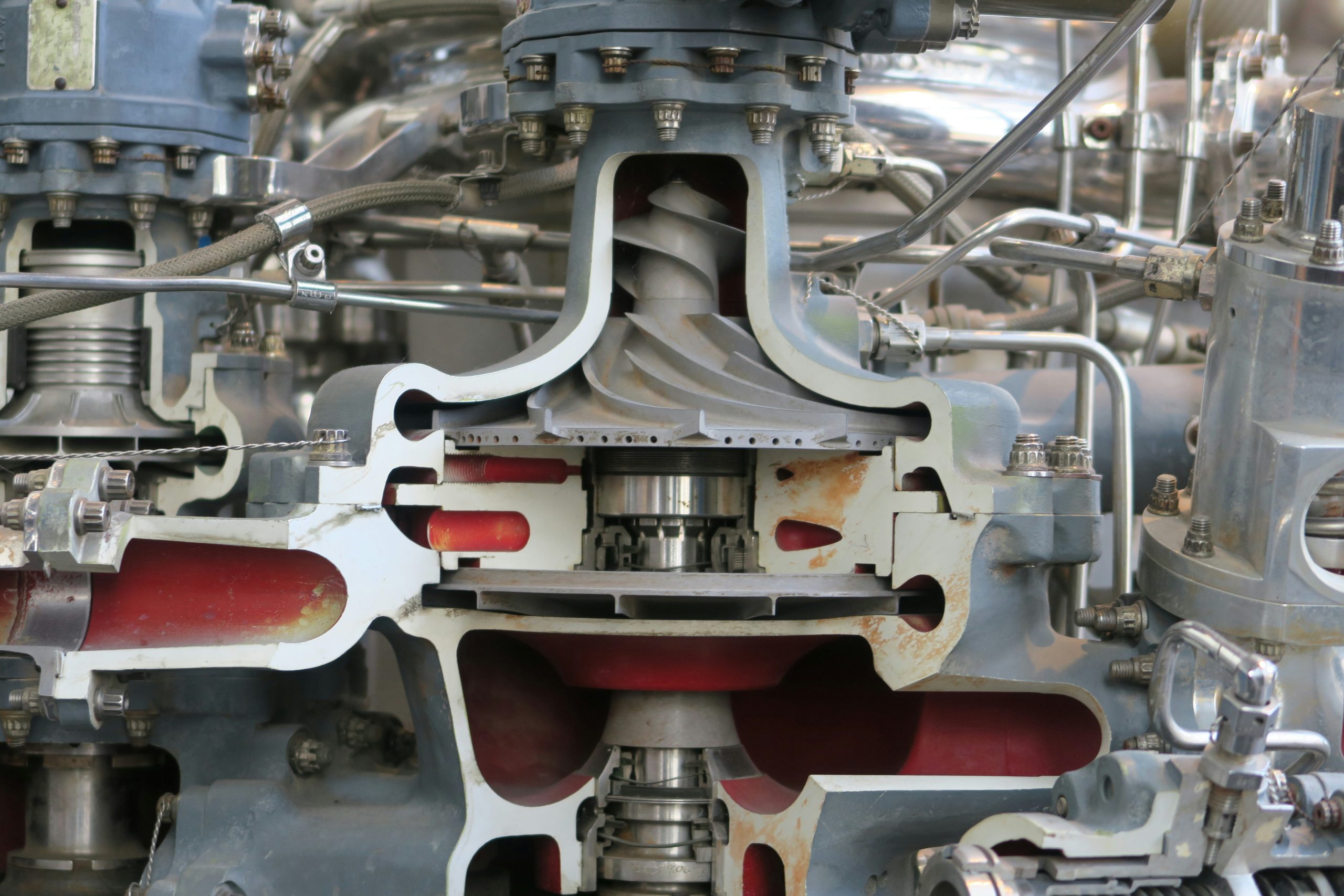
A gas turbine is, at its core, an engine that converts fuel gas into rotational power — pulling in air, compressing it, burning fuel in that compressed air, and using the resulting hot expanding gas to spin a turbine shaft. In an oil & gas facility, that shaft power rarely exists for its own sake; its job is usually to drive a gas compressor, the equipment that raises the pressure of process or export gas so it can be transported, injected, or processed further downstream.
Together, a gas turbine and its driven compressor form a “package” — not just the two main machines, but the full system of auxiliary equipment around them: lube oil systems, seal gas systems, anti-surge control, instrumentation, and the mechanical structure that holds it all together. Because these packages are almost always custom-engineered to a specific gas composition, pressure duty, and site condition, they behave nothing like off-the-shelf equipment. Two compressor packages that look similar on a datasheet can perform very differently in the field, depending on details like casing configuration, seal system design, or anti-surge philosophy.
That’s why the industry leans on rigorous standards to keep everyone honest: API 616 for gas turbines and API 617 for axial and centrifugal compressors define design and mechanical requirements, while ASME PTC 22 and PTC 10 set the rules for how their thermal and mechanical performance is actually tested and verified. Knowing these standards exist is one thing; knowing how to apply them when comparing vendor bids or reviewing a mechanical package is a different skill entirely — and it’s the skill that separates a smooth project from a troubled one
A Familiar Scenario in Gas Processing Projects
Picture a mechanical package engineer partway through the detailed engineering phase of an offshore gas processing project. Three vendors have submitted technical bids for the centrifugal compressor package. On the surface, the numbers look close — similar power ratings, similar delivery times, similar price. But underneath, the bids differ in ways that don’t show up in a simple comparison table: one vendor’s efficiency curve is measured under slightly different reference conditions, another’s seal system carries looser tolerances than the project spec calls for, and a third’s anti-surge control philosophy hasn’t been fully documented.
If the engineer evaluating those bids can read past the summary numbers and understand what’s actually driving the differences, the technical bid evaluation becomes real engineering judgment — and the right vendor gets selected for the right reasons. If not, the evaluation becomes a guess dressed up as a decision. Eighteen months later, during commissioning, the gap surfaces: an anti-surge control issue that should have been caught on paper instead costs weeks of troubleshooting before the plant can start up.
That gap — between reading a vendor datasheet and genuinely understanding gas turbine and compressor engineering, from thermodynamics through to factory acceptance testing and commissioning — is exactly what a structured, hands-on course exists to close.
Course Overview: Design, Selection, Operation & Testing of Gas Turbines and Gas Compressors (ME1230-IH)
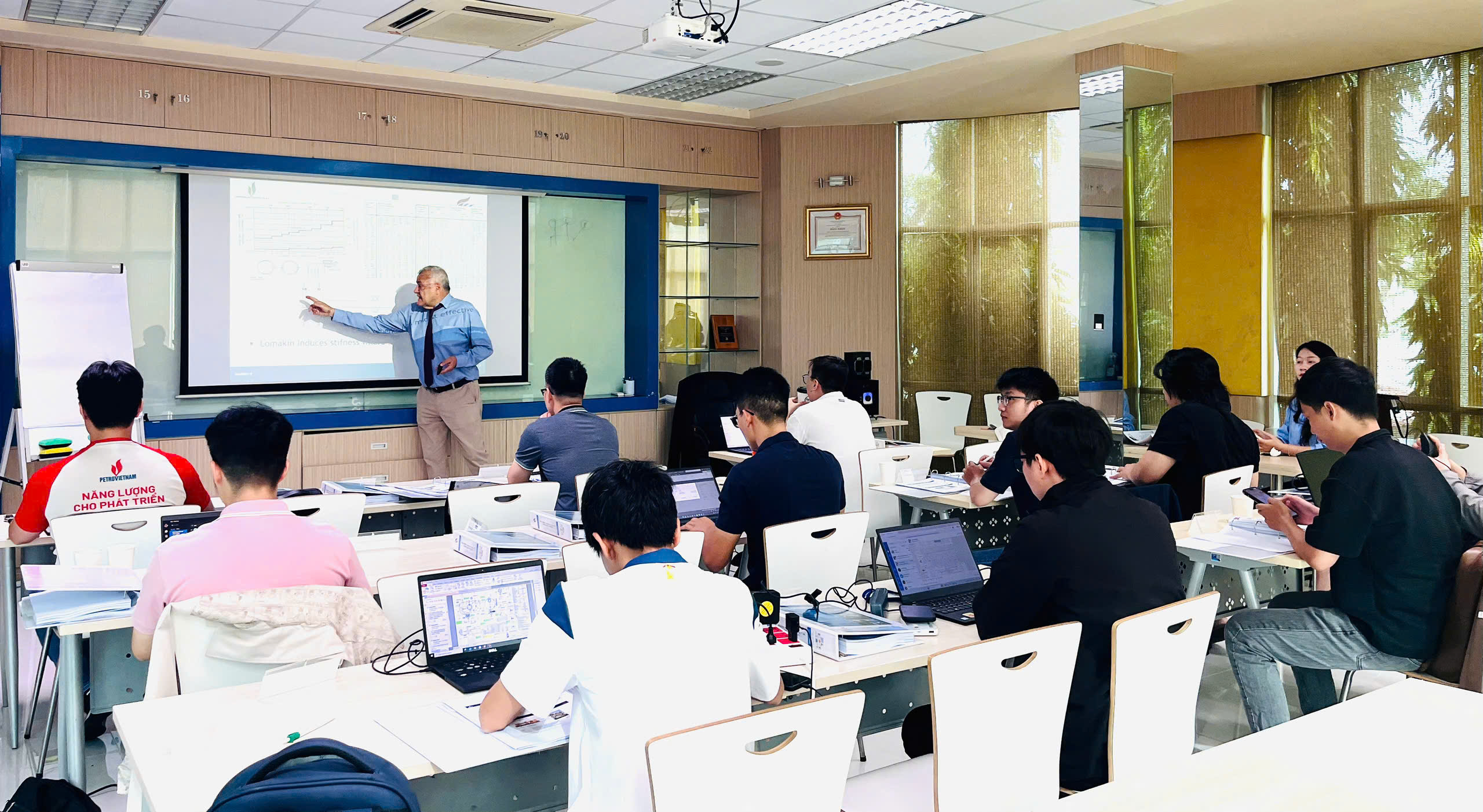
PVD Training’s ME1230-IH course is built for exactly this gap. It’s a practical, highly interactive five-day program that combines classroom instruction with state-of-the-art simulators, giving participants a detailed, up-to-date overview of gas turbine and gas compressor design, selection, operation, and testing — not just the theory, but how to apply it.
Course Details
| Course Reference | ME1230-IH |
| Course Date | August 24–28, 2026 |
| Venue | PVD Training Premises, Dong Xuyen Industrial Zone, 30/04 Street, Rach Dua Ward, Ho Chi Minh City, Vietnam |
| Duration / Credits | Five days / 3.75 CEUs / 37.5 PDHs |
| Format | Practical and highly interactive — includes practical sessions, exercises, and state-of-the-art simulators |
What the Course Covers
- Gas turbine packages, thermodynamics, components, and auxiliary systems
- Gas turbine design considerations, gas turbine performance, and gas turbine package engineering
- Fundamentals of centrifugal compressors and compressor internal components
- Compressor performance characteristics, compressor auxiliary systems, and equipment selection principles
- Compressor package configuration and mechanical package engineering
- API 616 gas turbines, API 617 centrifugal compressors, ASME PTC 10 and 22, and ISO standards
- Design documentation review, mechanical package engineering review, and technical bid evaluation (TBE)
- Vendor comparison, vendor documentation review, reliability and maintainability
- Mechanical integrity, instrumentation and control, factory acceptance testing (FAT), and performance testing
- Site installation, mechanical completion, commissioning, start-up support, and troubleshooting for gas turbines and centrifugal compressors
What You’ll Be Able to Do After This Course
- Apply and gain an in-depth knowledge on the design, selection, operation and testing of gas turbines and gas compressors
- Discuss gas turbine packages, thermodynamics, components and auxiliary systems
- Recognize gas turbine design considerations, gas turbine performance and gas turbine package engineering
- Explain the fundamentals of centrifugal compressors and identify compressor internal components
- Describe compressor performance characteristics, compressor auxiliary systems and equipment selection principles
- Apply compressor package configuration and discuss mechanical package engineering
- Review API 616 gas turbines, API 617 centrifugal compressors, ASME PTC 10 and 22 and ISO standards
- Perform design documentation review, mechanical package engineering review and technical bid evaluation (TBE)
- Carry out vendor comparison, vendor documentation review and reliability and maintainability
- Apply mechanical integrity, instrumentation and control, factory acceptance testing (FAT) and performance testing
- Employ site installation and mechanical completion, commissioning and start-up support and troubleshooting gas turbines and centrifugal compressors
Who Should Attend
This course provides an overview of all significant aspects and considerations of gas turbine and gas compressor packages for mechanical package engineers involved in FEED, EPC, detailed engineering, procurement, package engineering, technical bid evaluation, testing, commissioning, and start-up of gas turbine and gas compressor packages for offshore and onshore oil and gas facilities.
Why This Course Is Worth Your Time
The scenario above isn’t a hypothetical risk — it’s the kind of gap that shows up on real projects when technical bid evaluation, mechanical package review, and commissioning support are treated as paperwork rather than engineering judgment. This course closes that gap directly: five focused days, hands-on simulator work rather than pure lecture, and a curriculum that follows a compressor package’s real lifecycle — from thermodynamics and design through vendor evaluation, factory testing, and site start-up.
Participants also leave with 3.75 CEUs / 37.5 PDHs — recognized professional development credit that supports ongoing engineering certification requirements, on top of the practical capability gained.
- Congratulations to PVD Training’s learner who completed COMPRESSED AIR EMERGENCY BREATHING SYSTEM (CA-EBS) course according to OPITO international standards on 6th Jul, 2022
- Feedback GWO 12-2022
- Công ty CP Đào tạo Kỹ thuật PVD cần tuyển dụng chuyên viên điều động, quản lý nhân lực (Nam)
- MAJOR EMERGENCY MANAGEMENT & OIM CONTROLLING EMERGENCY ASSESSMENT OPITO APPROVED (MEMIR) (05 ngày)
- PVD TRAINING ĐƯỢC GWO CẤP CHỨNG NHẬN ĐÀO TẠO KỸ THUẬT & CỨU HỘ NÂNG CAO CÔNG TRÌNH ĐIỆN GIÓ