PVD Training is the pioneer in Vietnam to Provide IWCF Well Control & Well Intervention

One Wrong Decision Can Lead to Loss of Well Control

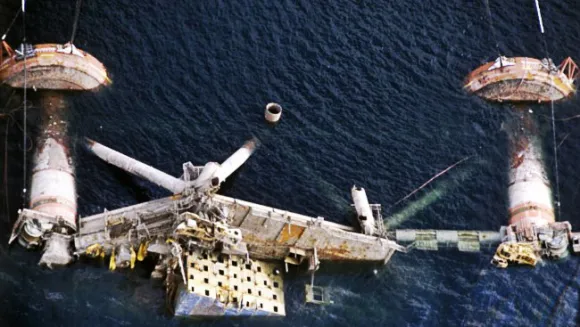
On 20 April 2010, the Deepwater Horizon drilling rig in the Gulf of Mexico experienced a catastrophic blowout, resulting in an explosion that claimed the lives of 11 workers and released nearly five million barrels of oil into the sea. It remains one of the most devastating disasters in the history of the oil and gas industry.

Subsequent investigations concluded that, in addition to equipment and procedural failures, the drilling crew’s ability to recognize, assess, and respond to Well Control situations played a critical role in determining whether the incident could have been prevented from escalating.

Following this event, oil and gas companies worldwide significantly strengthened competency requirements for Well Control personnel. As a result, the International Well Control Forum (IWCF) has become one of the most widely recognized standards for Well Control training and competency assessment across the global drilling industry.
IWCF 1
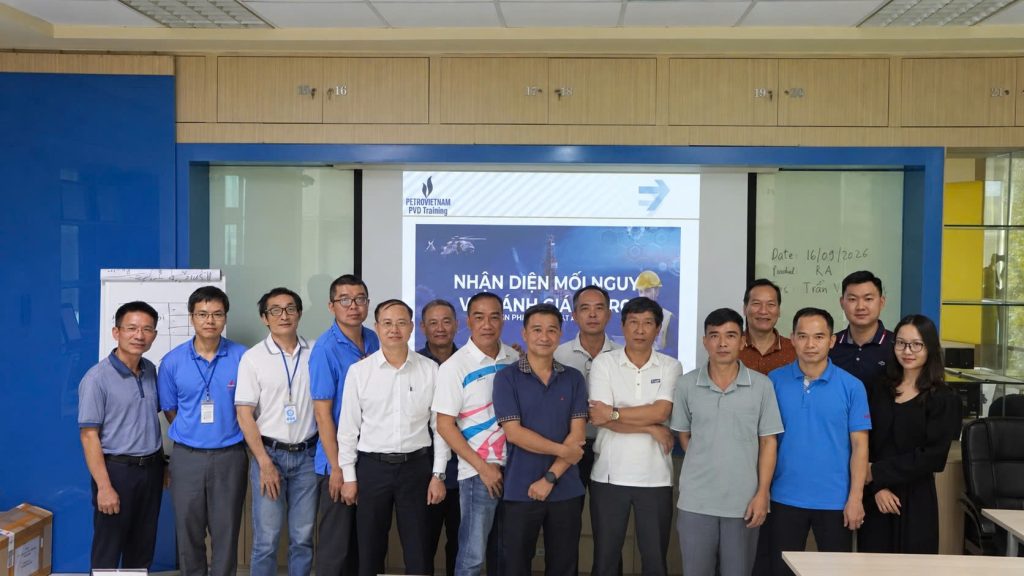
IWCF course Vietnam

What Is Well Control?

During drilling operations, subsurface pressures constantly change and present significant operational risks. When formation pressure exceeds the hydrostatic pressure exerted by the drilling fluid, formation fluids—including oil, gas, or water—may enter the wellbore, resulting in a kick.

If a kick is not detected and controlled promptly, it can develop into a blowout—a major incident that threatens human life, causes substantial financial losses, and can result in severe environmental damage.

Well Control encompasses the knowledge, skills, and procedures required to:

  • Prevent kicks from occurring.
  • Detect abnormal well conditions at an early stage.
  • Maintain control of wellbore pressure.
  • Safely restore the well to a stable condition.

It is regarded as one of the core competencies for all personnel involved in drilling operations.

IWCF – The International Standard for Well Control

The International Well Control Forum (IWCF) is a non-profit organization established to improve Well Control competency throughout the global oil and gas industry.

Unlike many conventional training programs, IWCF not only delivers technical knowledge but also provides a rigorous competency assessment framework to ensure that candidates are capable of responding effectively to real Well Control situations.

Today, IWCF certification is widely accepted by oil and gas operators, drilling contractors, and service companies worldwide as a mandatory qualification for numerous operational positions.

Who Needs an IWCF Certificate?

Depending on job roles and responsibilities, IWCF programs are designed for a wide range of drilling personnel, including:

  • Driller
  • Assistant Driller
  • Toolpusher
  • Drilling Supervisor
  • Drilling Engineer
  • Wellsite Supervisor
  • Company Man
  • Well Intervention Personnel

Many international drilling projects require personnel to hold a valid IWCF certificate before they are permitted to work on drilling rigs.

More Than Just a Certificate

A high-quality IWCF course does far more than prepare candidates to pass the assessment.

More importantly, participants develop the ability to:

  • Understand the fundamentals of well pressure.
  • Analyze the causes of kicks.
  • Select appropriate Well Control methods.
  • Operate Well Control equipment correctly and safely.
  • Make sound decisions under high-pressure operational conditions.

These competencies are essential for protecting personnel, safeguarding assets, and minimizing environmental risks.

Why Choose PVD Training?

As one of the pioneers in delivering IWCF Drilling Well Control training in Vietnam, PVD Training has partnered with numerous oil and gas operators, drilling contractors, and service companies to develop Well Control competency for technical personnel.

One of PVD Training’s key strengths is its team of IWCF-approved instructors, comprising both international experts and Vietnamese instructors fully qualified to deliver Level 2, Level 3, and Level 4 programs.

Having experienced Vietnamese instructors offers significant advantages to learners. Complex technical concepts can be explained clearly in both English and Vietnamese where appropriate, enabling participants to develop a deeper understanding of Well Control principles rather than simply preparing to pass the assessment. Instructors also share valuable lessons learned and real operational case studies from both domestic and international drilling projects, helping participants relate the training directly to their daily work.

Modern Training Facilities Designed Around Real Operations

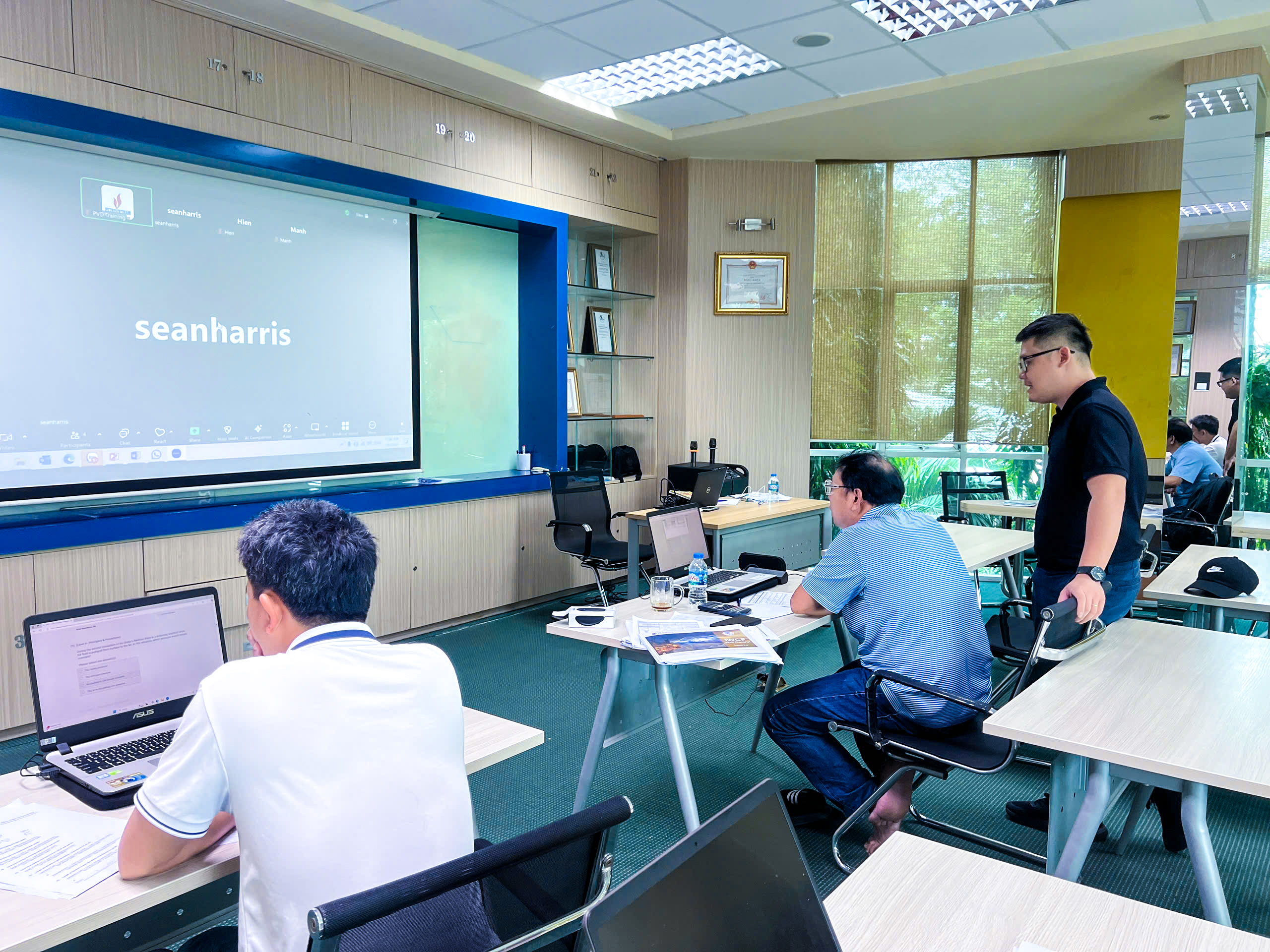
IWCF courses at PVD Training are delivered in a professional learning environment featuring modern simulation systems, up-to-date IWCF training materials, and a competency-based instructional approach.

Participants are not only thoroughly prepared for the IWCF assessment but also develop practical skills in incident analysis, problem-solving, and decision-making under realistic drilling scenarios.

Our instructors remain committed to supporting participants before, during, and after the course by providing technical guidance and sharing practical insights gained from years of experience in the drilling industry.

Developing the Next Generation of Well Control Professionals

As the energy industry continues to place increasing emphasis on competency, operational integrity, and safety, investing in Well Control training is no longer simply about meeting certification requirements—it is an investment in the safety and success of every drilling project.

With more than 15 years of experience delivering internationally recognized safety and technical training programs, PVD Training is committed to providing high-quality IWCF courses that equip participants with the competence and confidence to work in the global oil and gas industry while meeting internationally recognized Well Control standards.

Fire Protection Equipment and System Services

Service Overview

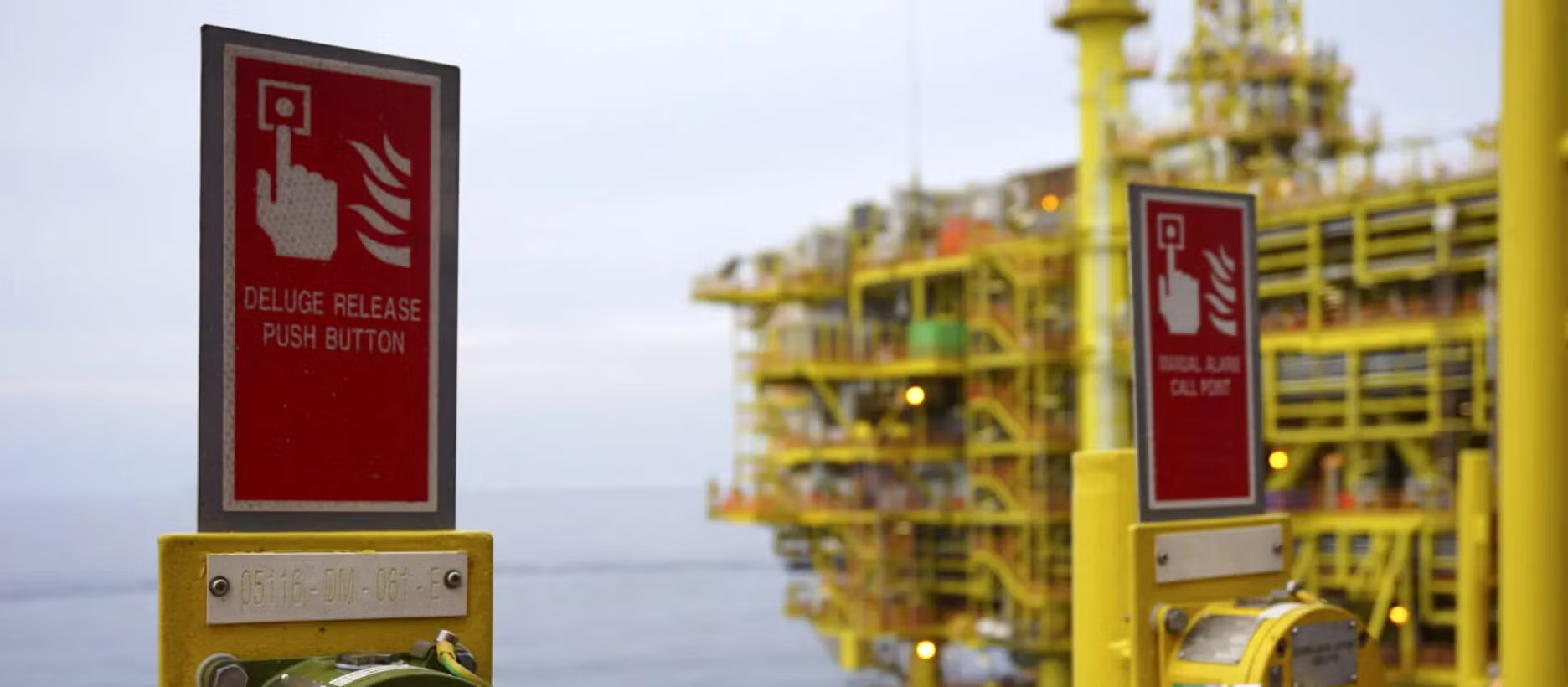
In the oil and gas, heavy industry, and offshore sectors, the risk of fire and explosion is ever-present due to the presence of flammable fuels, high-power electrical systems, and harsh operating conditions. Ensuring that fire protection equipment and systems are always ready for operation is a mandatory requirement to protect people, property, and maintain the continuity of production activities.

PVD Training provides inspection, maintenance, repair, and technical support services for fire protection equipment and systems, serving oil and gas projects, industrial plants, and offshore projects. These services are implemented to ensure that fire protection systems meet technical requirements, safety standards, and current legal regulations throughout their operational lifecycle.

Scope of Services

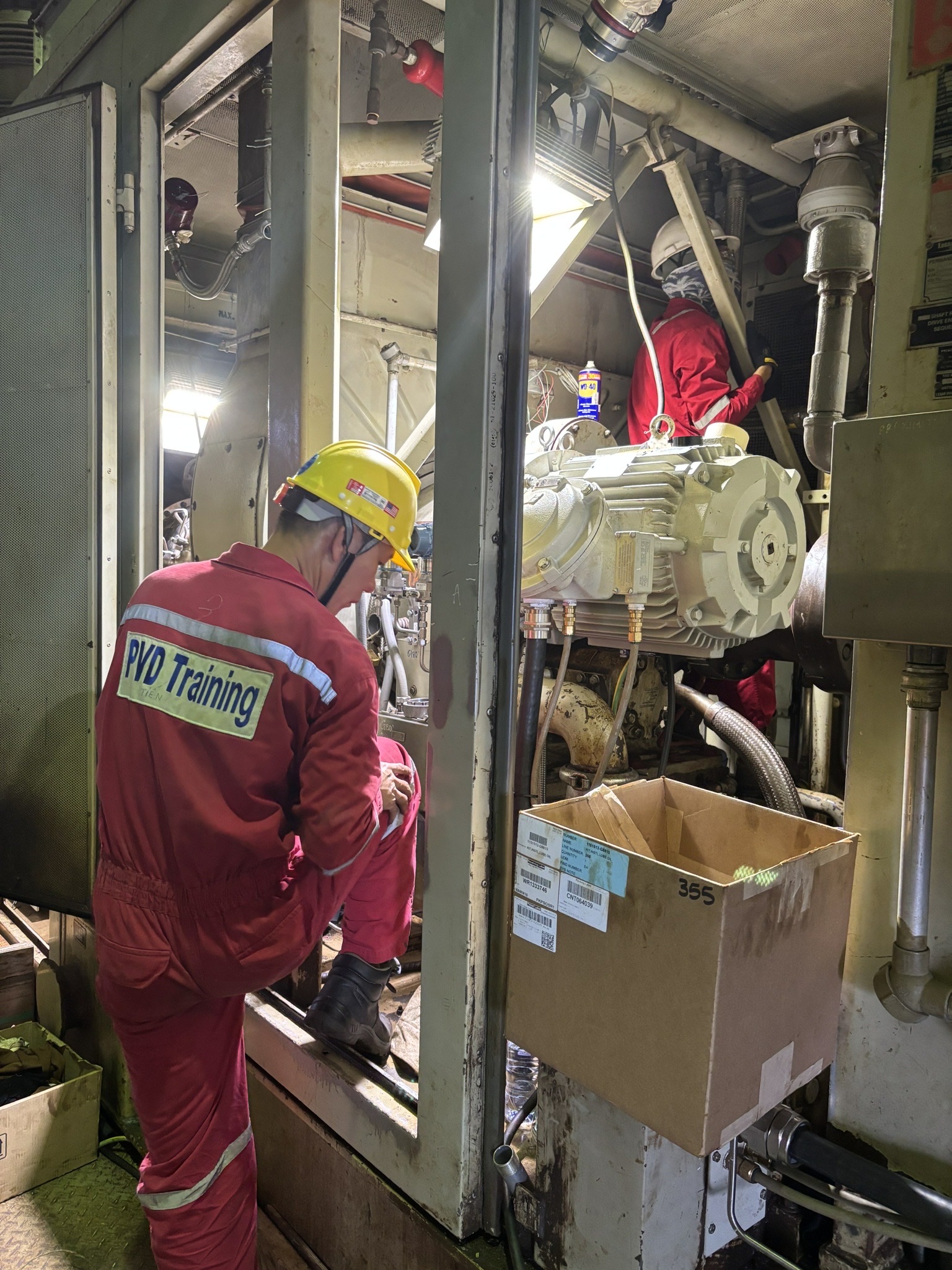
PVD Training’s Firefighting Equipment & System Services comprehensively cover all items related to firefighting equipment and systems used in industrial and offshore environments.

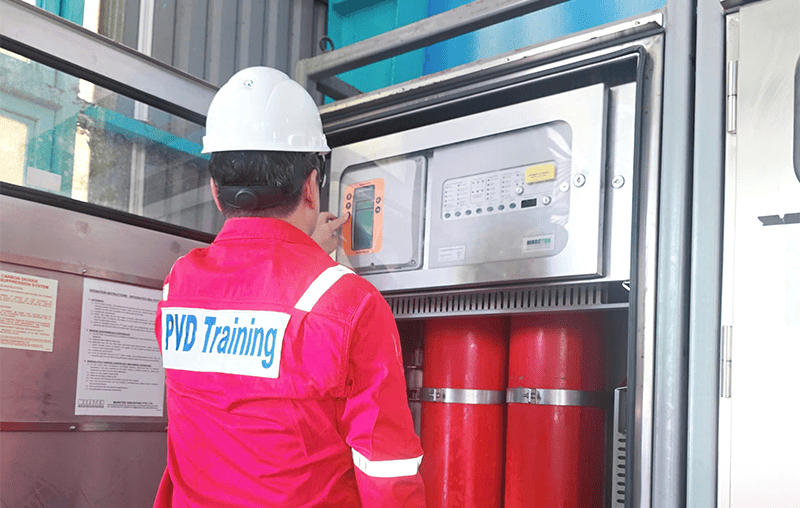
We inspect, maintain, and repair portable and fixed fire extinguishers, including powder extinguishers, CO₂ extinguishers, clean agent extinguishers, and other specialized firefighting equipment. Inspections are conducted to assess the technical condition, operational capability, and safety compliance of each device.

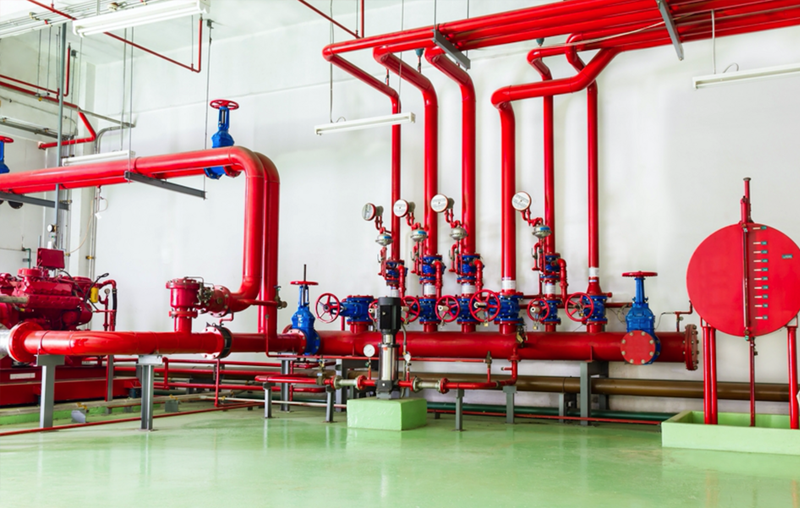
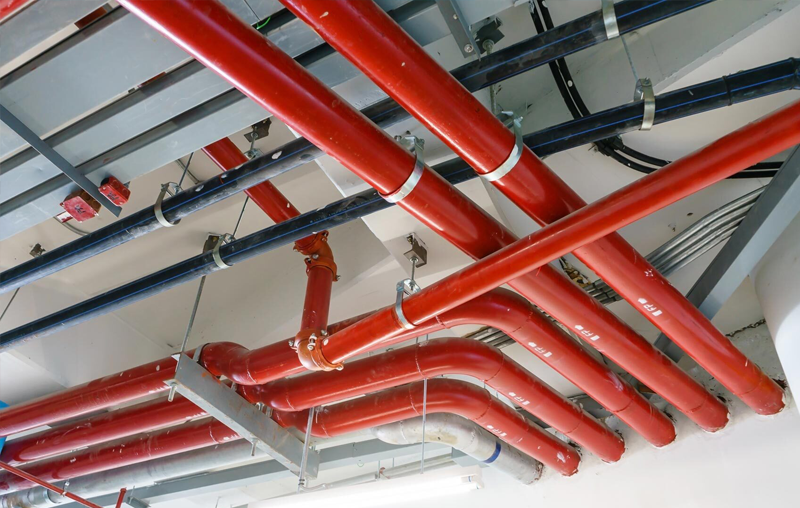
In addition, PVD Training provides maintenance and inspection services for fixed firefighting systems, including water-based firefighting systems, foam (AFFF) systems, gas firefighting systems such as FM200, and equivalent systems. The work includes inspecting the condition of pipes, valves, nozzles, activation devices, and related components to ensure the system can operate effectively in the event of a fire or explosion.

Additionally, the service includes inspection and maintenance of breathing and rescue equipment, such as SCBA and escape aids, to ensure readiness for use in emergency situations.

Service implementation process

PVD Training’s fire protection equipment and system services are implemented according to a strict control process to ensure quality, safety, and compliance.

First, the technical team surveys the current status of the fire protection and firefighting system, assessing the condition of the equipment, the degree of wear and tear, operational capabilities, and any points that do not meet technical requirements or safety regulations. Based on this, we develop a maintenance and repair plan appropriate to the actual conditions of each project.

During implementation, maintenance, repair, and inspection work is carried out in accordance with technical procedures, with safety supervision and quality control. After completion, the system and equipment are re-inspected to confirm their operational status and level of compliance with safety requirements before being handed over to the customer.

Technical standards and safety compliance

Throughout the entire service provision process, PVD Training strictly adheres to occupational safety requirements and technical standards applicable to fire protection systems in the oil and gas and industrial sectors. Inspection and maintenance activities are carried out in accordance with the investor’s internal regulations, industry technical standards, and relevant legal requirements.

Compliance with safety standards and procedures not only ensures the effective operation of fire protection and firefighting systems but also supports customers in safety inspections, assessments, audits, and compliance with relevant parties’ regulations.

Value and benefits

PVD Training’s fire protection equipment and system services provide tangible value in enhancing the overall safety of buildings and workers. Properly inspected and maintained fire protection systems help minimize fire and explosion risks, limiting damage to people and property in the event of an incident.

In addition, regular maintenance and technical control of the system helps customers maintain operational readiness and avoid production interruptions due to safety-related issues. The service also contributes to extending the life of equipment and optimizing long-term operating and maintenance costs.

Application Areas

    • PVD Training’s Firefighting Equipment & System Services are suitable for various types of projects and facilities, including:
    • Oil and gas drilling rigs and offshore projects
    • Industrial plants and manufacturing facilities
    • Warehouses and storage areas for flammable materials
    • Oil and gas service vessels and marine structures

Industrial Valve System Inspection, Assessment, and Maintenance Services

Service Overview

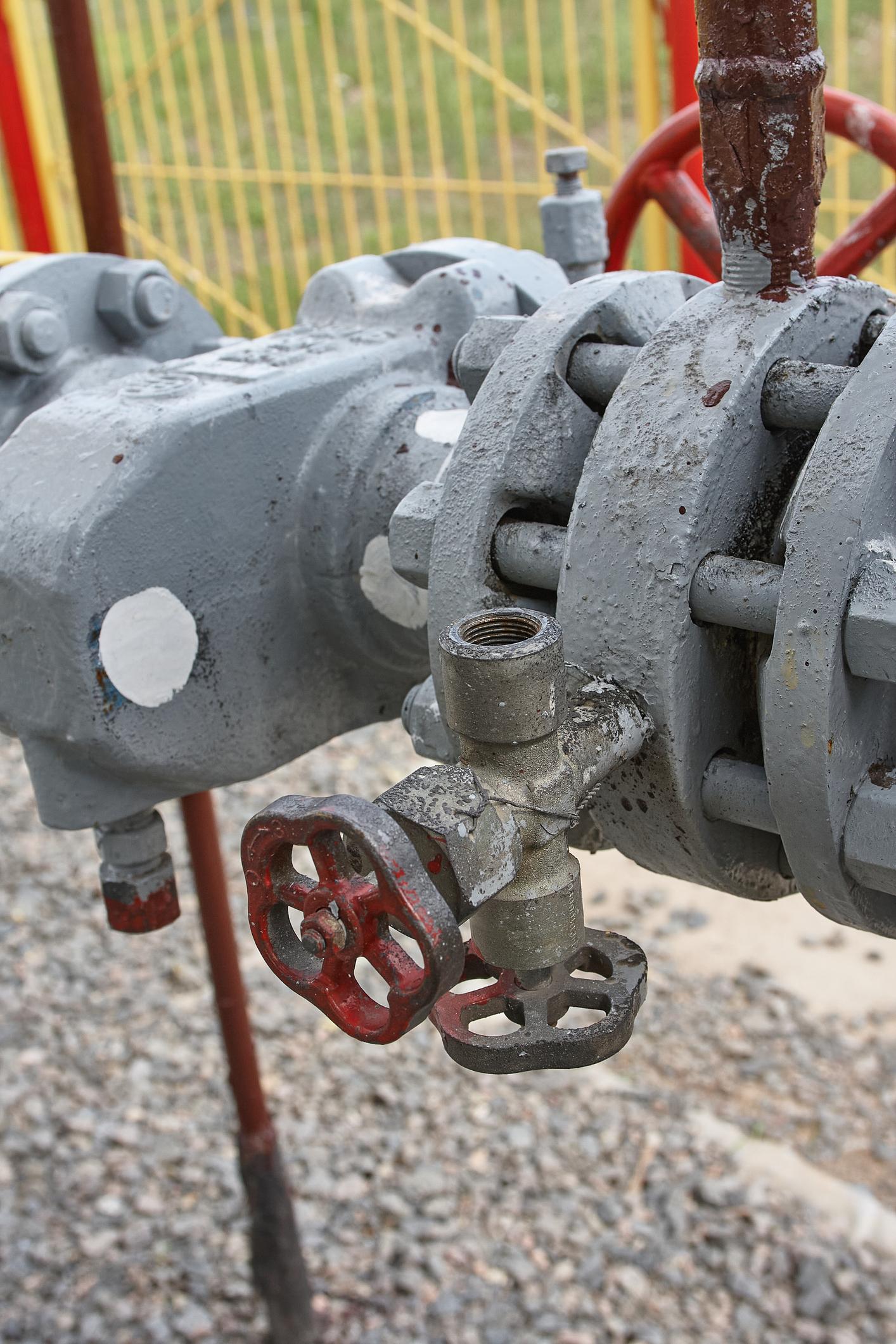
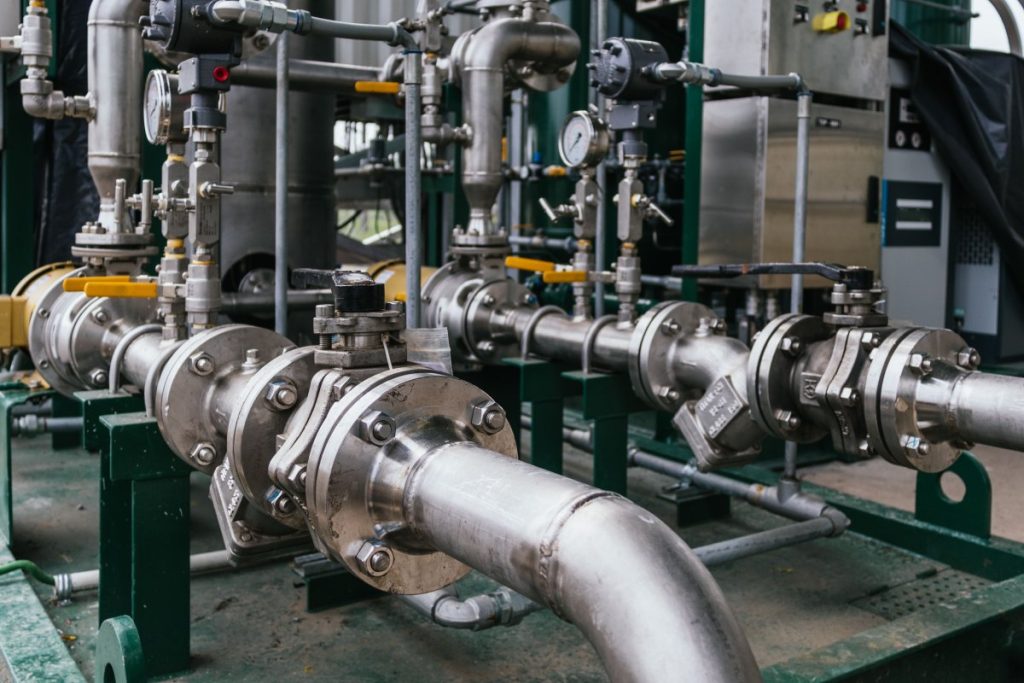
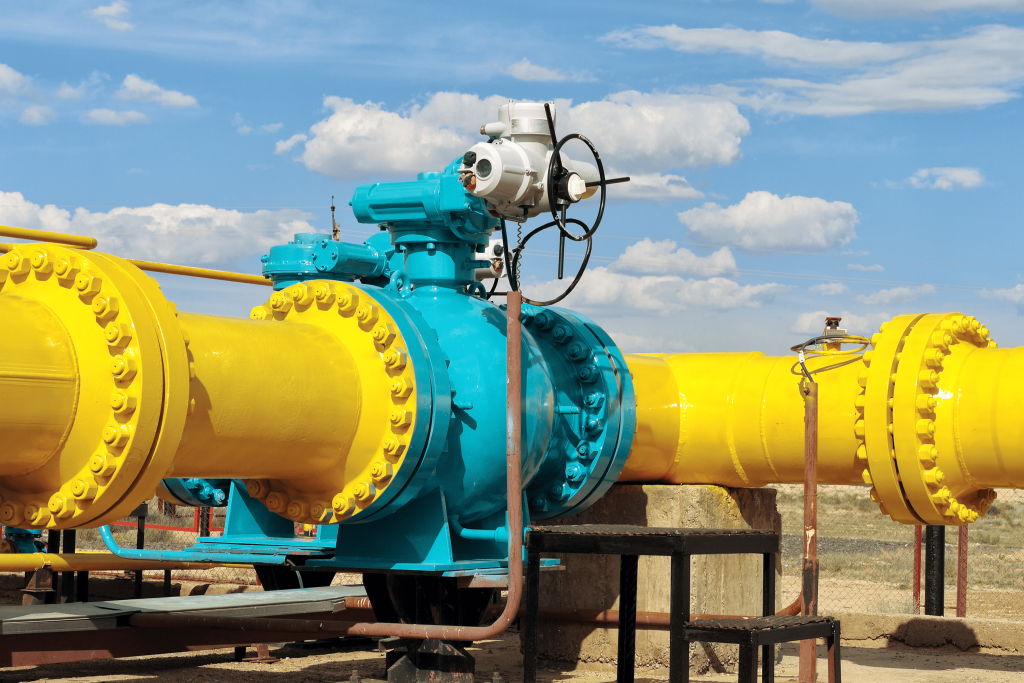
Valves are core components in the technological systems of industrial plants, piping systems, and offshore oil and gas projects. They regulate the flow, pressure, and volume of media such as oil, gas, water, chemicals, and other industrial substances. Due to continuous operation under high loads, high pressures, and harsh environments, valve systems are prone to wear, performance degradation, or failure if not properly maintained.

PVD Training provides valve maintenance services, including equipment inspection, technical condition assessment, and maintenance activities tailored to actual operating conditions. These services help customers maintain equipment performance, minimize unplanned downtime, and extend the lifespan of the entire valve system in plants and offshore facilities.

The role of valve maintenance in industrial operations

In industrial and oil and gas systems, valve-related incidents can have serious consequences such as fluid leaks, loss of pressure control, production line interruptions, and even human safety impacts. Therefore, valve maintenance is not only a routine technical activity but also an important part of asset safety and operation management.

Proper timing and methods of maintenance help:

    • Maintain stable flow and pressure in the system
    • Detect early signs of damage or performance degradation
    • Reduce the risk of technical failures and accidents
    • Limit major repair costs and prolonged downtime

PVD Training’s valve maintenance services play a crucial role in ensuring safe, continuous, and efficient operation for industrial and offshore projects.

Scope of valve maintenance services

PVD Training’s valve maintenance services are implemented flexibly to suit the operational characteristics and technical requirements of each system. The scope of services includes:

    • Comprehensive inspection of valve technical condition
    • Assessment of wear and tear levels and operational performance
    • Scheduled maintenance or maintenance based on actual operating conditions
    • Performing maintenance tasks to restore and maintain equipment performance
    • Technical support during system operation and maintenance

Maintenance activities are performed in accordance with the operating conditions of the equipment, including industrial plant environments and offshore facilities.

Maintenance methods and procedures

PVD Training implements valve maintenance services following strict technical procedures to ensure the quality and reliability of equipment after maintenance.

The process begins with a survey of the system’s current status, collecting information on operating conditions, maintenance history, and technical issues that have arisen. Based on this, the technical team conducts a detailed inspection of each valve, assesses its condition, and determines the items that need maintenance.

After completing the assessment, PVD Training performs appropriate maintenance work to ensure the equipment meets operational requirements. Maintenance results are recorded and reported, serving equipment management and future maintenance planning.

Ensuring system performance and reliability

The goal of valve maintenance services is to ensure that the system always operates stably and meets technical requirements throughout its operating life. Maintaining equipment performance helps the system operate more efficiently, reduces energy losses, and minimizes incidents.

For offshore projects and continuous operation systems, valve reliability is a key factor in ensuring safety and progress. PVD Training’s services help customers proactively control equipment status and maintain stable operating conditions in the long term.

Value and benefits

PVD Training’s valve maintenance services provide customers with many practical benefits in operation and technical maintenance.

Firstly, the service helps minimize downtime, reducing interruptions in production and operation. Additionally, proper maintenance extends the lifespan of the valve system, reduces replacement costs, and optimizes long-term maintenance expenses.

The service also supports customers in technical asset management, enhancing safety and ensuring compliance with technical and safety requirements applicable to offshore plants and structures.

Application areas

PVD Training’s valve maintenance service is suitable for many fields and types of projects, including:

    • Industrial plants and industrial parks
    • Pipeline systems and technological lines
    • Oil and gas projects and offshore drilling rigs
    • Technical operation and maintenance projects

Electrical & Instrumentation Services

Service Overview

PVD Training provides Electrical & Instrumentation (E&I) services for oil and gas, industrial, and marine projects, meeting the requirements for continuous, safe, and stable operation in harsh working environments. The services are designed to support customers throughout the entire technical system lifecycle, from initial installation, operation, and periodic maintenance to system repair and modification.

With a team of engineers and technicians with practical experience in onshore and offshore projects, PVD Training provides E&I solutions tailored to the specific characteristics of each project, ensuring that electrical and control systems meet technical, safety, and environmental requirements.

Scope of Services

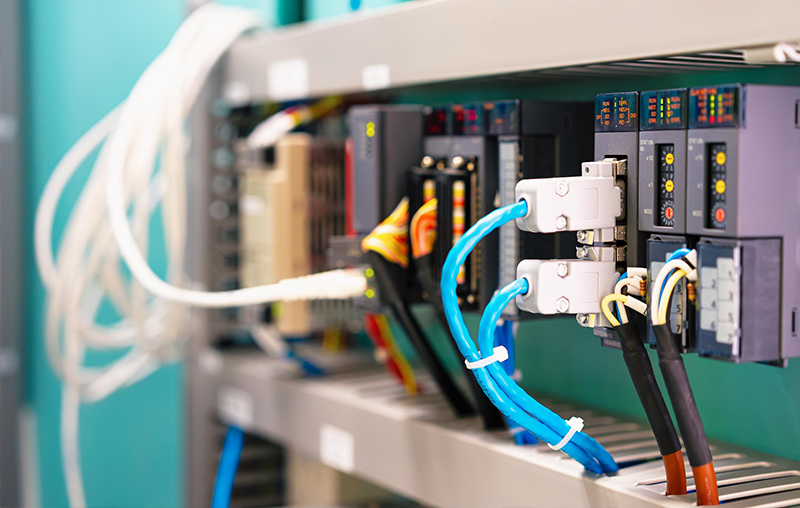
E&I services include installation, inspection, connection, and maintenance of low-voltage and medium-voltage electrical systems, electrical cabinets, electrical cables, and measurement and control equipment. In addition, we provide preventive maintenance, repair maintenance, system calibration, and technical support during system commissioning and acceptance testing.

Implementation Process

E&I activities are carried out according to a clear technical process, including site surveys, risk assessments, construction and maintenance planning, work implementation, and inspection and acceptance. All work is supervised to ensure compliance with safety and quality requirements.

Value Delivered

PVD Training’s E&I services help customers maintain stable operating conditions, minimize system failures, optimize energy efficiency, and extend equipment life. This is a critical factor in ensuring long-term occupational safety and production efficiency.