KỸ NĂNG THOÁT HIỂM KHI MÁY BAY TRỰC THĂNG GẶP SỰ CỐ

Kỹ năng thoát hiểm khi máy bay trực thăng rơi xuống nước (HUET – Helicopter Underwater Escape Training) là một trong các nội dung của khóa học “Kỹ năng an toàn biển (BOSIET – Basic Offshore Safety Induction & Emergency Training) hiện đang được cung cấp tại PVD Training.

Đây là khóa học được Tổ chức Đào tạo dầu khí ngoài khơi OPITO (Offshore Petroleum Industry Training Organization) kiểm duyệt, cấp chứng nhận có giá trị sử dụng quốc tế. Chương trình đào tạo sẽ cung cấp cho học viên kiến thức lý thuyết và bài tập thực hành, các kỹ năng thoát hiểm cũng như kỹ năng sơ cứu và sinh tồn trên biển khi máy bay trực thăng rơi xuống biển. Đây là khóa học vô cùng hữu ích cho nhân sự ngành dầu khí làm việc trên các công trình ngoài khơi, thường xuyên phải di chuyển ra giàn khoan bằng máy bay trực thăng.
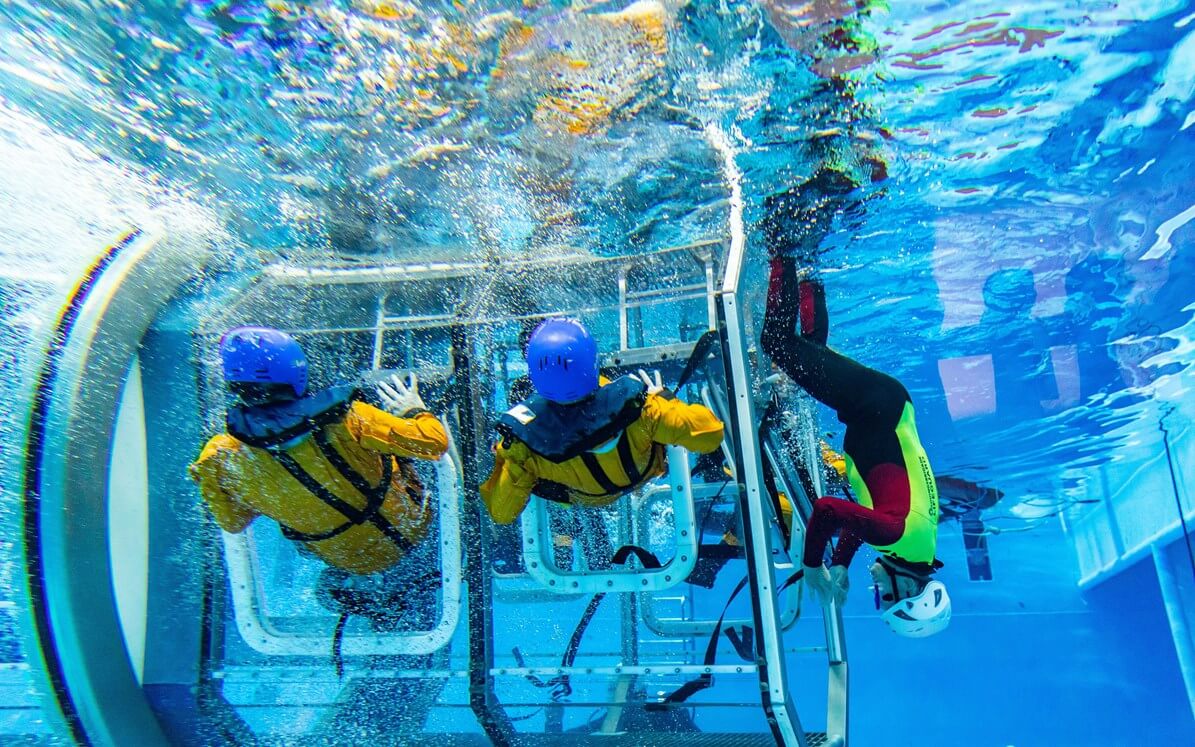
HUET 2

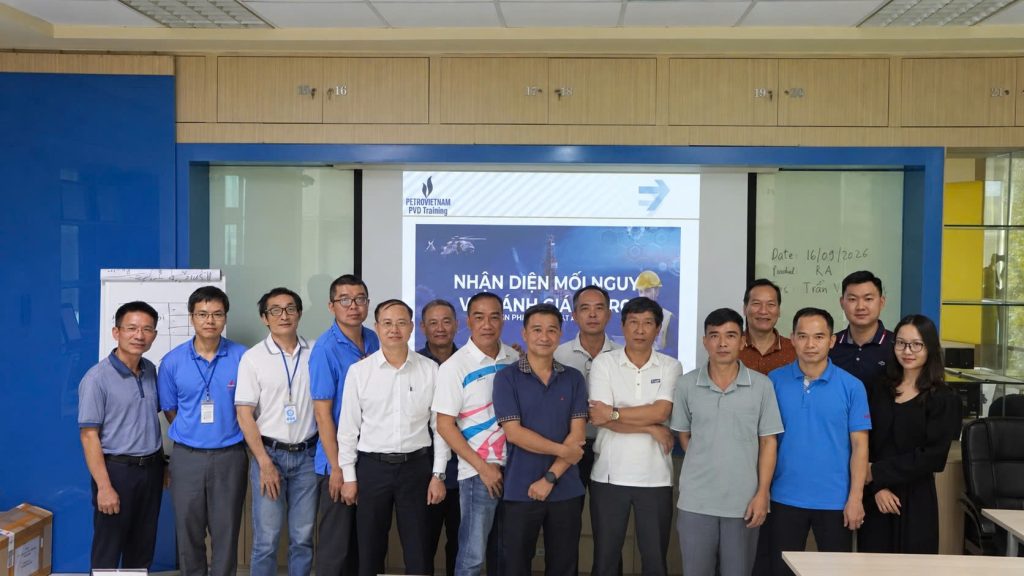
Hình ảnh khoá học kỹ năng thoát hiểm tại PVD Training

Theo thống kê của Ban An toàn Giao thông Vận tải Quốc gia (NTSB), tốc độ lúc rơi của máy bay trực thăng thường nhanh hơn máy bay dân dụng nói chung và tỷ lệ tai nạn của trực thăng cũng cao hơn, với 7,28/100.000 giờ bay so với 9,84/100.000 giờ bay của máy bay dân dụng, trong đó sai sót kỹ thuật, hư hỏng máy móc – thiết bị và thời tiết xấu là những nguyên nhân hàng đầu dẫn đến các sự cố/tai nạn về máy bay (nguồn: IFL Science) trong khi xu hướng sử dụng máy bay trực thăng để di chuyển đang tăng dần tại Việt Nam và trên thế giới vì những thuận tiện riêng của loại phương tiện này. Với các sự cố liên quan tới máy bay trực thăng thời gian gần đây thì khóa học này cũng cần thiết cho bất cứ ai có nhu cầu di chuyển bằng máy bay trực thăng.
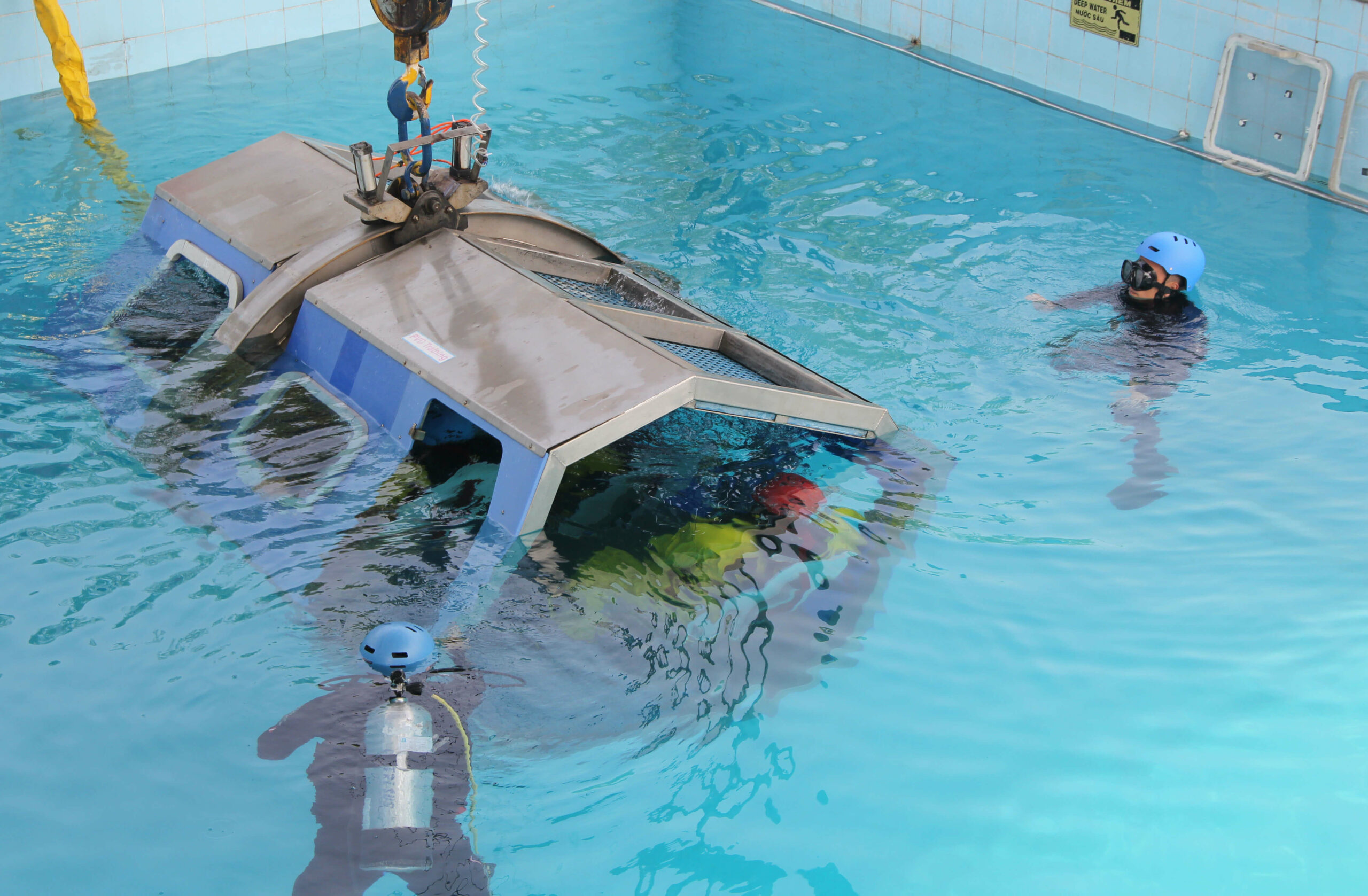
HUET 3 scaled

Hình ảnh khoá học kỹ năng thoát hiểm tại PVD Training

Phải làm gì khi gặp sự cố?

Trong trường hợp gặp sự cố thì việc tuân thủ các quy tắc an toàn theo hướng dẫn của tiếp viên, phi hành đoàn là rất quan trọng. Điều quyết định sự sống còn hay mức độ an toàn của hành khách trên máy bay đó là: thắt dây an toàn đúng cách, tư thế ngồi an toàn, giữ bình tĩnh, xác định cửa thoát hiểm, tránh bị ngạt khói, không chen lấn xô đẩy, không mang hành lý, trang bị kỹ năng thoát hiểm, v.v.

Trường hợp máy bay hạ cánh trên đất liền thì mối nguy chính là khói và lửa, do đó cần phải định vị được lối thoát hiểm, sau đó cần thoát hiểm thật nhanh bằng cửa chính hoặc cửa sổ, lưu ý tránh các cánh quạt trước khi rời khỏi máy bay, đi lên chỗ cao, hướng đầu gió, ra tín hiệu để người khác đi theo, mang theo thiết bị hỗ trợ sống sót; điều trị các chấn thương (nếu có).

Trường hợp máy bay hạ cánh dưới nước, cần bình tĩnh xác định được vị trí, nghe theo sự hướng dẫn của phi hành đoàn, kiểm tra dây đai an toàn, áp dụng tư thế chống va đập khi máy bay hạ cánh, tìm lối thoát hiểm gần nhất. Sau khi thoát ra ngoài, bắt đầu kích hoạt áo phao, kéo mũ trùm chắn sóng rồi bơi về khu vực an toàn và chờ cứu hộ, v.v.
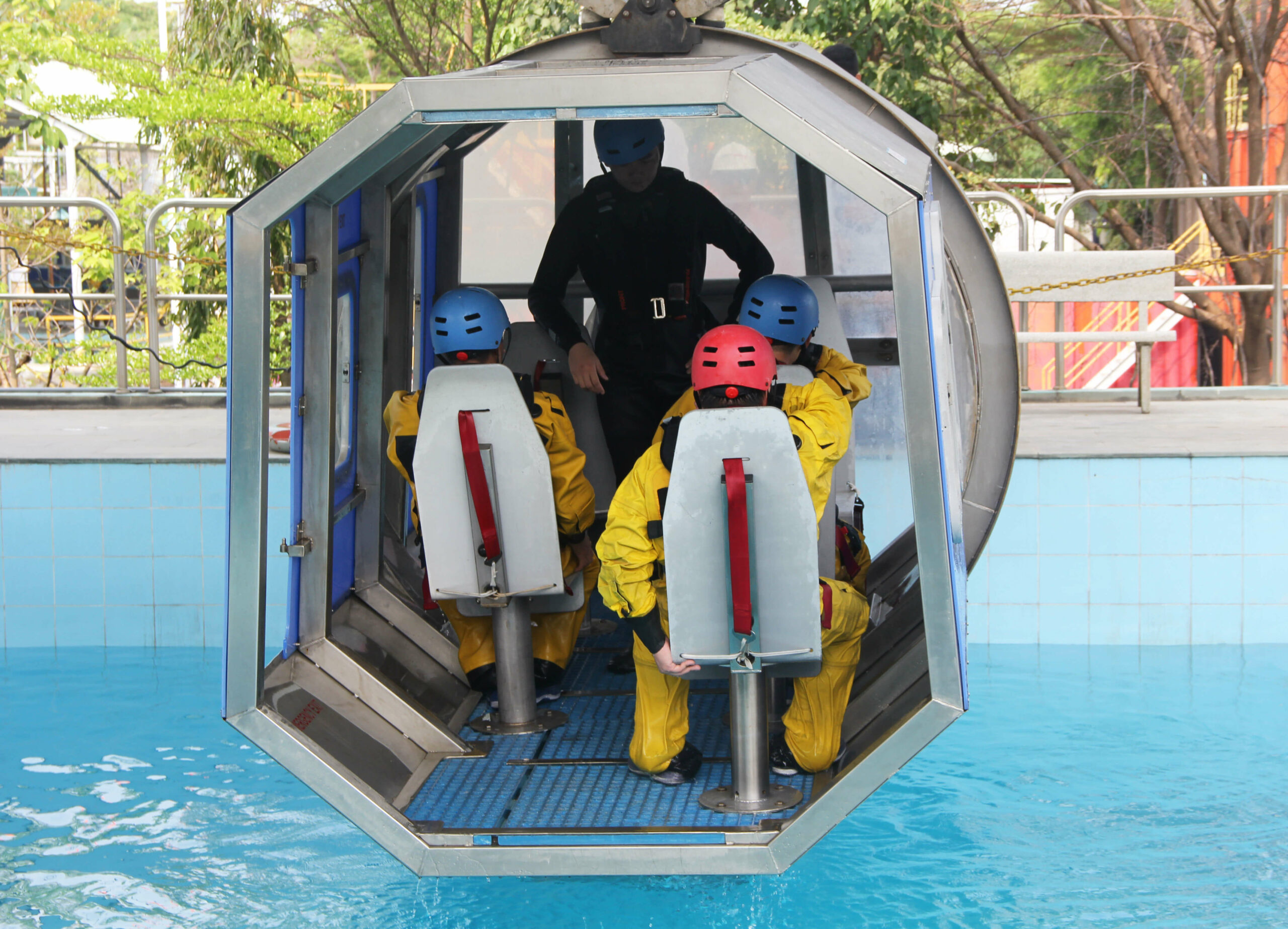
HUET 4 scaled

Hình ảnh khoá học kỹ năng thoát hiểm tại PVD Training

Vậy ở đâu có thể cung cấp đầy đủ các kỹ năng này?

PVD Training được thành lập năm 2007, là đơn vị thành viên của Tổng công ty cổ phần Khoan và Dịch vụ Khoan Dầu khí (PV Drilling). Với 16 năm kinh nghiệm trong ngành, PVD Training hiện đang cung cấp khóa học trang bị đầy đủ các kỹ năng, kiến thức để thoát hiểm trong trường hợp máy bay trực thăng gặp sự cố.

Khóa học này áp dụng cho những cá nhân/ tổ chức có nhu cầu sử dụng máy bay trực thăng để tham quan, du lịch, khảo sát, …

Chi tiết khóa học tại link dưới đây:

Thông tin về PVD Training:

PVD Training Technical Trainning & Certification J.S.C

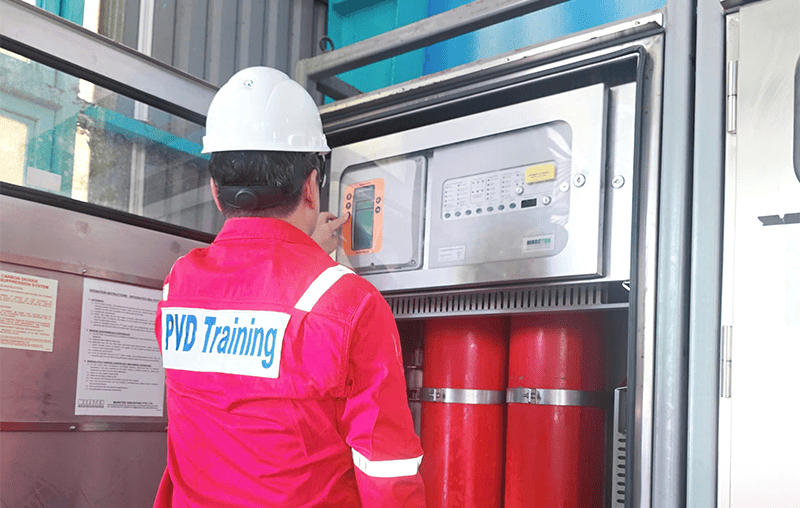
Fire Protection Equipment and System Services

Service Overview

In the oil and gas, heavy industry, and offshore sectors, the risk of fire and explosion is ever-present due to the presence of flammable fuels, high-power electrical systems, and harsh operating conditions. Ensuring that fire protection equipment and systems are always ready for operation is a mandatory requirement to protect people, property, and maintain the continuity of production activities.

PVD Training provides inspection, maintenance, repair, and technical support services for fire protection equipment and systems, serving oil and gas projects, industrial plants, and offshore projects. These services are implemented to ensure that fire protection systems meet technical requirements, safety standards, and current legal regulations throughout their operational lifecycle.

Scope of Services

PVD Training’s Firefighting Equipment & System Services comprehensively cover all items related to firefighting equipment and systems used in industrial and offshore environments.

We inspect, maintain, and repair portable and fixed fire extinguishers, including powder extinguishers, CO₂ extinguishers, clean agent extinguishers, and other specialized firefighting equipment. Inspections are conducted to assess the technical condition, operational capability, and safety compliance of each device.

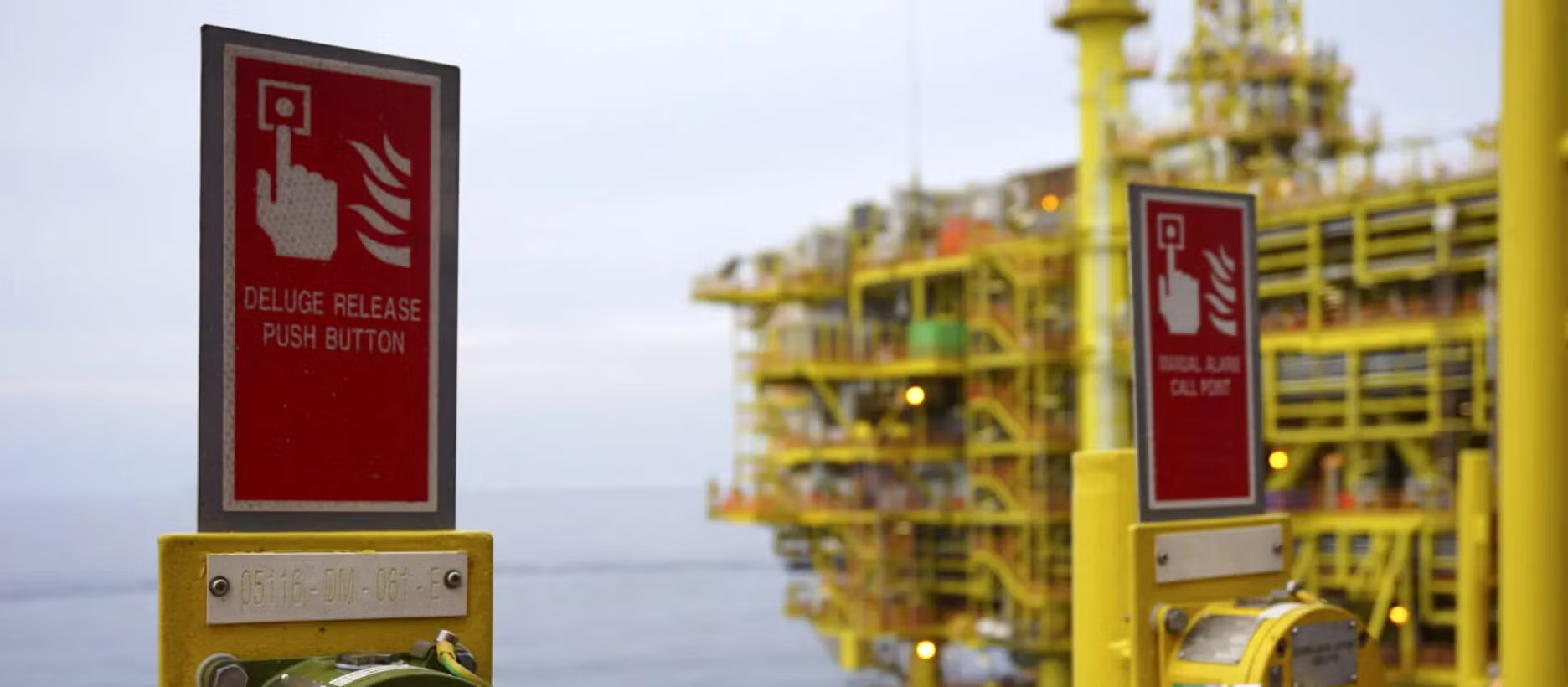
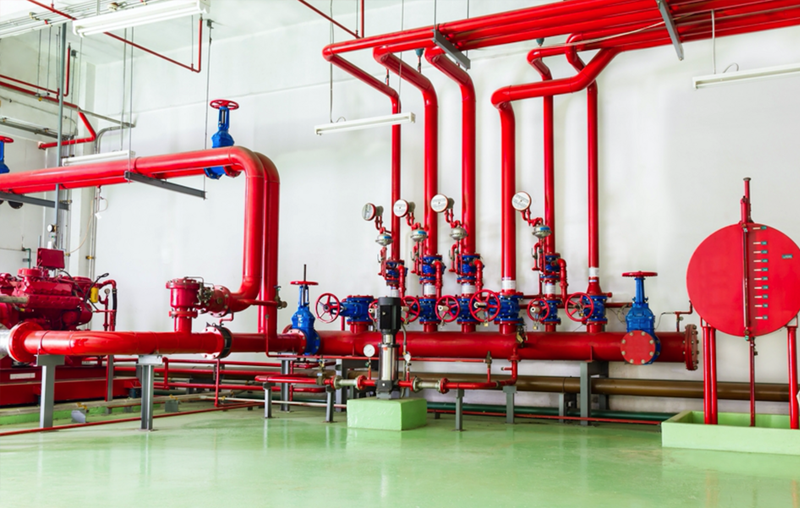
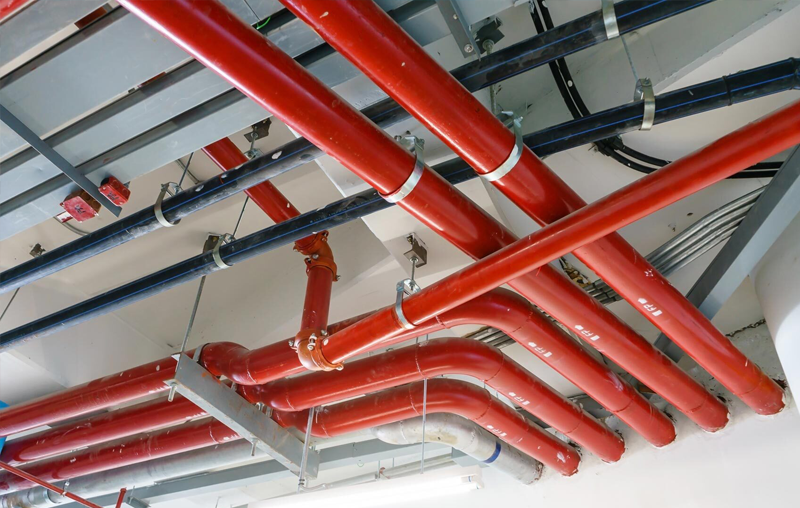
In addition, PVD Training provides maintenance and inspection services for fixed firefighting systems, including water-based firefighting systems, foam (AFFF) systems, gas firefighting systems such as FM200, and equivalent systems. The work includes inspecting the condition of pipes, valves, nozzles, activation devices, and related components to ensure the system can operate effectively in the event of a fire or explosion.

Additionally, the service includes inspection and maintenance of breathing and rescue equipment, such as SCBA and escape aids, to ensure readiness for use in emergency situations.

Service implementation process

PVD Training’s fire protection equipment and system services are implemented according to a strict control process to ensure quality, safety, and compliance.

First, the technical team surveys the current status of the fire protection and firefighting system, assessing the condition of the equipment, the degree of wear and tear, operational capabilities, and any points that do not meet technical requirements or safety regulations. Based on this, we develop a maintenance and repair plan appropriate to the actual conditions of each project.

During implementation, maintenance, repair, and inspection work is carried out in accordance with technical procedures, with safety supervision and quality control. After completion, the system and equipment are re-inspected to confirm their operational status and level of compliance with safety requirements before being handed over to the customer.

Technical standards and safety compliance

Throughout the entire service provision process, PVD Training strictly adheres to occupational safety requirements and technical standards applicable to fire protection systems in the oil and gas and industrial sectors. Inspection and maintenance activities are carried out in accordance with the investor’s internal regulations, industry technical standards, and relevant legal requirements.

Compliance with safety standards and procedures not only ensures the effective operation of fire protection and firefighting systems but also supports customers in safety inspections, assessments, audits, and compliance with relevant parties’ regulations.

Value and benefits

PVD Training’s fire protection equipment and system services provide tangible value in enhancing the overall safety of buildings and workers. Properly inspected and maintained fire protection systems help minimize fire and explosion risks, limiting damage to people and property in the event of an incident.

In addition, regular maintenance and technical control of the system helps customers maintain operational readiness and avoid production interruptions due to safety-related issues. The service also contributes to extending the life of equipment and optimizing long-term operating and maintenance costs.

Application Areas

    • PVD Training’s Firefighting Equipment & System Services are suitable for various types of projects and facilities, including:
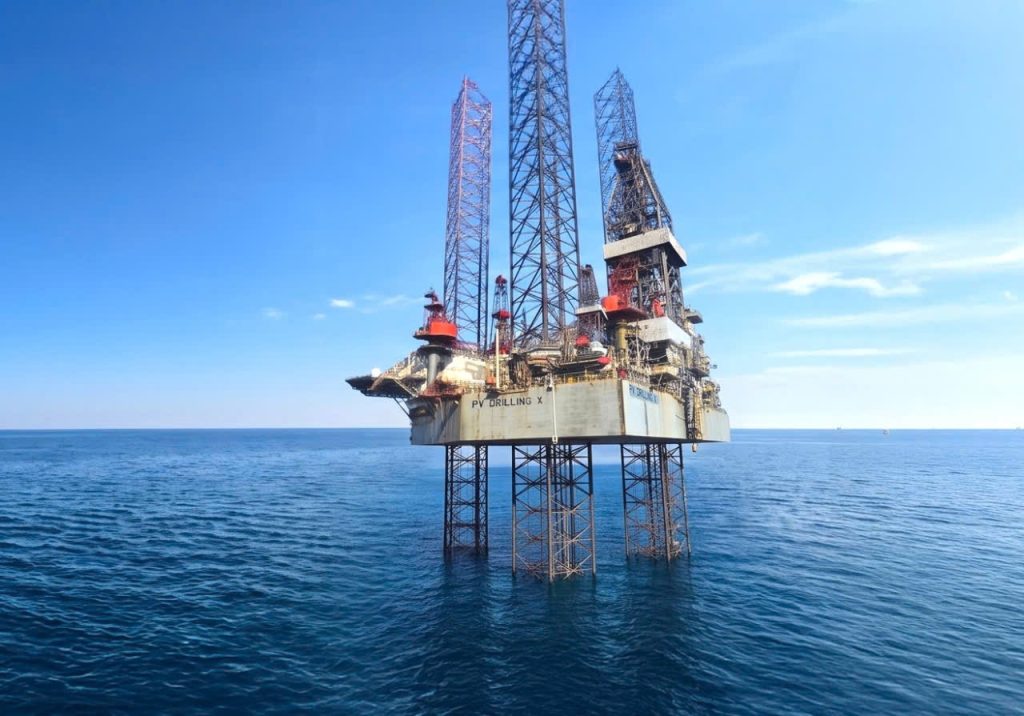
    • Oil and gas drilling rigs and offshore projects
    • Industrial plants and manufacturing facilities
    • Warehouses and storage areas for flammable materials
    • Oil and gas service vessels and marine structures

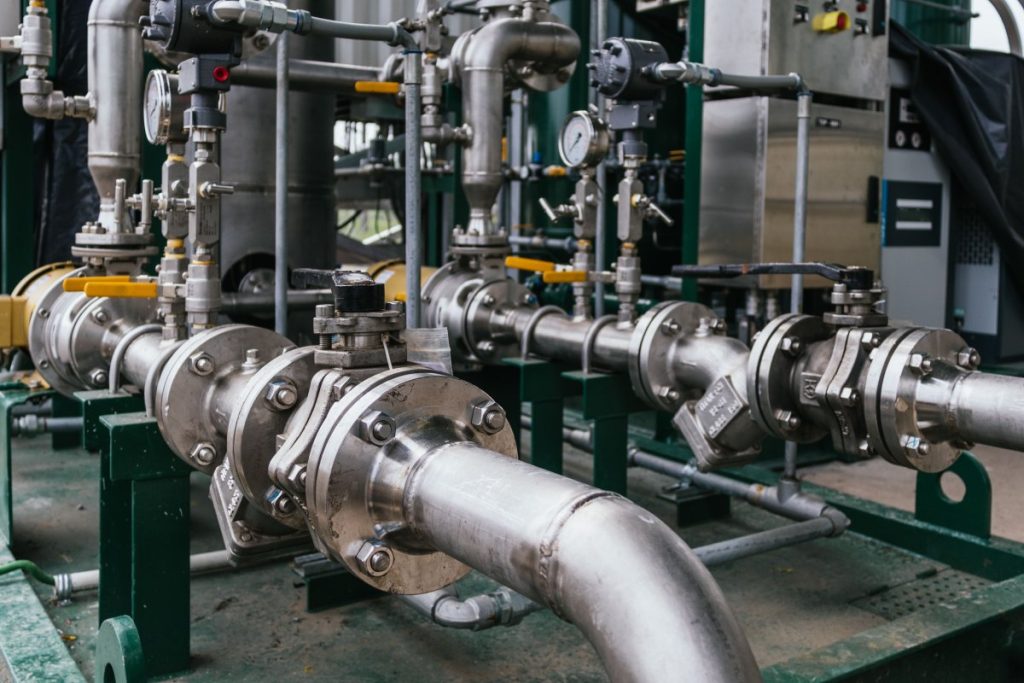
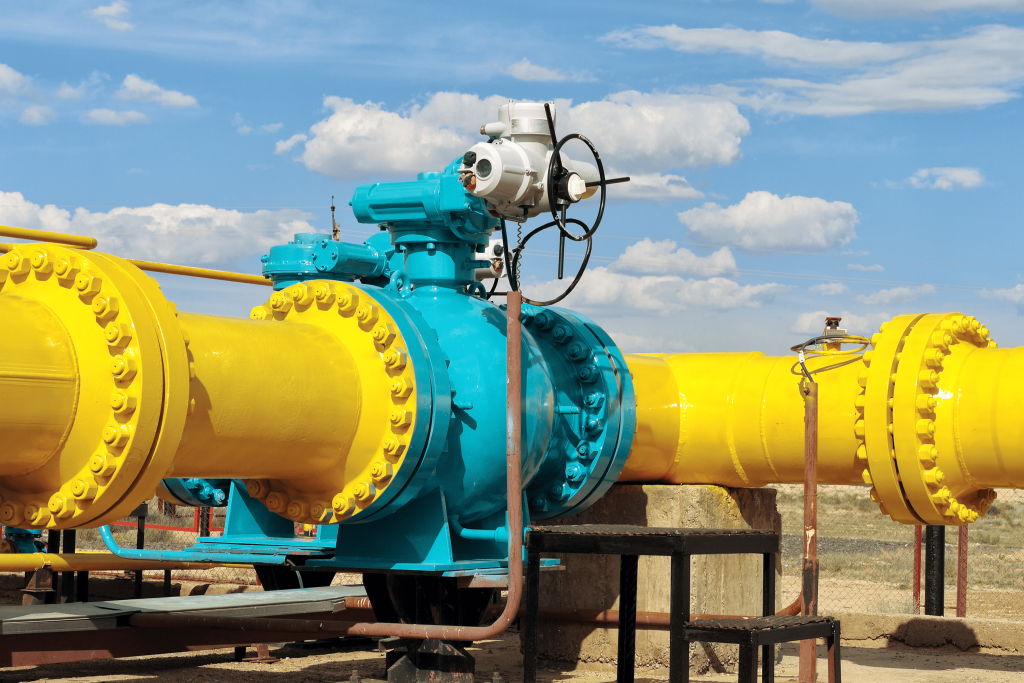
Industrial Valve System Inspection, Assessment, and Maintenance Services

Service Overview

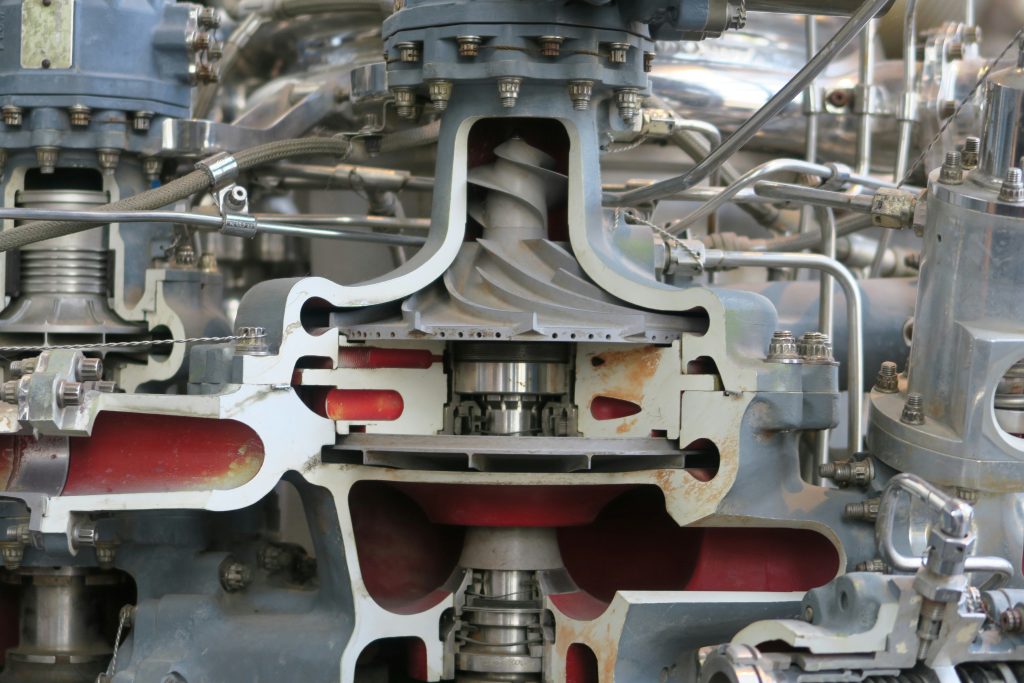
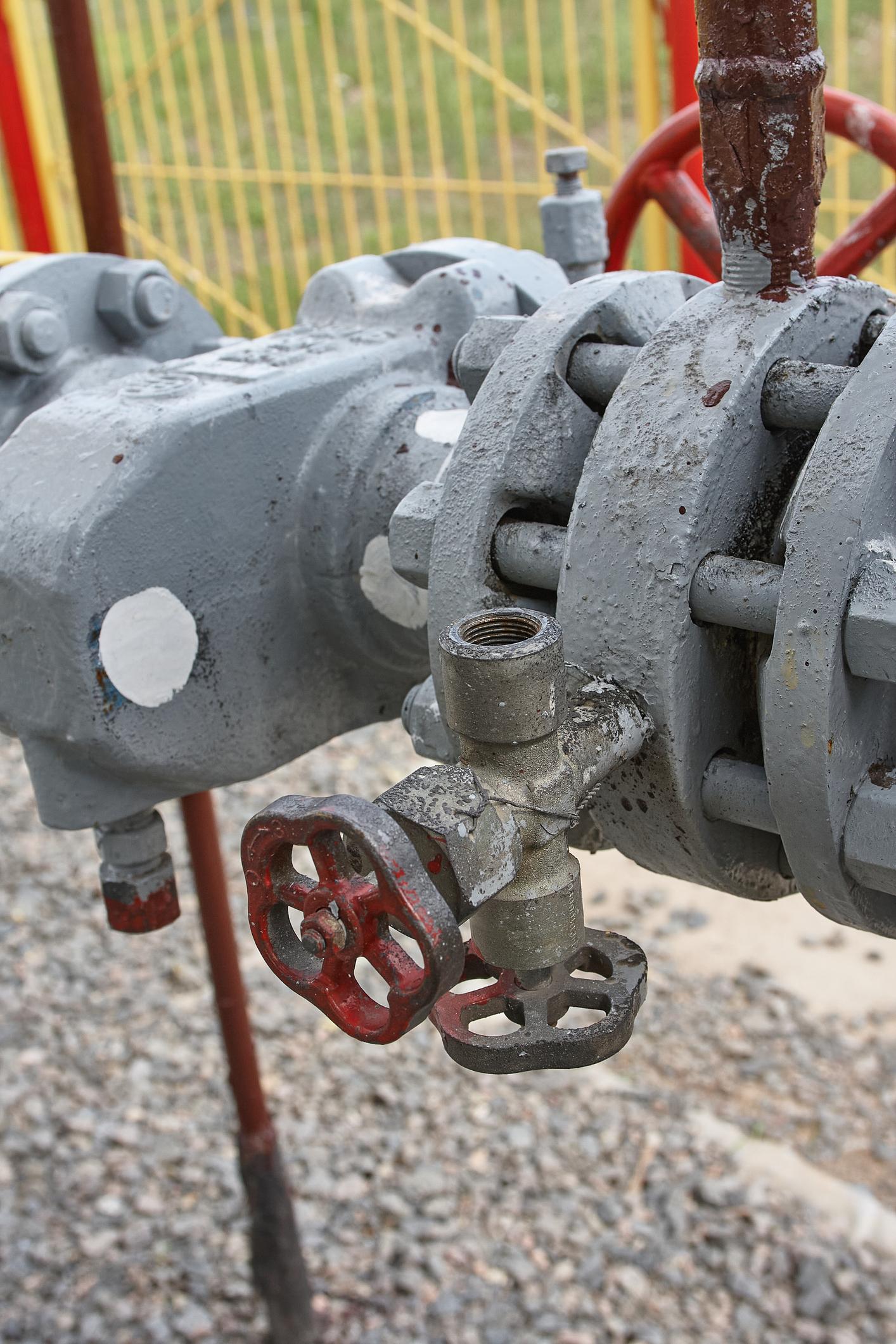
Valves are core components in the technological systems of industrial plants, piping systems, and offshore oil and gas projects. They regulate the flow, pressure, and volume of media such as oil, gas, water, chemicals, and other industrial substances. Due to continuous operation under high loads, high pressures, and harsh environments, valve systems are prone to wear, performance degradation, or failure if not properly maintained.

PVD Training provides valve maintenance services, including equipment inspection, technical condition assessment, and maintenance activities tailored to actual operating conditions. These services help customers maintain equipment performance, minimize unplanned downtime, and extend the lifespan of the entire valve system in plants and offshore facilities.

The role of valve maintenance in industrial operations

In industrial and oil and gas systems, valve-related incidents can have serious consequences such as fluid leaks, loss of pressure control, production line interruptions, and even human safety impacts. Therefore, valve maintenance is not only a routine technical activity but also an important part of asset safety and operation management.

Proper timing and methods of maintenance help:

    • Maintain stable flow and pressure in the system
    • Detect early signs of damage or performance degradation
    • Reduce the risk of technical failures and accidents
    • Limit major repair costs and prolonged downtime

PVD Training’s valve maintenance services play a crucial role in ensuring safe, continuous, and efficient operation for industrial and offshore projects.

Scope of valve maintenance services

PVD Training’s valve maintenance services are implemented flexibly to suit the operational characteristics and technical requirements of each system. The scope of services includes:

    • Comprehensive inspection of valve technical condition
    • Assessment of wear and tear levels and operational performance
    • Scheduled maintenance or maintenance based on actual operating conditions
    • Performing maintenance tasks to restore and maintain equipment performance
    • Technical support during system operation and maintenance

Maintenance activities are performed in accordance with the operating conditions of the equipment, including industrial plant environments and offshore facilities.

Maintenance methods and procedures

PVD Training implements valve maintenance services following strict technical procedures to ensure the quality and reliability of equipment after maintenance.

The process begins with a survey of the system’s current status, collecting information on operating conditions, maintenance history, and technical issues that have arisen. Based on this, the technical team conducts a detailed inspection of each valve, assesses its condition, and determines the items that need maintenance.

After completing the assessment, PVD Training performs appropriate maintenance work to ensure the equipment meets operational requirements. Maintenance results are recorded and reported, serving equipment management and future maintenance planning.

Ensuring system performance and reliability

The goal of valve maintenance services is to ensure that the system always operates stably and meets technical requirements throughout its operating life. Maintaining equipment performance helps the system operate more efficiently, reduces energy losses, and minimizes incidents.

For offshore projects and continuous operation systems, valve reliability is a key factor in ensuring safety and progress. PVD Training’s services help customers proactively control equipment status and maintain stable operating conditions in the long term.

Value and benefits

PVD Training’s valve maintenance services provide customers with many practical benefits in operation and technical maintenance.

Firstly, the service helps minimize downtime, reducing interruptions in production and operation. Additionally, proper maintenance extends the lifespan of the valve system, reduces replacement costs, and optimizes long-term maintenance expenses.

The service also supports customers in technical asset management, enhancing safety and ensuring compliance with technical and safety requirements applicable to offshore plants and structures.

Application areas

PVD Training’s valve maintenance service is suitable for many fields and types of projects, including:

    • Industrial plants and industrial parks
    • Pipeline systems and technological lines
    • Oil and gas projects and offshore drilling rigs
    • Technical operation and maintenance projects

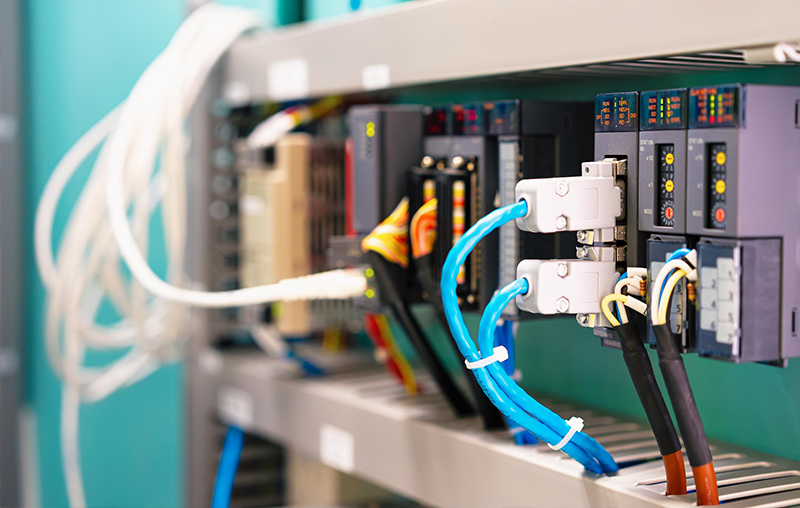
Electrical & Instrumentation Services

Service Overview

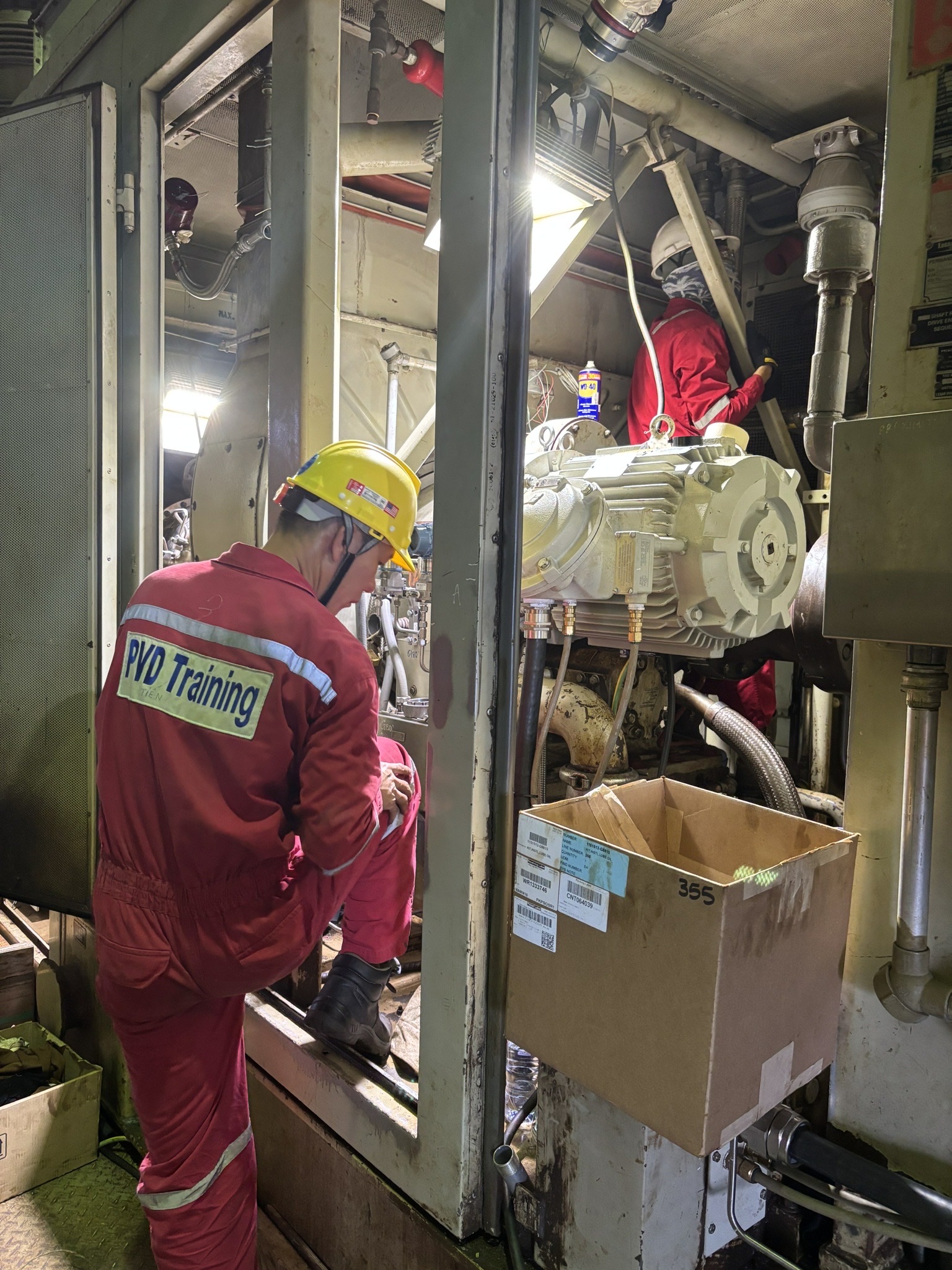
PVD Training provides Electrical & Instrumentation (E&I) services for oil and gas, industrial, and marine projects, meeting the requirements for continuous, safe, and stable operation in harsh working environments. The services are designed to support customers throughout the entire technical system lifecycle, from initial installation, operation, and periodic maintenance to system repair and modification.

With a team of engineers and technicians with practical experience in onshore and offshore projects, PVD Training provides E&I solutions tailored to the specific characteristics of each project, ensuring that electrical and control systems meet technical, safety, and environmental requirements.

Scope of Services

E&I services include installation, inspection, connection, and maintenance of low-voltage and medium-voltage electrical systems, electrical cabinets, electrical cables, and measurement and control equipment. In addition, we provide preventive maintenance, repair maintenance, system calibration, and technical support during system commissioning and acceptance testing.

Implementation Process

E&I activities are carried out according to a clear technical process, including site surveys, risk assessments, construction and maintenance planning, work implementation, and inspection and acceptance. All work is supervised to ensure compliance with safety and quality requirements.

Value Delivered

PVD Training’s E&I services help customers maintain stable operating conditions, minimize system failures, optimize energy efficiency, and extend equipment life. This is a critical factor in ensuring long-term occupational safety and production efficiency.